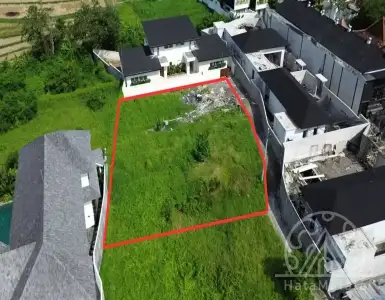
 330 000 $
 219 000 $
 217 500 $
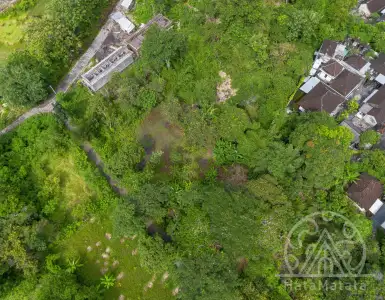 81 555 $
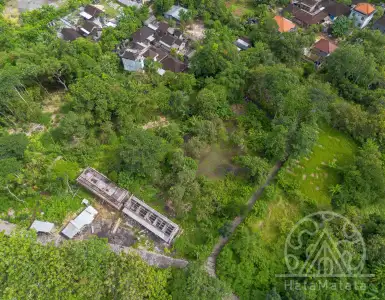 135 925 $
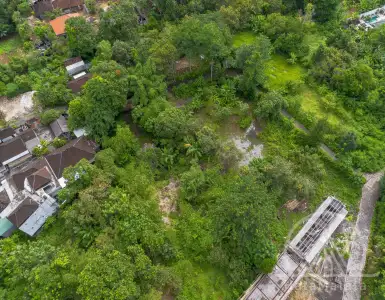 54 370 $
 264 200 $
 304 189 $
 121 090 $
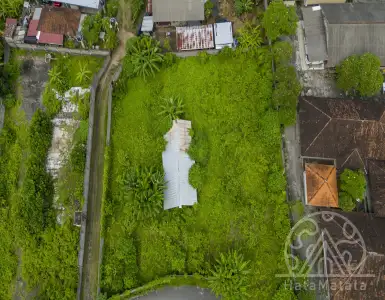 60 027 $
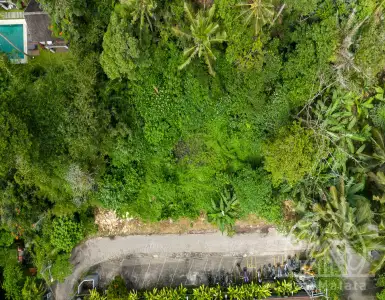 186 385 $
 224 500 $

 234 259 $
 533 142 $
 Bali
 Legal review:
Deni Gerikhanov, International Real Estate Lawyer
 Financial review:
Evgeniya Skripko, Financial Expert in International Real Estate
Reviewed:
🇮🇩 Bali land purchase: legal ownership, zoning, price ranges and permit requirements
Bali, the famed Island of the Gods, offers a unique blend of natural beauty, vibrant culture, and a booming economy, making it an ideal location for purchasing land. Whether you're a private buyer looking for a serene retreat, a family seeking a seasonal home, or an investor eyeing lucrative opportunities, navigating the land market in Bali can be fruitful with the right approach. Understanding the region's geography, economy, and legal landscape will provide invaluable insights that can significantly impact your decisions when buying land in Bali.
🌍 Exploring the Unique Characteristics of Bali's Landscape
Bali is renowned for its stunning landscapes, from lush rice terraces to pristine beaches and volcanic mountains. The island spans approximately 5,780 square kilometers, offering diverse geography that includes key districts such as Badung, Gianyar, and North Bali.
-
Geography: The geographical diversity influences the demand for land dramatically. Coastal areas like Seminyak and Canggu are popular for their proximity to the beach, attracting both tourists and expats. In contrast, areas like Ubud draw those seeking tranquility and cultural experiences, particularly around the rice s terraces.
-
Climate: Bali boasts a tropical climate characterized by a distinct wet and dry season. The ideal weather supports various agricultural and tourist activities, which in turn drive demand for land. Properties in regions favored for their climate often see escalating prices, particularly around tourist hotspots.
-
Infrastructure and Transport: Bali’s infrastructure has improved significantly in recent years, with upgrades to roads, public transport, and amenities like schools and hospitals. The airport in Ngurah Rai has become a central hub for international travel, enhancing the island's appeal. Key highways connect districts, promoting land accessibility and increasing property value.
💰 Understanding the Economic Landscape of Bali
Bali presents an appealing investment climate with a growing economy fueled by tourism, agriculture, and trade. The annual contribution of tourism to Bali’s GDP is staggering, with over 6 million international tourists visiting the island, creating a dynamic demand for land and real estate.
-
Investment Climate: The overall economic climate supports robust property returns. The average ROI on land in Bali can reach 7-10%, particularly in high-demand areas, evidencing lucrative investment potential.
-
Tax Burden: Investors appreciate the relatively low tax regime. The property tax for land is around 0.5% of the assessed value, making ownership relatively affordable compared to other regions.
-
Market Dynamics: Fluctuating tourist numbers and the rise of digital nomadism have disrupted traditional property dynamics, leading to increased demand for both residential and commercial properties. The evolving nature of Bali’s market creates fresh opportunities for savvy investors.
📈 Analyzing Prices for Land in Bali
When considering buying land in Bali, understanding market prices across various districts is crucial. The average price of land can vary significantly based on location, size, and proximity to amenities.
-
Average Prices:
- Seminyak: approximately $3,000 - $5,000 per square meter.
- Canggu: around $2,500 - $4,000 per square meter.
- Ubud: slightly lower, typically $100 - $1,500 per square meter, appealing for residential developments.
- Nusa Dua: renowned for luxury, prices can soar to $2,000 - $3,500 per square meter.
-
Types of Land:
- Residential Land: Average prices range from $100 to $5,000 based on the area and amenities.
- Commercial Land: Investors should expect variations starting at $200 to $3,000 per square meter in tourist-centric zones.
-
Market Trends: Demand for land continues to increase, particularly for new developments. Key locations attracting foreign investment, such as Pererenan and Kerobokan, are seeing new projects that align with luxury living trends.
🏙️ Key Districts for Purchasing Land in Bali
Several prominent districts stand out for prospective land buyers, each offering unique advantages and expected returns on investment.
-
Badung: A leading area for tourism and expatriate living, featuring Bali's busiest beaches and vibrant nightlife. Strong rental demand enhances the appeal for long-term investment.
-
Gianyar: Less commercialized than Badung and perfect for those looking for serenity while still being within reach of amenities. The local market here caters well to residential properties, often priced lower than coastal regions.
-
Tabanan: Known for its natural beauty and agricultural opportunities, Tabanan provides a refreshing alternative for buyers seeking long-term investment in eco-friendly projects or second homes.
🏗️ Leading Developers and Projects in Bali
A solid understanding of Bali's top developers is essential for navigating the land market effectively. Here are some of the noteworthy developers and their projects:
-
Agung Podomoro Land: A prominent player known for delivering residential and commercial properties with a focus on high-quality construction and infrastructure. Notable projects include Fontana Hotel Bali and The Ayung River residential complex.
-
Bali Land Development: Specializing in resort-style properties, their projects like Bali Villa Golf and The Bay Bali ensure attractive layouts and significant investment potential.
-
Puri Park: Known for its environmentally friendly designs, Puri Park's projects are attractive for buyers interested in sustainable living and investment opportunities.
🏦 Mortgage and Installment Options for Foreign Buyers
Navigating the financing landscape can seem complex, but various options make buying land in Bali accessible to foreign nationals.
-
Mortgages for Foreigners: Foreign investors can access financing options, although banks typically require a thorough assessment. Down payments are generally around 30-40%, with interest rates ranging between 8% to 12%.
-
Developer Installment Plans: Many developers offer flexible payment terms, allowing buyers to spread payments over 12 to 36 months, depending on the project completion status. This option can be quite advantageous for managing cash flow.
-
Common Practices: Buyers should expect to provide documentation, including proof of income, identification, and sometimes corporate papers if purchasing under a business name.
📜 The Legal Journey of Buying Land in Bali
Understanding the legal nuances of purchasing land in Bali will empower buyers to move forward confidently. The process generally encompasses several steps:
-
Selection: Begin by narrowing down choices according to personal needs, location, and budget.
-
Reservation: A nominal fee typically secures the property and indicates serious intent.
-
Due Diligence: Check land certificates and legality, ensuring no encumbrances exist.
-
Contract: Once satisfied, a formal agreement is drafted, outlining terms of sale. Legal advice is critical at this stage.
-
Payment and Registration: Payments transfer as per the contract, and land titles are registered.
-
Taxes and Fees: Legal fees, notary charges, and tax obligations will vary but expect an overall outlay of 5-10% of the purchase price.
⚖️ Understanding Ownership Rights and Regulations in Bali
Land ownership in Bali comes with its own set of regulations and responsibilities. Foreigners can purchase land under certain structures to enjoy ownership rights effectively.
-
Permits and Tax Responsibilities: Clear title (“Hak Milik”) is usually off-limits for foreigners; however, “Hak Pakai” allows land use rights. Foreigners may face property taxes but enjoy simplified processes through registered declarations.
-
Citizenship and Residency: Purchasing land does not directly translate to a residence permit, but it can bolster applications for long-term visas. Meeting specific investment thresholds may facilitate residency and even citizenship applications.
-
Mandatory Procedures: All contracts must be duly registered, and legal counsel is advised to navigate local regulations effectively.
🌅 Ideal Use Cases for Purchasing Land in Bali
Buying land in Bali opens numerous doors, whether for investment or personal use. The versatile nature of land use caters to various potential buyers:
-
Permanent Residences: Families seeking a lifestyle change or a permanent residence may find ideal plots in districts like Ubud for a serene environment or Canggu for vibrant culture.
-
Investment Opportunities: Those looking to invest should consider areas with high rental yields; Seminyak and Nusa Dua are traditionally rewarding, given their tourist-heavy traffic.
-
Weekend Getaways and Seasonal Residences: Properties in Bingin or Mengwi offer beautiful landscapes and tranquility, making them perfect for holiday homes.
The landscape of the land market in Bali is rich with potential. With a combination of attractive investment conditions, stunning locales, and a welcoming atmosphere for foreign buyers, Bali continues to be a prime destination for property investments and growth opportunities. Understanding the nuances of this vibrant market will not only help prospective buyers make informed decisions but also enable them to capitalize on the island's burgeoning real estate future.