


Flat in Italy


- 🔸 Reliable new buildings and ready-made apartments
- 🔸 Without commissions and intermediaries
- 🔸 Online display and remote transaction

International Real Estate Consultant
Leave a request and our manager will contact you.
International Real Estate Consultant



Weather in Italy
For Sale flat in Italy
Flats in Abruzzo
 1
1
 1
1
 50
50
 2
2
110
2
2
110
Flats in Umbria
Choosing a property in Italy for your request
- 🔸 Reliable new buildings and ready-made apartments
- 🔸 Without commissions and intermediaries
- 🔸 Online display and remote transaction
International Real Estate Consultant
Flats in Piedmont
Flats in Puglia
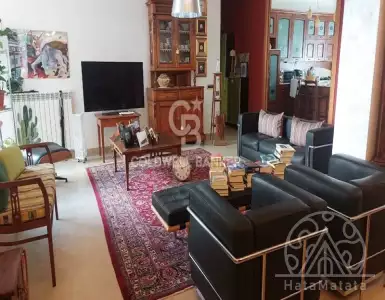
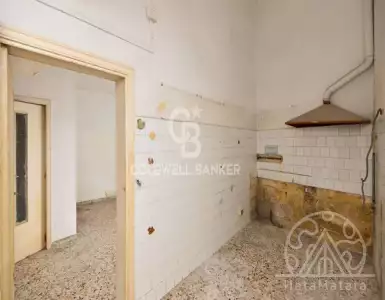
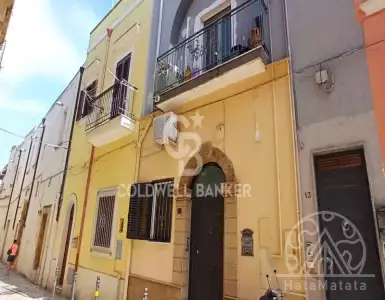
Flats in Campaign
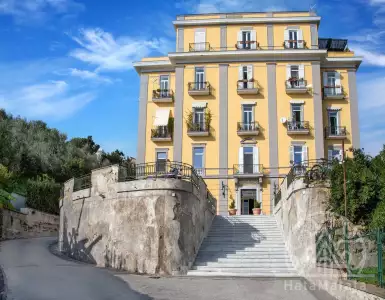
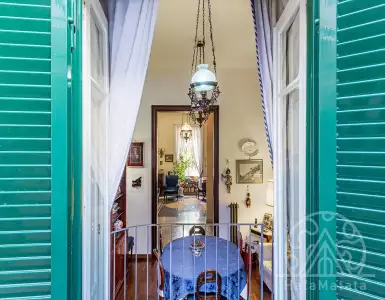
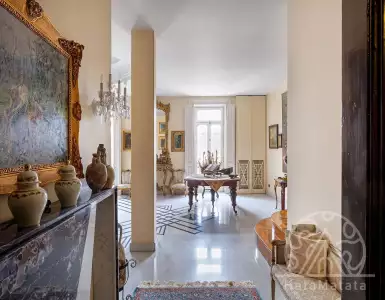
Flats in Emilia-Romagna
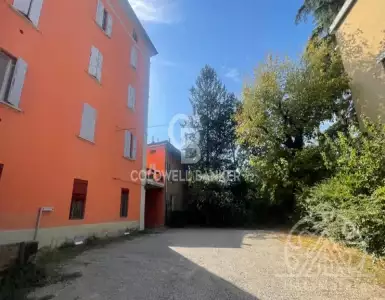
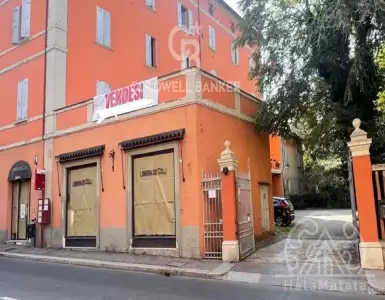
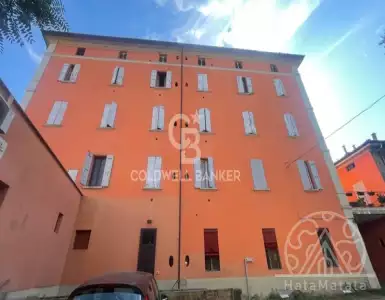
Flats in Sicily
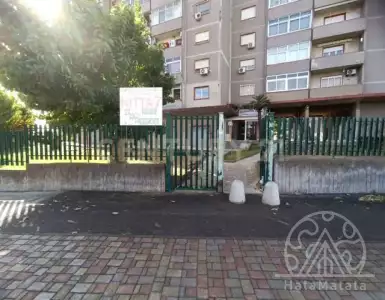
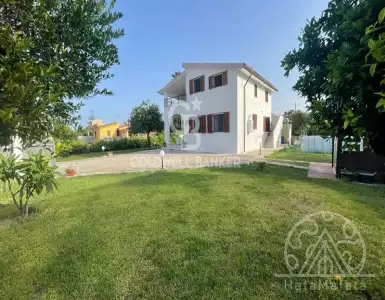
Flats in Liguria
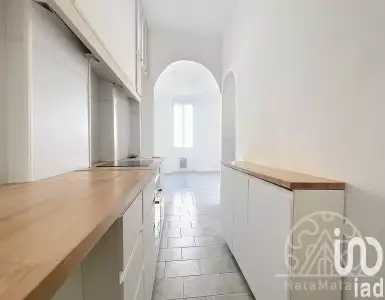
 2
68
2
68
 4
129
4
129
Flats in Calabria
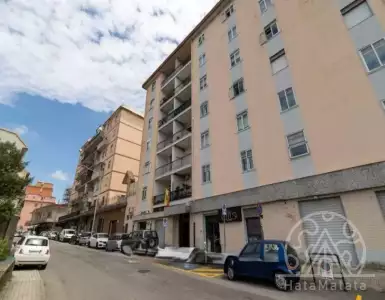
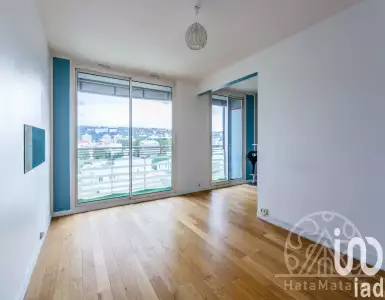 3
87
3
87
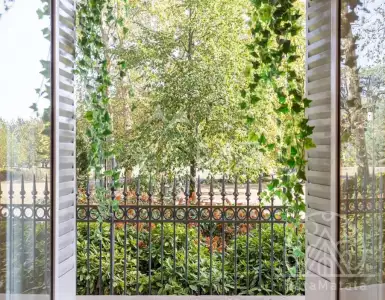 3
3
231
3
3
231
Flats in Lazio
Flat in Italy
- 🔸 Reliable new buildings and ready-made apartments
- 🔸 Without commissions and intermediaries
- 🔸 Online display and remote transaction
International Real Estate Consultant
Leave a request and our manager will contact you.
International Real Estate Consultant
Individual selection flats in Italy
Save time — for free we will select objects for your budget and goals
🇮🇹 Legal requirements, taxes and notary fees for owning a flat in Italy
Buying a flat in Italy is a practical mix of lifestyle appeal and measurable investment logic for private buyers and investors alike. Italy’s geography, transport networks, cultural sites, and regional economies shape demand and price differentiation across Milan, Rome, Florence, Venice, Naples, Bologna, Turin, Sardinia and Sicily. Whether you are looking to Buy flat in Italy for relocation, holiday rental, long-term tenancy, or pure capital appreciation, this guide gives dense, evidence-based direction on markets, prices, legal steps, taxes and financing.
🗺️ How Italy’s geography and infrastructure influence Flat in Italy demand
Italy’s elongated shape creates distinct micro-markets: the industrialized north centered on Milan and Turin, the cultural central belt with Rome and Florence, and the tourism-driven south and islands including Naples, Sicily and Sardinia. Coastal and lakefront assets (Amalfi Coast, Portofino, Lake Como, Costa Smeralda) attract premium buyers, while university cities (Bologna, Pisa) drive steady rental demand.
Major transport nodes determine liquidity: Malpensa, Linate, Fiumicino, Marco Polo, Marco Polo, high-speed rail lines (Frecciarossa linking Milan–Bologna–Florence–Rome–Naples) and ports (Genoa, Naples, Venice) support short-term rental and business travel. Infrastructure-led regeneration like Milan’s CityLife and Porta Nuova have increased local Flat for sale in Italy values and rental occupancy.
Climate belts matter for buyer profiles: alpine and northern lake properties see strong seasonal tourism and premium winter/summer occupancy; Mediterranean climates in Liguria, Tuscany, and Sardinia support year-round tourism and second-home markets. These geographic and infrastructure factors concentrate demand in specific corridors, raising liquidity for centrally located flats and lowering it for remote rural stock.
💶 How the Italian economy and tax environment shape Investment flat in Italy
Italy’s economy is diversified: strong manufacturing and finance in the north, robust tourism in the central and southern regions, and an expanding services sector in cities. GDP growth is moderate and tourism flow remains robust, directly feeding short-let demand in Rome, Venice, Amalfi Coast and island resorts. Business hubs generate stable long-term occupancy and lower vacancy rates for flats aimed at corporate or professional tenants.
Tax regime and administrative costs influence ROI on flat in Italy. Registration taxes and annual property levies affect net yields; IMU rates typically range between 0.4–0.76% of cadastral value, and stamp duties/registration taxes for resale purchases can be 2% for primary residence or 9% for second homes (applied to cadastral value). These fiscal metrics shape investor decisions on buy-to-let versus long-term hold.
Foreign investor sentiment is supported by established legal frameworks and banking availability; however, bureaucracy and regional differences in planning and permitting add friction and can lengthen timelines for renovations or conversions. Liquidity favors well-located flats with strong transport or tourist infrastructure.
💶 How much Flat costs in Italy and price breakdowns by city and format
Property prices vary significantly by city, location and property condition. Central Milan and prime Rome command the highest per-square-meter values, while peripheral southern cities and smaller towns are substantially cheaper.
- Milan (central): $6,500–$12,000 per sqm; new developments in CityLife/Porta Nuova premium.
- Rome (historic center): $5,000–$9,500 per sqm; EUR and Prati slightly lower.
- Florence/Venice: $4,500–$10,000 per sqm depending on proximity to historic core.
- Bologna/Turin: $2,000–$5,500 per sqm.
- Naples/Palermo: $1,200–$3,500 per sqm.
- Sardinia (Costa Smeralda) and Lake Como luxury: $8,000–$25,000+ per sqm for villas and luxury flats.
Property formats and typical price bands:
- Studios (30–45 sqm): $60,000–$350,000 depending on city and centrality.
- 1-bedroom (50–70 sqm): $120,000–$600,000.
- 2-bedroom (70–120 sqm): $200,000–$1,500,000.
- New developments typically carry a 10–20% premium over comparable resale units.
Market dynamics show increasing buyer interest for compact units in prime locations (Milan and Florence) and steady demand for holiday flats in southern coastal areas.
🚆 Which region of Italy to choose for buying flat based on infrastructure and rental demand
Location choice depends on buyer purpose: business, student rental, holiday income, or long-term capital growth. Northern cities excel for corporate renters; university towns provide stable student demand; coastal areas and islands offer seasonal yields and capital gains in luxury segments.
- Business and finance: Milan (Porta Nuova, CityLife), Turin.
- Cultural tourism and art markets: Florence, Rome, Venice.
- Student and academic demand: Bologna, Pisa, Padua.
- Luxury and seasonal demand: Lake Como, Amalfi Coast, Costa Smeralda, Sicily (Taormina).
Transport factors:
- High-speed rail and international airports increase occupancy and resale value.
- Proximity to metro lines or tram corridors in Milan and Rome lifts rental yield and liquidity.
- Ferry and marina access matters for coastal premium flats.
🏗️ Developers and flagship projects offering Flat in Italy
Leading developers and project names shape supply and standards across the country. Institutional groups and international players have active residential pipelines.
- COIMA — masterplans including Milan’s Porta Nuova and related residential towers.
- Generali Real Estate / CityLife S.p.A. — CityLife masterplan in Milan with apartment buildings and high-end services.
- Hines Italy — mixed-use projects and redevelopment schemes in Milan and Rome.
- Beni Stabili / Covivio — central urban regeneration and residential conversions.
- Impresa Pizzarotti and Gruppo Caltagirone — regional residential developments and restorations.
Notable projects:
- CityLife (Milan) — luxury apartments near shopping and tram/metro nodes.
- Porta Nuova (Milan) — high-density mixed-use regeneration with premium apartments.
- Forte Village Resort developments (Sardinia) — branded residences for high-net-worth clients.
🏦 Mortgage Italy for foreigners and flat in Italy with mortgage or installment plan conditions
Italian banks offer mortgages to non-residents under clear criteria: proof of income, tax compliance, and a codice fiscale. Typical conditions vary by lender and buyer profile.
- LTV ratios for foreigners commonly 50–70%, occasionally up to 80% for EU residents with strong credit.
- Interest rates historically range from around 2.5% to 5% depending on fixed or variable products and borrower risk.
- Loan terms generally up to 20–30 years; early repayment penalties depend on contract.
Banks and lenders:
- Major lenders offering mortgages to foreigners: UniCredit, Intesa Sanpaolo, BNP Paribas (BNL), Monte dei Paschi.
- Developer installment plans: staged payments during construction (30% deposit, balance on completion) or bespoke flat in Italy with installment plan options for select projects.
🧭 Step-by-step Legal process to buy flat in Italy
The purchase pathway follows well-established stages designed to protect buyer and seller. Each step involves documentation and specific payments.
- Preliminary agreement (compromesso) with deposit (caparra) typically 10–20% of price.
- Due diligence: title search, urban planning and cadastral checks, mortgage/encumbrance clearance.
- Final deed (rogito) signed before a notary, balance payment and registration of transfer.
- Timeline: from offer to deed commonly 2–6 months, longer for off-plan and renovation projects.
Practical items:
- Obtain an Italian codice fiscale, open a local bank account, and instruct a local lawyer or notary to review contracts.
- The notary is impartial and registers deeds; buyer pays notary and registration taxes at closing.
- Use escrow or bank guarantees for staged payments on off-plan purchases.
⚖️ Legal ownership, Property taxes in Italy for foreigners and rental rules
Ownership is secure under Italian law but subject to ongoing local taxes and regulatory requirements for rentals and short lets.
- Annual taxes: IMU (municipal property tax) 0.4–0.76% of cadastral value for second homes; TARI for waste collection varies by municipality.
- Purchase taxes: registration tax 2% (primary residence) or 9% (second home) of cadastral value for purchases between private parties; VAT applies on new builds (commonly 4%/10%/22% depending on usage).
- Rental regulations: short-term rentals require municipal registration and local tourist taxes in many cities; long-term leases are regulated by national tenancy laws with standard durations.
Important legal clarifications:
- Buy flat as a foreigner in Italy is straightforward; purchase does not automatically grant residency. Residence permit through flat investment in Italy and Golden visa through flat investment in Italy are generally not available solely via property purchase; separate investor visa or other residence routes have different thresholds and requirements.
🎯 Which buyer profiles suit buying Flat in Italy and where to focus
Different buyer goals map to specific regions and product types.
- Living and relocation: families and professionals prefer Milan (Porta Nuova/Brera), Rome (Prati/Parioli) for schools, hospitals, and commuting ease.
- Seasonal residence and luxury: Lake Como, Amalfi Coast, Costa Smeralda, Porto Cervo for waterfront flats and branded residences.
- Rental and investment: student cities Bologna, Padua, Pisa, tourist hubs Rome, Florence, Venice, and business centers in Milan deliver stable rental demand and competitive Rental yield for flat in Italy between 3–6% gross.
- Premium investment: central historic flats in Florence and Venice offer strong capital preservation and limited supply.
Property types by scenario:
- Serviced apartments and new-build condos for business travel and corporate leasing.
- Traditional historical flats and renovated units for short-term vacation rentals.
- Bulk portfolios and multi-unit buildings in university cities for higher aggregated ROI on flat in Italy.
Market prospects for flat in Italy remain solidly linked to tourism resilience, infrastructure investment, and selective urban regeneration projects that concentrate liquidity in corridors around Milan, Rome and key coastal resorts. Demand from international buyers continues to target both lifestyle assets and income-producing flats; with disciplined due diligence, conservative financing, and attention to local tax regimes, investors can expect steady rental performance and potential capital appreciation, particularly for well-located flats near transport hubs, universities, or iconic destinations.
Frequently Asked Questions
How much does a flat cost in Italy?
Prices vary widely by area. City centres (Milan, Rome) typically €3,000–8,000/m²; secondary cities €1,500–3,000/m²; small towns/rural €500–1,500/m². A compact 1‑bed can be €80k–€300k in smaller towns and €200k–€800k in major cities; luxury coastal/mountain flats often exceed €1M. (Prices in € shown; USD values vary with exchange rates.)
Can owning a flat help with residency in Italy?
Owning a flat in Italy can prove accommodation but does not automatically grant residency or citizenship. Residence routes include work permits, student visas, family reunification, elective residence (proof of stable income and housing), and the investor visa (investment types exclude simple property purchases). Each route has distinct requirements and documentation.
What taxes apply when buying a flat in Italy?
Common taxes: registration tax 2% of cadastral value for qualifying first homes, 9% for other residential resales; VAT 4%/10%/22% on some new-build purchases (depends on status and property); fixed cadastral/mortgage taxes often €50 each; annual IMU property tax varies by municipality (often 0–1% of cadastral value). Capital gains may apply if sold within 5 years.
How long does buying a flat in Italy take?
Typical timeline: offer and preliminary contract (compromesso) then final deed (rogito). With no complications, from compromesso to rogito 30–90 days is common; mortgage approval can add 30–60 days. Complex due diligence, planning issues or inheritance cases can extend this timeline.
Can foreigners get a mortgage for a flat in Italy?
Yes. Italian banks lend to non-residents but terms differ: non-resident LTV often 50–70%; residents 60–80%. Lenders require ID, income proof, tax returns and property valuation. Interest rates, loan length (often up to 20–30 years) and conditions depend on borrower profile and bank policy.
Can I use a flat for short-term rentals in Italy?
Short-term/tourist rentals are common but rules vary by municipality. Many cities require registration, tourist tax collection, safety compliance and local codes; some limit or ban short lets in specific zones. Income is taxable; check local regulations and condominium rules before marketing a flat for short lets.
What are ongoing costs for owning a flat in Italy?
Ongoing costs: condominium fees €50–€400+/month depending on services; utilities €100–€300/month; annual IMU property tax (municipal rate varies); home insurance, routine maintenance and unexpected repairs. Budget 1–2% of property value per year for upkeep; costs vary widely by location and building type.
How do I check a flat's legal status in Italy?
Do legal checks: obtain land registry (Conservatoria) and cadastral (Catasto) extracts to confirm ownership and any mortgages/charges; verify planning permits and building conformity with the local municipality; request the energy performance certificate (APE); ensure no outstanding condominium debts. Use a notary or qualified lawyer to validate documents.
Is it easy to rent out a flat in Italy?
Renting demand is strong in major cities, university towns and tourist areas. Typical gross rental yields range 3–6% nationally, higher in niche markets. Long-term tenancy laws favor tenants, so contracts and deposits must be correct; short-term lets face local regulation. Marketability depends on location, condition and local demand.
What is living in Italy like if I relocate?
Living in Italy offers strong public healthcare (SSN), varied education (public/private), good urban transport and regional rail; quality of life is high but costs vary: expect €800–€2,500/month living costs depending on city and lifestyle. Broadband and coworking are good in cities, making many areas suitable for digital nomads and remote workers, while rural zones have slower connectivity.
Real estate types in Italy
- Houses in Italy (630)
- Villas in Italy (184)
- Castles in Italy (87)
- Shops in Italy (23)
- Offices in Italy (21)
- Penthouses in Italy (12)
- Hotels in Italy (7)
- Lands in Italy (7)
- Chalets in Italy (1)
Real estate types by regions of Italy
- Flats in Lazio (127)
- Flats in Lombardy (85)
- Flats in Tuscany (62)
- Flats in Umbria (52)
- Flats in Liguria (33)
- Flats in Campaign (30)
- Flats in Sicily (22)
- Flats in Piedmont (15)
- Flats in Venice (12)
- Flats in Puglia (12)
- Flats in Abruzzo (10)
- Flats in Calabria (10)
Properties by Region
- Flats in Tuscany (465)
- Flats in Umbria (276)
- Flats in Lazio (201)
- Flats in Lombardy (162)
- Flats in Liguria (83)
- Flats in Campaign (60)
- Flats in Piedmont (32)
- Flats in Sicily (35)
- Flats in Venice (28)
- Flats in Puglia (27)
- Flats in Abruzzo (21)
- Flats in Calabria (18)
- Flats in Veneto (14)
Properties by Country
- Real estate in Bulgaria (11439)
- Real estate in Montenegro (5333)
- Real estate in Spain (5197)
- Real estate in Indonesia (2424)
- Real estate in Turkey (2317)
- Real estate in Portugal (2037)
- Real estate in Croatia (1682)
- Real estate in Cyprus (1658)
- Real estate in Italy (1567)
- Real estate in Thailand (1565)
- Real estate in Greece (1121)
- Real estate in France (1070)
- Real estate in USA (732)
- Real estate in Georgia (507)
- Real estate in Serbia (246)
- Real estate in Slovenia (125)
- Real estate in Egypt (20)
Don't know where to start buying a property in Italy?
Leave a request and receive free advice on prices, taxes, residence permits and the real estate market. in Italy.

Maria Guven
Head of Direct Sales Department
+90-507-705-8082