


Flat in Umbria
Do you want to buy flat in Umbria? We'll tell you where to start

Liliya
International Real Estate Consultant
Need help choosing a property?
Leave a request and our manager will contact you.
International Real Estate Consultant
Flat in Umbria
Do you want to buy flat in Umbria? We'll tell you where to start
Liliya
International Real Estate Consultant
Need help choosing a property?
Leave a request and our manager will contact you.
International Real Estate Consultant
Selection flats in Umbria in 15 minutes
Leave a request and we will select the 3 best options for your budget
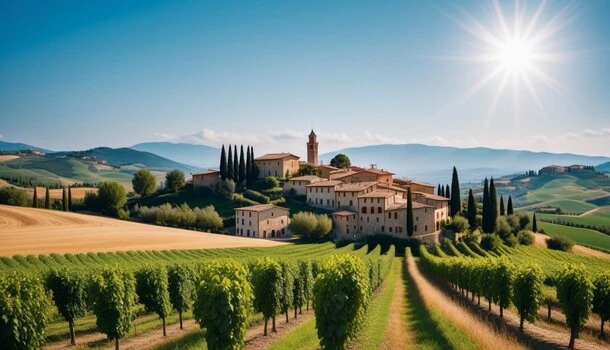
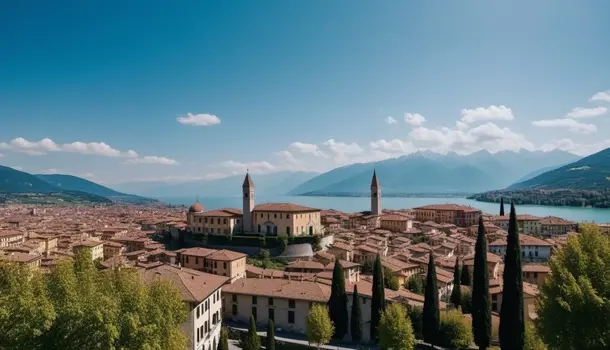
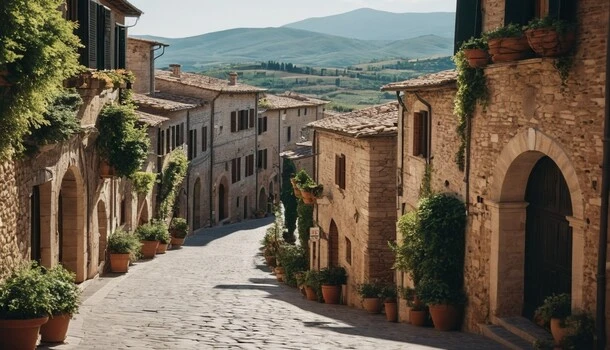
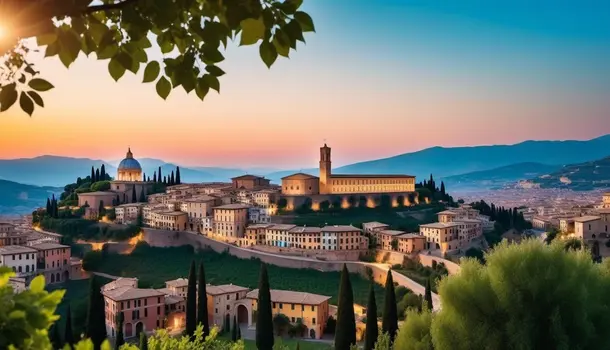
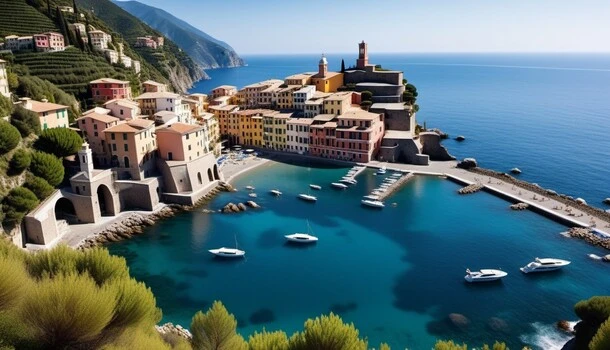
Weather in Umbria
 !
!
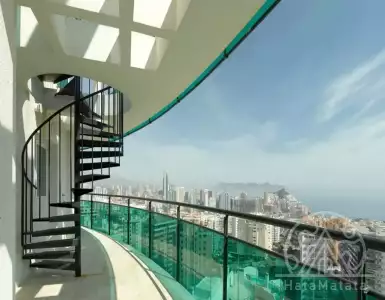
For sale Flat , Spain 212 831 $
📌 A few apartments for sale in Cala de Finestrat - a cozy place between Benidorm and Vieijahoyosa with a...
 !
!
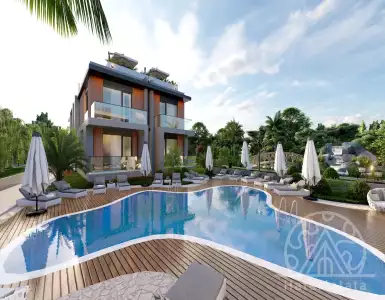
Flat for sale , Cyprus 127 442 $
The new residential complex is located in the foothills of Alsanjak. The complex consists of two two-storey buildings. Block A - 12...
For Sale flat in Umbria
Flats in Perugia
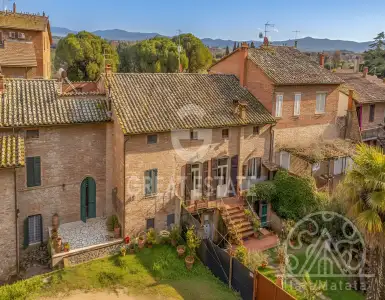

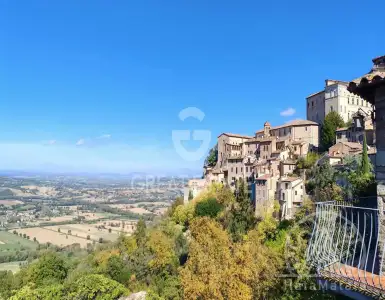
Flats in Terney
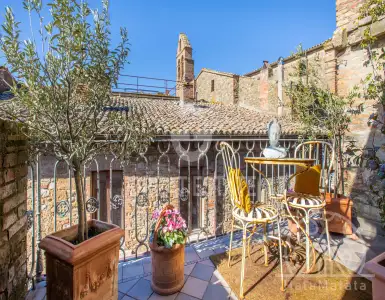
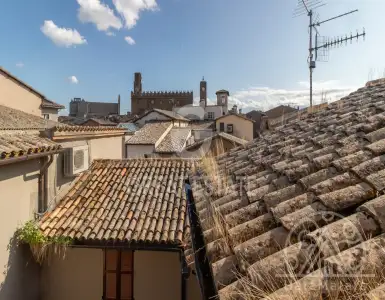
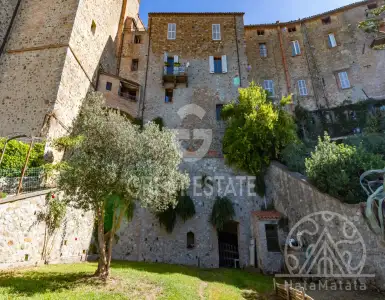
Do you want to buy flats in Umbria? We'll tell you where to start
Leave a request and we will select the 3 best options for your budget
International Real Estate Consultant
Flats in Pietralunga
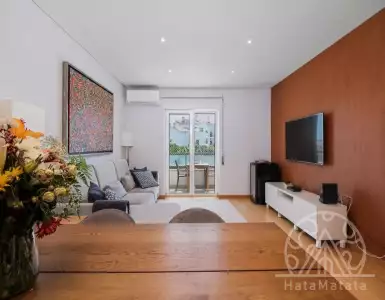
 4
4
 2
2
 126
126
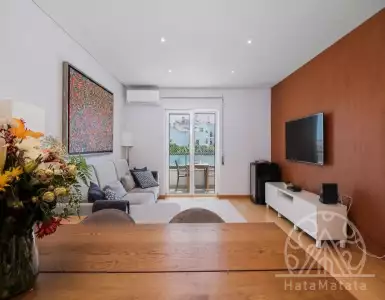 3
4
186
3
4
186
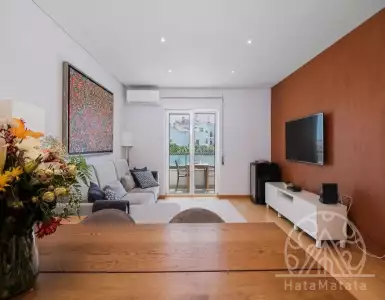 3
2
106
3
2
106
Flats in Bevanya
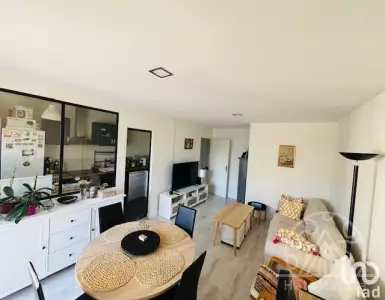
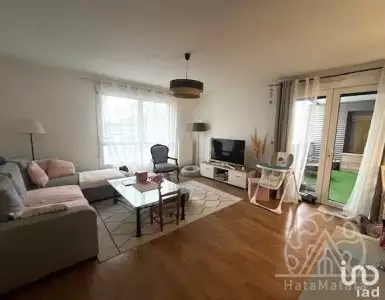
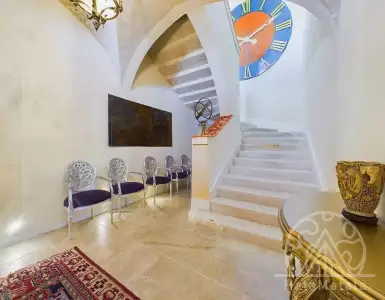
Flats in Maggione
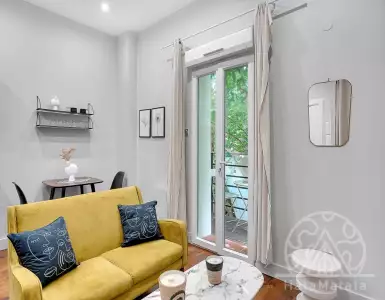
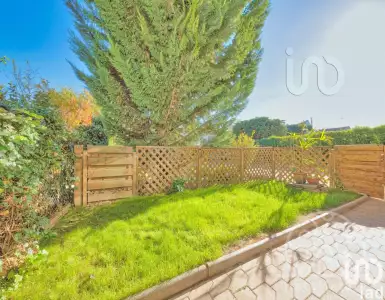
Selection flats in Umbria in 15 minutes
Leave a request and we will select the 3 best options for your budget
🇮🇹 Buying a flat in Umbria: market overview, average prices and legal steps
Buying a flat in Umbria, Italy, blends the rustic charm of traditional Italian life with modern conveniences and a vibrant economy. This sun-kissed region, often referred to as the “Green Heart of Italy,” boasts rolling hills, historic towns, and a cozy atmosphere that attracts both private buyers and investors. From breathtaking landscapes to a rich cultural heritage, Umbria presents an enticing opportunity for those looking to purchase property in one of Italy's most serene locales.
🌄 Characteristics of Umbria and Factors Influencing Flat Purchases
Umbria's geography is marked by lush hills, serene valleys, and picturesque towns such as Perugia, Assisi, and Terni, each offering unique lifestyles and amenities. The region's moderate climate, with warm summers and mild winters, makes it an attractive destination year-round. This pleasant weather contributes to the popularity of flats, attracting both domestic and international buyers.
The infrastructure in Umbria is another key aspect influencing the purchase of flats. The region is well-connected by roads and railways, providing easy access to major cities and other Italian regions. Perugia, the regional capital, boasts an international airport, ensuring that travel is convenient for foreign buyers and tourists alike. Moreover, the growing business centers in towns like Foligno and Spoleto enhance the demand for urban flats, catering to professionals and families.
Tourism is a vital part of Umbria’s economy, with millions visiting its historic sites, festivals, and natural beauty each year. The influx of tourists supports a thriving rental market, making it an ideal location for investment in flats. Locations such as Lake Trasimeno and the Valnerina region are particularly desirable, combining scenic beauty with a vibrant atmosphere. Thus, the demand for flats continues to rise, driven by both lifestyle choices and investment potential.
💰 Economic Landscape and Investment Climate in Umbria
Umbria's economy is largely stable, supported by agriculture, tourism, and a growing service sector. The region's GDP has shown consistent growth, bolstered by an increased focus on sustainable tourism and local produce. The tourism sector alone contributes significantly to the economy, encouraging local businesses and influencing the real estate market positively.
The investment climate in Umbria is favorable for those looking to buy a flat. Moving beyond traditional agriculture, the region has attracted various enterprises, particularly in the hospitality and food industry. This diverse economy results in a steady influx of professionals and expatriates seeking long-term rental and purchasing options, contributing to strong liquidity in the flat market.
Additionally, the tax burden in Umbria remains competitive compared to other Italian regions, making it an appealing choice for both domestic and foreign buyers. Property taxes on flats are reasonable, generally ranging from 0.4% to 0.8% of the property value, depending on the location and type of residence. This attractive tax environment further enhances the region's appeal for investment in flats, as buyers can expect a decent ROI on their properties.
📈 Prices for Flats in Umbria: An In-Depth Analysis
The prices for flats in Umbria can vary significantly based on location, property condition, and amenities. On average, one can expect to pay approximately €1,500 to €3,000 per square meter. Here’s a breakdown of flat prices in various cities and districts:
-
Perugia:
- Average price: €1,800 - €3,000/m²
- Popular areas: Centro Storico, Pinciano
-
Assisi:
- Average price: €2,000 - €3,500/m²
- Known for its historical significance and tourist appeal
-
Terni:
- Average price: €1,200 - €2,200/m²
- Emerging business hub, attracting professionals
-
Spoleto:
- Average price: €1,500 - €2,800/m²
- Offers a blend of history and tranquility
-
Foligno:
- Average price: €1,100 - €2,500/m²
- Excellent infrastructure with good rental potential
The flat market dynamics in Umbria show steady appreciation, driven by both local and foreign interest. The demand for modern flats in new developments is particularly high, with buyers willing to pay a premium for new constructions complete with contemporary amenities. This trend also highlights the growth of new developments of flats in Umbria, catering to a discerning clientele.
🌍 Key Cities and Districts for Flat Purchases in Umbria
When it comes to choosing the right location for buying a flat, several cities and districts stand out in Umbria. Each offers its unique benefits:
-
Perugia: The capital city is known for its vibrant cultural life, historical sites, and educational institutions. The availability of both modern and historical flats makes it a preferred choice for students, families, and expatriates.
-
Assisi: Famous for its religious heritage, Assisi attracts investors looking for flats with potential for seasonal rentals, capitalizing on the influx of pilgrims and tourists.
-
Terni: As a growing industrial center with a lower cost of living, Terni appeals to those seeking affordable flats in a dynamic urban environment.
-
Spoleto: Its charm lies in its historic architecture and cultural events. Buying a flat here offers both a peaceful lifestyle and the possibility of vacation rentals.
-
Foligno: Known for its strategic location and modern infrastructure, Foligno provides an excellent opportunity for rental investments and appeals to those seeking a blend of city and countryside life.
🏗️ Leading Developers and Projects in Umbria
In Umbria, several developers stand out for their quality construction and dedication to creating desirable living spaces. Here are some key players in the market:
-
Beni Stabili: Known for their luxury developments across Perugia, their projects often feature modern amenities and environmentally sustainable designs.
-
Pirelli RE: A significant name in the real estate market, they focus on creating community-friendly developments, emphasizing green spaces and lifestyle-centric housing.
-
Cevital: This developer specializes in creating residential complexes that blend traditional Umbrian aesthetics with modern living requirements, particularly in towns like Assisi and Spoleto.
Flat offerings typically range from cozy studios to spacious three-bedroom apartments, catering to various buyer preferences. Many properties are equipped with communal amenities such as fitness centers, gardens, and pools, enhancing their attractiveness for both personal use and rental potential.
🏦 Mortgage and Installment Options for Foreign Buyers in Umbria
Foreign buyers interested in purchasing flats in Umbria will find financing options available through local banks. Mortgage rates generally hover between 2% and 4%, depending on the lender and the buyer's financial standing. Here are some key points regarding mortgage and installment conditions:
- Down Payment: Typically, banks require a down payment of around 20% to 30% of the property's value.
- Duration: Mortgages can range from 15 to 30 years, allowing for flexible repayment schedules.
- Developer Installment Plans: Some developers offer attractive financing options, allowing buyers to make installment payments during the construction period or after purchase. Plans may include:
- Up to 40% during construction and the balance upon completion.
- Flexible payment schedules that adapt to buyer capabilities.
Obtaining a mortgage for a flat in Italy can be streamlined with support from local real estate agents and financial advisors familiar with the process for foreigners.
📝 Step-by-Step Guide to Buying a Flat in Umbria
Navigating the process of buying a flat in Umbria is straightforward if you are well-informed. The steps typically include:
- Selection: Identify the desired location and property type, considering personal needs and budget.
- Reservation: Once a suitable flat has been found, securing it with a reservation deposit is common.
- Due Diligence: Conduct thorough checks on the property's legality, including ownership status and urban planning regulations.
- Contract Signing: A preliminary contract is signed, setting out terms and conditions, usually accompanied by a further deposit.
- Payment: Final payment arrangements should be made, either via mortgage or cash.
- Registration: The property must be registered with the local land registry, and a notary public will facilitate this process, ensuring all legalities are satisfied.
There are several mandatory costs associated with purchasing, including notary fees, registration taxes, and potential agency fees, which typically range from 1% to 3% of the property value.
📜 Legalities of Owning a Flat in Umbria
Owning a flat in Umbria involves several legal considerations that potential buyers must understand. Key aspects include:
-
Rental Rules: Regulations around renting out property vary, but generally, short-term rentals require specific permits. It is vital to be aware of local laws to avoid penalties.
-
Property Taxes: Buyers should budget for property taxes, which can include IMU (municipal property tax) and TASI (tax for indivisible services), averaging around 0.4% to 0.76%.
-
Contract Registration: Contracts must be registered with the local authority to secure ownership, often facilitated by a notary.
-
Residence Permits: A flat purchase may open pathways to residence permits. Minimum investment thresholds apply depending on the residency type sought.
-
Citizenship Opportunities: Investing in real estate may also lead to options for citizenship, with specific financial thresholds set for investors seeking citizenship through property in Italy.
🏡 Target Purposes for Buying a Flat in Umbria
Buying a flat in Umbria can serve various purposes, depending on individual needs and preferences:
-
Permanent Living: The serene lifestyle and vibrant culture make Umbria a suitable choice for relocating families seeking a peaceful environment.
-
Seasonal Residence: Many buyers opt for properties to use as holiday homes, taking advantage of the region's beauty and attractions.
-
Rental Investment: With increasing demand among tourists and expatriates, flats in urban areas can provide lucrative rental yields.
-
Investment: Those looking for appreciation potential often find Umbria's flats a wise choice, combining scenic beauty with economic stability.
-
Property for Family and Children: Families purchasing for future generations may prefer larger flats in towns with excellent schools and amenities.
Areas like Perugia and Assisi offer numerous options for both residential and investment properties, meeting the needs of diverse buyers.
The flat market in Umbria continues to flourish, presenting various opportunities for both personal living and investment pursuits. With a healthy economic outlook, competitive property prices, and a rich cultural backdrop, investing in a flat in this beautiful region proves to be an attractive proposition for buyers from all walks of life.
Frequently Asked Questions
Region-wide prices typically range from about €600 to €3,000 per m². City centres (Perugia, Assisi) commonly sit around €1,200–€2,500/m²; provincial towns (Terni, Spoleto) €900–€1,500/m²; rural hamlets and countryside €600–€1,200/m². Fully restored or luxury historic flats can exceed €2,500–€3,000/m². Small town 1–2 bed flats often sell from under €100,000 to €180,000.
Italy offers visas/permits like elective residence, work, student and investor visas. Owning a flat in Umbria can serve as proof of accommodation for some applications (e.g., elective residence) but does not automatically grant residency or citizenship. Applicants still must meet income, insurance and visa-specific requirements set by Italian authorities.
Umbria offers a quiet, rural lifestyle with medieval towns, regional hospitals (Perugia, Terni), public schools, and basic public transport; major airports are within 1–2 hours. Broadband is common in towns but rural connectivity can vary. Good for families, retirees and remote workers if you choose towns with reliable internet and local services.
Typical steps: search, negotiate, sign a preliminary contract (with a 10–20% deposit), complete due diligence, and sign the final deed before a notary. Completion timelines commonly run 30–120 days. Expect notary fees, registration taxes or VAT depending on seller type, and the need for an Italian tax code and bank account for transactions.
Yes. Historic centres are often protected by cultural heritage rules; any external or structural work usually needs permission from the municipality and heritage authorities (Soprintendenza). Approvals can take weeks to months and require conservation-compliant methods and materials, which raises costs and extends timelines.
Owners face IMU (property tax) and TARI (waste), plus local service fees. IMU rates vary by municipality (commonly 0.4%–1% of the cadastral value). Rental income can be taxed under ordinary IRPEF (progressive rates) or cedolare secca (flat regimes like 10%/21% depending on contract). Annual running costs for a medium flat typically range €1,000–€3,500.
Yes—short‑term rentals perform best in Perugia, Assisi, Orvieto and popular hill towns, with high season in spring–autumn and quieter winters. You must register the activity with local authorities, comply with municipal rules and declare rental income for tax. Occupancy and returns vary widely by town and property quality.
Yes. Italian banks commonly lend to non‑residents with typical LTVs of about 50%–70% (often lower for non‑EU buyers). Lenders require proof of income, a codice fiscale, and documents translated/verified; approval timelines vary but often take 30–90 days. Interest rates and conditions depend on applicant profile and lender policies.
Verify land registry (catasto), clean title and absence of mortgages/servitudes, building permits and compliance, condominium rules/minutes, APE energy certificate, seismic classification and any heritage restrictions. Use a local notary and, if needed, a surveyor to confirm boundaries and legal status before signing the preliminary contract.
Many Umbrian flats, especially older ones, have poor insulation and older heating systems. An APE (energy certificate) is required and often shows low ratings in historic properties. Annual heating costs for a medium apartment typically run €600–€2,000 depending on insulation, altitude and heating type; upgrades to improve efficiency can be cost-effective long term.
Properties by Region
- Flats in Tuscany (418)
- Flats in Lombardy (372)
- Flats in Umbria (323)
- Flats in Lazio (210)
- Flats in Liguria (133)
- Flats in Campaign (60)
- Flats in Piedmont (58)
- Flats in Sicily (35)
- Flats in Venice (31)
- Flats in Calabria (27)
- Flats in Puglia (26)
- Flats in Abruzzo (20)
- Flats in Veneto (14)
Properties by Country
- Real estate in Bulgaria (11408)
- Real estate in Montenegro (5370)
- Real estate in Indonesia (2423)
- Real estate in Spain (2289)
- Real estate in Portugal (1975)
- Real estate in Italy (1893)
- Real estate in Turkey (1699)
- Real estate in Cyprus (1588)
- Real estate in Thailand (1565)
- Real estate in Croatia (1431)
- Real estate in Greece (1080)
- Real estate in USA (1013)
- Real estate in France (1006)
- Real estate in Georgia (519)
- Real estate in Serbia (328)
- Real estate in Slovenia (123)
- Real estate in Egypt (23)
Free real estate consultation in Umbria
Don't know which area to choose in Umbria? We will tell you in which areas it is better to live or invest, and show you the appropriate options.

Maria Guven
Head of Direct Sales Department
+90-507-705-8082