


Villa in Italy


Choosing a property in Italy for your request
- 🔸 Reliable new buildings and ready-made apartments
- 🔸 Without commissions and intermediaries
- 🔸 Online display and remote transaction
Our managers will help you choose a property

Liliya
International Real Estate Consultant
Need help choosing a property?
Leave a request and our manager will contact you.
Our managers will help you choose a property
Liliya
International Real Estate Consultant



Weather in Italy
For Sale villa in Italy
Villas in Umbria

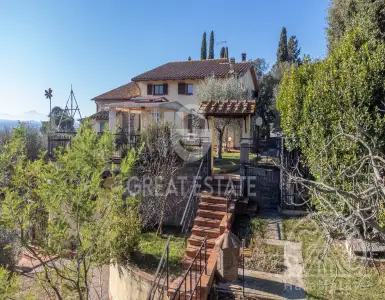
Villas in Piedmont
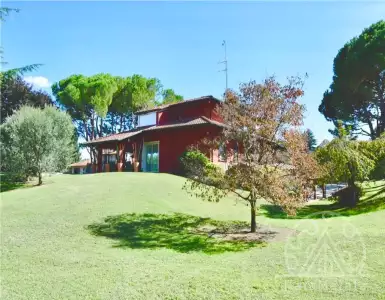
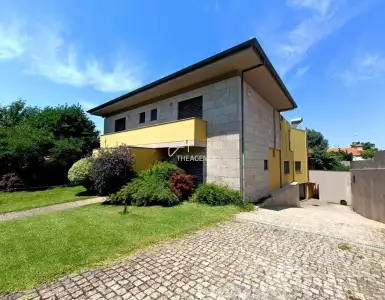
 5
5
 6
6
 295
295
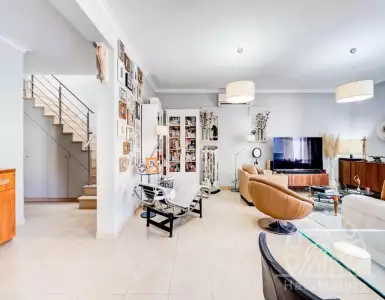 4
3
163
4
3
163
Choosing a property in Italy for your request
- 🔸 Reliable new buildings and ready-made apartments
- 🔸 Without commissions and intermediaries
- 🔸 Online display and remote transaction
Our managers will help you choose a property
Liliya
International Real Estate Consultant
Villas in Tuscany

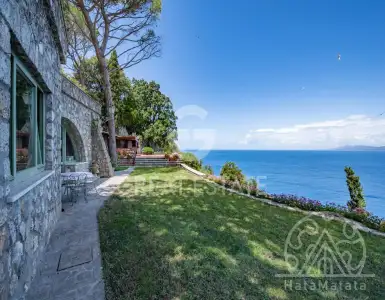
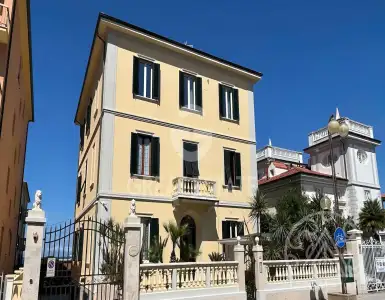
Villas in Lazio
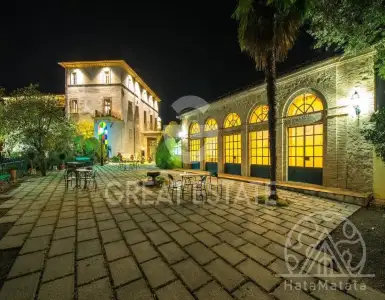

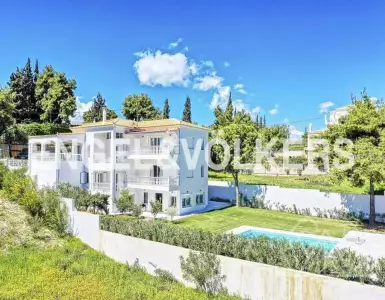
Villas in Liguria
 7
4
910
7
4
910
 4
3
230
4
3
230
 4
3
250
4
3
250
Villas in Lombardy

Villa in Italy
Choosing a property in Italy for your request
- 🔸 Reliable new buildings and ready-made apartments
- 🔸 Without commissions and intermediaries
- 🔸 Online display and remote transaction
Our managers will help you choose a property
Liliya
International Real Estate Consultant
Need help choosing a property?
Leave a request and our manager will contact you.
Our managers will help you choose a property
Liliya
International Real Estate Consultant
Individual selection villas in Italy
Save time — for free we will select objects for your budget and goals
🇮🇹 Villa in Italy: legal, tax and renovation considerations for non-resident buyers
Buying a villa in Italy combines lifestyle, reliable tourism demand and varied investment profiles across regions from Milan to Sardinia. This guide distills geography, market data, prices, developers, financing, legal rules and practical steps so private buyers and institutional investors can evaluate options like a villa in Italy for personal use, rental income or portfolio diversification.
💶 How much Villa costs in Italy
Italy's villa prices span wide ranges driven by location, sea view and heritage status; prices start at roughly $300,000 for renovated country villas in inland Tuscany and Puglia and reach $30,000,000+ for exceptional waterfront estates on the Amalfi Coast or Costa Smeralda. Typical size bands: small villas 80–150 m², family villas 150–400 m², luxury estates 400–1,500+ m² with private land from 500 m² to 50+ hectares. New developments near major transport hubs command premiums versus rural restorations.
City-by-city price anchors and common formats:
- Milan outskirts and Lake Como fringe: $800,000 – $8,000,000 for villas and high-end townhouses.
- Rome (Parioli, Olgiata) and Vatican-adjacent suburbs: $1,000,000 – $10,000,000.
- Amalfi Coast / Positano / Ravello: $2,000,000 – $25,000,000 for sea-facing villas.
- Costa Smeralda / Porto Cervo (Sardinia): $1,200,000 – $30,000,000.
- Tuscany (Chianti, Val d’Orcia) and Umbria restorations: $350,000 – $6,000,000.
Buyers looking to Buy villa in Italy will find different cost structures for new-builds versus resales and for detached villas versus shared estate projects; always budget for renovation, maintenance and tax items beyond the headline price.
🎯 Which region of Italy to choose when buying villa in Italy
Southern coastal markets like Amalfi, Capri, Sicily (Taormina) and Sardinia (Costa Smeralda, Porto Rotondo) sell premium lifestyle and short-term rental demand driven by luxury tourism and yacht access from ports such as Olbia and Cagliari. Northern lakefront markets — Lake Como (Bellagio, Tremezzo), Lake Garda — combine high-value buyers and proximity to Milan Malpensa (MXP) and Linate (LIN) airports, ideal for international owners.
Central regions provide balanced options: Tuscany (Florence, Chianti, Lucca) and Umbria deliver restored farmhouses and villas popular for long-term rentals and relocations with lower entry prices and strong heritage appeal; Florence region connects to Florence Peretola (FLR) and high-speed rail to Rome. Urban-edge villas near Milan, Rome, Naples serve executives and expats seeking convenient infrastructure and school networks.
Choose a region by intended use and liquidity expectations:
- Short-term luxury rental: Amalfi Coast, Capri, Sardinia, Lake Como.
- Long-term rental and family relocation: Tuscany, Umbria, Puglia (Masseria estates).
- Capital appreciation and easy travel: Milan, Rome suburbs, Veneto (Venice, Verona).
🏗️ Developers and projects offering Villa in Italy
Large institutional developers and boutique restoration specialists both participate in villa markets; international and Italian groups shape urban-to-coastal offerings. Major names with residential portfolios and luxury projects include COIMA (Milan CityLife, Porta Nuova investor projects), Hines Italy (mixed-use residential and redevelopment), Covivio (urban residential portfolios) and local specialists such as Risanamento. In the luxury hospitality-linked segment, brands like Mandarin Oriental operate properties around Lake Como and Florence with branded residences.
Relevant projects and destinations where villas cluster:
- CityLife and Porta Nuova (Milan) — city regeneration with premium townhouses and gated villas nearby.
- Costa Smeralda / Porto Cervo — estate developments and bespoke luxury villas marketed by local agencies and consortia.
- Amalfi Coast restorations (Positano, Ravello) often handled by boutique architects and local developers specializing in cultural heritage.
- Tuscan agriturismo conversions — numerous firms executing restorations into villa complexes for rental and sale.
When evaluating developers, inspect track record on permits, heritage renovations and after-sales management; established developer names and branded residences reduce delivery and quality risk for an Investment villa in Italy.
🏦 Mortgage Italy for foreigners and villa in Italy with installment plan
Foreign buyers can access Italian mortgages and developer finance, though lending terms differ from domestic borrowers. Banks commonly offer financing up to 50–70% of purchase price for non-residents, in special cases up to 80% for EU citizens with strong credit; down payments therefore typically 20–50%. Mortgage Italy for foreigners options include fixed-rate and variable-rate loans with maturities up to 20–30 years, subject to income verification, tax identification (codice fiscale) and local property appraisal.
Practical financing points:
- Required documents: passport, proof of income, tax returns, Italian bank account, codice fiscale, property appraisal.
- Typical bank conditions: foreign-sourced income may require translation and consular legalization; lenders price risk accordingly.
- Developers often offer staged payments or villa in Italy with installment plan on new builds: initial reservation deposit (often 5–10%), progress payments tied to construction milestones, final balance at deed.
Search for local branches of international banks (Unicredit, Intesa Sanpaolo) and specialist lenders; negotiate pre-approval and verify interest reset clauses before committing to buy villa as a foreigner in Italy.
🧾 Legal process to buy villa in Italy
The Legal process to buy villa in Italy follows established steps enforced by notaries and public registries. First sign a preliminary contract (compromesso) that sets price, deposit (caparra) — commonly 10% — and conditions; then proceed to due diligence including land registry (visura catastale) and checking mortgage or easement encumbrances. A final deed (rogito) is executed before a notary who handles registration, tax calculations and transfer to the Land Registry.
Key procedural stages and timings:
- Title checks and cadastral verification typically take 1–4 weeks depending on complexity; heritage or landscape protections add time.
- Notary role: impartial public officer who collects taxes, registers the deed and issues certificato catastale.
- Payments: staged per contract; final payment at rogito followed by immediate registration; foreign buyers must open an Italian bank account for tax payments.
Buyers should engage an English-speaking Italian lawyer and independent surveyor to verify structural condition, historic restrictions and energy performance certificate (APE) before signing any binding document.
⚖️ Property taxes in Italy for foreigners and ownership rules
Property taxation combines purchase taxes and ongoing municipal levies; Property taxes in Italy for foreigners mirror those for residents with specific nuances on primary residence status. Purchase taxation on resale between private parties typically uses registration tax rates: 2% for qualifying primary residence purchases and 9% for second homes, calculated on cadastral value; new builds from developers are often subject to VAT (IVA) with typical bands 4% (first home), 10% (ordinary), 22% (luxury) with registration and cadastral taxes applied instead of standard registration tax.
Ongoing taxes and rental taxation:
- Municipal IMU applies to second homes and luxury properties and can range up to 0.5–1% of cadastral value depending on municipality.
- Waste tax (TARI) and municipal service charges apply annually.
- Rental income taxed under progressive IRPEF or optional flat-rate schemes (cedolare secca) at fixed rates for residential leases; non-resident owners face similar reporting obligations.
Buying a property does not automatically grant residency or citizenship; Residence permit through villa investment in Italy and Golden visa through villa investment in Italy are not standard pathways, as Italian investor visa rules focus on direct capital investments (government bonds, companies) rather than property purchases.
📈 Economy, tourism and ROI on villa in Italy
Italy is a high-value market with the third-largest economy in the EU, diversified tourism and robust international demand that underpin villa liquidity in prime areas. Tourism brings tens of millions of international visitors annually across hotspots — Rome, Venice, Florence, Amalfi Coast, Sardinia and Lake Como — sustaining short-term rental markets and seasonal occupancy spikes. Business hubs (Milan, Rome) add corporate demand for executive villas and serviced residences.
Investment indicators and returns:
- Rental yield for villa in Italy varies: prime tourist hotspots can deliver gross yields of 3–7% during peak seasons; year-round net yields typically lower after management and taxes.
- ROI on villa in Italy depends on location: luxury coastal and lakefront properties have historically preserved capital and delivered occasional double-digit appreciation for standout assets, while rural restorations provide stable rental income and lifestyle value.
- Liquidity is highest in Milan, Rome suburbs, Lake Como, Amalfi Coast and Costa Smeralda, moderate in Tuscany and Puglia, slower in remote inland provinces.
Investors should model both short-term rental turnover and long-term capital appreciation, factoring in maintenance, management and Italian tax regimes.
🏙️ Top cities and regions in Italy to buy Villa
Demand clusters around specific cities and regions where transport, infrastructure and international appeal intersect. Key markets:
- Milan (city outskirts, Lake Como corridor): proximity to Malpensa (MXP), high-net-worth buyers and corporate executives.
- Rome (Parioli, Olgiata, Appia Antica): historic appeal, international institutions, accessibility via Fiumicino (FCO).
- Lake Como (Bellagio, Tremezzo) and Lake Garda: luxury lakefront villas and branded residences.
- Amalfi Coast / Positano / Ravello and Capri: ultra-high-end seasonal demand and yacht access.
- Costa Smeralda / Porto Cervo (Sardinia): private marinas, luxury hotel services and elite buyer profile.
- Tuscany (Florence, Chianti, Val d’Orcia) and Puglia (Ostuni, Polignano a Mare): agrarian estates, masserie conversions and lifestyle buyers.
Each region offers differing rental seasonality, infrastructural proximity (high-speed rail, airports, ports such as Genoa and Civitavecchia) and foreign buyer concentration, driving price divergence and rental dynamics.
🏡 Which buyers should Buy villa in Italy and typical uses
Italy suits a spectrum of buyer profiles and uses: primary residents, seasonal homeowners, families seeking relocation, rental operators and institutional investors. Match examples:
- Family relocation and schooling: villas in Milan suburbs or Rome’s residential rings, sized 150–400 m², near international schools.
- Seasonal luxury rental and lifestyle: Amalfi Coast, Capri, Lake Como, Costa Smeralda villas with private moorings and concierge services, often 300–1,000+ m².
- Holiday rental and agritourism conversion: Tuscany and Puglia masserie, offering multiple units and high occupancy for cultural tourists.
- Institutional or portfolio investment: clusters of restored villas near Florence or Milan for high-end short-stay management and branded residences.
Choosing the right format — standalone villa, gated estate, branded residence or converted farmhouse — depends on intended yield, occupancy patterns and tolerance for renovation and management.
Market prospects remain positive for prime locations and differentiated products offering heritage, waterfront or unique access to international transport. Demand from foreign buyers persists for Lake Como, Amalfi, Sardinia and Tuscan estates, while improved infrastructure and urban regeneration projects maintain steady interest in Milan and Rome corridors, supporting liquidity and selective price appreciation for well-located villas.
Frequently Asked Questions
Country-wide villa prices vary by region and condition. Expect €50k–€150k for rural fixer-uppers, €150k–€400k for typical countryside villas, €400k–€1.5M in coastal/Tuscany/Lakes areas, and €2M+ for prime historic or waterfront villas. Prices depend on location, accessibility, and restoration needs.
Owning a villa does not automatically grant residency. Options for long stays include the Elective Residence visa (stable private income and accommodation proof), the Investor Visa (typical investments: €2M govt bonds, €1M equity, €500k philanthropy or lower amounts for startups), work permits/EU Blue Card, family reunification and long-term residence after 5 years. A villa can document accommodation for applications.
Italy offers high quality of life, public healthcare (SSN) plus private options, good schools in cities, varied transport and regional differences. Monthly living costs: roughly €1,200–€3,000 depending on town and lifestyle. Broadband and services are strong in urban and many tourist areas; remote workers do well if reliable internet and residency are in place.
For resale: registration tax typically 2% of cadastral value for qualifying primary homes, 9% for other purchases; fixed cadastral and mortgage taxes €50 each. For new-builds from a developer: VAT at 4% (primary), 10% (ordinary) or 22% (luxury). Expect notary fees (roughly 1–2.5% of declared value) and land registry checks and related costs.
Main ongoing charges: IMU municipal property tax (commonly 0.4–0.76% of cadastral value; primary homes often exempt), TARI waste tax based on property size/occupancy, income tax on rental income, condominium fees, utilities and insurance. Exact IMU and TARI rates vary by municipality.
Yes. Italian banks lend to non-residents; typical loan-to-value (LTV) for non-residents is 50–70% of purchase price, higher for residents (60–80%). Lenders require passport, codice fiscale, bank statements, proof of income and property appraisal. Terms, rates and documentation vary by bank and borrower profile.
Yes—permits depend on the work. Ordinary maintenance often needs no permit; structural changes require SCIA or a permesso di costruire from the local comune. Historic or listed villas need approval from heritage authorities. Always check local zoning rules and submit required plans before major works.
Yes, but rules vary by municipality. You may need to register the property with local authorities, collect tourist tax, meet safety/fire requirements, and declare rental income for taxation. Short-term offers can be taxed under ordinary IRPEF or specific regimes; yields vary by location (roughly 2–6% gross annually depending on demand).
Typical steps: negotiate and sign a preliminary offer with deposit, sign a preliminary contract (compromesso) with a 10–30% deposit, perform due diligence (land registry, mortgages, APE energy certificate), then finalize at a notary (rogito) who registers the deed; pay remaining price, taxes and fees at closing.
Yes. Historic villas may be subject to heritage protections and need approvals from soprintendenza for alterations. Italy has seismic zoning; works may require seismic compliance and special permits. Significant energy and seismic retrofit incentives exist that can reduce costs, but approvals and standards depend on local rules.
Properties by Region
- Villas in Tuscany (424)
- Villas in Lombardy (372)
- Villas in Umbria (334)
- Villas in Lazio (210)
- Villas in Liguria (133)
- Villas in Campaign (60)
- Villas in Piedmont (58)
- Villas in Sicily (35)
- Villas in Venice (31)
- Villas in Calabria (27)
- Villas in Puglia (26)
- Villas in Abruzzo (20)
- Villas in Veneto (14)
Properties by Country
- Real estate in Bulgaria (11408)
- Real estate in Montenegro (5186)
- Real estate in Indonesia (2423)
- Real estate in Spain (2289)
- Real estate in Portugal (1975)
- Real estate in Italy (1910)
- Real estate in Turkey (1699)
- Real estate in Cyprus (1594)
- Real estate in Thailand (1565)
- Real estate in Croatia (1431)
- Real estate in Greece (1082)
- Real estate in USA (1013)
- Real estate in France (1006)
- Real estate in Georgia (519)
- Real estate in Serbia (328)
- Real estate in Slovenia (123)
- Real estate in Egypt (23)
Don't know where to start buying a property in Italy?
Leave a request and receive free advice on prices, taxes, residence permits and the real estate market. in Italy.

Maria Guven
Head of Direct Sales Department
+90-507-705-8082