


House in Cetinje
Do you want to buy house in Cetinje? We'll tell you where to start

Liliya
International Real Estate Consultant
Need help choosing a property?
Leave a request and our manager will contact you.
International Real Estate Consultant
House in Cetinje
Do you want to buy house in Cetinje? We'll tell you where to start
Liliya
International Real Estate Consultant
Need help choosing a property?
Leave a request and our manager will contact you.
International Real Estate Consultant
Selection houses in Cetinje in 15 minutes
Leave a request and we will select the 3 best options for your budget
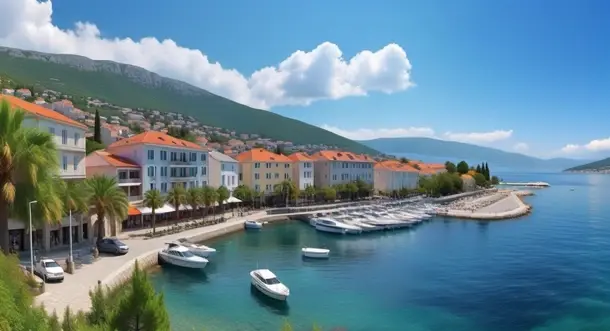
Weather in Cetinje
 !
!
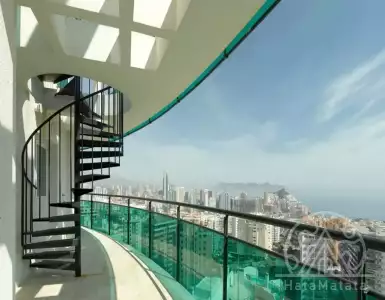
For sale Flat , Spain 210 942 $
📌 A few apartments for sale in Cala de Finestrat - a cozy place between Benidorm and Vieijahoyosa with a...
 !
!
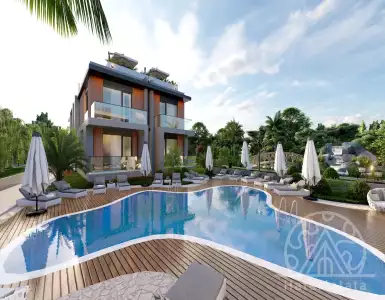
Flat for sale , Cyprus 125 285 $
The new residential complex is located in the foothills of Alsanjak. The complex consists of two two-storey buildings. Block A - 12...
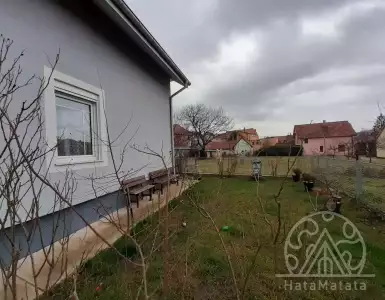
For Sale house in Cetinje
Houses in Cetinje
 4
4
 150
150
 5
133
5
133
 3
208
3
208
Didnt find the right facility?
Leave a request - we will handle the selection and send the best offers in a short period of time



Irina Nikolaeva
Sales Director, HataMatata
Selection houses in Cetinje in 15 minutes
Leave a request and we will select the 3 best options for your budget
🇲🇪 House purchase considerations and market overview for Cetinje region, Montenegro
Cetinje, a picturesque town situated in Montenegro, is rapidly becoming an attractive location for those looking to buy a house. Characterized by its rich history and stunning landscapes, Cetinje not only offers enchanting views but also a diverse real estate market that appeals to private buyers, families, and investors. It’s essential to understand the elements that contribute to the housing market in this remarkable destination, including its geographical features, economic environment, property prices, and more.
🌄 Exploring the Allure of Cetinje: Geography and Lifestyle
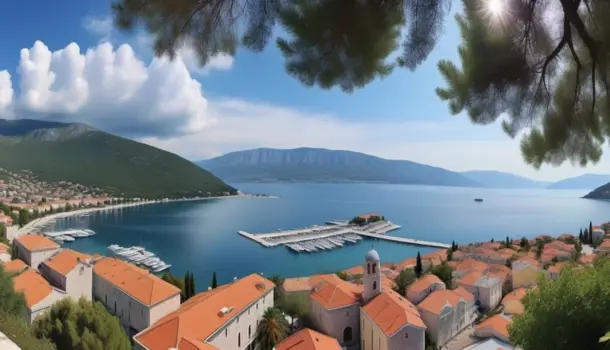
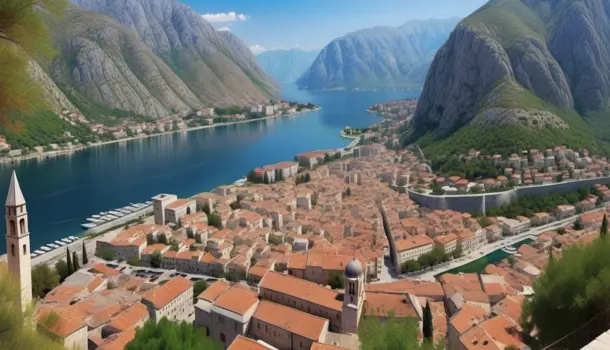
Cetinje boasts a unique geographical location in the heart of Montenegro, nestled within the monthly peaks of Lovćen National Park. With a moderate Mediterranean climate, the region enjoys warm summers and mild winters, making it a pleasant destination year-round. The combination of breathtaking natural surroundings and proximity to major cities like Podgorica (just 35 km away) enhances its appeal.
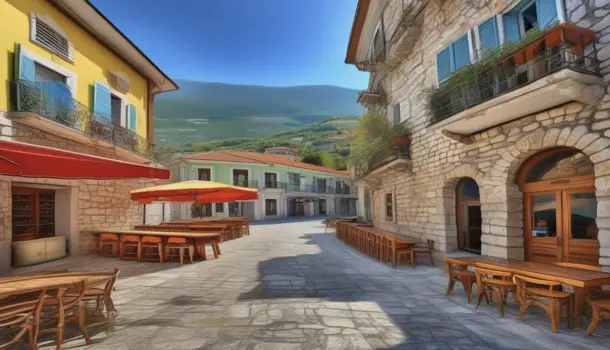
The town is not solely known for its natural beauty; it also encompasses a vibrant cultural and historical scene. As the former royal capital, Cetinje is home to numerous museums, galleries, and historical sites. This cultural richness, paired with a laid-back lifestyle, positions the region as an ideal choice for both relocation and vacation homes. Notably, the diverse local amenities, such as schools, shops, and access to healthcare, make living in Cetinje convenient for families and retirees alike.
Real estate demand is increasingly driven by the region’s tourist potential, with attractions like the Njegoš Mausoleum and an array of outdoor activities, including hiking and biking. Given its appealing lifestyle, many buyers are considering investing in houses in various formats, from traditional styles to modern residences, signaling a robust growth trend in the housing market.
💼 Understanding the Economic Dynamics of Cetinje
The economy of Cetinje is intrinsically linked to tourism, which significantly influences property sales and investments. Montenegrin tourism has been robust, with an influx of visitors significantly contributing to local GDP. This growth suggests a promising investment climate, making it an appealing option for individuals looking to buy house in Cetinje. Moreover, prospective homeowners can benefit from a business-friendly environment, enhanced by relatively low taxation rates, which foster property investments.
Tourist flows positively impact the demand for rental properties, leading to an increase in rental yields. With approximately 2 million visitors annually, buyers can expect lucrative returns on investment in the housing sector. The real estate market is characterized by competitive prices, particularly in popular districts, contributing to its dynamic appeal.
In terms of property trends, the average house price in Cetinje has shown steady growth, making it not only attractive to home-seekers but also to investors. With appealing economic prospects and favorable conditions for entrepreneurship, investing in a house in Cetinje allows buyers to tap into a lucrative rental market while enjoying the region's beauty.
💲 Dissecting Prices for House in Cetinje
When considering a purchase, understanding the current market prices is crucial. The price for a house in Cetinje can vary widely based on location, size, and property condition. On average, you might expect to pay:
- €80,000 - €120,000 for smaller homes (2-3 bedrooms) in the central districts.
- €150,000 - €250,000 for larger family homes (4-5 bedrooms) with spacious yards, especially near the outskirts.
- New developments offering modern amenities can range from €200,000 to €400,000 or more, depending on features and proximity to local attractions.
The Cetinje Old Town is particularly sought after by both local and foreign buyers for its historical charm, where houses can range from €120,000 to €300,000. Meanwhile, properties in Mališići and Pavino Polje may offer more competitive prices, making them favorable for first-time buyers or those seeking vacation homes.
🏙️ Top Locations for Buying House in Cetinje
Several districts within Cetinje stand out for house purchases, each with unique advantages:
-
Cetinje Old Town: Known for its rich architectural style and cultural significance. This area attracts those drawn to history and aesthetics. Properties here are often in demand for vacations and permanent residences alike.
-
Mališići: This district offers more affordable housing options, making it popular among younger families and first-time buyers. The quiet environment is ideal for those seeking a peaceful lifestyle.
-
Pavino Polje: This emerging area features new developments and appealing housing options. It is gaining popularity among investors who recognize the potential for property appreciation.
These districts not only provide different price points and property types but also offer varying lifestyles, which is essential for buyers considering relocation or investment.
🏗️ Leading Developers and Projects in Cetinje
The real estate sector in Cetinje is home to several reputable developers, building quality houses tailored to modern buyers. Notable developers include:
-
Adriatic Properties: Known for their luxury projects in Cetinje, offering villas and apartments with stunning views and extensive amenities.
-
Montenegro Prospects: Specializing in various property formats, their developments are popular environments for family homes, with exemplary infrastructure and community planning.
-
Gulf Coast: Focused on sustainability, their homes are designed for both comfort and environmental consciousness, enhancing the region's appeal to eco-minded buyers.
New developments typically come with modern amenities like swimming pools, gardens, and secure parking areas. Payment terms are flexible, allowing buyers to choose between mortgage options or installment plans, catering to a wide range of financial situations.
🏦 Mortgage and Installment Plans for Foreign Buyers in Cetinje
Navigating the mortgage landscape in Cetinje can be straightforward for foreigners. Several banks in the region, offering mortgages specifically for houses, provide competitive rates typically ranging from 3.5% to 5%. Here’s a general overview of what to expect:
- Down payments usually hover around 20%-30% of the property's value.
- Loan tenors may extend up to 20 years, making monthly payments manageable.
- Some banks offer favorable terms on developer installment plans, providing flexibility in payment schedules.
These options significantly contribute to the feasibility of purchasing a house in Cetinje, allowing buyers to explore various financing avenues without excessive restrictions.
📜 Navigating the Legal Process of Buying House in Cetinje
The legal process surrounding the purchase of houses in Cetinje is clear-cut but involves several steps. Initially:
- Selection: Determine your budget, preferred locations, and property type.
- Reservation: Upon finding the ideal house, a reservation agreement is typically signed, securing the property.
- Due Diligence: It is essential to conduct thorough research into the property's ownership and legal status. Engaging a local lawyer may be advisable.
- Contract: Once due diligence is complete, both parties sign a formal sales contract, detailing all terms of the sale.
- Payment: Payment methods vary; clients can pay in full or through installment plans.
- Registration: The final step involves registering the property with the Cadastre, ensuring legal ownership.
An overview of additional expenses includes notary fees, which range from €200 to €1,000, as well as local property taxes.
⚖️ Understanding Ownership Rights and Property Taxes in Cetinje
Owning a house in Cetinje grants several rights and responsibilities, particularly concerning rental regulations and property taxes.
- Rental: Owners can rent out properties, leveraging the growing tourism-driven demand. Understanding local rental laws is crucial to avoid issues.
- Property Taxes: Generally, the tax burden on property owners is moderate in Montenegro. Annual property taxes typically amount to around 0.1% to 0.5% of the property’s assessed value.
- Residency and Citizenship: Foreign buyers can obtain a residence permit through property ownership, particularly if the purchase exceeds €100,000. This is a substantial incentive for those considering longer stays or relocation.
Investing in a house in Cetinje not only provides a place to call home but also opens up opportunities for generating rental income or enjoying the beautiful Montenegrin lifestyle.
🌍 Ideal Use Cases for Buying House in Cetinje
Buying a house in Cetinje can suit various lifestyle needs and investment strategies. Some of the most common scenarios include:
- Permanent Residence: Families and retirees are drawn to the family-friendly atmosphere and local amenities. Areas like Mališići and Pavino Polje are particularly appealing for longer stays.
- Vacation Home: The serene ambiance and proximity to natural attractions make Cetinje a perfect choice for seasonal residences.
- Rental Investment: With an increasing rental yield, purchasing a house in sought-after districts ensures a robust stream of income.
- Relocation: Many choose Cetinje for a change in environment, utilizing its appealing climate and vibrant culture.
Each of these use cases correlates to specific districts and property formats, reinforcing why Cetinje stands out in Montenegro’s real estate market.
The future of the housing market in Montenegro, particularly in segments like Cetinje, continues to exhibit resilience fueled by both local developments and foreign investments, promising an attractive landscape for buyers. Those looking to invest in a house in Cetinje will undoubtedly find compelling opportunities amid a rapidly evolving environment.
Frequently Asked Questions
Prices in Cetinje vary by condition and location: fixer-upper rural houses €25,000–€60,000 (~$27k–$65k); typical renovated town houses €70,000–€200,000 (~$76k–$218k); premium or fully restored properties near Lovćen €200,000–€450,000 (~$218k–$491k). Apartments often trade at about €700–€1,800/m². Expect lower prices than coastal Montenegro.
Montenegro issues short-stay tourist visas and national long-stay visas plus temporary residence permits for work, study, family reunion or economic reasons. Owning a house in Cetinje can support an application as proof of ties or funds, but property alone usually does not automatically grant residency or citizenship. Applications and requirements are handled by Montenegrin immigration authorities.
Cetinje offers a quiet, historic small-town life with basic healthcare services and local primary/secondary schools; larger hospitals and universities are in Podgorica (~30–40 min). Public buses connect to the coast and capital. Internet is generally available but speeds vary—suitable for many remote workers seeking low cost and calm, though co-working options are limited.
Short-term rentals are possible; demand is seasonal and tied to hiking, cultural festivals and nearby coastal tourism—higher in summer and festival weekends. Occupancy and rates are lower than coastal towns, so expect patchy high-season income and lower off-season bookings. Local regulations and tourist registration rules apply.
Foreigners can buy most residential property in Montenegro, including in Cetinje, but some land types (agricultural, forest, or border-zone parcels) may require special permits or reciprocity. Always verify title, zoning and any municipal restrictions with local authorities and a lawyer before purchase.
Common costs: property transfer tax often around 3% of sale price, VAT (21%) may apply to some new-build sales, plus notary and registration fees, cadastral costs and legal fees; agent fees typically 1–5% if used. Budget for a property survey and Municipal utility/connection charges where relevant.
Yes. Major structural changes or extensions require a building permit from the municipal administration. Houses in the historic centre may be subject to cultural-heritage protections and need approval from heritage authorities before alterations. Minor interior works often need only notifications; check local rules early.
Typical drive times by car: Podgorica about 30–40 minutes; Budva or the central coast 45–60 minutes depending on route and traffic; Podgorica airport ~40–50 minutes; Tivat airport ~60–75 minutes. Roads are mountainous, so seasonal weather can affect travel times.
Long-term rental yields in Cetinje tend to be modest: roughly 3–5% gross annually for long lets. Short-term, high-season gross yields can reach 4–8% but with lower occupancy off-season. Actual returns depend on property condition, location, management costs and seasonal demand.
Cetinje has a continental/mountain climate: cool winters with snow and mild to warm summers. Heating is needed several months (autumn–spring); common systems are wood, pellet stoves, or central heating in renovated buildings. Insulation and double glazing significantly reduce winter energy costs.
Properties by Region
- Houses in Budva (1571)
- Houses in Bar (1227)
- Houses in Tivat (738)
- Houses in Kotor (674)
- Houses in Herceg Novi (512)
- Houses in Ulcinj (161)
- Houses in Podgorica (72)
- Houses in Kolasin (55)
- Houses in Zabljak (33)
- Houses in Cetinje (11)
- Houses in Niksic (7)
Properties by Country
- Real estate in Bulgaria (11408)
- Real estate in Montenegro (5370)
- Real estate in Indonesia (2423)
- Real estate in Spain (2289)
- Real estate in Portugal (1975)
- Real estate in Italy (1900)
- Real estate in Turkey (1699)
- Real estate in Cyprus (1592)
- Real estate in Thailand (1565)
- Real estate in Croatia (1431)
- Real estate in Greece (1082)
- Real estate in USA (1013)
- Real estate in France (1006)
- Real estate in Georgia (519)
- Real estate in Serbia (328)
- Real estate in Slovenia (123)
- Real estate in Egypt (23)
Free real estate consultation in Cetinje
Don't know which area to choose in Cetinje? We will tell you in which areas it is better to live or invest, and show you the appropriate options.

Maria Guven
Head of Direct Sales Department
+90-507-705-8082