


100% Digital Cadastre by 2026: What Real Estate Greece Buyers and Investors Must Know

Greece’s cadastre is nearing the finish line — why real estate Greece is about to change
The Greek property market is about to pass a practical milestone that will affect buyers, sellers and investors across the country. According to Audit Report 5/2025 of the Hellenic Court of Audit, the national cadastre (κτηματολόγιο) is entering its completion phase with an ambitious timetable: 100% digital coverage by the end of 2026. For anyone active in real estate Greece — whether buying a holiday home, acquiring investment property or advising clients — this is a development you need to understand now.
In our analysis, the acceleration shown in the report is impressive but carries operational and legal risks that deserve attention. Below we unpack the numbers, explain what the new digital services mean for transactions and due diligence, and give practical steps buyers and investors should take in the months ahead.
What the audit report actually says: key figures and timelines
The Hellenic Court of Audit’s Audit Report 5/2025 provides a clear snapshot of where the cadastre project stands after nearly 30 years of implementation. These are the headline facts you should keep in mind:
- 27,850,000 rights are already in an operational Cadastre, accounting for over 71% of recorded property rights.
- 10,820,000 rights are in the publication phase, making up almost 28%.
- 100% digital Cadastre coverage is expected by the end of 2026.
- 600,000,000 pages from the archives of former mortgage registries have been digitized.
- 310,000 registrable acts have been completed using artificial intelligence for legal review.
- More than 1,000,000 digital transactions have been executed to date, including 560,000 in 2025 and 185,000 already in 2026.
- The switch from paper-based records to a fully digital cadastre will be completed by June 2026 for the paper-to-digital transition, with the overall target of country-wide digital operation by end-2026.
Those numbers are concrete. They show a system that is shifting from backlog-management to systematic completion, and they explain why transaction volumes are rising and clearance times are shortening.
What’s new: digital services and AI in the cadastre
Since 2021 twelve new digital services have been rolled out to speed up processes and reduce physical presence. Key services include:
- Electronic submission of registrable acts for professionals, citizens and public administration.
- Remote access to the cadastre database for licensed professionals and state bodies.
- Akinita.gov.gr, a portal for notaries to submit acts.
- myktima, a public property search interface for citizens.
- archive.ktimatologio.gr, the searchable archive of digitized former mortgage registry documents.
- enexyra.ktimatologio.gr, the Unified Electronic Pledge Registry for encumbrances.
- maps.gov.gr and maps.ktimatologio.gr, unified state map portals showing cadastral parcels and urban planning layers.
- Eisigites.ktimatologio.gr, an application used for electronic legal review and registration.
A decisive operational improvement has been the adoption of artificial intelligence for legal review. According to the audit, 310,000 registrable acts have been processed with AI assistance. This has accelerated legal checks and contributed to the steep rise in completed cases: 251,000 acts in 2024, 650,000 in 2025, and 247,000 in the first quarter of 2026. In March 2026 the system set a monthly record with 79,200 completed acts and certificates nationwide.
Practical implications for buyers, investors and agents
The move to a fully digital cadastre changes the mechanics of buying and owning property in Greece. Here is what matters for market participants:
- Faster closings. Digital submissions and AI legal review have cut processing times. If you are budgeting for a purchase, expect shorter escrow windows in many offices — especially in Athens and Thessaloniki where backlogs were reduced by 80% and 90% respectively.
- Clearer title evidence. The cadastre links geospatial maps to legal rights. That reduces ambiguity around parcel boundaries and title claims, which benefits mortgage lenders and foreign buyers wary of title risk.
- Easier due diligence. Public tools like myktima and the digitized archive let buyers and advisors verify documents and encumbrances earlier in the process. Use enexyra.ktimatologio.gr to check for pledges and mortgages.
- Reduced need for physical presence. Notaries and professionals can submit acts electronically through Akinita.gov.gr, which helps non-residents and expats manage transactions remotely.
- Higher transaction transparency. Digital records make it harder to hide encumbrances, informal agreements or unresolved disputes, which should reassure institutional investors.
At the same time, there are practical caveats:
- Transitional errors. Mass digitization and automated legal review reduce human bottlenecks but they can introduce systematic errors. We advise independent verification of critical documents until the new system has several quarters of stable operation.
- Legacy disputes. Properties with long-standing boundary or succession disputes may still require paper-trail verification and court decisions. The digitisation does not erase unresolved legal issues.
- Cybersecurity and access. Migration to cloud infrastructure aims to improve availability and protection. Still, investors should expect occasional service interruptions during migration windows and should keep local copies of essential documents.
How the cadastre affects prices, liquidity and mortgage lending
The cadastre will not cause an immediate price shock. However, over the medium term the following market effects are likely:
- Increased liquidity. Faster, safer transfers reduce transaction friction. More properties will come to market when sellers know title issues can be resolved quickly.






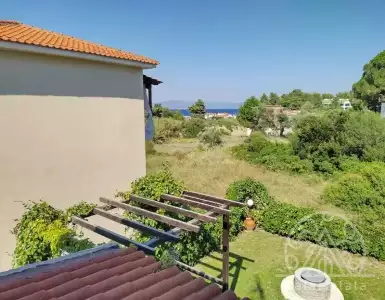
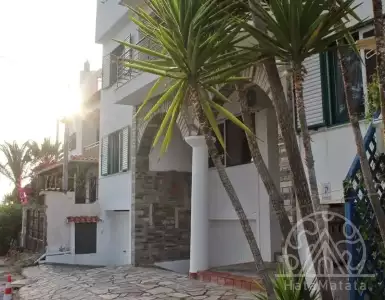

For investors, the takeaway is tactical: areas where the cadastre is fully operational will see the quickest improvements in transaction speed and lending. For properties still in the publication phase verify the exact cadastral status before committing funds.
Due diligence checklist for purchases in 2026
We recommend the following steps for any buyer or investor active in real estate Greece over the next 12–18 months:
- Confirm cadastral status: ask whether the property’s rights are in the operational cadastre or in the publication phase. Use myktima for basic checks.
- Obtain a digital extract: request the cadastre certificate or electronic extract from the notary using Akinita.gov.gr workflows.
- Check encumbrances: consult enexyra.ktimatologio.gr to confirm no pledges, mortgages or liens are registered.
- Verify archived documents: use archive.ktimatologio.gr to pull scanned mortgage registry papers if the title predates the cadastre.
- Request AI-reviewed legal notes: when possible, ask that registrable acts be processed through Eisigites.ktimatologio.gr or the notary’s electronic review procedure.
- Keep local backups: store downloaded certificates and scanned documents in secure local or private cloud storage in case of temporary system outages during migration.
- Use experienced local counsel: despite digital tools, complex succession or boundary disputes still require lawyers with cadastral experience.
Risks and unresolved issues to watch
The audit report celebrates progress, but it does not ignore remaining challenges. Key risks include:
- Residual backlog in smaller offices. Although Athens and Thessaloniki show big reductions, other areas may lag and require manual intervention.
- Data migration mistakes. Large-scale digitization and cloud migration risk mismatches between scanned documents and cadastral entries.
- Legal contestation. Digital registration can reveal conflicts, sparking legal challenges that slow transactions for individual properties.
- Dependence on AI review. AI accelerates checks, but it relies on quality input data and human supervision in borderline cases.
We advise investors to treat the cadastre as an improving infrastructure, not a finished guarantee. Ask for documented digital extracts and consider short legal escrow clauses that allow adjustments if an encumbrance emerges after registration.
What this means for foreign buyers and expats
Foreign buyers have long been cautious about Greek property because of title complexity and local variations in record keeping. The cadastre’s completion will:
- Make remote purchases simpler via electronic submissions and notary portals.
- Increase transparency on parcel boundaries, which is crucial for beachfront and island properties.
- Speed up mortgage approvals for buyers who rely on Greek banks, since lenders will be able to verify titles more quickly.
Yet non-resident buyers should:
- Use notaries familiar with Akinita.gov.gr workflows.
- Confirm the property is not in the publication phase or, if it is, obtain a clear timeline for registration.
- Factor in a potential short-term delay for properties that trigger previously unknown disputes after digital publication.
How agents and developers need to adapt
Real estate professionals will have to modernize operationally:
- Integrate digital checks into listing procedures so buyers can see cadastre status in listings.
- Train staff on the key portals: myktima, Akinita.gov.gr and enexyra.
- Update contracts to reference digital extracts and e-certificates rather than only paper deeds.
- Use electronic submission routines to cut closing times and reduce no-shows for in-person signings.
These changes will favour agencies and developers that adopt the new tools fast, increasing their throughput and client satisfaction.
Timeline recap and what to expect in the coming months
Here is a concise timeline based on the audit report:
- By June 2026: completion of the switch from paper-based records to a fully digital cadastre system.
- By end-2026: 100% of the country expected to be under the digital cadastre.
- Recent operational progress: 251,000 acts completed in 2024; 650,000 in 2025; 247,000 in Q1 2026. Athens and Thessaloniki saw backlog reductions of 80% and 90%.
Expect continued monthly records as the migration and AI workflows scale. But watch migration windows and scheduled maintenance during the cloud roll-out.
Frequently Asked Questions
Q: How can I check if a property is already in the operational cadastre? A: Use the public service myktima for an initial check and ask your notary for a digital extract from the cadastre. The audit lists myktima among the active digital services for citizen searches.
Q: Will the cadastre reduce title disputes overnight? A: No. The cadastre reduces many sources of ambiguity, but long-standing legal disputes can persist. The digitisation reveals problems faster, which may lead to more disputes being litigated in the short term.
Q: Are banks likely to offer better mortgage terms after completion? A: Lenders prefer clearer title evidence. As the cadastre becomes fully operational, mortgage underwriting should become faster and more predictable, which can improve terms in competitive markets.
Q: Is using AI in legal review safe for buyers? A: AI speeds up routine checks and has processed 310,000 registrable acts so far. However, AI is a tool and requires human oversight for nuanced legal questions; we recommend human review for complex transactions.
Final practical takeaway
The cadastre project moves Greece toward a modern, digital property registry that is already changing transaction speed and transparency. For buyers and investors the benefits are real: faster closings, easier due diligence and clearer title records. At the same time, expect transitional friction — verify cadastre status, obtain digital extracts and use digital encumbrance checks through enexyra.ktimatologio.gr before you commit funds. The report’s timetable points to 100% digital coverage by end-2026 and completion of paper-to-digital conversion by June 2026, which gives a clear window for when many of these improvements will become systemic.
We will find property in Greece for you
- 🔸 Reliable new buildings and ready-made apartments
- 🔸 Without commissions and intermediaries
- 🔸 Online display and remote transaction

International Real Estate Consultant

Subscribe to the newsletter from Hatamatata.com!
Subscribe to the newsletter from Hatamatata.com!
Popular Posts

We will find property in Greece for you
- 🔸 Reliable new buildings and ready-made apartments
- 🔸 Without commissions and intermediaries
- 🔸 Online display and remote transaction
International Real Estate Consultant

Subscribe to the newsletter from Hatamatata.com!
Subscribe to the newsletter from Hatamatata.com!
I agree to the processing of personal data and confidentiality rules of Hatamatata
Need advice on your situation?
Get a free consultation on purchasing real estate overseas. We’ll discuss your goals, suggest the best strategies and countries, and explain how to complete the purchase step by step. You’ll get clear answers to all your questions about buying, investing, and relocating abroad.



Sales Director, HataMatata