


GO Residential’s $2.8bn Acquisition Rewires Its US Real Estate Footprint

How a single deal changes a REIT’s exposure to the US real estate market
GO Residential REIT announced a deal that will materially reshape its exposure to the United States real estate market. In a transaction announced on August 11, 2026, GO agreed to buy 27 properties from H&R Real Estate Investment Trust for about US$2.8 billion, a package that increases GO’s portfolio almost fourfold and adds a large Sunbelt presence in markets such as Tampa, Dallas, Orlando, Miami, Raleigh, Austin and Charlotte. Our analysis explains what the numbers mean for investors, what risks remain, and why this matters to housing markets and REIT investors watching the US property sector.
Quick snapshot for investors
- Transaction price: approximately US$2.8 billion
- Properties acquired: 27 (including 23 Sunbelt multifamily properties totaling ~10,294 suites) plus interests in mixed-use and office assets
- Pro forma portfolio: ~13,300 suites across 35 properties in eight U.S. markets
- Consideration: 134,208,643 newly issued GO trust units + ~US$30 million cash plus assumption of debt
- Debt assumed: ~C$550 million in debentures and ~US$1.1 billion in property-level debt
- Expected close: Q4 2026 (subject to approvals)
Deal anatomy: what GO is buying and how it will pay for it
This is a unit-for-asset and debt assumption deal. GO will issue 134,208,643 new units to H&R’s unitholders and pay ~US$30 million in cash. It will also assume about C$550 million of H&R debentures (split between Series S and Series T) and ~US$1.1 billion of property-level debt. Following close, former H&R unitholders will indirectly own about 67% of GO Residential Operating LLC (OpCo) on a fully diluted basis; current GO unitholders and OpCo holders together would represent about 33%.
The package includes:
- 23 Sunbelt multifamily properties (~10,294 suites) in fast-growth U.S. markets
- A 50% interest in a mixed-use residential property in Miami
- A 50% interest in a luxury high-rise multifamily complex in New York City
- A Class A office tower in New York City and a mixed-use commercial/office asset in Dallas
The transaction is implemented through a statutory plan of arrangement and involves a purchaser consortium that includes funds affiliated with Blackstone, Crestpoint, PSP Investments, and a company controlled by the Hofstedter family.
Strategic rationale: diversification, scale and earnings
GO’s current portfolio is concentrated in New York City, comprising ten properties and 3,034 luxury suites. This acquisition materially diversifies that concentration by adding scale in the Sunbelt. Management’s stated rationale is threefold: geographic diversification, earnings growth and a stronger balance sheet.
Key strategic points:
- Geographic diversification: The Sunbelt properties are located in markets with above-average employment growth and net in-migration. That exposure reduces reliance on New York’s idiosyncratic multifamily cycle.
- Scale and cost efficiencies: The combined entity will be the second-largest publicly traded residential REIT in Canada by enterprise value and seventh-largest among U.S. residential REITs on a pro forma basis, which management expects will drive margin improvement and procurement savings.
- Earnings accretion: GO says the deal is expected to be accretive to FFO and AFFO on a per-unit basis, with ~US$15 million in run-rate annual synergies targeted from management and operational efficiencies.
- Increased liquidity and index prospects: The equity float expands by ~4x, improving trading liquidity and potentially enabling future index inclusion, which can attract more institutional investors.
From an investor perspective, this is a move from a tightly focused luxury-urban REIT to a mixed luxury-urban and Class A Sunbelt platform that competes in a different peer set. That reclassification may produce multiple re-ratings if execution goes to plan, but the path is not guaranteed.
Financial mechanics and balance-sheet impact
GO’s financing mix for this deal is heavily equity-based (new units) plus assuming substantial debt. Key numbers to watch:
- Consideration units: 134,208,643 newly-issued trust units
- Cash consideration: ~US$30 million
- Assumed debentures: C$550 million (Series S and Series T) and ~US$1.1 billion of asset-level debt
- Pro forma debt to EBITDA: Management estimates this ratio will decrease by more than ~2x at close, improving leverage metrics and preserving an investment-grade rating
- Synergies: ~US$15 million annualized expected from property management, procurement and corporate overhead savings
Why those items matter:
- Debt profile: Lower pro forma debt-to-EBITDA improves covenant headroom and refinancing flexibility. That can reduce funding costs over time, especially if the REIT keeps its investment-grade rating.
- Unit dilution: Issuing 134 million-plus units dilutes existing unitholders. However, GO projects per-unit FFO/AFFO accretion after synergies, meaning dilution is expected to be offset by higher earnings per unit.
- Liquidity: A ~4x expansion in unit float should improve bid-ask spreads and may open doors to institutional mandates that require minimum trading liquidity.
Our analysis: the financing balances equity dilution with an improved leverage profile. The success hinges on realizing the US$15 million of synergies and achieving the projected earnings lift per unit.
What this means for the US multifamily market and buyers
For buyers and investors tracking the US property market, this deal has several implications:
- Sunbelt strength recognized by cross-border capital: Major Canadian REITs and U.S. private capital continue to value Sunbelt multifamily for its demographic and employment tailwinds.
- Pressure on cap rates in Class A Sunbelt markets: Institutional demand for stabilized multifamily can keep cap-rate compression intact in high-growth metro areas, which affects acquisition pricing and expected returns for buyers.
- Portfolio risk management for investors: The deal is a reminder that geographic concentration creates valuation risk.



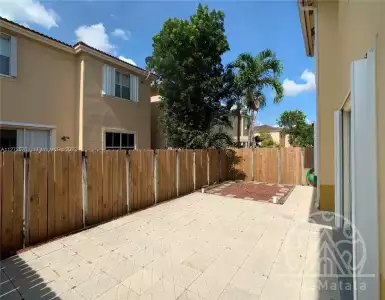



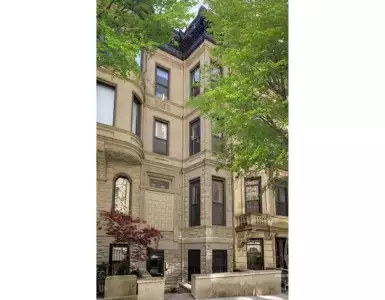
For prospective renters or owner-occupiers, there is no immediate direct effect from this corporate-level transaction. But for yield-focused investors, the combined platform’s higher liquidity and index eligibility could attract long-term passive capital into the public REIT sector, which indirectly affects pricing for comparable private transactions.
Integration risks and governance issues we are watching
The transaction includes a series of governance and closing mechanics that introduce execution risk:
- Approvals required: The deal must clear votes from both GO and H&R unitholders, court approval and regulatory consents including conditional TSX approval for the listing of the consideration units and Competition Bureau approval for the sale.
- Voting thresholds: The arrangement requires at least 66 2/3% support in certain H&R votes and a simple majority from GO unitholders on the issuance of the Consideration Units.
- Deal protections: Termination fees are in place: ~US$102 million payable by H&R if it accepts a superior proposal, ~US$27 million payable by GO under certain conditions, and a ~US$136 million reverse termination fee if the purchaser consortium fails to fund required cash.
- Board changes: Two trustees nominated by H&R will join GO's Board after closing.
Key execution risks:
- Realizing US$15 million of synergies depends on operational integration across markets and systems without changing the teams that manage the properties.
- Asset-level debt maturities and interest rate exposure remain risks, especially in a higher-for-longer rate environment.
- The transaction depends on multiple parties and concurrent approvals, which adds timeline risk.
We think investors should treat the deal as transformational but execution-dependent. If synergies and deleveraging run on schedule, the pro forma REIT is materially stronger. If approvals or integration stall, unit holders may face longer periods of uncertainty.
What to watch next: timetable and milestones
- Special meetings of H&R and GO unitholders to vote on the arrangement
- TSX conditional approval for listing of Consideration Units and GO’s CAD-denominated trading intent
- Competition Bureau review of the property sale to the purchaser consortium
- Closing expected in Q4 2026, subject to the conditions above
Other transactional conditions include the completion of H&R’s acquisition of two joint-venture Sunbelt properties from Lantower REDT. If that does not settle before closing, GO will receive H&R’s 30% interest in those assets with cash adjustments for the remaining interest.
Investment takeaways and practical advice for real estate investors
Here are practical pointers for investors and buyers following this deal:
- For REIT investors: Review GO’s pro forma FFO and AFFO bridge once management provides updated guidance. Focus on debt maturities and the pace at which synergies are realized.
- For private multifamily buyers: Expect continued institutional interest in Class A Sunbelt assets. Be prepared for firm pricing in competitive submarkets.
- For cross-border investors: Watch currency exposure (CAD vs USD) and the eventual CAD listing of GO units on the TSX.
- For tenants: This transaction is structural rather than operational; tenant-facing changes are unlikely in the short term, but institutional ownership can affect capital expenditure and amenity upgrades over time.
From our vantage, the transaction is a clear bet that scale and geographic diversification will drive higher per-unit earnings and better access to capital markets. That bet makes sense if management executes and market conditions do not deteriorate materially.
Frequently Asked Questions
What exactly is GO buying in the U.S.?
GO is acquiring 27 properties from H&R for about US$2.8 billion, including 23 Sunbelt multifamily properties (~10,294 suites) and interests in several mixed-use and office assets in Miami, New York City and Dallas. The total post-transaction portfolio is expected to be ~13,300 suites across 35 properties.
How will the deal be financed and what does it mean for existing GO unitholders?
The deal is financed primarily by issuing 134,208,643 new GO trust units, approximately US$30 million cash, and assuming ~C$550 million of H&R debentures plus ~US$1.1 billion in property-level debt. Existing unitholders will be diluted, but management expects the transaction to be accretive to FFO and AFFO per unit after ~US$15 million of annual synergies are realized.
What approvals are still required and when will the transaction close?
The arrangement requires votes by H&R and GO unitholders, court approval, TSX conditional approval for the consideration units, Competition Bureau approval and other customary closing conditions. Management expects to close in Q4 2026 if all approvals are received.
What are the main risks for investors?
Key risks include execution risk in realizing synergies, regulatory and shareholder approval risk, refinancing and interest-rate risk on the assumed debt, and integration risk across multiple U.S. markets. There is also governance risk as former H&R stakeholders will hold a significant economic interest in OpCo post-close.
Final assessment
This is a high-stakes transformation: US$2.8 billion of assets, a near-fourfold increase in suites to ~13,300, and an equity issuance that hands substantial ownership to former H&R holders. The upside is clearer access to larger capital markets, an improved debt profile if management delivers on its forecasted >2x reduction in pro forma debt-to-EBITDA, and ~US$15 million of run-rate synergies. The downside is execution failure, delayed approvals, or an economic shift that undercuts projected rental and valuation trends. For investors, the choice is between backing a growth-and-scale narrative that may narrow valuation discounts, or waiting for proof that accretion and deleveraging materialize post-close. The near-term event calendar—shareholder votes, TSX listing decision and regulatory clearances—will likely decide which scenario plays out.
We will find property for you
- 🔸 Reliable new buildings and ready-made apartments
- 🔸 Without commissions and intermediaries
- 🔸 Online display and remote transaction

International Real Estate Consultant

Subscribe to the newsletter from Hatamatata.com!
Subscribe to the newsletter from Hatamatata.com!
Popular Posts

We will find property for you
- 🔸 Reliable new buildings and ready-made apartments
- 🔸 Without commissions and intermediaries
- 🔸 Online display and remote transaction
International Real Estate Consultant

Subscribe to the newsletter from Hatamatata.com!
Subscribe to the newsletter from Hatamatata.com!
I agree to the processing of personal data and confidentiality rules of Hatamatata

Need advice on your situation?
Get a free consultation on purchasing real estate overseas. We’ll discuss your goals, suggest the best strategies and countries, and explain how to complete the purchase step by step. You’ll get clear answers to all your questions about buying, investing, and relocating abroad.



Sales Director, HataMatata