


Abu Dhabi 2025: Some Neighbourhoods Saw Prices Jump as Much as 41% — What Buyers Should Know

Abu Dhabi’s 2025 property run: fast gains, selective pockets
Abu Dhabi’s real estate UAE story in 2025 is no longer quiet background noise. After Dubai posted transactions worth AED 686.8 billion this year, the emirate’s housing prices have been moving upward across a range of communities — with some areas recording very large increases. In our analysis of the Bayut study, we see a market that is attractive to both end-users and investors, but one that requires careful neighbourhood selection and an eye on risk.
The headline numbers matter: apartment values in budget communities rose by 10–13%, mid-tier apartments gained up to 19%, and the luxury apartment segment jumped 27%. Villa markets were more mixed: established-community villas rose up to 11%, mid-tier villas registered gains from 2% to 41% (with Al Samha at the top), and luxury villas on Yas Island and Saadiyat Island increased 10–13%, while Al Jubail Island corrected by up to 19%, making some high-end stock more affordable.
This article breaks down what those numbers mean for buyers, investors and expats considering Abu Dhabi property in 2025. We explain which neighbourhoods are moving, why they are moving, the risks that matter and how to approach purchases or sales in a market that is accelerating unevenly.
Market snapshot: why Abu Dhabi is moving in 2025
Bayut’s study points to three consistent drivers behind price growth: large-scale infrastructure spending, macroeconomic stability and government policies designed to attract long-term residents and capital. Those forces are not unique to Abu Dhabi, but their local mix is shaping distinct pockets of demand.
- Infrastructure and masterplans: new transport links, retail and leisure investments lift accessibility and desirability.
- Government initiatives: visa rules, developer-friendly frameworks and land-use planning reduce friction for international buyers.
- Project announcements: the Disney World Abu Dhabi announcement was explicitly linked to the strong 27% gain in the luxury apartment market.
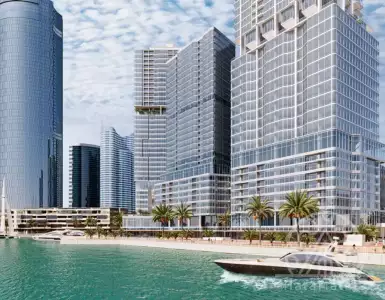
Put simply, demand is clustering where supply is scarce or where new amenities change the economics of living. Waterfront apartment demand on Al Reem Island is a prime example: buyers pay more for view, access and perceived lifestyle premium, which is why the area is leading mid-tier apartment demand and showing strong price appreciation.
Where prices rose — by market segment and neighbourhood
Bayut groups communities by budget, mid-tier and luxury. We keep their segmentation because it helps buyers match capital and objectives.
Budget apartments and entry-level villas
Budget-conscious buyers have pushed prices across communities that traditionally offer lower entry points. Key areas include Al Reef, Al Ghadeer, Khalifa City and Al Shamkha. Apartments in these communities increased 10–13% in 2025.
- Al Reef is highlighted as the leader for villa growth in the established/budget segment, with villas rising up to 11%.
- These markets typically target families and owner-occupiers looking for land-backed product with lower per-square-foot pricing compared with central Abu Dhabi.
For a buyer with a limited budget, these areas remain the primary option for owner-occupation or for investors seeking capital appreciation rather than premium rental yields.
Mid-tier: Al Reem Island, Masdar City, Al Raha Gardens, Al Muntazah
Mid-tier apartment values rose by up to 19%, and Al Reem Island leads demand for apartments in the emirate. The mid-tier gains reflect a mixture of genuine end-user demand for waterfront living and investor interest in residential stock that benefits from both location and planned amenities.
- Al Reem Island: waterfront apartments with good connectivity and a reputation among expat professionals.
- Masdar City: attracts buyers focused on sustainability and long-term institutional tenants.
- Al Raha Gardens and Al Muntazah: family-oriented communities with schools and retail nearby.
Mid-tier villas recorded the broadest range of appreciation — 2% to 41% — with Al Samha registering the strongest growth. That wide range suggests micro-market factors are at work: plot scarcity, type of villa, completion stage and developer reputation all matter.
Luxury market: Yas Island, Saadiyat Island, Al Raha Beach
Luxury apartment prices rose 27% overall. The announcement of Disney World Abu Dhabi is singled out in the Bayut study as a catalyst for heightened demand, particularly for properties that promise visitor flow and long-term tourism-driven income.
- Yas Island and Saadiyat Island saw the strongest apartment and villa growth in the luxury segment; villas rose 10–13%.
- Al Raha Beach remains a premium option for buyers seeking beachfront villas and high-end apartment living.
One important nuance: while high-profile projects can lift prices quickly, they can also raise expectations about future returns. Luxury markets are sensitive to sentiment and global capital flows; investors should assess liquidity and exit options carefully.
Price correction and opportunistic buying: Al Jubail Island
A notable counterpoint is Al Jubail Island, which experienced a price correction of up to 19%. That decline makes some high-end units more accessible to buyers who missed the first wave. Corrections like this are significant because they improve affordability and create selective buying opportunities — provided the buyer understands why the correction happened and whether the fundamentals support recovery.
What investors should consider: returns, timing and risk
Growing prices are appealing, but investors should separate headline appreciation from underlying returns and liquidity.
- Capital appreciation: the reported gains are real but uneven. Up to 41% for certain mid-tier villas is exceptional and is focused in specific micro-markets such as Al Samha. Expect variable future appreciation depending on supply pipelines.
- Rental yield and cash flow: the Bayut data focuses on capital values rather than rental returns. In Abu Dhabi, rental yields typically lag higher-growth expectations in the short term, especially in luxury stock where purchase price rises faster than rents.
- Liquidity and exit risk: luxury and ultra-prime units can be harder to sell quickly in a down cycle. Mid-tier apartments, particularly on Al Reem Island, tend to have better day-to-day demand.
- Project and announcement risk: markets that rallied on the back of the Disney World Abu Dhabi announcement could adjust if timelines slip or if supporting infrastructure is delayed.
We advise investors to match neighbourhood choice to investment horizon:
- Short-to-medium term capital play: look at mid-tier apartments with strong absorption, such as Al Reem Island.
- Buy-to-let with steady income: focus on established mid-tier communities with a track record of occupancy.
- Long-term land- or villa-based appreciation: consider select budget and mid-tier villa communities where plot scarcity is credible.
Practical advice for different buyer profiles
Here’s how we would approach the market depending on who you are.
For owner-occupiers and expat families
- Target communities with schools, healthcare and transport links.

 1
1
 1
1
 56
56
 5
6
313
5
6
313
 4
3
400
4
3
400
 1
45.86
1
45.86
 1
2
80
1
2
80
 1
127
1
127
For local and international investors
- For capital gains: mid-tier villas in Al Samha and mid-tier apartments on Al Reem Island have shown strong 2025 appreciation — but verify supply forecasts.
- For diversification: consider mixing mid-tier apartments with select luxury villas to balance liquidity and upside.
- For opportunistic buying: view the Al Jubail Island correction as a chance to buy certain premium units at improved price points, but stress-test scenarios around project completion and global demand.
For cash buyers vs mortgaged buyers
- Cash buyers have negotiating leverage in pockets where price correction has occurred.
- Mortgaged buyers must factor in interest rates, loan-to-value rules and residency-linked lending policies. The Bayut data does not cover financing costs, so secure pre-approval and price stress-testing before committing.
Risks to watch: supply, sentiment and project timelines
The growth story has built-in vulnerabilities.
- Concentrated demand. Gains are concentrated in a few communities. If new supply arrives or if buyer sentiment shifts, those premiums can unwind.
- Project risk. Announcements like Disney World Abu Dhabi amplify demand expectations. Delays or changes to project scope could affect price momentum in luxury segments.
- Macro factors. Global capital flows, interest rates and regional geopolitics can affect price discovery. Abu Dhabi’s fundamentals are solid, but no market is immune.
We urge buyers to treat 2025’s gains as a reason for more due diligence, not less. Rapid appreciation makes location selection and timing more important than ever.
How to act now: checklist for buyers and investors
Use this practical checklist as a starting point when evaluating Abu Dhabi property in 2025:
- Verify the source data: confirm the Bayut figures for the neighbourhood and property type you target.
- Assess delivery timelines: check completion dates and handover histories for the developer.
- Compare total cost of ownership: account for service charges, utilities, registration and agent fees.
- Interview local agents: ask about recent transactions, time-on-market and tenant demand.
- Scenario-plan: model prices 10–20% lower and compute your holding period to breakeven if rents remain flat.
These steps will reduce exposure to surprises and help align purchases with financial goals.
Frequently Asked Questions
Q: Which Abu Dhabi neighbourhoods delivered the strongest price growth in 2025?
A: According to the Bayut study, mid-tier and luxury pockets led gains. Al Samha recorded the strongest villa appreciation (up to 41%), Al Reem Island led mid-tier apartment demand with up to 19% apartment growth, and the luxury apartment segment rose 27%, driven by Yas Island and Saadiyat Island.
Q: Is the Abu Dhabi real estate market overheating because of these rises?
A: The market shows concentrated, micro-market-driven appreciation rather than broad overheating. Some segments rose sharply, but others experienced corrections (for example Al Jubail Island declined up to 19%). That mix suggests selective strength rather than uniform overheat.
Q: Are luxury buyers safe betting on projects like Disney World Abu Dhabi?
A: Project announcements can lift demand quickly, as seen in the 27% luxury apartment rise. However, project timelines and delivery risk matter. Luxury buyers should verify infrastructure delivery schedules and consider liquidity risk.
Q: What’s the best strategy for a foreign investor entering Abu Dhabi now?
A: Match strategy to horizon. For shorter horizons, target mid-tier apartments with strong day-to-day demand such as Al Reem Island. For longer horizons, consider villas in communities with limited new supply like parts of Al Samha and Al Reef. Always confirm financing terms and residency rules before purchase.
Final takeaways
Abu Dhabi’s 2025 market is a mix of solid fundamentals and selective price spikes. The Bayut data shows apartment gains of 10–27% across segments and villa moves from +2% to +41%, plus a 19% correction in Al Jubail Island that opens opportunistic buying. For buyers and investors, success will come from matching neighbourhood selection to your timeframe, verifying project delivery and factoring in liquidity risks. A practical starting point: if you want exposure to the part of Abu Dhabi driving apartment demand, Al Reem Island recorded up to 19% appreciation in mid-tier apartments in 2025 and should be assessed against supply pipeline and rental demand before you buy.
We will find property in UAE (United Arab Emirates) for you
- 🔸 Reliable new buildings and ready-made apartments
- 🔸 Without commissions and intermediaries
- 🔸 Online display and remote transaction

International Real Estate Consultant

Subscribe to the newsletter from Hatamatata.com!
Subscribe to the newsletter from Hatamatata.com!
Popular Posts

We will find property in UAE (United Arab Emirates) for you
- 🔸 Reliable new buildings and ready-made apartments
- 🔸 Without commissions and intermediaries
- 🔸 Online display and remote transaction
International Real Estate Consultant

Subscribe to the newsletter from Hatamatata.com!
Subscribe to the newsletter from Hatamatata.com!
I agree to the processing of personal data and confidentiality rules of HatamatataPopular Offers
 1
1
31
1
1
31
 1
1
 2
255
2
255
Need advice on your situation?
Get a free consultation on purchasing real estate overseas. We’ll discuss your goals, suggest the best strategies and countries, and explain how to complete the purchase step by step. You’ll get clear answers to all your questions about buying, investing, and relocating abroad.



Irina Nikolaeva
Sales Director, HataMatata