


Amiens and Dijon Drive a Cautious French Housing Recovery as Transactions Rise 12%

France’s housing market is mending — but unevenly
The real estate France market is showing a cautious recovery, according to the latest report from Notaires de France. Within the first 100 words: transaction volumes were up about 12% year on year by the end of 2025, yet activity remains well below pre-2022 levels. That contrast is the story of the moment: modest price gains, patchy local performance, and a national market that is improving but not healed.
We read the notaires’ data closely because it covers every sale of second‑hand property and is therefore the most complete snapshot available. The figures compare non-new-build house prices between July–September 2024 and July–September 2025, with full coverage up to 30 September 2025 and preliminary indicators into early 2026. Our analysis below explains what the numbers mean for buyers, sellers and investors who follow the French property market.
What the Notaires de France report actually shows
The headline is simple: house prices across France rose on average by 0.2% year on year in the third quarter of 2025. Apartment prices climbed faster, contributing more to the fragile recovery. The data set is exhaustive for existing homes, so it avoids the sampling biases that often affect monthly indices.
Key methodological points from Notaires de France:
- Data set covers all transactions for second‑hand (non-new build) properties.
- Comparison period is July–September 2024 vs July–September 2025.
- Full data available up to 30 September 2025, with preliminary figures into early 2026 to signal short-term trends.
This means the numbers are not estimates or survey-based sentiment measures; they record what actually sold and at what price. As a result, the modest national rise should be taken seriously, even if it is small.
Winners and losers: where prices climbed and where they fell
The national average masks sharp differences between cities and overseas departments. Some inland and northern cities saw handsome gains, while parts of the south and a handful of regional centres experienced declines.
Cities with the highest year-on-year increases in house prices (Q3 2025 vs Q3 2024):
- Amiens: +8.7%
- Dijon: +5.9%
- Caen: +4.6%
- Nancy: +4.0%
- Marseille / Aix-en-Provence: +3.5%
Notable overseas growth:
- Guadeloupe: +19.8%
- Réunion: +5.7%
Cities with the largest falls in house prices:
- Montpellier: -6%
- Tours: -2.7%
- Montauban: -2.3%
- Troyes: -1.8%
- Grenoble: -1.3%
When you read these figures, remember the base effect: local markets that fell hardest in 2022–24 can bounce back strongly from a low base, while overheated corners can correct more sharply.
Where prices are highest and lowest by median value
Median prices give a clearer sense of typical affordability than averages. Notaires report median house prices across selected cities and departments. The most expensive locations in the sample were:
- Toulon: €466,900
- Corse‑du‑Sud (Southern Corsica): €445,600
- Montpellier: €403,100
- Lyon: €400,000
- Marseille / Aix‑en‑Provence: €400,000
Most affordable locations in the report:
- Châteauroux: €130,000
- Troyes: €176,200
- Limoges: €180,000
- Amiens: €185,000
- Poitiers: €195,000
A practical note: Paris is included within the wider Île‑de‑France region rather than listed city‑by‑city, and some cities such as Rennes and Nice are excluded from the house price sample because houses there are a small share of the market compared with flats. That means comparisons across locations require care.
What this means for buyers and investors
The numbers suggest opportunity, but with caveats. Here’s our read for different types of market participants.
For owner‑occupiers and first‑time buyers:
- Affordability pockets exist: cities such as Châteauroux, Troyes and Limoges record median house prices well under €200,000, offering access for buyers priced out of bigger cities.
- Amiens stands out: it recorded the strongest house price growth at +8.7%, yet median house price in Amiens is €185,000—a combination that attracts buyers seeking capital appreciation potential.
- Be wary of local volatility: Montpellier’s -6% fall shows that southern markets can swing; do neighbourhood‑level checks before committing.
For buy‑to‑let investors:
- Yield vs capital growth: higher median prices in Toulon and Corsica imply lower entry yields unless rents are strong; conversely, lower‑priced cities can offer better gross yields but with slower tenant demand.
- Liquidity matters: notaire data show transaction volumes are recovering but still below pre‑2022 levels, which means some properties may take longer to resell.
For cash buyers and internationals:
- Overseas departments can outperform: Guadeloupe’s +19.8% gain is striking. But overseas markets have distinct local dynamics, higher transaction costs and different demand drivers, so expect higher due diligence.
- Non‑resident tax and financing rules: French notaires and tax advisers remain essential. Financing options for non‑residents are available but terms vary by bank.
Risks, frictions and things the headline numbers don’t show
The Notaires data are solid, yet they cannot explain everything. Here are the weaker spots and risks we see.
- Below‑average transaction volume: even with a ~12% year‑on‑year rise in deals, volumes are still well below pre‑2022 levels. That means the market is thinner, and price signals can be noisy.
- Interest‑rate sensitivity: while the report does not provide mortgage rate data, mortgage costs remain a major determinant of demand. Any future rise in borrowing costs would dampen activity.
- Local supply constraints: city‑level supply of family houses vs apartments affects prices. Cities with few houses relative to flats can show atypical movements.
- Regional economic shifts: employment patterns and public sector moves can change local demand rapidly; keep an eye on job announcements and transport projects.
We want to be clear: these are not hypothetical weaknesses. They explain why a national +0.2% gain in house prices can coincide with double‑digit increases in Guadeloupe and sharp falls in Montpellier.
Practical strategies for navigating this market
If you are active in the French property market, here are concrete moves to consider.
- Do neighbourhood‑level due diligence. The notaire data are comprehensive but city averages hide micro variations.
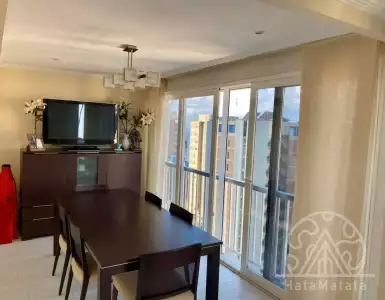
 3
3
 2
2
 109
109
 2
1
68
2
1
68
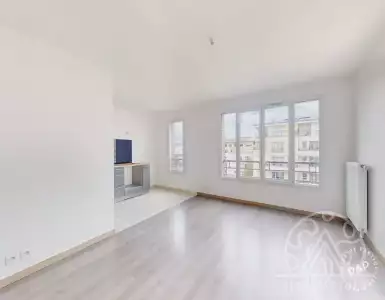 1
1
46.50
1
1
46.50
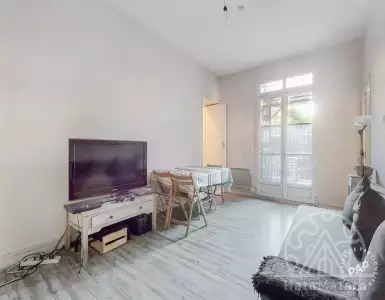 2
1
48
2
1
48
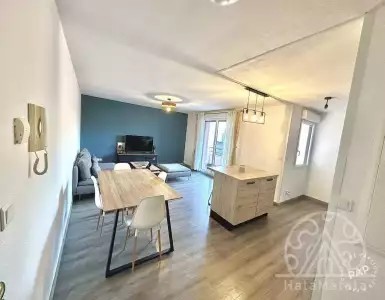

Where I would look if I were buying today
I would separate targets by objective.
For appreciation potential with moderate risk:
- Amiens: strong recent growth at +8.7% and a low median (€185,000) make it interesting for long‑term capital gain.
- Dijon and Caen: steady mid‑single‑digit growth and regional economic stability.
For income and lower entry price:
- Châteauroux, Limoges, Troyes: low median prices mean you can buy more floor area for less capital—good for buy‑to‑let if local rental demand exists.
For diversification and higher volatility acceptance:
- Guadeloupe and Réunion: strong gains in Q3 2025 but distinct market dynamics and higher transactional friction.
This is a view, not a recommendation. Local conditions and financing terms change rapidly, so act on current, local advice.
How to read the short‑term signal in early 2026
Notaires included preliminary data into early 2026 to signal how trends may unfold. The main takeaways from those early indicators are:
- The recovery is fragile. Small quarterly gains can reverse if borrowing conditions tighten.
- Apartment prices remain a key driver. Flats outperformed houses in recent quarters, which matters for investors focused on urban centres.
- Regional divergence persists. Expect more winners and losers as local economies react to employment and migration flows.
For timing, that means caution: a small national rise does not guarantee a smooth path. Buyers who can secure financing with predictable terms and who have a medium‑term horizon will be best placed.
Frequently Asked Questions
Q: Is now a good time to buy property in France?
A: It depends on your goal. If you are a long‑term buyer seeking a family home, pockets of affordability exist and transaction volumes are improving. If you are a short‑term investor seeking quick flips, market liquidity is still below pre‑2022 levels, which increases the risk.
Q: Which cities showed the biggest price increases in 2025?
A: According to Notaires de France, the largest house price gains in Q3 2025 vs Q3 2024 were Amiens (+8.7%), Dijon (+5.9%), and Caen (+4.6%). Overseas, Guadeloupe recorded +19.8%.
Q: Are Paris and other big cities the most expensive places to buy houses?
A: Paris is included in the Île‑de‑France aggregate in the notaire data, so it does not appear as a single city in the house price lists. In the sample, the highest median house prices were Toulon (€466,900) and Corse‑du‑Sud (€445,600), while Montpellier, Lyon and Marseille/Aix‑en‑Provence were around €400,000.
Q: Should international buyers consider overseas departments like Guadeloupe?
A: Overseas departments showed strong gains in Q3 2025—Guadeloupe +19.8%, Réunion +5.7%—but they have different market drivers, higher logistical costs and tax considerations. Non‑residents should get local notaire and tax advice before proceeding.
Bottom line: measured optimism, targeted action
The notaires’ figures point to a fragile recovery: transactions rose by about 12% year on year by end‑2025 and house prices were up 0.2% in Q3 2025 compared with the same quarter a year earlier. That mix creates selective opportunities—especially in cities like Amiens and Dijon, and in overseas departments—but it also leaves buyers exposed to local volatility and overall lower market liquidity. For buyers and investors, the practical takeaway is to follow the notaire records, verify neighbourhood‑level conditions, secure predictable financing and adopt a medium‑term holding horizon. The data are clear: the market is improving, but the recovery is uneven and still incomplete.
Tags
We will find property in France for you
- 🔸 Reliable new buildings and ready-made apartments
- 🔸 Without commissions and intermediaries
- 🔸 Online display and remote transaction

International Real Estate Consultant

Subscribe to the newsletter from Hatamatata.com!
Subscribe to the newsletter from Hatamatata.com!
Popular Posts

We will find property in France for you
- 🔸 Reliable new buildings and ready-made apartments
- 🔸 Without commissions and intermediaries
- 🔸 Online display and remote transaction
International Real Estate Consultant

Subscribe to the newsletter from Hatamatata.com!
Subscribe to the newsletter from Hatamatata.com!
I agree to the processing of personal data and confidentiality rules of HatamatataPopular Offers



Need advice on your situation?
Get a free consultation on purchasing real estate overseas. We’ll discuss your goals, suggest the best strategies and countries, and explain how to complete the purchase step by step. You’ll get clear answers to all your questions about buying, investing, and relocating abroad.



Irina Nikolaeva
Sales Director, HataMatata