


Apply Now: Trentino Extends €100,000 Grant for Buyers Ready to Renovate Mountain Homes

Trentino’s big incentive for property in Italy — what buyers need to know
Italy’s programme of financial incentives for depopulated areas keeps turning heads, and the Autonomous Province of Trento has just confirmed the extension of one of the most generous offers: a grant of up to €100,000 for people who buy and renovate homes in selected mountain communes. For anyone tracking the real estate in Italy market, this is a rare, large-scale subsidy tied directly to relocation and restoration.
The headline numbers are simple: €80,000 can be used for renovation work and €20,000 toward the purchase price. But the scheme is a regulated tool of local policy, not a free handout. There are deadlines, residency obligations and compliance rules that determine whether the money stays a grant or must be repaid.
In this piece we unpack how the scheme works, which locations qualify, who is eligible, what the risks are, and what practical steps buyers and investors should take before submitting an application. Our analysis mixes the cold facts announced by the Province of Trento with on-the-ground advice for anyone considering a move or an investment in mountain property in Italy.
How the Trentino €100,000 grant works
The programme is aimed at revitalising small mountain communities suffering population decline by incentivising buyers to restore and live in properties there. The overall structure is:
- Maximum grant per applicant: €100,000
- €80,000 for renovation costs
- €20,000 for purchase costs
- Funding allocated: €5 million for 2025 and €5 million for 2026
- Applicants may buy and renovate up to three properties under the scheme
Grant disbursement is conditional: recipients must comply with the application rules in the official call (bando), complete renovations within specified periods, and meet residency or long-term rental obligations. Failure to meet these conditions can lead to a requirement to repay the grant.
This is not a model of unrestricted subsidy. The Province exercises oversight on restoration standards, deadlines and use of the property after renovation. Expect documentation, reporting on spending and potential site inspections.
Which municipalities are targeted
The programme covers 33 municipalities in the Autonomous Province of Trento. The aim is to support places that have seen population loss and face the risk of abandonment. Examples named by the Province include:
- Val di Non: towns such as Bresimo and Livo
- Val di Sole: communities like Rabbi and Vermiglio
- Valsugana and other areas including Primiero and mountain resorts such as San Martino di Castrozza
These are alpine settings where construction types, heritage protections and local planning rules vary significantly from one municipality to the next. For buyers this means the same grant sum will cover very different works depending on location and the state of the existing building.
Who can apply and key eligibility rules
The programme is open to private individuals rather than corporate investors. The rules relevant to applicants are:
- Applicants must not be current residents of the target municipality, unless they are over 45 years old. That rule aims to attract new residents while allowing older locals to benefit.
- Each individual may participate for up to three properties.
- Applicants must commit to registering residence in the municipality after renovation or to long-term rental of the restored property, depending on the specific call conditions.
- Non‑Italian nationals may apply if they are legally permitted to buy property in Italy. Non‑EU citizens must ensure they hold the appropriate visa or residency status if the call requires it.
Applicants must submit proposals during official application windows. For 2026 the published windows are:
- First window: 19 May to 30 June
- Second window: 8 September to 23 October 2026
You cannot submit at will; the Province only accepts applications in these time frames.
Practical implications for buyers and investors (our analysis)
This grant is attractive to buyers prepared to take on refurbishment work, and we see two main investor profiles who might find the programme useful:
- Owners-occupiers willing to relocate to a mountain community and register residency
- Small-scale investors or professionals willing to buy, restore and then rent properties long-term
What this means in practice:
- Budgeting: The grant covers a substantial part of renovation costs but will rarely cover every expense. Renovation work in alpine stone houses and old mountain buildings often uncovers structural, insulation and compliance issues that change costs. You must budget for contingencies beyond the €80,000 allowance.
- Time and permits: Restoration in Trentino typically requires coordination with local planning authorities, historic-preservation offices and building control. Expect to prepare a proper refurbishment plan, obtain the necessary permits and work with local architects and builders.
- Residency and tax: If you register residency, you enter the Italian tax and municipal services system for that location. That has implications for local taxes, healthcare registration and voting rights where applicable.
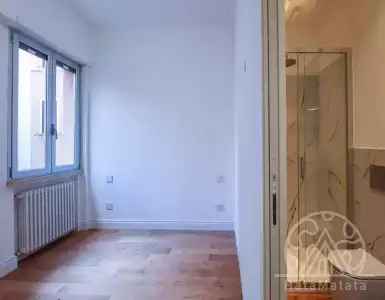
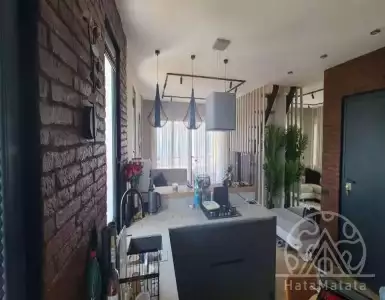
We recommend detailed cost modelling: compare rehabilitation quotes from two or three contractors, include permit and professional fees, and build a cushion for unforeseen works.
Application mechanics and documentation
The Province operates the scheme through formal calls (bandi) that set technical and administrative rules. The usual workflow for applicants will include:
- Identify eligible property in one of the 33 municipalities
- Check local planning status and any heritage protections
- Draft a refurbishment project with an architect or engineer showing scope and cost estimates
- Prepare personal and financial documentation required by the bando
- Submit application in the declared window (19 May to 30 June or 8 Sept to 23 Oct 2026)
- If approved, sign grant agreements and begin work within the deadlines set by the Province
- Keep records and receipts for all eligible works and submit progress reports as required
Some practical tips we give to clients who ask us for help:
- Engage a local architect early to assess whether the building needs structural work or only cosmetic upgrades. That affects eligibility and costs.
- Confirm whether the property has any legal encumbrances that could block purchase or grant acceptance.
- Clarify the timing expectations: some calls require works to be finished within a fixed number of months from grant approval.
- Make sure any purchase contract includes conditions that reflect the planned renovation timeline and grant-related obligations.
Legal, fiscal and visa considerations
There are several legal and fiscal angles to check before proceeding.
- Title and encumbrances: As with any property transaction, a land registry search and a review of the title are mandatory. This prevents unexpected mortgages, usufructs or easements that could interfere with renovation or grant use.
- Planning and heritage: Municipal building rules and heritage protections in mountain communes can constrain what you can change. If a building is classified as historical, certain interventions may be disallowed or require special technical solutions.
- Taxation: Registering residency affects personal income tax filing and may influence wealth taxes or municipal fees. Renting the property long-term also brings rental income taxation and compliance duties.
- Visa and residency status: The programme allows foreign buyers, but non‑EU nationals must ensure they meet Italian rules on property acquisition and residency if the bando requires local residence.
We advise consulting a local notary and a tax professional before signing any preliminary purchase agreements. They can clarify how the grant interacts with purchase taxes, VAT (if applicable) and deductions for renovation works that exist under Italian tax law.
Risks and common pitfalls
The grant is generous, but it comes with exposure. Key risks include:
- Cost overruns: Renovations in alpine houses often expose structural, damp or insulation issues that increase bills.
- Timing breaches: Missing the programme deadlines for works or residency registration can trigger the requirement to repay funds.
- Use restrictions: If the Province requires residency rather than rental, converting the property into a holiday let or selling immediately could breach the grant terms.
- Administrative complexity: The bando will demand documentation and proof of spending; weak administration on the applicant’s part can cause delays or rejections.
A realistic mitigation plan includes clear contract clauses with builders, a contingency budget of 15–30% for refurbishment, and professional assistance to handle the bureaucracy.
A checklist for a credible application
If you intend to apply, use this checklist to get organised:
- Confirm the municipality is one of the eligible 33
- Secure a preliminary agreement to purchase the property subject to grant approval
- Obtain a professional restoration estimate from a registered architect or engineer
- Prepare identity, tax and legal documents required by the bando
- Plan for residency registration or a long-term rental contract as required
- Set aside contingency funds beyond the scheduled grant amounts
- If non‑EU, check the visa/residence status and consult immigration advice
If you can tick these items before the application window opens, your chances of moving quickly from approval to work commencement rise dramatically.
Who should consider this programme
This scheme suits people who:
- Are willing to relocate to an alpine community and register residency
- Have experience managing renovation projects or can hire competent local teams
- Want to buy multiple properties under a controlled plan (each applicant may do up to three)
- Seek to acquire lower-cost mountain real estate with substantial public support for refurbishment
It is less suitable for those who want immediate cash returns through short-term holiday rentals, because the residency or long-term rental conditions and clawback rules reduce flexibility.
Frequently Asked Questions
Who can apply for the Trentino grant?
Private individuals can apply. You must not be a current resident of the target municipality unless you are over 45 years old. Non‑Italian nationals can apply if they are legally allowed to buy property in Italy.
How much money is on offer and how is it split?
The grant is up to €100,000 per applicant: €80,000 for renovation work and €20,000 for the purchase price. The Province allocated €5 million for 2025 and €5 million for 2026.
What are the application windows for 2026?
Applications are accepted during designated windows. For 2026 the published windows are 19 May to 30 June and 8 September to 23 October.
What happens if I do not complete works or meet residency obligations?
Failure to comply with the conditions of the bando, including missing renovation deadlines or not registering residency if required, can result in repayment of the grant. The Province may apply clawback procedures.
Final takeaways for prospective buyers and investors
Trentino’s extension of the programme keeps a significant funding stream open for the next season. The grant lowers the effective cost of buying and restoring mountain housing in selected communes and could shift investment calculations for buyers prepared to live in or manage long-term rentals in those villages. But the cash comes with administrative controls, deadlines and residency or use conditions that change the risk profile and liquidity of any purchase.
If you are serious, mark the application windows in your calendar and begin the due-diligence and planning process now. The specific dates to note are 19 May to 30 June and 8 September to 23 October 2026. You will need professional help to align purchase contracts, architectural plans and local permits with the requirements of the bando, and to avoid a costly clawback of the grant if conditions are not met.
This is a significant programme for mountain communities in Trentino; for buyers, its real value depends on careful budgeting, timely project delivery and acceptance of the social obligations that come with relocating to a small alpine commune.
We will find property in Italy for you
- 🔸 Reliable new buildings and ready-made apartments
- 🔸 Without commissions and intermediaries
- 🔸 Online display and remote transaction

International Real Estate Consultant

Subscribe to the newsletter from Hatamatata.com!
Subscribe to the newsletter from Hatamatata.com!
Popular Posts

We will find property in Italy for you
- 🔸 Reliable new buildings and ready-made apartments
- 🔸 Without commissions and intermediaries
- 🔸 Online display and remote transaction
International Real Estate Consultant

Subscribe to the newsletter from Hatamatata.com!
Subscribe to the newsletter from Hatamatata.com!
I agree to the processing of personal data and confidentiality rules of HatamatataPopular Offers
 11
11
 10
10
 701
701
 7
8
1012
7
8
1012
Need advice on your situation?
Get a free consultation on purchasing real estate overseas. We’ll discuss your goals, suggest the best strategies and countries, and explain how to complete the purchase step by step. You’ll get clear answers to all your questions about buying, investing, and relocating abroad.



Irina Nikolaeva
Sales Director, HataMatata