


Build a Home in Six Months: Almería’s Concrete Modular Model Is Shaking Up Property Spain

A fast track for property Spain: why Almería’s prefab concrete homes matter
For buyers watching property Spain, a new development in Almería demands attention. Modular Home has launched a project in Roquetas de Mar that cuts typical construction timelines drastically and keeps final specifications comparable to traditional builds. Our analysis finds this is more than a curiosity; it is a workable alternative for people who need predictability, speed and clearer cost control when building a house.
The hook: speed with factory control
The most striking figures are simple and verifiable. Where a conventional build in Spain commonly takes 16–18 months, the industrialised method used in this project delivers a completed home in around six months, with the structural frame assembled on site in one week. Those numbers alone change the equation for anyone balancing housing demand, supply constraints and the rising price environment that Spain has experienced in recent years.
What exactly is being built in Roquetas de Mar?
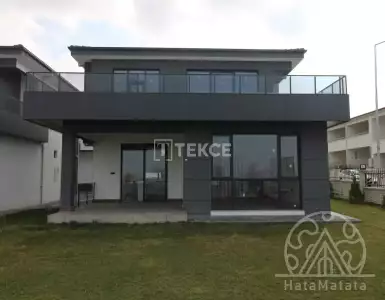
The Almería project uses bespoke concrete panels manufactured off-site and assembled on location. The finished product is a two-storey townhouse with a garage and contemporary finishes. The developer describes installations and finishes as comparable to those of a traditionally constructed property, while the panels are produced to measure in a factory setting where quality checks take place prior to installation.
Key features from the launch:
- Industrialised panelised concrete construction produced in a controlled factory environment
- Two-storey townhouses with garage and modern finishes
- On-site structural assembly time of about one week
- Overall construction timeline of approximately six months compared with 16–18 months for conventional builds
- Eligible for mortgage financing where houses are built on urban land with permits
- Some banks offering up to 100% financing of construction costs when the buyer already owns the plot
These are important specifications. They frame the product as a factory-built, panelised concrete system rather than a light timber or steel frame modular home. That affects durability, thermal mass, fire resistance, and resale perception in a southern European market.
Why speed matters now in Spain’s housing market
We have tracked the Spanish housing market through several cycles. Today the big constraints are not only price increases but an acute mismatch between demand and the time it takes to deliver supply. Long construction timelines create three practical problems for buyers and investors:
- Extended exposure to cost inflation in materials and labour
- Uncertainty over completion dates that affects personal plans and rental income projections
- Higher opportunity cost for developers and owners who tie capital into long projects
The Almería approach addresses each of these. Factory production reduces the influence of on-site delays and weather-related stoppages. A shorter build timeline limits exposure to material price swings and allows owners to occupy or rent sooner, improving cashflow projections for investors.
From a practical perspective, we think the sector will see stronger interest from two categories of buyers:
- Owner-builders who own an urban plot and want a predictable, fast build that still qualifies for conventional mortgage products
- Investors and small developers who need faster turnover and clearer cost control than site-based builds provide
Quality and technical considerations: what you should check
Speed alone is not sufficient. Buyers must examine construction quality, warranty coverage and compliance with building regulations. The Almería project emphasises factory inspection and bespoke panels produced to measure, which improves repeatability and quality control. Still, several technical points deserve scrutiny before purchase:
- Structural detailing and connections between panels: panelised systems rely on robust joint design. Ask for technical drawings and structural calculations.
- Thermal and acoustic performance: concrete panels provide thermal mass but perform differently than insulated timber or SIP systems. Review U-values, insulation layers and evidence from test results.
- Waterproofing and airtightness at junctions: off-site manufacture reduces risk, but connections between modules are executed on site.
- Fire resistance ratings and certification: concrete typically rates well, but confirm declared fire performance and supporting documentation.
- Long-term movement and settlement: panels assembled quickly still sit on foundations that need proper design for local soil conditions.
We advise prospective buyers to request the manufacturer’s compliance certificates, third-party inspection reports where available, and a clear specification of warranties and service obligations after handover.
Financing: how mortgages work for prefab builds in Spain
A common misconception is that non-traditional builds cannot get mortgage backing. The Almería example shows this is not the case when the project follows the rules for urban development. Key points from the launch:
- These homes are eligible for mortgage financing when built on urban land with the required permits
- Some banks have started offering up to 100% financing of construction costs if the buyer already owns the plot
This matters for affordability. If a buyer controls the plot, the ability to finance the construction portion can reduce the initial cash required and accelerate uptake. However, borrowers should be aware that mortgage terms on construction financing can include staged disbursements linked to progress certificates, and interest rates on construction loans may differ from standard mortgage products.
Questions for lenders to ask:
- Will the bank accept factory-built panelised concrete homes as security?






We recommend potential buyers consult a mortgage adviser familiar with construction finance in Spain before committing.
Market implications: local scale and national potential
Almería’s pilot project matters because it is a real-world test of a production model that meets practical demand: shorter delivery times, predictable budgets, and bankability. If the concept scales, the implications include:
- Faster addition of housing stock in markets where supply lags demand
- Lower on-site labour needs, useful in regions with construction labour shortages
- Improved cost predictability for developers and buyers
But scaling faces hurdles. Availability of suitable urban plots, local planning rules, and logistics for transporting large panels are constraints. Market acceptance will also depend on resale perceptions; some buyers prefer traditional masonry builds and may value them higher.
From an investor’s viewpoint, panelised concrete production offers potential benefits for small-to-medium scale developments where speed and repeatability matter. For larger developers, integration into supply chains and securing factory capacity will be the next challenge.
Risks and limitations to weigh
Modular concrete housing is promising, but it is not a universal solution. Consider these risks:
- Planning and permit issues: prefab does not bypass urban planning requirements. The site must be classified as urban land and carry the correct permits for residential construction.
- Supply chain bottlenecks: while off-site manufacture reduces on-site labour needs, it transfers pressure to factories and logistics networks.
- Bank policies: although some banks will finance construction costs up to 100% when the plot is owned, lending policies can vary by institution and region; not all banks will accept the same valuation methods for panelised homes.
- Local market acceptance: resale values will depend on buyer preferences and how mainstream such methods become in Spanish regions.
We also note that the provided figures come from the project launch and reflect initial performance in Almería. Buyers should seek evidence of repeatable outcomes across multiple units before assuming identical timelines and costs in other locations.
Practical guidance for buyers and small developers
If you are considering this route in Spain, here are concrete steps to follow:
- Confirm your plot is urban land and that local planning allows the intended residential build.
- Request full technical documentation from the manufacturer: structural calculations, thermal performance data, connection details and warranty terms.
- Speak to lenders early to understand mortgage conditions, disbursement schedules and any additional security requirements.
- Get an independent structural or building surveyor to review the factory production process and the on-site joining methodology.
- Check logistics and access to the site for large precast panels; narrow streets and local restrictions can add cost.
- Compare total delivered cost against a conventional build and ready-built alternatives in the local market, including resale valuations.
These steps are not exhaustive but reflect lessons we have learned covering off-site and industrialised construction projects across Europe.
The buyer’s calculus: speed, certainty and resale
For many buyers the trade-offs are clear. A homeowner who needs a fast completion because of personal timing or rental cashflow will value the six-month timeline. An investor who needs predictable returns will value reduced exposure to material inflation and labour delays. Yet resale value and buyer tastes will shape long-term returns.
In short, the Almería model is attractive where speed and cost control are priorities, especially when the owner already owns the land and can secure favourable construction financing.
Frequently Asked Questions
Q: Are these prefab concrete homes considered real estate or movable property?
A: They are real estate when assembled on a permanent foundation on urban land and permitted as residential units. The Almería project specifies houses built on urban plots with permits, which qualifies them for mortgage financing.
Q: Can I get a mortgage for a modular home in Spain?
A: Yes. The project in Almería confirms eligibility for mortgage financing when the home is built on urban land with the required permits. Some banks in the market have started offering up to 100% financing of the construction costs when the buyer already owns the plot, though terms vary by lender.
Q: How reliable are the six-month completion claims?
A: The developer reports a turnaround of around six months for completion, with the structure assembled in one week because most elements are manufactured in a controlled factory environment. Buyers should seek written timelines and evidence of previous deliveries and ask for contractual completion milestones.
Q: What are the long-term maintenance issues with panelised concrete homes?
A: Concrete panels generally provide durability and good fire resistance, but long-term performance depends on waterproofing at joints, quality of connections, and the finishing systems used. Obtain warranty details and maintenance schedules from the manufacturer.
Final takeaway for buyers and investors
Almería’s prefabricated concrete townhouses change a fundamental variable in building a home in Spain: time to delivery. If you own urban land in or near Roquetas de Mar and care about a predictable cost and faster occupancy, this model is worth serious consideration. For investors, the appeal is clearer cashflow timing and reduced exposure to on-site volatility. But verify technical documentation, confirm mortgage terms with lenders, and inspect early examples before committing. If you own the plot, you may be able to complete and finance a new concrete modular home in about six months with lenders offering up to 100% construction financing.
We will find property in Spain for you
- 🔸 Reliable new buildings and ready-made apartments
- 🔸 Without commissions and intermediaries
- 🔸 Online display and remote transaction

International Real Estate Consultant

Subscribe to the newsletter from Hatamatata.com!
Subscribe to the newsletter from Hatamatata.com!
Popular Posts

We will find property in Spain for you
- 🔸 Reliable new buildings and ready-made apartments
- 🔸 Without commissions and intermediaries
- 🔸 Online display and remote transaction
International Real Estate Consultant

Subscribe to the newsletter from Hatamatata.com!
Subscribe to the newsletter from Hatamatata.com!
I agree to the processing of personal data and confidentiality rules of Hatamatata
Need advice on your situation?
Get a free consultation on purchasing real estate overseas. We’ll discuss your goals, suggest the best strategies and countries, and explain how to complete the purchase step by step. You’ll get clear answers to all your questions about buying, investing, and relocating abroad.



Sales Director, HataMatata