


Bulgaria Property Boom: Prices Up 15.4% — Is It a Smart Buy for Investors?

Bulgaria real estate in Q3: a sharp acceleration that demands attention
Bulgaria real estate is back in the headlines after Eurostat data for Q3 showed one of the strongest annual gains in the largest EU/EEA markets. Within the first 100 words: Bulgaria’s property market recorded a year-on-year rise of 15.4% and a quarter-on-quarter gain of 3.8%, leaving investors and buyers asking whether this is momentum to follow or a warning signal.
The numbers come from Eurostat’s home price indices for the 18 largest EU and EEA countries, compiled through Q3 and reported by Wolf Street. These indices set 2010 as the base (index = 100), which helps put recent growth into multi-year perspective.
Quick snapshot: where Bulgaria sits among Europe’s fastest-moving markets
The Q3 Eurostat dataset shows a wide split across markets. Some countries have seen explosive multi-year growth; others have dipped from recent peaks. Key facts from the report:
- Bulgaria recorded +15.4% YoY and +3.8% QoQ, and prices are +139% since 2010.
- Hungary led annual growth at +21.1% YoY and is up +296% since 2010.
- Portugal posted +17.7% YoY and +150% since 2010.
- Spain rose +12.8% YoY and is +37% since 2010.
- By contrast, Finland fell -3.1% YoY and is only +6% since 2010, while several Western markets (Germany, Sweden, France) sit above 2010 levels but remain below their recent peaks.
What this tells us is that Bulgaria is among the faster-growing markets in Europe in 2023. The pace is notable given Bulgaria’s starting point a decade ago: the home price index is now 139% higher than in 2010, which is a substantial cumulative increase.
Why prices in Bulgaria are rising so fast (our analysis)
Several structural and cyclical forces are at work across Eastern and Southern Europe, and Bulgaria is affected by many of them. From our reporting and conversations with local market participants, the likely contributors include:
- A lower price base in 2010, which makes percentage gains larger when markets recover and then expand.
- Strong domestic demand for housing as income and consumer confidence have recovered after the 2010s; buyers chase limited available stock in desirable locations.
- Growing interest from international buyers, particularly in coastal and ski resort areas, which increases demand for second homes and investment rentals.
- A construction sector that has not fully kept pace with demand in popular urban and resort zones, creating supply pressure.
- Regional capital flows and investor searches for yield across Europe pushed money into higher-growth, lower-priced markets.
We do not claim this list is exhaustive, and local micro-markets vary widely. Still, when combined these factors help explain why Bulgaria’s home price index is now up 139% since 2010 and why the market accelerated by 15.4% year on year in Q3.
How Bulgaria compares with its peers: winners, laggards and what that means
Eurostat’s cross-country view helps spot relative risk and opportunity. Here are the metrics that matter:
- Biggest gains since 2010: Hungary +296%, Czech Republic +162%, Portugal +150%, Bulgaria +139%.
- Largest YoY growth in Q3: Hungary +21.1%, Portugal +17.7%, Bulgaria +15.4%, Spain +12.8%.
- Some large Western markets have seen slower growth and even declines from peak: Germany +85% since 2010 but -8.1% from its peak, France +33% since 2010 and -4.3% from peak, Finland -3.1% YoY and -13.4% from peak.
Implications for investors and buyers:
- Rapid percentage increases, like Bulgaria’s, can attract speculative capital and push valuations higher in a short time.
- Markets that have already fallen from recent peaks indicate potential vulnerability to interest rate or affordability shocks; Bulgaria has not retraced from a peak in the same way, which can be read as either resilience or overheating risk.
Practical takeaways for buyers and investors
We write as journalists who monitor markets and as advisers who have seen cycles. Here is how we think about Bulgaria real estate today.
- Expect higher asking prices. Sellers in Bulgaria will reference the 15.4% YoY gain and the 139% cumulative rise since 2010 when setting expectations.
- Do the math on yields versus appreciation. Rapid capital gains can mask low rental yields in certain segments, especially in tourist hotspots where seasonality affects income.
- Factor financing costs and currency risk. Bulgaria uses the lev, which is pegged to the euro, so currency risk versus the euro is limited. However, mortgage rates in Europe have been elevated compared with earlier in the decade, which affects affordability for financed buyers.
- Assess local supply. Some Bulgarian regions face tight supply of modern apartments or turnkey vacation homes, which supports prices; other regions still have ample stock and weaker demand.
A checklist for buyers we recommend:
- Verify title and zoning in the local land registry.
- Obtain a local market appraisal and rental comparables if you plan to rent the asset.
- Arrange a local lawyer to review contracts and tax implications.
- Compare fixed and variable-rate mortgage offers and stress-test repayments at higher rates.
Risks you must weigh before committing capital
High growth brings obvious upside and also distinct risks. We urge caution and proper due diligence.
- Valuation risk: Double-digit annual growth raises the chance of a correction if financing conditions change or if demand softens.
- Liquidity risk: Secondary-market turnover can be thin in smaller towns and secondary resorts; selling quickly at the recorded price is not guaranteed.
- Regulatory and tax risk: Property taxes, rental regulations, and rules affecting foreign buyers can change. Always check current national and municipal rules.
- Construction and developer risk: In booming markets developers accelerate projects. That increases completion risk and variations in build quality.
- Macro risk: Wider economic shocks in Europe, or a shift in capital flows, can reduce demand from foreign buyers.
We have seen markets with similar double-digit annual gains enter a consolidation phase when central-bank policy or financing availability changed. Bulgaria’s strong Q3 performance raises the same questions.
Where investors find opportunity within Bulgaria
Not every square metre of Bulgaria is the same.







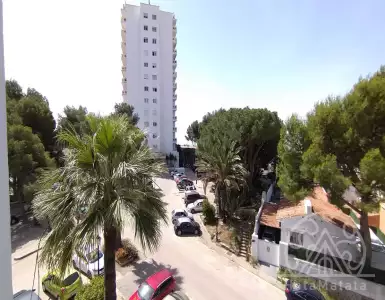
- Urban residential: City centre apartments in larger cities can offer rental demand from young professionals and students, but yields depend on price paid and local rents.
- Coastal second homes: These can produce higher seasonal income but are more cyclical and rely on tourism flows.
- Renovation plays: Buying older properties and upgrading for higher rental rates or resale can produce attractive returns if acquisition prices are reasonable.
- Long-term land plays: Land close to expanding urban fringes can be profitable, but they require longer holding periods and local planning knowledge.
Each route requires local market expertise and a realistic holding period. Rapid appreciation in headline figures does not remove the need for careful underwriting.
How to structure a transaction now (practical steps)
When we advise readers, we emphasize process over optimism. Steps to consider:
- Market research: Obtain verified price indices and comparable sales for the micro-market you target.
- Financial plan: Build a cash-flow model that includes worst-case rent scenarios and higher financing costs.
- Local team: Hire a licensed local agent, an independent lawyer, and an independent inspector.
- Contract terms: Negotiate contingencies for permits, defects and completion dates on off-plan purchases.
- Exit plan: Know how you will exit the investment—through rental, sale, or conversion—and set realistic timeframes.
What the Eurostat numbers do not tell you
National indices smooth over large regional differences. A country-level rise of 15.4% YoY can coexist with stagnation in smaller towns and overheating in resort strips. Eurostat’s data are invaluable for macro awareness, but they cannot replace granular market study.
Also, indices compare aggregate prices of existing dwellings; they do not measure quality changes in housing stock. Rapid increases can reflect a shift in the mix of transactions toward higher-end units, not just pure price inflation.
Final assessment for investors and buyers
Bulgaria’s home price index is now +139% since 2010, with a 15.4% year-on-year rise in Q3 and a 3.8% quarterly gain. Those figures make Bulgaria one of the fastest-growing real estate markets among the 18 largest EU/EEA countries tracked by Eurostat. That growth is attractive, but it is accompanied by the classic risks of rapid appreciation: higher valuations, possible overheating, and sensitivity to changes in financing conditions.
We recommend a disciplined approach: verify local fundamentals, stress-test financing, and build a clear exit strategy before making an offer. For buyers who are cash-ready and who conduct rigorous due diligence, there is room for selective opportunities. For leveraged, short-term speculators, the recent pace of gains elevates risk.
Frequently Asked Questions
Q: Are Bulgarian property prices still cheap compared with Western Europe? A: Price comparisons depend on segment and location. On an average per-square-metre basis, many Bulgarian markets remain lower than major Western European cities. But the +139% rise since 2010 means relative affordability has narrowed; you must compare specific cities and segments rather than rely on country averages.
Q: How fast did Bulgaria’s market grow in Q3 and year on year? A: According to Eurostat Q3 data, Bulgaria’s existing-home prices rose +3.8% quarter on quarter and +15.4% year on year, with cumulative growth of +139% since 2010.
Q: Should foreign buyers be concerned about currency risk? A: Bulgaria’s national currency, the lev, is pegged to the euro, which limits major currency fluctuations against the euro. If you are buying using euros or financing in euros, currency risk is less of a concern than in countries without a peg.
Q: What is the biggest risk for someone buying property in Bulgaria now? A: The principal risk is valuation correction after rapid appreciation. A market rising 15.4% YoY can be more vulnerable to changes in financing costs or a slowdown in foreign demand. Evaluate liquidity, hold period, and stress-test scenarios with higher rates and weaker rents.
End note: the Eurostat Q3 indices place Bulgaria among the faster-growing EU/EEA housing markets with +15.4% YoY and +139% since 2010; that is the fact every buyer and investor must factor into price negotiations and risk assessments.
Tags
We will find property in Portugal for you
- 🔸 Reliable new buildings and ready-made apartments
- 🔸 Without commissions and intermediaries
- 🔸 Online display and remote transaction

International Real Estate Consultant

Subscribe to the newsletter from Hatamatata.com!
Subscribe to the newsletter from Hatamatata.com!
Popular Posts

We will find property in Portugal for you
- 🔸 Reliable new buildings and ready-made apartments
- 🔸 Without commissions and intermediaries
- 🔸 Online display and remote transaction
International Real Estate Consultant

Subscribe to the newsletter from Hatamatata.com!
Subscribe to the newsletter from Hatamatata.com!
I agree to the processing of personal data and confidentiality rules of HatamatataPopular Offers

Need advice on your situation?
Get a free consultation on purchasing real estate overseas. We’ll discuss your goals, suggest the best strategies and countries, and explain how to complete the purchase step by step. You’ll get clear answers to all your questions about buying, investing, and relocating abroad.



Irina Nikolaeva
Sales Director, HataMatata