


Inside Novak Djokovic’s $43m Property Empire — From a Belgrade Penthouse to a Marbella Villa

Novak Djokovic’s global real estate holdings: what buyers and investors should notice
Novak Djokovic’s property in Serbia is the opening act of a wider, carefully built global portfolio. The tennis star has spent millions on homes across Europe and the United States, and the collection now reads as a deliberate mix of primary residences, lifestyle houses and market-facing investments.
We tracked the numbers reported in press coverage and public filings: Djokovic has spent about $43.161 million on properties worldwide according to the combined prices cited in recent media reports. That figure sits beside an extraordinary playing career — the source notes he has earned $US189 million in prize money (quoted in the coverage with a secondary figure, $282 million in another currency) — and it shows how top athletes convert earnings into physical assets.
This article breaks down the portfolio by location, highlights what the properties tell us about tax and lifestyle planning, and gives practical takeaways for anyone studying celebrity real estate as a model for high-net-worth property strategy.
Portfolio by the numbers: global locations and price tags
Here are the headline facts that form Djokovic’s property footprint, based on the reporting we reviewed:
- Total reported spend: $43.161 million (aggregate of disclosed purchase prices)
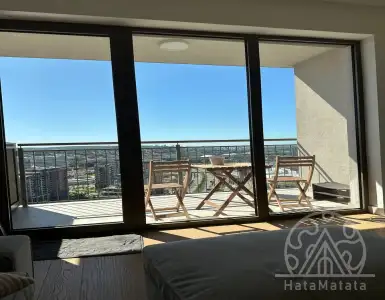
- Belgrade penthouse: $1.091 million — three bedrooms, three bathrooms, pool and terrace; reported listed for rent at $17,542 per night
- New York (SoHo): two penthouses purchased in 2017 for £8.3 million (about $16.6 million) total
- Miami (Eighty Seven Park): apartment bought in 2020 for £5.3 million (about $10.6 million) — three bedrooms, three bathrooms, panoramic beach views
- Marbella villa: $14.93 million — nine bedrooms, private grass tennis court, gym, spa, entertainment spaces (purchased in 2020)
- Monte Carlo, Monaco: property bought in 2003; price and details not publicly disclosed but reported to overlook the Mediterranean and sit near the Monte Carlo Country Club
Those numbers show concentration in two categories: a high-value lifestyle asset in Spain and a cluster of U.S. urban properties, with a modest but high-profile home in his native Serbia and a long-held Monegasque foothold.
Belgrade penthouse: why the Serbia property matters beyond hometown pride
The Belgrade penthouse is the most directly relevant asset when we discuss real estate in Serbia. It is telling for several reasons:
- Hometown positioning: owning a prominent apartment in Belgrade signals a base of operations in Serbia rather than only overseas living. For wealthy nationals, retaining a local residence supports family ties, PR visibility and access when training or visiting.
- Rental strategy: the reported listing price of $17,542 per night places the apartment firmly in the super-luxury short-term rental market. That kind of rate suggests targeting international visitors, corporate clients or staged events rather than steady tourism volumes.
- Property type and amenities: three bedrooms, three bathrooms, rooftop terrace and a pool are classic features for luxury urban penthouses, and they align with short-term rental expectations among high-net-worth guests.
What this means for buyers and investors interested in Serbia real estate:
- Luxury product and location drive premium nightly rates, but occupancy and operating costs determine real returns. High headline rates are impressive but require careful management.
- Local market dynamics differ from international hotspots. A Belgrade penthouse will trade on scarcity of comparable high-end product and on proximity to desirable lakeside or central neighbourhoods.
Practical tip: if you consider a luxury short-term rental in Serbia, budget conservatively for management, marketing and utility costs, and verify local regulations for short-term letting and tourism tax requirements.
United States: New York and Miami — urban investments with differing purposes
Djokovic’s U.S. purchases illustrate two approaches to city real estate: primary residence/seasonal base and urban trophy ownership.
New York (SoHo)
- Two penthouses at 565 Broome purchased in 2017 for £8.3 million ($16.6 million) in total. Reports say the apartments are on the same floor but not adjacent. Features include white oak floors, custom furnishings and heated floors, plus rooftop pool views of the Manhattan skyline.
Miami (Eighty Seven Park)
- Apartment purchased in 2020 for £5.3 million ($10.6 million). The development includes a 55-foot heated pool and an exclusive underground spa. The unit is three bedrooms, three bathrooms with panoramic views over Miami Beach.
How to read these acquisitions:
- Urban trophy properties in New York are classic for elite athletes: they give access during tours, function as investment assets, and hold prestige value that assists in branding and endorsements.
- Miami fits a seasonal/resort-living pattern: it offers warm-weather training conditions, proximity to international airports and the U.S. tennis circuit, plus a strong luxury rental market.
Investor takeaway: city apartments in top-tier markets offer liquidity advantages over isolated luxury estates, but they also come with high purchase prices, taxes and maintenance fees that compress net yields.
Marbella and Monte Carlo: lifestyle homes, privacy and taxes
The two European holdings with the largest visible roles in Djokovic’s portfolio are his Marbella villa and his Monte Carlo property.
Marbella villa
- Price: $14.93 million (reported purchase in 2020)
- Size and features: nine bedrooms, eight bathrooms, private grass tennis court, gym, spa, games and entertainment rooms, Moroccan-influenced design elements.
- Use case: reporting suggests Djokovic spends significant time there; it functions as a private retreat and a training location with tennis amenities.
Monte Carlo property
- Acquisition: first purchased in 2003.




What these choices imply:
- Lifestyle assets with sports facilities are logical for elite athletes approaching retirement: they combine personal use with the ability to host training camps, brand partners or private events.
- Monaco ownership often forms part of tax planning and residency strategies for high earners. Buyers should consult tax advisors and local counsel before drawing parallels to any single case.
Risk note: owning high-end villas involves significant fixed costs — security, landscaping, pool and court maintenance, domestic staff and insurance. These costs reduce the net financial benefit of a second home even if headline purchase prices are financed by career earnings.
Endorsements and the post-career pivot: what Djokovic’s assets suggest about his next chapter
The property spread pairs with Djokovic’s endorsement portfolio: he is a brand ambassador for companies such as Asics and Lacoste, and he has high-profile sponsorships that will likely continue to fund his lifestyle and investments after tour retirement.
The reporting compares Djokovic to Roger Federer’s post-career trajectory. Federer extended playing-era earnings through a major apparel deal with Uniqlo — a 10-year, $US300 million contract signed in 2018 that kept him as an ambassador after retirement — and by taking equity in a footwear company with marked upside. Federer invested $US50 million for roughly a 3% stake in On Holdings, a position that later appreciated significantly as the company grew.
Djokovic’s property choices hint at a similar mix of strategies:
- Holding high-profile real estate in multiple jurisdictions supports continued brand visibility.
- Properties with sports facilities allow Djokovic to move into coaching, hosting tournaments or running academies if he chooses.
- Geographic diversification spreads lifestyle options and may support tax planning.
For investors watching athlete portfolios, the lesson is clear: real assets can be part of a broader wealth strategy that includes liquidity events, brand partnerships and direct business investments.
What real estate buyers and investors can learn from this celebrity portfolio
We translate the headline facts into practical guidance for buyers and investors interested in luxury or cross-border property strategies.
- Diversify location, but understand local markets
- Advantages: geographic diversification reduces single-market risk and opens different lifestyle options.
- Caveat: each market has its own legal regime, tax rules and market cycle. Buying in Monaco is not the same as buying in Belgrade.
- Distinguish use-case: primary home, seasonal base, or rental asset
- Djokovic’s Marbella villa is a lifestyle asset; his New York and Miami units are urban bases; Belgrade shows a hometown footprint that can be monetised through short-term rentals.
- Define expected occupancy, operating model and exit strategy before purchase.
- Consider operating costs and net yield, not just headline price
- High nightly rates like $17,542 draw attention, but actual annual income depends on occupancy, seasonality and management expenses.
- Owners of luxury homes often face high fixed costs that reduce net returns.
- Check tax residency, wealth and transfer taxes early
- Jurisdictions like Monaco have particular tax advantages that attract high earners; however, tax residency rules are complex and require professional advice.
- Brand and business value can be embedded in property
- Properties with amenities (tennis courts, training facilities) can support future business models such as academies, hospitality or branded events.
Risks and caveats
Owning celebrity-grade property is not a pure investment strategy: it combines personal utility, image management and capital allocation. Key risks include:
- Market volatility in prime urban and resort markets
- High ongoing maintenance and insurance costs that erode returns
- Liquidity constraints for trophy homes in down markets
- Regulatory changes to short-term rentals and tourism rules in host cities
We recommend conservative underwriting of expected returns and a plan for professional management and exit timing.
Frequently Asked Questions
Q: How much has Novak Djokovic spent on property worldwide?
A: The combined purchase prices reported in press coverage amount to $43.161 million. That aggregate includes disclosed prices for homes in Belgrade, New York, Miami and Marbella; the Monte Carlo property’s purchase price was not disclosed.
Q: Is Djokovic’s Belgrade penthouse being rented out, and at what price?
A: Reports indicate the Belgrade penthouse was listed for rent at $17,542 USD per night. That rate places it in the high-end short-term rental market rather than the standard tourist bracket.
Q: What does Djokovic’s Monaco property imply about his tax strategy?
A: Owning property in Monaco is commonly part of residency and tax planning for high-net-worth individuals because of the principality’s tax framework. However, residency rules are specific and require legal and tax advice; property ownership alone does not automatically confer tax residency.
Q: Can regular investors learn anything from Djokovic’s property choices?
A: Yes. The key lessons are: match property type to a clear use-case (residence, rental, business); budget for operating costs; diversify thoughtfully across jurisdictions; and involve tax and legal advisers early. Luxury headline prices are not the same as net investment returns.
We examined Djokovic’s holdings not to romanticise celebrity life but to extract practical signals about asset choice, jurisdictional planning and the interplay between personal brand and property. For buyers eyeing Serbia real estate, the Belgrade example shows that hometown assets can be both emotionally significant and commercially marketable — but success depends on management, regulation and clear expectations for income and use. The concrete figures you should remember are $43.161 million in reported property spending and $17,542 per night as the advertised high-end rental rate for the Belgrade penthouse.
Tags
We will find property in Spain for you
- 🔸 Reliable new buildings and ready-made apartments
- 🔸 Without commissions and intermediaries
- 🔸 Online display and remote transaction

International Real Estate Consultant

Subscribe to the newsletter from Hatamatata.com!
Subscribe to the newsletter from Hatamatata.com!
Popular Posts

We will find property in Spain for you
- 🔸 Reliable new buildings and ready-made apartments
- 🔸 Without commissions and intermediaries
- 🔸 Online display and remote transaction
International Real Estate Consultant

Subscribe to the newsletter from Hatamatata.com!
Subscribe to the newsletter from Hatamatata.com!
I agree to the processing of personal data and confidentiality rules of Hatamatata
Need advice on your situation?
Get a free consultation on purchasing real estate overseas. We’ll discuss your goals, suggest the best strategies and countries, and explain how to complete the purchase step by step. You’ll get clear answers to all your questions about buying, investing, and relocating abroad.



Irina Nikolaeva
Sales Director, HataMatata