


Lebanese Buyers Hold at Least 15,000 Cyprus Apartments — What Investors Should Know

Why Cyprus property is drawing large-scale Lebanese investment
Cyprus property has become a refuge for Lebanese capital as investors move savings out of Lebanon’s frozen market and into abroad real estate. In the last decade the flow is not random: it reflects a strategic preference for residency-linked investments, attainable price thresholds and steady rental returns.
The pattern is blunt: Lebanese buyers own at least 15,000 apartments in Cyprus, according to George Chehwane, chairman of the Lebanese-Cypriot Business Council. That figure, while not officially verified, is a strong signal of where money and buyer attention are concentrating today.
How this trend started and where it stands now
Since 2018 capital flight accelerated. Two earlier drivers matter here. First, Cyprus once offered a citizenship-by-investment route requiring $2 million that attracted many Lebanese buyers seeking European passports; that program was canceled amid scandals. Second, a replacement residency route now asks for an investment of around $300,000, which many find affordable relative to alternatives.
That price point has made Cyprus competitive with Greece — where residency thresholds in some areas have risen to €800,000 — and different from Dubai, where investment is marketed for fast returns rather than residency.
What Lebanese buyers are actually buying in Cyprus
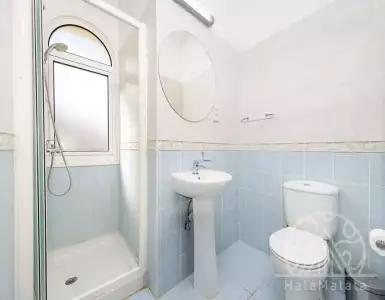
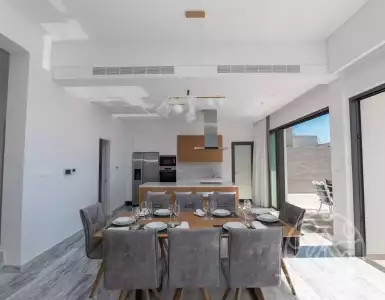
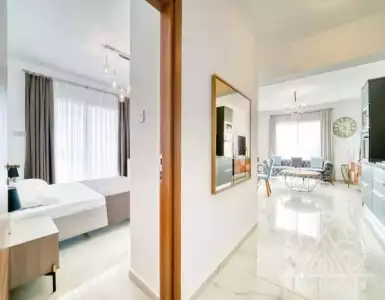
Purchases are concentrated in Larnaca and Limassol, usually apartments in the 100–200 m² range. Typical asking prices in those locations are $200,000–$300,000 for those units.
Key on-the-ground facts from brokers and council figures:
- At least 15,000 apartments in Cyprus are owned by Lebanese buyers (George Chehwane).
- Rental yields are reported at 7–8% annually in some properties.
- Price appreciation example: a flat bought in 2017 for $90,000 may now be worth no less than $160,000.
- About 300 Lebanese companies operate in Cyprus’s construction sector; Chehwane says his company sold more than 1,100 apartments in ten years.
These numbers explain why buyers working in the Gulf prefer installment plans and revenue from rentals over leaving money in Lebanese banks.
Cyprus vs Greece vs Dubai — pick your objective
If you are an investor or an expat choosing where to put money, the decision should be goal-driven. Here is how the three markets compare based on the reporting:
- Cyprus
- Greece
- Residency program thresholds have increased; in many areas min. investment rose from €250,000 to €800,000.
- Prices for apartments typically €300k–€400k, up to €700k–€800k in premium locations.
- Demand remains from higher-net-worth Lebanese investors but volume is lower than for Cyprus.
- Dubai
- Investment is speculative and not tied to residency.
- Promotional returns of 15–20% annual gains are often cited by sellers and agents (Maroun El Helou noted frequent marketing calls from Gulf cities).
- Construction supply may outpace demand, risking downward pressure on prices or rents.
We find the choice is straightforward when the goal is residency plus steady rental income—Cyprus is the more affordable option. If your objective is short-term capital gains, Dubai’s speculative markets may appeal but bring different risks.
Risks and structural concerns investors must weigh
The headline figures are compelling, but we must be blunt about risk.
- Regulatory shifts and program changes: Cyprus changed its investment pathways after the citizenship program scandals. Rules can shift again, affecting visa qualification, taxes and ease of transfer.
- Supply-demand mismatch: Dubai’s fast expansion raises the risk of oversupply; Cyprus could face similar local saturation if growth in developer activity outpaces genuine rental demand.
- Developer and contractor quality: The report notes around 300 Lebanese companies operating in Cyprus’s construction sector, but Chehwane warns of organizational and structural challenges among some.
- Market concentration: Heavy buying from one nationality can make local markets sensitive to that country’s shocks, policy shifts or currency moves.
- Liquidity and resale: While an apartment’s value can rise quickly, resale depends on local demand, buyer financing availability and macroeconomic conditions.
- Tax and legal exposure: Rental income and capital gains are taxable; cross-border tax treaties and residency status alter liabilities.
I have seen transactions stalled for months when title, permits or non-performing developers are involved. Due diligence matters more than ever.
Practical checklist for buyers and investors considering Cyprus property
If you are thinking of following the Lebanese trend and buying Cyprus property, these are the practical steps we recommend — based on investor experience and the issues raised in the reporting.
- Verify title and encumbrances with a Cyprus-licensed lawyer.
- Confirm the developer’s track record and ask for references and completed-project inspections.
- Get a clear payment-plan schedule and penalties clause; many Lebanese buyers prefer installments.
- Check residency conditions tied to the purchase and the exact threshold required for a residence permit.
- Model rental income conservatively — use 7% as an upper-end scenario and test lower yields.
- Factor in management fees, maintenance, vacancy and seasonal demand patterns.
- Clarify tax implications in Cyprus and Lebanon, and see whether bilateral tax treaties apply.
- Secure currency arrangements or hedging if you expect to repatriate income in a different currency.
- Insist on independent property valuation when buying a resale.
This checklist is designed to reduce common pitfalls we see in cross-border residential deals.
How the Lebanese market dynamic feeds Cyprus demand
Beirut has become more than a place for local sales; it is a marketing hub for foreign developers and brokers promoting overseas projects. Exhibitions, closed meetings and targeted advertising push the message of escaping local risks, diversifying assets and protecting family wealth. That sales machinery matters: it creates flows in two ways.
First, it educates buyers about payment plans and rental yield math; second, it channels Gulf-based Lebanese workers to products that match their investment horizon. The result is a buyer pool that prefers installment purchases over bank deposits in Lebanon.
Chehwane estimates that many of these buyers work in Gulf countries where salaries are higher and liquidity greater; they use Cyprus as a stable holding in euros and as a residency option for family members.
Returns and realistic expectations
The article’s figures are useful guideposts. Rental yields of 7–8% are reported, and the cited price appreciation — $90,000 to $160,000 since 2017 for one apartment — underlines past performance. But past performance is not a guarantee of future returns.





- Assume some months of vacancy, especially in tourist-heavy towns where seasonality is strong.
- Account for maintenance and property management fees.
- Stress-test for scenario of slower capital growth or temporary price corrections.
My analysis is that Cyprus can deliver steady returns for buy-to-let investors who accept moderate growth and residency benefits. For those chasing double-digit annual returns, markets oriented to speculation like Dubai have shown higher short-term gains but greater volatility.
The construction sector — opportunity and pressure points
The presence of around 300 Lebanese construction companies in Cyprus supports supply and provides local capacity, but it introduces complexity. Chehwane warns some companies are facing organizational and structural challenges. That is a technical way of saying there are risks in developer execution, warranty enforcement and long-term maintenance obligations.
For investors that means one practical rule: prefer developers with completed projects that you can inspect and with legal protections spelled out in the purchase contract.
What this means for other buyers and for local markets
A concentrated foreign buying community can help revive neighborhoods and fund new supply. But there are trade-offs:
- Local housing affordability may be affected if a large share of new-build stock is bought by absentee foreign owners.
- Local rental markets may become segmented between short-term tourist lets and longer-term family rentals.
- Municipal services and planning authorities may face pressure to upgrade infrastructure in newly built areas.
Policy changes in any of these areas — taxes, tenancy laws, residency thresholds — can change investment math quickly. That is why buyers should build contingency scenarios into their investment plans.
How to choose between Cyprus, Greece and Dubai for your objectives
Make the choice by asking three questions about your goal:
- Is residency or a European foothold important? If yes, Cyprus offers a lower entry point today than Greece.
- Do you seek short-term, high-return flips? Dubai markets such trades more directly but lack residency benefits.
- Do you want a mix of rental income and moderate capital growth? Cyprus and some Greek regions fit that profile, with Cyprus currently more accessible on price.
Weigh taxes, legal frameworks and your tolerance for developer or market risk when you make a decision.
Frequently Asked Questions
Can buying property in Cyprus get me residency?
Yes. Cyprus offers a residency route tied to investment of around $300,000, which has become a major driver of Lebanese buying activity since the higher-cost citizenship program was ended.
Are rental yields of 7–8% realistic?
Those yields are reported in the market and can be achieved with the right property and location, but you should model conservatively. Expect management fees, vacancy and seasonal demand to reduce net yield.
Is it safer to buy in Greece or Dubai instead?
Each market answers different investor needs. Greece is more expensive in many areas and attracts higher-net-worth buyers. Dubai is more speculative with advertised returns up to 15–20% but without residency. Cyprus is a compromise of affordability and residency benefits.
What are the main risks to watch for in Cyprus property deals?
Key risks are regulatory changes, developer performance, oversupply in some segments, tax exposures, and currency volatility when repatriating funds. Use a Cyprus lawyer and independent valuations.
Final practical takeaway
For buyers and investors focused on residency plus steady rental returns, Cyprus offers a clearly defined proposition: affordable entry around $300,000, active developer supply, and reported yields around 7–8%. That explains why Lebanese purchasers, many working in Gulf states, have acquired a large proportion of small-to-mid-sized apartments in Larnaca and Limassol and why at least 15,000 units are estimated to be Lebanese-owned. But success requires detailed legal checks, cautious yield projections and a willingness to accept the structural risks that come with a concentrated foreign buyer base in a small island market.
We will find property in Cyprus for you
- 🔸 Reliable new buildings and ready-made apartments
- 🔸 Without commissions and intermediaries
- 🔸 Online display and remote transaction

International Real Estate Consultant

Subscribe to the newsletter from Hatamatata.com!
Subscribe to the newsletter from Hatamatata.com!
Popular Posts

We will find property in Cyprus for you
- 🔸 Reliable new buildings and ready-made apartments
- 🔸 Without commissions and intermediaries
- 🔸 Online display and remote transaction
International Real Estate Consultant

Subscribe to the newsletter from Hatamatata.com!
Subscribe to the newsletter from Hatamatata.com!
I agree to the processing of personal data and confidentiality rules of Hatamatata


Need advice on your situation?
Get a free consultation on purchasing real estate overseas. We’ll discuss your goals, suggest the best strategies and countries, and explain how to complete the purchase step by step. You’ll get clear answers to all your questions about buying, investing, and relocating abroad.



Irina Nikolaeva
Sales Director, HataMatata