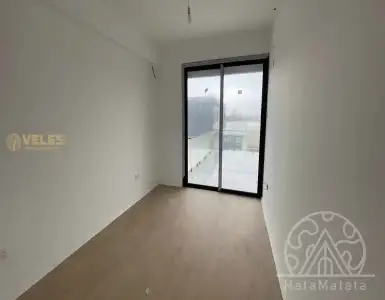
 431 693 $
Villa with 4 bedrooms in Famagusta, Cyprus
Bedrooms: 4 Bathrooms: 4
Famagusta, Cyprus
Submit RequestDiscover properties in Famagusta, Northern Cyprus. Enjoy Mediterranean lifestyle, beautiful beaches, rich history, and potential ROI. Perfect for living and investing.
 Maria Guven, Turkey and Cyprus Real Estate Expert
Updated:
431 693 $
Famagusta, Cyprus
Submit Request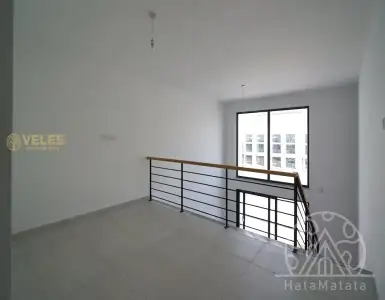 164 945 $
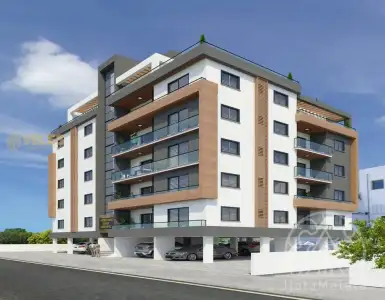 109 405 $
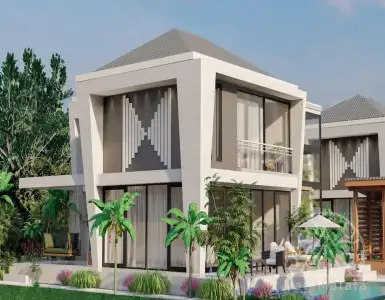 708 750 $
Famagusta, Cyprus
Submit Request 133 373 $
 89 560 $
Properties matching your filters: 145
431 693 $
Famagusta, Cyprus
Submit Request
164 945 $
109 405 $
708 750 $
Famagusta, Cyprus
Submit Request
133 373 $
89 560 $
 179 120 $
Famagusta, Cyprus
Submit Request 192 007 $
Famagusta, Cyprus
Submit Request 283 500 $
Leave a request and we will pick 3 best options for your budget
 139 106 $
 166 311 $
 252 220 $
 128 313 $
 204 089 $
 93 067 $
 58 150 $
 127 727 $
 102 566 $
We will send a selection for your budget
 Sea View view 205 262 $
 Sea View view 195 079 $
 154 041 $
 160 460 $
 783 046 $
 218 225 $
 Legal review:
Deni Gerikhanov, International Real Estate Lawyer
 Financial review:
Evgeniya Skripko, Financial Expert in International Real Estate
Reviewed:
Famagusta sits on the eastern coast of Cyprus as a coastal city that blends a centuries-old walled old town with long beaches and active university life. The city’s character is a mix of historic stone walls, sandy shorelines such as Long Beach and Salamis, and an expanding residential belt toward Iskele and Yeni Boğaziçi. Buyers looking to buy property in Famagusta find options from small studio apartments near the Eastern Mediterranean University to seafront villas with private access to the Mediterranean, and an investor market driven by tourism and student rental demand. The climate is Mediterranean with hot, dry summers and mild winters, making year-round occupation or holiday rental attractive for many international buyers.
Famagusta offers a lifestyle that combines seaside living, heritage tourism and a busy student population around Eastern Mediterranean University (EMU). The walled old town — Gazimağusa — has restored Venetian-era walls, narrow streets and converted mansions that attract buyers seeking character properties and boutique rentals. The coastline stretching east to Iskele and Salamis is where most new build property in Famagusta and resort-style developments are concentrated, delivering modern amenities and views.
Famagusta’s climate and beaches support a high season for tourism and a stable demand for short-term rental properties; in the off-season the student market and local professionals underpin longer-term lettings. Town center residents enjoy cafés, municipal services and cultural venues, while seaside residents target lifestyle and resort amenities such as beach access and promenades.
Famagusta’s accessibility and diversified buyer appeal mean you can find property in Famagusta that suits renters, retirees, second-home buyers and investors seeking both rental yield and capital growth.
Famagusta’s districts each present distinct buyer profiles and price dynamics. The Walled City (Old Town) is best for buyers wanting historical character and short-term boutique rentals; prices are moderate for restored stone buildings but renovation costs can be significant. Iskele / Long Beach (Uzun Kumsal) is the resort corridor where new developments and seafront villas dominate; this area suits holiday-home buyers and investors in tourism. Karaoğlanoğlu and Yeni Boğaziçi are expanding residential suburbs offering family homes and better long-term rental yields.
Safety and livability vary by district: the Walled City is lively at all hours with tourism; coastal suburbs are quieter but better planned for modern living. Infrastructure is concentrated near the university and coastal resorts, while some rural pockets have less frequent public services. Building density is highest along the coastline where resort complexes and apartment blocks cluster, while the Old Town favors low-rise, heritage conversions.
Target buyer profiles by neighborhood include: students and landlords around EMU, holiday renters and luxury buyers on Long Beach, families and long-term residents in Karaoğlanoğlu and Yeni Boğaziçi. Growth momentum is strongest in Iskele/Long Beach and areas adjacent to the Port and Salamis resort zone.
Famagusta property pricing ranges widely by district and property type, with starter apartments in suburbs often available from €45,000–€70,000 and well-located seafront apartments from €120,000–€350,000. Average price per square metre across popular coastal and central areas typically sits between €900–€1,300/m², while premium seafront villas can command €1,500–€2,500/m² depending on plot size and finish.
By property type the market breaks down approximately as follows:
Apartments (1–2 bed): €45,000–€180,000
Villas and detached houses: €180,000–€700,000
Townhouses: €90,000–€250,000
Commercial units (shops, offices): variable; €60,000–€400,000+ depending on location Recent market dynamics show steady demand driven by tourism and student housing, with rental yields in the range of 4–7% in well-located properties and higher yields possible for centrally rented student accommodation. Resale property in Famagusta can be sourced at discounts compared to new developments, but quality and certification vary.
Prices by district (approximate ranges):
Famagusta is connected by well-maintained roads to the Kyrenia–Nicosia trunk routes and the coastal highway that links the east coast. Road access to regional hubs typically takes 30–60 minutes to major cities depending on destination and traffic. Local bus services and minibuses provide frequent connections within the city, to Iskele and to key points like the Eastern Mediterranean University and the port area.
The nearest international gateways for many buyers involve crossing either the southern Cyprus border or using airports on the Turkish side; travel times vary by route and border formalities. There is no metro or tram system; private cars and shared minibuses are the primary forms of everyday transit in Famagusta.
Average travel times from Famagusta:
Famagusta benefits from a mix of municipal services, healthcare, education and leisure facilities that underpin both residency and rental demand. The city hosts Eastern Mediterranean University (EMU) with a student population that supports a robust rental market and ancillary services. Healthcare facilities include state clinics and private hospitals and specialist practices catering to residents and expatriates.
Shopping and leisure infrastructure comprises local shopping streets in the old town, modern supermarkets in suburban districts, and resort retail along Long Beach. Recreational amenities include public beaches (Long Beach, Salamis Beach), marina access points near the port, and archaeological parks such as the Salamis Ruins which drive tourism footfall.
Well-known facilities and anchors:
Famagusta’s economy is anchored by tourism, education, and port-related activities. Tourism is seasonal but strong thanks to beaches and archaeological sites; the presence of EMU also brings year-round economic input through staff and students. The partial reopening of Varosha (Maraş) area has influenced investment sentiment and planning interest in nearby zones, affecting land values and speculative activity.
Key employment sectors include hospitality, education, construction and retail. Small business growth and rental accommodation for students and tourists are among the most consistent revenue streams for local owners. Public and private investments in coastal infrastructure and promenades have increased the appeal of new developments in Iskele and the Salamis corridor.
Indicators investors watch:
Buyers will find a mix of new developments in Famagusta and resale property stock with different risk/reward profiles. New build property in Famagusta typically offers modern layouts, communal pools, security and developer warranties, and is concentrated along Long Beach and Iskele. Resale property in Famagusta includes renovated traditional houses in the Walled City and older apartments that can be renovated for higher rental returns. Off-plan property in Famagusta appeals to buyers seeking price advantage and staged payments but requires careful due diligence.
Building formats range from low-rise boutique conversions in the Old Town to mid-rise apartment blocks in suburban belts and villa estates on the seafront. Architectural styles vary from Mediterranean stone façades to contemporary glass-and-concrete resort buildings depending on the developer and plot.
Property types and typical sizes:
Famagusta’s new developments are delivered by a combination of local Turkish Cypriot builders and mainland Turkish contractors focused on the Iskele and Salamis corridors. Notable, verifiable local landmarks and project areas include the Salamis Bay resort zone and redevelopment initiatives adjacent to Long Beach; many developers collaborate with regional contractors for construction on these coastal plots. Construction quality varies, so buyers should review warranties, structural certificates and on-site inspections before committing.
Project features commonly offered in new developments:
Communal pools and landscaped gardens
On-site property management and rental programs
Parking, security and elevator access in mid-rise buildings
For buyers prioritizing reliability, work with established local agencies and request completed-unit inspections, municipality approvals and engineer certificates before purchase.
Typical developer offerings in Famagusta:
Foreign buyers can access mortgage financing in Northern Cyprus through local banks and sometimes through Turkish banks operating in the region; terms vary considerably by buyer nationality and lender policy. Typical lending conditions for non-residents often require a down payment of 30–40%, with loan-to-value rarely exceeding 50–70% for foreigners. Interest rates and tenors depend on the lender and currency of the loan; buyers frequently choose euro or Turkish lira financing depending on income and repayment plans.
Developers commonly offer installment plans for off-plan property in Famagusta; standard developer installment plans include staged payments aligned with construction milestones and may feature interest-free periods of 12–48 months for certain projects. Buyers interested in buy-to-let should model financing costs against expected rental yields of 4–7% to assess net ROI.
When planning financing, consider:
The typical property purchase process in Famagusta begins with a reservation deposit and a reservation agreement followed by a sales contract and technical due diligence. Buyers usually appoint a local lawyer and a chartered surveyor to check land registry records, building permits and outstanding debts connected to the property. The Land Registry (Tapu equivalent) issues title deeds after payment of purchase price, transfer taxes and registration fees.
Common payment methods include bank transfers in euros or agreed currency, staged payments for off-plan purchases, and certified funds for resale transactions. It is standard practice to secure a lawyer-approved contract and escrow arrangements for higher-value transactions to protect deposit and phased payments.
Key procedural steps:
Foreign ownership is allowed in Northern Cyprus with procedures at the Land Registry; however, legal nuances and transfer approvals can differ by plot and former status. Buyers must ensure land has clear title, lighting of ownership history and municipal approvals; legal counsel is essential to navigate restrictions and historical claims. Taxes on purchase and ongoing municipal rates apply, and transfer/registration fees typically fall within a moderate percentage of the purchase price—buyers should budget for transfer and registration costs in the low single digits percentage-wise plus legal fees.
Owning property in Famagusta may support applications for residence permits, often requiring proof of ownership and sufficient income to support residency; automatic citizenship is not guaranteed and, if available, is subject to strict government criteria. Taxation for rental income and capital gains depends on residency and local tax rules; consult a tax advisor to structure purchases and rental operations efficiently.
Practical legal checks:
Famagusta supports multiple property use cases that align with different districts and property types. For permanent residence, Karaoğlanoğlu and Yeni Boğaziçi offer family-friendly homes, local schools and quieter streets. For long-term rental and student accommodation, areas around Eastern Mediterranean University are prime because of consistent student demand. For short-term holiday rentals and high-season income, seafront apartments and villas along Long Beach / Iskele and properties near the Salamis resort area produce the best occupancy.
Investors seeking capital growth often target off-plan property in emerging coastal projects to secure lower entry prices and staged payments; risk-averse investors prefer resale units with proven rental records. Premium lifestyle buyers favor detached villas with private plots and sea views, frequently located in Iskele or on exclusive seafront parcels.
Use-case match examples:
Famagusta remains a market where careful due diligence and a clear strategy — whether for lifestyle, rental yield or capital appreciation — will shape successful acquisitions, with coastal demand and university-backed rental streams providing a reliable foundation for buyers considering property in Famagusta, from private owners to institutional investors.
Looking for a property in Famagusta? Leave a request — we will help you take into account all the nuances, and we will offer objects according to your personal request.