


Middle Eastern Money Targets Thailand’s Ultra-Luxury Homes — What Buyers and Investors Should Know

Middle Eastern buyers are turning to property Thailand — and fast
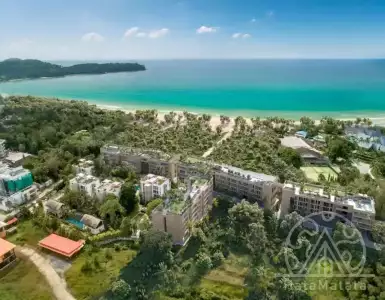
The conflict in the Middle East has had many knock-on effects. One that is attracting attention from developers, brokers and policymakers is a renewed wave of interest from wealthy buyers in the region for Thailand property. That interest is focused on the ultra-luxury end of the market: condominiums and villas priced at 50 million baht and up (about $1.4 million) in Bangkok and coastal destinations such as Phuket, Hua Hin and Chon Buri.
This is more than a travel trend. It is a commercial response to insecurity and a search for a long-term base that combines good healthcare, international schools and an agreeable cost of living. As analysts, we read the signs as an opportunity for Thailand’s property market, but one that comes with policy and market risks that deserve careful planning.
Why wealthy buyers from the Middle East are considering Thailand
Prasert Taedullayasatit, president of the Thai Condominium Association, told local media Thansettakij that enquiries are arriving through brokers and developers, including Ananda Development Plc. The reasons he and others cite are straightforward and measurable:
- Security and stability: Thailand is seen by some buyers as a safer base for long-term residence amid regional turmoil.
- Medical infrastructure: internationally recognised hospitals attract families who put health provision high on the checklist.
- Education: international schools that teach in English or other major curricula give parents confidence to relocate children.
- Relative cost of living: high-net-worth households report that quality of life in Thailand can be achieved at a lower expense than in major Western cities.
Those are not speculative claims. They are the exact factors that determine whether a family with means will swap a bolthole for a home. From our reporting, the pattern is that interest moves from short stays to longer commitments, once buyers satisfy themselves on these practical issues.
Where the money is going: cities, price points and product types
Developers say enquiries are concentrated in the high-end segments. Key takeaways:
- Price band: 50 million baht and over is the headline threshold that has attracted attention. That converts to roughly $1.4 million+ at current rates.
- Primary locations:
- Bangkok: luxury condominium towers in central business and high-end residential districts.
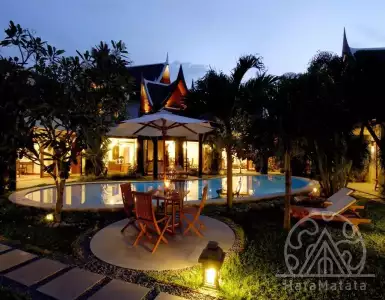
- Phuket: beachfront villas and exclusive condo developments with resort-style amenities.
- Hua Hin: low-rise villa communities and golf-facing homes appealing to family relocation.
- Chon Buri (including Pattaya): coastal villas and high-end condo projects aimed at sea-access lifestyles.
- Product types: the demand is split between full-service condominiums (freehold for foreigners is common at unit level) and private villas that offer privacy for families.
Developers and brokers report that interest is not purely speculative. Many enquiries are from buyers who plan to test Thailand as a family base, often renting or staying in serviced apartments for several weeks or months before deciding to purchase.
How buyers are testing Thailand before committing
We have heard the same story from property professionals across Bangkok and the islands: high-net-worth buyers often follow a staged decision process.
- Short-term stay in hotels or serviced apartments to assess climate, commuting and the local social scene.
- Private visits to hospitals and international schools to check standards, capacity and fees.
- Trial leasing of high-end condos or villas for several months to evaluate daily living logistics.
- If satisfied, negotiation with developers or private sellers on purchase terms, including foreign ownership structure.
This cautious approach benefits developers who provide flexible, concierge-level introductions. It also gives buyers time to evaluate the legal specifics: foreigners can generally own condominium units in freehold form up to statutory quotas, while land ownership has legal limits and therefore often requires alternative structures such as long leases.
The policy debate: visa schemes and incentives
Industry figures are urging the Thai government to move quicker on visa packages tailored to high-net-worth buyers. The point is simple: the right visa framework would reduce friction when wealthy families consider relocating. The sector suggests linking long-term visas to purchase or lease thresholds, echoing past measures introduced during the government of former prime minister Prayut Chan-o-cha.
Prasert told Thansettakij that the Middle East is a major pool of purchasing power and that if Thailand could attract just 1–2% of that demand it could bring 10–20 billion baht a year into the economy. Those figures highlight why developers and service providers — hotels, international schools, private hospitals and serviced-apartment operators — are pressing for a joined-up policy.
From our perspective, a well-designed long-stay visa tied to property thresholds would do two things:
- It would shorten the sales cycle by reducing uncertainty over the buyer’s ability to stay long-term.
- It would increase after-sales consumption in higher-margin sectors such as private healthcare and premium education.
But politics matters. Visa changes require careful calibration to avoid unintended social and fiscal consequences. The private sector’s request is logical, but it is not a guarantee of policy change.
What this means for the Thai property market and the economy
If the trend holds, the impact could be broader than the luxury real estate sector.







- Support luxury development pipelines in Bangkok and resort towns.
- Increase occupancy and average daily rates in high-end hotels and serviced residences.
- Boost demand for private healthcare services and international schooling.
- Encourage related high-end retail and bespoke services.
That said, the benefit is concentrated at the top end of the market. A surge of ultra-luxury sales will not directly ease mass housing shortages or change the mid-market for domestic buyers.
Risks and caveats investors must weigh
We are optimistic about the commercial logic, but realism matters. Buyers and investors should keep the following risks in mind:
- Policy uncertainty: visa and residency rules can change. The private sector’s request for long-term visa packages is not yet government policy.
- Foreign ownership rules: while foreigners can own condominium units in freehold form (subject to quota), land is generally restricted. Many buyers rely on long leases or other structures for villas.
- Concentration risk: relying on one source market for high-end demand—here, the Middle East—creates vulnerability if geopolitical conditions change or if currency volatility increases costs.
- Price sensitivity: the ultra-luxury segment can be more volatile than mainstream housing. Sales can slow quickly in periods of global uncertainty.
- Due diligence failures: cross-border buyers sometimes underestimate local taxes, transfer fees, and the practicalities of property management when resident abroad.
As we advise clients, these are manageable risks, but they require expertise. Proper legal advice, vetted local partners and conservative underwriting of expected returns are essential.
Practical advice for buyers and developers
For high-net-worth buyers from the Middle East and investors seeking exposure to Thailand property, we recommend the following checklist:
- Legal and ownership structure
- Confirm whether the unit is a foreign freehold condo or a leasehold interest.
- If buying a villa, seek specialist counsel on land ownership restrictions and long-term lease mechanics.
- Residency and visa planning
- Assess available long-stay visas such as the private “Thailand Elite” system and other schemes; check whether a purchase or lease would strengthen an application.
- Keep an eye on any new visa proposals that link property purchases with residency rights.
- Financial planning
- Factor foreign exchange risks and investigate local banking options for transfers and mortgage availability if required.
- Understand tax liabilities: transfer fees, withholding taxes on sellers, and property taxes for owners and rental income.
- Lifestyle checks
- Visit hospitals and international schools during the trial stay.
- Rent before buying to verify daily routines, service levels, and neighborhood fit.
- Use reputable advisors
- Work with internationally oriented brokers, licensed Thai lawyers and property managers who handle cross-border client needs.
For developers and local authorities, we outline a pragmatic route to convert enquiries into settled buyers:
- Offer longer-term trial packages that bundle serviced accommodation, school tours and medical appointments.
- Provide transparent ownership documentation and plain-English explanations of foreign ownership rules.
- Engage with policymakers to design residence-by-investment thresholds that are clear, enforceable and aligned with municipal services.
How to evaluate a luxury Thailand property as an investor
When appraising ultra-luxury properties, treat it as both a home purchase and an investment decision. Key metrics and indicators include:
- Comparable sales in the same micro-market over the past 12–24 months.
- Occupancy and rental performance of similar product if rental yield is part of the strategy.
- Developer track record and after-sales service, particularly for property management and rental facilitation.
- Quality and capacity of nearby private hospitals and international schools.
- Infrastructure and access: airport links, road connectivity and local amenities.
Remember that ultra-luxury properties often deliver value through scarcity and service rather than yield. If your strategy is long-term residency for a family, the calculus is different from a short-to-medium-term yield play.
Market signals to watch in the next 12–24 months
To gauge whether this Middle Eastern demand will translate into durable inflows, watch these indicators:
- Volume of signed purchase contracts by foreign buyers in the 50 million baht+ band.
- Any formal announcements from the Thai government on resident-by-investment or long-stay visa adjustments.
- Repeat bookings or longer leases from the same buyers transitioning to purchases.
- Developer announcements of overseas-targeted marketing campaigns, particularly in the Gulf.
A spike in signed deals and visa pathways would be a clear sign that interest is converting into tangible economic activity.
Frequently Asked Questions
Can foreigners buy property in Thailand?
Yes, foreigners can generally own condominium units in freehold form, subject to the building-level foreign ownership quota. Land ownership is restricted for non-nationals, which means many villa purchases use long-term leases or tailored ownership structures; always seek qualified local legal advice.
Is 50 million baht the new luxury benchmark?
Not exactly a universal benchmark, but industry feedback suggests that 50 million baht (roughly $1.4m) is an active price threshold for ultra-luxury demand from Middle Eastern buyers. Projects below that level still attract other buyer groups.
Will the government introduce special long-stay visas linked to property purchases?
Industry groups are lobbying for such measures, citing past schemes implemented under the government of former prime minister Prayut Chan-o-cha. No confirmed new policy is in place at the time of our reporting, so buyers should plan for residency uncertainty.
What returns can investors expect from luxury Thailand property?
Ultra-luxury property typically offers capital appreciation potential and lifestyle value rather than high rental yields. Yields are generally lower than mid-market rental homes; returns depend on selectivity, developer reputation and macroeconomic factors.
Bottom line: opportunity with conditions
Thailand appears to be on the radar of wealthy Middle Eastern buyers searching for a stable, family-friendly residence. The interest is concrete — enquiries filtered through brokers and developers, including Ananda Development Plc, point to real market activity in the 50 million baht+ segment in Bangkok, Phuket, Hua Hin and Chon Buri. Industry estimates suggest that capturing 1–2% of Middle Eastern purchasing power could bring 10–20 billion baht a year into the Thai economy.
That is a sizable prize but not a guarantee. Investors and buyers should do thorough legal and fiscal due diligence, account for visa uncertainty and be aware of market concentration risks. For developers and policymakers, the window to translate enquiries into settled buyers will depend on clear visa pathways, transparent ownership frameworks and services that help families test life in Thailand before committing.
If you are considering a purchase, make your first move a trial stay, then verify ownership rights and residency options with licensed advisors — and factor in the estimate that a 1% capture of Middle Eastern demand could add about 10 billion baht annually to Thailand’s economy.
Tags
We will find property in Thailand for you
- 🔸 Reliable new buildings and ready-made apartments
- 🔸 Without commissions and intermediaries
- 🔸 Online display and remote transaction

International Real Estate Consultant

Subscribe to the newsletter from Hatamatata.com!
Subscribe to the newsletter from Hatamatata.com!
Popular Posts

We will find property in Thailand for you
- 🔸 Reliable new buildings and ready-made apartments
- 🔸 Without commissions and intermediaries
- 🔸 Online display and remote transaction
International Real Estate Consultant

Subscribe to the newsletter from Hatamatata.com!
Subscribe to the newsletter from Hatamatata.com!
I agree to the processing of personal data and confidentiality rules of Hatamatata


Need advice on your situation?
Get a free consultation on purchasing real estate overseas. We’ll discuss your goals, suggest the best strategies and countries, and explain how to complete the purchase step by step. You’ll get clear answers to all your questions about buying, investing, and relocating abroad.



Irina Nikolaeva
Sales Director, HataMatata