


Nearly 1 Million Property Deals in France — Prices Stabilise, But Recovery Is Fragile

France’s property market is showing signs of life — and flatter gains
If you follow property France, the latest Notaires de France report gives a clear, measured picture: activity is returning but the recovery is fragile. The most striking headline is that the number of recorded transactions in the 12 months to December 2025 reached 945,000, up about 12% year on year after two years of decline. That sounds encouraging. It is not a return to boom conditions — activity remains 25% below the summer 2021 peak — and the way prices are moving tells a careful story.
In this article we unpack the data, explain what it means for buyers and investors, and point to the parts of the market that deserve particular attention in 2026.
What the Notaires de France data actually says
The Notaires de France release is the most comprehensive nationwide resource for housing prices because it records the closing prices of actual sales rather than relying on listings or indices with limited coverage. Key points from the latest cycle:
- 945,000 recorded transactions in the 12 months to December 2025, up ~12% compared with the prior year but still 25% below mid-2021 volume.
- National price indices in mainland France rose 0.7% year on year at Q3 2025 — the third consecutive quarter of positive growth.
- Price gains are concentrated in flats: flats +1.3%, houses +0.2% nationally (year on year at Q3 2025).
- Outside Île-de-France, the annual index also rose 0.7%, with flats +1.3% and houses +0.5%.
- Île-de-France recorded a 0.4% annual increase overall; flats +1.3%, houses -1.3%. In Paris, flat prices rose 1.9%; petite couronne +1.2%; grande couronne +0.2%.
- Forward-looking data from preliminary contracts (avant-contrats) to end-February 2026 suggest continued, modest growth: nationwide flats ~+1.4% and houses ~+0.4%; Île-de-France flats about +1.7% regionally and +1.5% in Paris, with houses around +0.8%.
The notaires emphasise that the recovery represents normalisation rather than a full rebound. The adjustment has been through longer selling times and negotiation pressure rather than abrupt price cuts.
Why flats are outperforming houses — and why that matters
The consistent outperformance of flats is the single clearest pattern in the data. I see several practical drivers behind it:
- Urban demand: higher-density areas, including Paris and major regional centres, remain attractive for renters and buyers who prioritise location, access to public transport and services.
- Affordability pressure: with mortgage rates still influencing buyer budgets, smaller dwellings with lower absolute prices are easier to finance than detached houses in many markets.
- Investor interest: buy-to-let investors often favour flats for rental liquidity and management simplicity.
What this means for buyers and investors:
- If you are hunting for capital-growth opportunities, flats in central and inner-urban locations (Paris and major regional cities) are showing the strongest momentum.
- For owner-occupiers seeking space, houses are not collapsing in value but price growth is weak; you should plan for longer marketing windows if you intend to sell later.
- Investors hoping to flip units quickly should temper expectations: the market is returning to balance through longer negotiation and sale cycles rather than rapid price revaluation.
I believe the preference for flats reflects a structural shift in demand patterns that outlasts short-term rate cycles, but it also concentrates risk: any shift in demand for urban living would hit the flat segment first.
Regional breakdown: Île-de-France versus the rest of France
The national snapshot masks important regional differences. The two dominant stories are the partial recovery in Île-de-France and broadly parallel, modest gains in the provinces.
Île-de-France (Paris region)
- The region has exited an extended period of price decline: +0.4% year on year at Q3 2025.
- Flats drove recovery with +1.3%, while houses continued to fall -1.3%.
- Micro-trends: Paris flats +1.9%, petite couronne flats +1.2%, grande couronne flats +0.2%.
These figures show that central urban markets are regaining demand faster than suburban and peri-urban housing. For buyers this means opportunity in well-located apartments, but sellers of suburban houses still face a tougher market.
Outside Île-de-France (the provinces)
- Annual index change at Q3 2025: +0.7% overall, with flats up +1.3% and houses +0.5%.
- The provinces are not following an identical trajectory to Paris, yet the broad pattern is similar: flats gain more than houses.
From an investment perspective, provincial secondary cities can offer value and yield if you focus on transport hubs, university towns and employment centres where rental demand is robust.
Transaction volumes, timing and negotiation — behavioural shifts that matter
Volume data matters because it tells us how many deals are actually happening, not just how prices are moving. The report shows an improving volume trend, but with important caveats:
- Transaction volumes rose by ~12% year on year (12 months to Dec 2025), yet total activity remains 25% lower than summer 2021.
- Sales are completing more slowly; price adjustment is happening through negotiation and longer marketing periods rather than flash reductions.
For buyers this is useful: sellers are often more willing to negotiate terms and price, but you must be realistic about timelines. I recommend:
- Building flexibility into purchase offers for longer completion windows.
- Using preliminary contract (avant-contrat) data and notaires’ pipeline information to sense where a micro-market is moving.
- Expecting negotiation leverage in segments with weaker demand, notably detached houses in some Île-de-France suburbs.
Sellers must be prepared for protracted marketing and to set reserve prices in line with nearby comparable sales rather than aspirational pre-2022 peaks.
Forward projections into early 2026 — what the avant-contrats indicate
Notaires de France use avant-contrats to build a forward-looking view. The preliminary indicators to end-February 2026 suggest continued modest growth, concentrated in flats:
- Nationwide projections: flats ~+1.4%, houses ~+0.4% (annualised).
- Outside Île-de-France: flats ~+1.2%, houses ~+0.3%.
- Île-de-France: flats ~+1.7% regionally and ~+1.5% in Paris; houses ~+0.8%.
Those estimates imply more of the same: a measured, uneven recovery led by apartments.
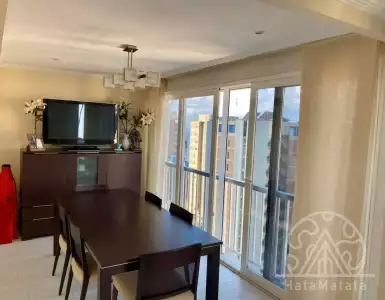
 3
3
 2
2
 109
109
 2
1
68
2
1
68
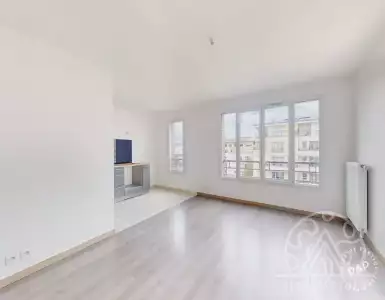 1
1
46.50
1
1
46.50
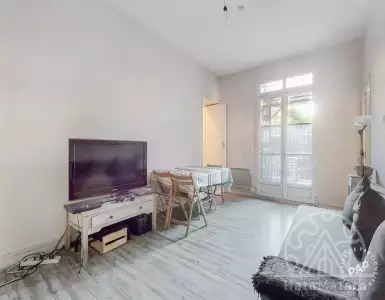 2
1
48
2
1
48

Practical advice for buyers and investors — our analysis
We translate the data into specific, actionable points.
If you are a buyer looking for a home:
- Prioritise financing clarity. Mortgage rate movement remains the dominant short-term risk to affordability, so secure rate quotes early.
- Plan for a longer purchase timeline and include flexible clause terms in offers.
- In Paris and select regional cities, expect tighter competition for well-priced flats; act decisively when fundamentals match your needs.
If you are an investor or landlord:
- Focus on flats in urban centres for capital appreciation prospects; the notaires data show these segments outperforming.
- Consider rental demand drivers: transport links, employment density and student populations will keep occupancy high.
- Avoid assuming rapid resale gains; the current market rewards steady, income-oriented strategies more than quick flips.
If you are a seller:
- Adjust expectations to a market that is normalising — price to recent comparable recorded sales, not to 2021 peaks.
- Recognise negotiation is back at the table: be ready to accept reasonable offers rather than waiting for a swift rebound in price.
If you are an overseas buyer or expat:
- Work with a notaire or local attorney early to understand taxes, fees and timeline nuances; French conveyancing remains formal and can extend closing dates.
- Exchange-rate risk and financing terms in your home country matter; factor them into your affordability calculations.
Risks and caveats — why the recovery may be fragile
The data are encouraging, but the notaires and our analysis point to several risks that could slow or reverse the improvement:
- Interest-rate sensitivity: buyer budgets remain tied to mortgage rates; if rates rise again, affordability will contract and activity could slow.
- Uneven regional performance: houses in some markets are still falling and could depress national sentiment if weakness spreads.
- Macro shocks: unemployment, a sharp economic slowdown or fiscal shifts could reduce buyer demand quickly.
The report’s methodology itself is conservative: the core indices reflect sales completed by end-September 2025, with avant-contrats used for later signals. That makes the picture robust, but also backward-looking to an extent. Use the forward contract indicators to sense current momentum, but expect revisions.
Data limitations and technical notes you should know
For readers who rely on accurate metrics, the report has some important technical details:
- The notaires focus on median sale prices for non-new build property — houses and flats at least five years old with a previous owner — so new-build markets are excluded.
- The main published indices reflect transactions recorded up to 30 September 2025; the notaires supplement that with preliminary avant-contrat data to end-February 2026 for short-term projections.
- Year-on-year comparisons use the index values at quarterly cut-offs rather than rolling monthly measures; that reduces volatility but smooths short swings.
I advise cross-referencing notaires data with local market reports and mortgage market trends for a holistic view.
Frequently Asked Questions
How strong is the recovery in the French real estate market?
The recovery is modest and cautious: 945,000 transactions in the 12 months to December 2025 (up ~12% YoY) and a national price index up 0.7% YoY at Q3 2025. It reads as normalisation from the post-pandemic surge rather than a sharp rebound.
Are prices rising everywhere in France?
No. Price growth is uneven. Flats are leading with national gains of +1.3%, while houses recorded +0.2% at Q3 2025. Île-de-France showed a return to slight growth overall (+0.4%), but house prices there were still down -1.3%.
Should investors focus on Paris or regional cities?
Both have merits. Paris and inner-urban flats show stronger short-term momentum (Paris flats +1.9% YoY at Q3 2025), but selected regional cities offer value and rental yield potential. Your choice should reflect risk tolerance, financing access and management capability.
How should buyers handle financing risk?
Secure mortgage offers or conditional rate ‘bookings’ where possible, and model purchases against a range of interest-rate scenarios. Longer sale times mean you should avoid tight cash-flow schedules that assume rapid resale.
Final takeaway
The Notaires de France data show a market in recovery mode with 945,000 recorded transactions in the year to December 2025, a ~12% increase on the prior year and a 0.7% national price rise at Q3 2025, driven by flats (+1.3%). The gains are modest and uneven; buyers and investors should plan for longer timelines, monitor mortgage rates closely, and prioritise well-located apartments if their aim is capital growth. If you are active in the market now, treat the situation as an orderly normalisation rather than a new boom and prepare accordingly.
We will find property in France for you
- 🔸 Reliable new buildings and ready-made apartments
- 🔸 Without commissions and intermediaries
- 🔸 Online display and remote transaction

International Real Estate Consultant

Subscribe to the newsletter from Hatamatata.com!
Subscribe to the newsletter from Hatamatata.com!
Popular Posts

We will find property in France for you
- 🔸 Reliable new buildings and ready-made apartments
- 🔸 Without commissions and intermediaries
- 🔸 Online display and remote transaction
International Real Estate Consultant

Subscribe to the newsletter from Hatamatata.com!
Subscribe to the newsletter from Hatamatata.com!
I agree to the processing of personal data and confidentiality rules of HatamatataPopular Offers



Need advice on your situation?
Get a free consultation on purchasing real estate overseas. We’ll discuss your goals, suggest the best strategies and countries, and explain how to complete the purchase step by step. You’ll get clear answers to all your questions about buying, investing, and relocating abroad.



Irina Nikolaeva
Sales Director, HataMatata