


Nice Property Prices Rise to €5,400/m² — A Riviera Market That Leaves Locals Behind

Nice’s price tag: how a French Riviera dream turned into a housing squeeze
Nice has confirmed its place near the top of the real estate France rankings with an average price of €5,400 per square metre. The figure is not academic: it means that a standard apartment pushes many buyers out of the market, and it helps explain why readers tell a double story of love for the Côte d’Azur and daily exasperation with life in the city.
In the past ten years prices in Nice have climbed 40%, and for the second year running the city sits just behind Paris in terms of property cost. Those are headline numbers, but the lived reality — reflected in reader comments — is about more than averages. It is about where money goes, who wins and who loses, and how a popular tourism hub becomes a challenging place to live for working residents.
What the numbers tell us
The simple statistics from our reporting capture the main dynamics:
- €5,400 per square metre is the reported average price in Nice.
- Price growth over ten years: +40%.
- Nice is second most expensive city in France, after Paris, for the second consecutive year.
- Local department Alpes-Maritimes is third most expensive in France.
- Annual tourist arrivals: 5 million visitors a year.
- Examples from the market: a 100 m² flat in Old Nice advertised at €880,000; a new-building ad quoting €9,000/m² on Avenue Auguste Gal.
Those facts matter for buyers and investors. At these levels, yield calculations change: the headline purchase price lifts the break-even point for rental investment and raises the bar for affordability among local workers.
Why buyers keep paying up: the pull factors
Nice’s geography and connectivity explain a great deal of the demand. Readers repeatedly mention the same attractions: sea, sun, proximity to mountains and to economic hubs. Here are the main drivers we see.
- Location advantages: the Mediterranean climate, beaches and the Old Town are recurring selling points.
- Transport and accessibility: Nice has an international airport and high-speed train connections, making it a hub for domestic and international traffic.
- Proximity to Monaco and Italy, plus regional nodes like Sophia Antipolis, increase cross-border economic demand.
- Tourism and short-term rental income: the steady arrival of visitors supports short-let markets and investor interest in holiday rentals.
As one reader, Didier, described it, Nice has “the airport, the high-speed train, Monaco, Italy, the sea, the mountains, Sophia Antipolis.” Another, Benjamin, said the city is “a victim of its own success.” Those comments mirror how location premium and liquidity in the market keep pushing prices up.
The other side: everyday life and the costs residents complain about
High prices have consequences beyond the transactional. Our readers painted a second face of Nice: a place prized for lifestyle yet marked by urban issues that undercut the premium.
Key resident grievances include:
- Cleanliness: “Dirt is really a problem,” said reader Mila; concerns about public space maintenance are common.
- Safety: several readers called out insecurity in parts of the city; Claude labelled Nice “the most expensive, but also one of the most unsafe.”
- Traffic congestion: long-time resident Stéphane highlighted persistent jams and difficult neighbourhoods.
- Quality of public beaches and services: Véronique said Nice is “the most expensive, the least secure, the least welcoming and [with] mediocre beaches.”
These problems matter for value: buyers pay more expecting better services and a higher quality of life. When those fall short, the premium looks harder to justify for residents who face the daily consequences.
How tourism and short-term rentals shape the market
Tourism is a major force. With 5 million visitors a year, holiday demand fuels short-term lettings through platforms such as Airbnb. Several readers directly attribute price rises to the tourist economy: Oriane quipped, “We can thank the tourists, Airbnb and everything that goes with it.”
Effects to note for investors and locals:
- Short-term rental demand supports high nightly rates in peak season but produces a seasonal income profile.
- The attractiveness of holiday rentals reduces long-term rental supply, increasing rents and purchase prices for investor buyers who aim for capital appreciation.
- Local residents face reduced availability of affordable housing, particularly in central and historic districts.
That combination will keep some investors interested while squeezing the housing options for workers and families.
Taxes and public spending: a local political angle
Local taxation appears in many reader comments as a contributing factor to the cost of living. Several readers believe property-related taxes are high; Jeannot called out what he sees as “the most exorbitant property tax in France,” while Jean-François suggested Nice is a leader when it comes to that tax burden.
At the same time, Jean-Philippe linked tax increases to visible public works: “It’s normal with all the construction work going on in Nice.” The net effect is mixed: higher local taxes can both raise owners’ carrying costs and finance improvements that sustain property values. For buyers and investors the key is to factor in recurring fiscal charges alongside the purchase price when modelling returns.
Affordability: the core social risk
Readers consistently highlight the gap between incomes and housing costs. Karen put it bluntly: “Almost as expensive as Paris with lower salaries.” That observation is critical. When wages do not keep pace with housing costs, two outcomes follow:
- Working households are priced out of central areas and sometimes leave the city, as retiree Paganoni did when moving to the Var.
- Long-term residents find themselves under pressure, and the social fabric of neighbourhoods may change as wealthier buyers or short-term lets replace local households.
This is not a theory; Martine said “working people struggle to find housing,” and Philippe called the situation “a tragedy for native Niçois.” For policymakers, the balance between tourist income and residential affordability is a pressing issue.
What this means for buyers and investors — practical takeaways
Weighing the numbers and the reader testimony, here is our practical analysis for those considering properties in Nice.
- For buyers seeking a lifestyle purchase: expect to pay a premium for central locations and sea views. If you value access to the Old Town and Promenade des Anglais, that premium is already priced in.
- For buy-to-let investors focused on short-term rentals: the tourist market can deliver high gross yields in season.
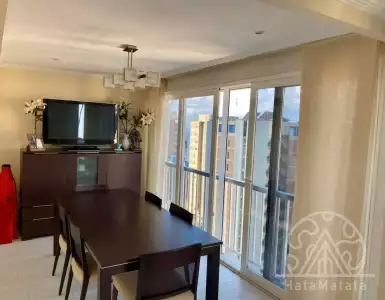
 3
3
 2
2
 109
109
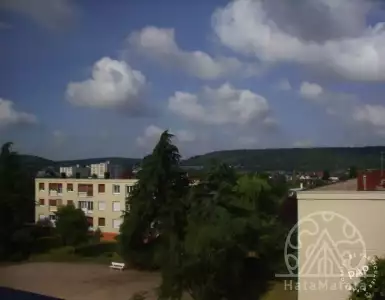 2
1
68
2
1
68
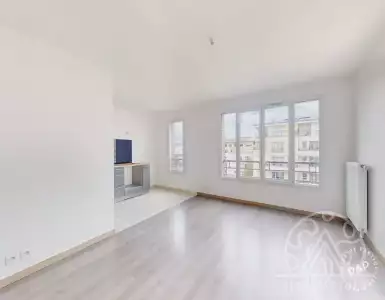 1
1
46.50
1
1
46.50
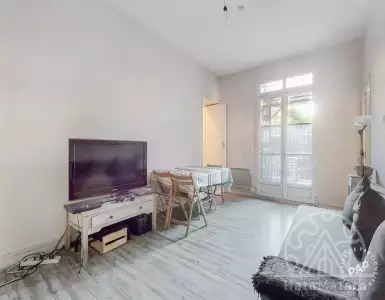 2
1
48
2
1
48
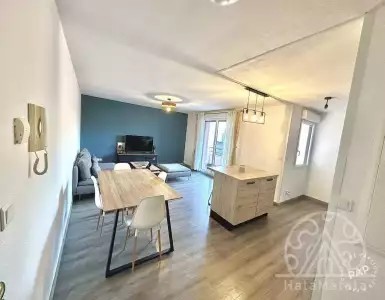
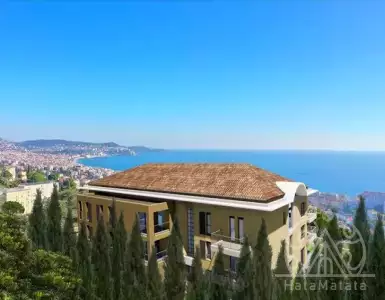
Practical checklist before purchase:
- Compare advertised prices with recent transaction data for the same neighbourhood.
- Include annual property tax and local service charges in your cashflow model.
- Assess rental demand seasonality and short-term let regulations that might affect Airbnb-style income.
- Factor in maintenance for older stock, especially in historic Old Nice buildings where renovation costs can be high.
Market mechanics: supply constraints and persistent demand
The market pressure in Nice is not a single cause story. Instead, it is the sum of several trends that reinforce one another:
- Strong demand from domestic and foreign buyers looking for lifestyle and investment properties.
- Limited core-city supply, particularly in desirable central districts.
- A competitive short-term rental market that reduces long-term residential supply.
- Local fiscal decisions and infrastructure projects that affect owners’ costs and the city’s attractiveness.
Given these dynamics, the headline conclusion in our reporting is unsurprising: price growth over the past decade has been strong and the supply-demand imbalance suggests the trend does not seem likely to change quickly.
Regional context and comparisons
Nice’s status near the top of French price rankings is clearer when placed in its regional context. The department of Alpes-Maritimes is third most expensive in France, reflecting high asset values across coastal towns. Paris remains the most expensive city, with Nice following in second place.
Buyer behavior reflects this hierarchy. Those priced out of Nice sometimes look to neighbouring coastal towns or the hinterland for more affordable options. That migration changes local housing dynamics in both source and destination areas.
Risks to watch
Investors and buyers should keep several risks in view:
- Market sensitivity to tourism flows: shocks to travel, such as health crises or travel restrictions, could reduce short-term rental income.
- Political and regulatory responses to housing affordability: local rules on short-term rentals or stricter enforcement could reduce investor returns.
- Service and amenity decline: if complaints about cleanliness, safety and traffic are not addressed, the quality premium paid by buyers could erode.
Those risks reduce the margin of safety for speculative purchases and mean that careful due diligence matters more than ever.
Our assessment: who benefits, who loses
Nice is rewarding for buyers who prioritize location and who can absorb high entry prices, either for personal use or for seasonal rental income. The market suits those seeking capital appreciation in a city where demand outstrips supply. Conversely, local wage-earners, families and long-term residents are the ones most squeezed by the current dynamic, according to many readers.
From an investment perspective, returns are conditional: you must model taxation, seasonality and the cost base. From a social perspective, the gap between housing cost and local salaries is the key problem flagged by residents — a source of displacement and frustration that taxes and tourism income have not resolved.
Frequently Asked Questions
Is Nice now the second most expensive city in France?
Yes. For the second consecutive year Nice ranks just behind Paris in property prices, with an average of €5,400 per square metre.
How fast have prices risen in Nice?
Over the past ten years prices in Nice have increased by 40%.
What role does tourism play in housing prices?
Tourism is a major factor. Nice attracts 5 million visitors a year, and short-term rental demand via platforms like Airbnb reduces the long-term rental stock and lifts prices, according to resident testimony.
Can local workers still afford housing in Nice?
Many readers say no. The gap between local salaries and housing costs is a recurring complaint. Several people reported that working households struggle to find affordable housing and some long-term residents have moved away.
We conclude with a practical observation: if you are buying in Nice, build a realistic cashflow model that includes purchase price, expected seasonality in rental income, annual local taxes and likely renovation costs — only with that detail will you see whether a property is an investment or an expensive lifestyle decision.
Tags
We will find property in France for you
- 🔸 Reliable new buildings and ready-made apartments
- 🔸 Without commissions and intermediaries
- 🔸 Online display and remote transaction

International Real Estate Consultant

Subscribe to the newsletter from Hatamatata.com!
Subscribe to the newsletter from Hatamatata.com!
Popular Posts

We will find property in France for you
- 🔸 Reliable new buildings and ready-made apartments
- 🔸 Without commissions and intermediaries
- 🔸 Online display and remote transaction
International Real Estate Consultant

Subscribe to the newsletter from Hatamatata.com!
Subscribe to the newsletter from Hatamatata.com!
I agree to the processing of personal data and confidentiality rules of Hatamatata

Need advice on your situation?
Get a free consultation on purchasing real estate overseas. We’ll discuss your goals, suggest the best strategies and countries, and explain how to complete the purchase step by step. You’ll get clear answers to all your questions about buying, investing, and relocating abroad.



Irina Nikolaeva
Sales Director, HataMatata