


Pacaso Offers a Slice of Tuscany: 1/8 Share in Casa Bianca from €465,000

Pacaso brings real estate Italy access to a medieval Tuscan village
If you have been watching the real estate Italy market for ways to own a second home without full maintenance headaches, Pacaso's arrival in rural Tuscany will catch your eye. The company has listed Casa Bianca, a four-bedroom stone house in the medieval village of Castiglioncello del Trinoro, and is selling fractional ownership starting at €465,000 for a 1/8 share.
This is more than a typical vacation listing; it is a new way to own property in a UNESCO-listed rural area while outsourcing day-to-day management. For buyers and investors used to single-owner villas in Tuscany, the offer is impressive on paper — but it raises practical questions about use, costs, taxes and resale that merit careful attention.
What Casa Bianca is: the house, the village, the setting
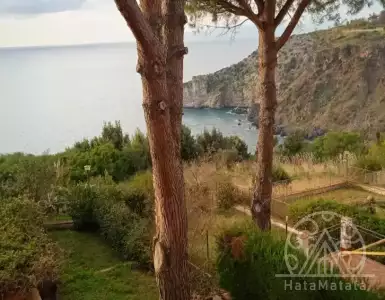
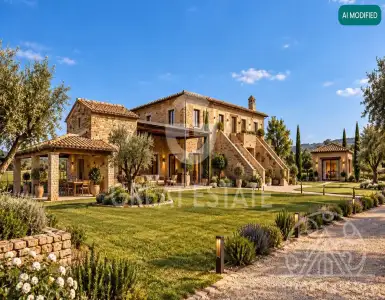
Casa Bianca sits atop an ancient volcanic outcrop in Castiglioncello del Trinoro, inside the Val d'Orcia, a region designated as a UNESCO World Heritage site. The home combines traditional stone construction with modern fittings.
Key facts:
- Size: approximately 2,400 sq ft (about 223 sq m)
- Bedrooms/bathrooms: 4 bedrooms and 4 bathrooms
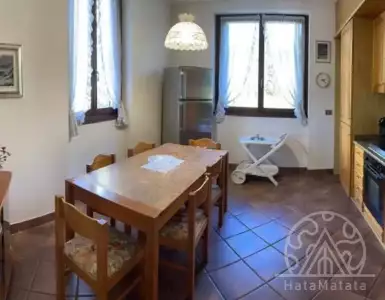
- Interior features: exposed wood beams, herringbone tile floors, arched doorways, terracotta details, a fully appointed chef's kitchen and en suite bedrooms
- Extras: private courtyard, wine cellar, sweeping rural views
- Proximity: roughly two hours north of Rome and less than two hours south of Florence, within easy reach of Siena, Montalcino and Montepulciano
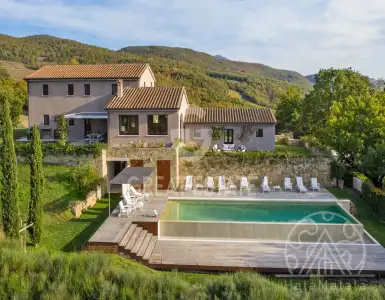
A distinguishing element is the way the property is integrated with village life. Casa Bianca owners have access to the public amenities of a nearby boutique hotel — spa, pool, cooking classes and an acclaimed restaurant — all a short walk away. That combination of private home scale and hotel-style services is central to Pacaso's pitch.
How Pacaso's co-ownership model works for Italian property
Pacaso is a technology-enabled marketplace that buys and sells shares in curated second homes and then manages those properties for co-owners. The company was co-founded in 2020 by Austin Allison and Spencer Rascoff. Casa Bianca is Pacaso's first home in rural Italy and its first in Tuscany.
What Pacaso is offering with Casa Bianca:
- 1/8 shares available, starting at €465,000 (the company markets this as ownership, not a timeshare)
- The home is fully furnished and will be professionally managed from day one
- Owners schedule stays using Pacaso's SmartStay™ system
- Pacaso manages maintenance, operations and resale logistics through its platform
From a legal and operational viewpoint, Pacaso positions this as a simpler route to owning a vacation property: you gain title to the fractional share and Pacaso handles the repetitive administrative tasks. That matters for buyers who do not want to deal with local contractors, seasonal turnovers, or property managers based abroad.
Who this product is for — buyer profiles and investment lenses
Pacaso's model fits certain buyer types better than others. Based on the product and location, I see three main profiles:
- Buyers who want a hands-off second home near cultural and wine destinations in Tuscany and are willing to share the calendar and costs
- Families or groups who prefer ownership over long-term rentals, who can coordinate fractional use with relatives or friends
- Affluent international buyers who value access to hotel-grade services and a turnkey approach to foreign property ownership
What Casa Bianca is unlikely to suit:
- Buyers seeking full control of a property year-round or 24/7 access
- Investors focused on short-term rental income without clear rental mechanics from Pacaso; the listing emphasizes owner use and management rather than a rental business model
- Buyers unwilling to accept shared decision-making on matters that require co-owner governance
From an investment perspective, the appeal rests on the desirability of a Tuscan location and Pacaso's claim to make ownership easier. But co-ownership can complicate liquidity and governance: resale depends on demand for fractional shares, and the structural arrangement matters for taxes and inheritance in Italy.
Practical considerations and due diligence for prospective buyers
Owning a share in a Tuscan home through an American-based platform requires local legal, tax and practical checks. Here are steps any serious buyer should take before committing:
- Review Pacaso's ownership agreement line by line. The company manages the home, but the contract defines usage rights, maintenance responsibilities, dispute resolution and resale procedures.
- Confirm how occupancy scheduling is allocated and what blackout dates or peak-season rules exist through the SmartStay system.
- Consult an Italian notary (notaio) to verify how fractional ownership is recorded in the public land registry and whether the share is held through a local entity or recorded as co-ownership among individuals.
- Obtain tax advice from an Italian fiscal expert about property taxes, IMU and potential income reporting requirements for non-resident owners.
- Understand inheritance rules: Italian law may treat ownership shares differently than Anglo-American jurisdictions, and succession planning can be more complicated for non-resident owners.
- Ask for a breakdown of ongoing costs: maintenance, utilities, management fees and any capital reserve contributions.
- Verify insurance coverage for damage, liability and loss of income if applicable; confirm who arranges and pays premiums.
- Check visa and visitor logistics if you plan frequent stays: owning property in Italy is not equivalent to residency, and travel rules still apply for non-EU citizens.
These steps are not theoretical. Structures vary: some fractional ownerships are set up as corporate entities, others as commonhold co-ownership. How the title is held affects taxes and the ease of future resale.
Market context: what Pacaso's move means for Tuscany and the Italian property market
Pacaso is expanding into one of the most elite rural markets in the world. Tuscany has long drawn foreign buyers for villas and farmhouses; the Val d'Orcia area in particular commands interest because of its cultural heritage and proximity to famous wine-producing towns.
From a market perspective:
- The listing signals demand among high-net-worth buyers for a managed, lower-friction route to owning countryside property in Italy.
- By offering fractional shares, Pacaso lowers the headline entry price to a part of a villa, making ownership accessible to buyers who might otherwise find whole-villa prices prohibitive.
That said, fractional ownership is not the same as traditional ownership. The product trades off absolute control for convenience and predictability. For some buyers that trade-off is acceptable; for others, the loss of singular control and the potential resale complexity are deterrents.
I expect certain ripple effects:
- Local agents and owners may see heightened interest in Tuscan homes that can be structured for shared ownership.
- Buyers who want an Italian address but do not want management hassle may increasingly prefer professionally managed shares over privately arranged co-ownership groups.
However, there are risks for market participants. Fractional models can create thin liquidity for resale if the buyer pool for partial shares is smaller than for whole properties. Local governance and the social dynamics of living in a small medieval village also matter: neighbors in a village like Castiglioncello del Trinoro expect continuity and respect for community rhythms.
Operational details: access, amenities and daily life
One of Pacaso's selling points is access to hotel-grade services while living in a private home.




- Spa and pool
- Cooking classes
- Restaurant access
From a lifestyle standpoint this is a clear benefit. You get the scale and privacy of a standalone villa plus day-to-day services without hiring separate staff. For international owners who visit a few weeks a year, that convenience can be worth a premium.
On the flip side, village life in places like Castiglioncello del Trinoro is defined by seasons and slow rhythms. Local services may be limited outside peak tourist months. If you expect bustling nightlife or constant international services year-round, the reality will feel different.
Governance, resale and long-term ownership questions
Pacaso states that it handles management and ensures "seamless resale" through its platform. That is useful, but buyers should probe further:
- How does Pacaso price resale shares? Is there a cap or floor mechanism?
- What happens if a co-owner defaults on fees or wants to exit early?
- Who makes decisions about significant capital improvements or repairs that exceed routine maintenance budgets?
These are governance issues that can materially affect the value and experience of ownership. In a market like rural Tuscany, where properties have heritage elements and local rules, the cost and timing of repairs can differ from other countries.
Tax and legal pitfalls specific to cross-border buyers
I am deliberately cautious on tax specifics because Italian tax law is complex and personal circumstances vary. Still, there are common areas to check:
- Property tax regimes and local municipal charges
- How non-resident owners report and pay taxes on any income or capital gains
- Stamp duties and transaction costs at purchase
- Whether the fractional share structure triggers any unexpected liabilities under Italian civil code
Get independent professional advice in Italy before signing. Don't assume that a U.S.-style HOA or management company structure maps directly onto Italian property law.
Final assessment: convenience versus control
Pacaso's Casa Bianca brings a practical pathway to owning a Tuscan home with less friction. A 1/8 share starting at €465,000 is headline-grabbing because it lowers the initial outlay to a part of a storied location in the Val d'Orcia. The inclusion of hotel amenities and Pacaso's management system are strong selling points for buyers who value turnkey solutions.
Yet this convenience comes with trade-offs: shared governance, possible resale constraints and cross-border legal complexity. Our read is that this product suits buyers who prioritise lifestyle and convenience over sole ownership, who accept shared decision-making, and who will perform thorough due diligence on Italian legal and fiscal implications.
If you are interested, begin with a careful review of Pacaso's ownership documents, meet a local notary, and run scenarios with a tax adviser. Ownership in Tuscany can be deeply rewarding, but it works best when the legal and operational arrangements match your expectations.
Frequently Asked Questions
Q: What is the minimum investment to own a share in Casa Bianca?
A: A 1/8 share starts at €465,000, according to Pacaso's listing. That is the entry price for a fractional ownership stake; buyers should also budget for ongoing fees and potential taxes.
Q: Will Pacaso manage the property for owners?
A: Yes. Pacaso will fully furnish and professionally manage Casa Bianca from the first day of ownership and provide scheduling through its SmartStay™ system.
Q: Can I rent out my time or use the home as an investment property?
A: Pacaso's announcement emphasises owner use and professional management. The listing does not detail a standard short-term rental programme for owners. Prospective buyers should ask Pacaso directly how rental or income-generating uses are handled and check tax implications with an advisor in Italy.
Q: What legal steps should international buyers take before buying a share?
A: Seek a local Italian notary to confirm how the share is recorded, consult an Italian tax specialist about ongoing liabilities, and review the ownership agreement for scheduling, dispute resolution, and resale rules.
If you want a slice of Tuscany with limited operational hassle, the headline figure is clear: €465,000 for a 1/8 share. Before you click to reserve, confirm the ownership structure with a notaio and get tax advice so the practical costs match your expectations.
Tags
We will find property in Italy for you
- 🔸 Reliable new buildings and ready-made apartments
- 🔸 Without commissions and intermediaries
- 🔸 Online display and remote transaction

International Real Estate Consultant

Subscribe to the newsletter from Hatamatata.com!
Subscribe to the newsletter from Hatamatata.com!
Popular Posts

We will find property in Italy for you
- 🔸 Reliable new buildings and ready-made apartments
- 🔸 Without commissions and intermediaries
- 🔸 Online display and remote transaction
International Real Estate Consultant

Subscribe to the newsletter from Hatamatata.com!
Subscribe to the newsletter from Hatamatata.com!
I agree to the processing of personal data and confidentiality rules of Hatamatata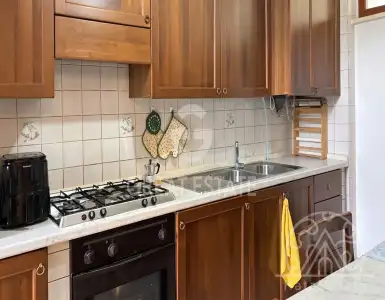
Need advice on your situation?
Get a free consultation on purchasing real estate overseas. We’ll discuss your goals, suggest the best strategies and countries, and explain how to complete the purchase step by step. You’ll get clear answers to all your questions about buying, investing, and relocating abroad.



Sales Director, HataMatata