


Paris prime property rises 12% since pandemic as central supply falls under 2,000 homes

Paris prime property: why prices climbed while stock ran thin
Paris real estate remains a magnet for global capital, and that matters for anyone buying property France today. Prices in the city’s prime segments have climbed despite a softer volume of transactions, driven by a mix of historical scarcity, strict planning rules and steady demand for rare formats such as pied-à-terres and historic residences. Our analysis looks at what has changed since the pandemic, which neighbourhoods attract buyers, the kinds of assets on offer and what investors should weigh before committing capital.
A short, sharp fact set
- Prime prices rose by about 12% since the start of the pandemic, moving from roughly €20,370 to €22,730 per square metre (approximately USD 24,036 to USD 26,400). This is the Knight Frank estimate referenced across the market.
- The historic centre of Paris completes fewer than 2,000 new homes a year, a structural limit that underpins long-term scarcity in key arrondissements.
- Demand is particularly strong for pied-à-terres, historic apartments, and trophy assets that are hard to replicate.
Those numbers tell a clear story: supply constraints are supporting values even when broader European economic sentiment is mixed.
Why scarcity matters more than ever
Paris’s planning environment protects the city’s architectural heritage. That protection helps preserve the look and feel that buyers want, but it also restricts what developers can build. The result is a slow-moving supply pipeline, particularly in the central arrondissements where buyers are most active.
We see three mechanics at work:
- Limited completions: fewer than 2,000 new homes yearly in the historic centre reduces the pool of modern stock buyers can choose from.
- Regulation and conservation: strict rules limit conversions and major interventions in period buildings, keeping many units off the market or expensive to upgrade.
- High non-developable value: the land and built fabric have intrinsic value, so ownership, not development, becomes the primary source of return.
For investors that matters because scarcity reduces the number of comparable sales and can help defend price levels. But scarcity also creates liquidity risk: finding a buyer for a €10–20 million trophy asset can take time, and transaction costs are significant.
What buyers are paying for: formats and locations
The Paris market is not uniform. The premium paid depends on format, view, outdoor space and address. International buyers continue to prize a handful of features:
- Location: top arrondissements such as the 1st, 6th and 16th remain primary targets. Streets and squares like Place Vendôme, Avenue Foch, Passy and Trocadéro carry outsized prestige and price per square metre.
- Rarity of format: pied-à-terres, duplexes in historic buildings, and large Haussmannian apartments with high ceilings command a premium.
- Outdoor space and views: private terraces or unobstructed views of the Eiffel Tower, Palais Garnier or parkland such as the Jardin du Luxembourg are rare and priced accordingly.
To give a sense of scale, here are curated listings that illustrate how architecture, size and view translate into value:
- Private garden terrace near the Eiffel Tower: a fully renovated 147 m² duplex with a 50 m² garden and terrace, offered at €3.49 million.
- Dual-apartment investment in the 16th: 182 m², configured as two independent units, listed at €2.46 million—a layout suited to owner-occupiers who want rental income.
- Art-filled loft near Place des Victoires: a rare 483 m² loft within an early 18th-century hôtel particulier, priced at €18 million.
- Duplex in the 1st arrondissement: top-floor designer duplex between Place Vendôme and the Tuileries, €1.45 million for a pied-à-terre scenario.
- Avenue Foch reception apartment: 179 m² with concierge and security, offered at €2.64 million.
- 5th arrondissement duplex with Val-de-Grâce views: 151 m², restored and listed at €2.29 million.
- Passy–Trocadéro duplex: 341 m² top-floor apartment with wellness area and balconies, priced at €6.95 million.
- Panoramic trophy apartment: 289 m² with skyline views, offered at €19 million.
These examples show both entry-level prime stock for pied-à-terres and the extreme upper end represented by trophy flats. The price per square metre varies significantly by address, floor, and the presence of outdoor space.
Who is buying and why
International capital flows have a strong influence. As Kate Everett-Allen of Knight Frank notes, periods of geopolitical volatility move wealth into cities with cultural depth and legal stability. Paris ticks both boxes. That activity includes:
- High-net-worth individuals seeking second homes or pied-à-terres.
- Family offices and private investors hunting trophy assets for long-term holding.
- Owners who convert apartments into dual units to hedge occupancy risk and create rental income.
For many buyers, Paris is a store of value as much as a place to live. We have seen interest hold even where transaction volumes soften; buyers accept lower liquidity in exchange for assets that are durable and distinctive.
Risks and practical considerations for buyers and investors
No market is without pitfalls. If you are considering Paris real estate, weigh these points:
- Liquidity is uneven. Prime apartments are resilient in value but can take longer to sell, particularly at the very top of the market.
- Running costs for period buildings—maintenance, co-ownership charges and restoration—are real and sometimes significant.
- Regulatory constraints restrict changes that could add value, such as enlarging windows or adding vertical extensions.
- Currency exposure matters for non‑euro investors; financing may be available but terms differ for high-net-worth purchasers.
We advise prospective buyers to stress-test exit scenarios. Ask: How many comparable sales exist?
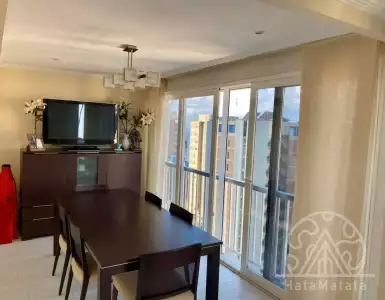
 3
3
 2
2
 109
109
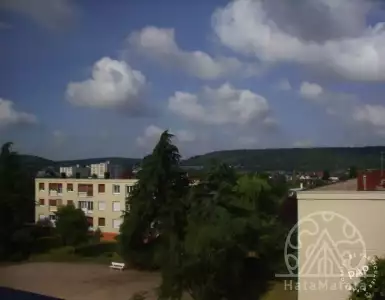 2
1
68
2
1
68
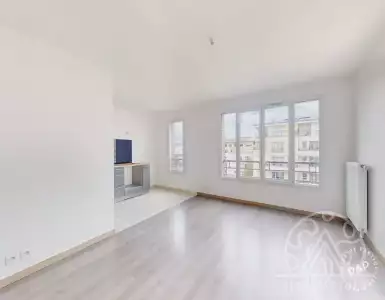 1
1
46.50
1
1
46.50
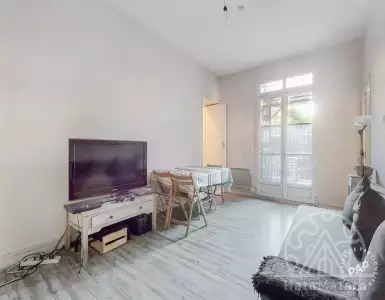 2
1
48
2
1
48
How to approach valuation and negotiation
Valuing prime Paris property requires looking beyond headline price per square metre. Consider:
- Floor and orientation: top-floor apartments with views typically command premiums.
- Architectural features: original parquet flooring, high ceilings and mouldings add to desirability and can justify higher pricing.
- Outdoor space: a terrace or small garden can raise the value materially because outdoor space is scarce in central Paris.
- Building services: security, concierge and lift access influence both the value and the pool of buyers.
When negotiating, use comparables carefully. The structural shortage of supply means there are often few recent sales that match a given property exactly. That lack of direct comparables can justify both vendor confidence and buyer caution. We suggest working with firms that have a track record in the specific arrondissement and format you want.
The investment case: appreciation, income and preservation
Paris prime property historically shows capital preservation characteristics rather than explosive short-term upside. The case for ownership usually rests on three pillars:
- Capital preservation driven by limited supply and protected urban fabric.
- Lifestyle value as a pied-à-terre or family apartment in a city that attracts global mobility.
- Trophy asset appeal for collectors and investors seeking non‑correlated holdings.
Income generation is possible in dual-apartment setups or through rentals, but yield expectations should be conservative compared with other asset classes. Buyers typically accept modest yields in exchange for long-term capital stability.
Practical steps for buyers right now
If you are active in the market we recommend these steps:
- Define the role of the asset: primary residence, pied-à-terre, rental or trophy holding.
- Narrow target arrondissements by lifestyle and liquidity needs.
- Assemble local advisors: a seller-buyer agent with arrondissements expertise, an architect accustomed to period renovations, and a notaire experienced in high-value transactions.
- Run worst-case exit timing scenarios and confirm the tax implications with your advisors.
We emphasise step three; Paris paperwork and building co-ownership regimes have quirks that can delay closings and increase costs.
Verdict: resilient but selective market for buyers
Our analysis finds that Paris prime property is resilient because supply is structurally constrained and demand from wealthy buyers remains active. The 12% rise in prime prices since the pandemic and the under-2,000 annual new homes completion rate in the historic centre are the clearest signals. That combination supports values, but it does not remove risk. Buyers must be selective, patient and prepared for higher carrying costs.
Key takeaways
- Prices up ~12% in prime Paris since the pandemic: €20,370 to €22,730 per m².
- Fewer than 2,000 new homes completed annually in the historic centre keeps supply tight.
- Demand is concentrated in the 1st, 6th and 16th arrondissements, and on formats such as pied-à-terres and historic duplexes.
If you want Paris exposure as an investor, expect to trade some liquidity for scarcity and cultural permanence.
Frequently Asked Questions
Q: Are Paris property prices likely to fall soon?
A: No single answer fits all segments. Prime properties have shown resilience because of limited supply and consistent demand from wealthy buyers. That said, transaction volumes have softened, and large trophy assets can be slower to sell. Expect periods of price consolidation rather than sharp declines unless macro shocks intensify.
Q: Which Paris districts offer the best balance of value and liquidity?
A: The 6th and 16th arrondissements combine strong demand with relatively frequent high-quality listings. The 1st and parts of the 5th are extremely desirable but can command higher premiums and narrower pools of buyers.
Q: Can I generate rental income from a pied-à-terre?
A: Yes, but rental yields in the prime central market are typically modest relative to other asset classes. Many buyers use dual-apartment configurations or long-term lets to offset holding costs, though local regulations for short-term lets vary and can restrict activity.
Q: What is the most important due diligence step?
A: Assess comparable sales and exit scenarios. In a market defined by scarcity, the number and recency of comparable transactions matter for realistic pricing and timing. Work with advisors who know the arrondissement and building type.
Tags
We will find property in France for you
- 🔸 Reliable new buildings and ready-made apartments
- 🔸 Without commissions and intermediaries
- 🔸 Online display and remote transaction

International Real Estate Consultant

Subscribe to the newsletter from Hatamatata.com!
Subscribe to the newsletter from Hatamatata.com!
Popular Posts

We will find property in France for you
- 🔸 Reliable new buildings and ready-made apartments
- 🔸 Without commissions and intermediaries
- 🔸 Online display and remote transaction
International Real Estate Consultant

Subscribe to the newsletter from Hatamatata.com!
Subscribe to the newsletter from Hatamatata.com!
I agree to the processing of personal data and confidentiality rules of HatamatataPopular Offers

Need advice on your situation?
Get a free consultation on purchasing real estate overseas. We’ll discuss your goals, suggest the best strategies and countries, and explain how to complete the purchase step by step. You’ll get clear answers to all your questions about buying, investing, and relocating abroad.



Irina Nikolaeva
Sales Director, HataMatata