


Phuket’s Property Boom: 45,000 New Units and ฿470bn Invested in Five Years

From Holiday Island to High-End Real Estate Hub
Phuket’s real estate Thailand story has shifted fast. Once defined by beachfront holiday rentals and seasonal tourism, the island is now attracting major capital and branded developments that signal a shift toward long-term investment and higher-value housing. For buyers and investors watching Southeast Asia, Phuket’s recent supply surge and investor mix demand careful reading — the figures are large, the momentum is real, and the risks are clear.
Why this matters now
The headline numbers are blunt: between 2021 and 2025 Phuket launched more than 45,066 new residential units, with total investment value of ฿469,720 million. Those facts mean developers are betting on deeper demand than short-term visitors. We have seen sales rates that confirm this — many projects sold fast, some reaching 50–70% sales within a month, which suggests active buying power rather than pure speculation.
The supply surge: scale, timing and what it means
Phuket’s development pipeline is massive and concentrated. Colliers International Thailand’s research shows a clear pattern:
- Total new units (2021–2025): 45,066+
- Total investment value (2021–2025): ฿469,720 million
- Peak year: 2024 — 18,515 new units, investment value > ฿190,112 million
- By end-2025: 72 new projects, 10,312+ units, total value > ฿81,643 million
This is not a gradual uptick. 2024 was a breaking point, when new launches accelerated and cash flowed in from both Thai and international buyers. Several factors explain the rush:
- Major private and public sector projects, including landmark developments such as ICONSIAM PHUKET, which attract global brand partnerships
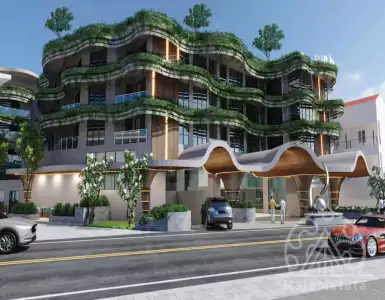
- A wave of branded residences from well-known Thai listed developers like Sansiri and AssetWise
- Strong tourism recovery, which keeps short-stay rental economics viable for investors
What this scale means for buyers: more choice, but also fiercer competition in prime pockets. Projects that are well marketed and tied to global brands sell quickly, and developers are chasing market segments from affordable inland homes to ultra-luxury seafront villas.
Who is buying Phuket property — and why
The buyer mix is broadening. Tourist arrivals — more than 10.47 million foreign visitors in 2025, with tourism revenue exceeding ฿545 billion — are a big part of the story, because many visitors convert to longer-term residents or property buyers. International interest is notably strong from:
- Russia
- Australia
- India
- China
- Kazakhstan
These buyers are treated the island not as a short-stay play alone but as a dual-purpose asset: a holiday home and an income generator via long-term rentals or short-term holiday lets. For foreign investors this is attractive — assuming the right legal structure — because the tourism base supports occupancy and yields better than many regional secondary markets.
From an investor’s point of view, demand looks structural. The quick sell-through rates in many launches signal real buying power. Yet we are not in a bubble-blind phase. The shift of developers inland, focusing on the ฿30–50 million price band, shows a calibrated move toward products that match local affordability and mid-upper international buyers.
Where to look: sub-markets and their profiles
Phuket is not homogeneous; location choice changes both risk and reward. Colliers identifies several hotspots that are likely to keep attracting capital in 2026:
- Bang Tao — Popular for branded residences and proximity to Laguna Phuket; high appeal for long-stay visitors and premium renters.
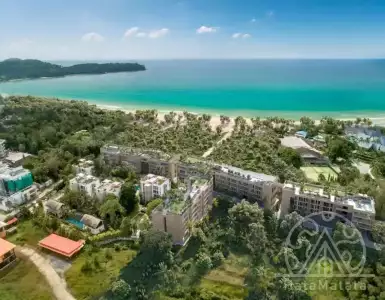
- Cherng Talay — Luxury-villa hotspot; more than 58% of luxury villa supply is concentrated here, and it is popular among Russian buyers.
- Rawai — Favoured by long-stay expatriates and buyers seeking quieter villa options.
- Kata and Karon — Classic beachside resort zones with steady holiday-rental demand.
- Phuket Town — Urban option for local and longer-term rental markets; usually better price per square metre for apartments.
Luxury villas deserve a special mention. By the end of 2025 the island had over 1,100 luxury villa units across 40 projects, with combined value > ฿27,215 million. This is not small change: it is a structured high-end segment that attracts buyers willing to pay top dollar for privacy, amenities and location.
Practical guidance for buyers:
- If you seek rental income and easier resale to foreigners, consider condominiums in Bang Tao or Phuket Town.
- If you want capital appreciation and private-use lifestyle, Cherng Talay villas are the high-end play — but expect higher entry costs and narrower buyer pools if markets soften.
- Mid-market inland projects in the ฿30–50 million band can give better value per unit and broader local exit options.
Legal and market mechanics investors must check
Thailand’s property rules matter. I always advise serious buyers to lock legal advice before signing anything.




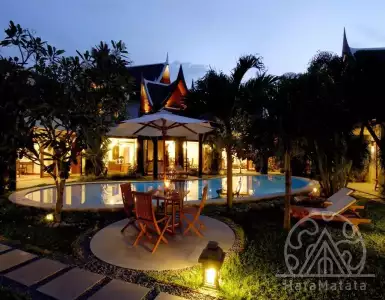
- Foreign freehold ownership in Thailand is typically limited to condominiums where the foreign ownership quota allows. Villas on land are usually bought via leasehold, Thai company structures, or long-term leases.
- Check the foreign quota status for a condo project; even a well-built project can block freehold titles if the quota is filled.
- Understand short-term rental regulations and Phuket municipal rules; enforcement and rules can change fast.
- Get a Thai-licensed lawyer to review titles, land use, encumbrances and developer track records.
From an operational viewpoint, consider management and running costs: branded residences often levy higher service charges and management fees, which reduce net yields. Conversely, branded projects command premium nightly rates for holiday rentals — that can offset higher expenses if occupancy remains strong.
Risks and downside scenarios — be frank about them
Phuket’s momentum is impressive but risky. Investors must balance upside against several clear hazards:
- Oversupply risk: Colliers forecasts a smoothing in launches for 2026 — around 6,000–8,000 new condo units — but absorption rates depend on macro factors and continued tourist flows.
- Tourism dependency: The market is linked to international arrivals. A drop in visitor numbers or travel restrictions would hit holiday-rental cash flows.
- Land-price inflation: Rapid land price growth can push new projects into higher price bands, squeezing yields and limiting buyer pools.
- Regulatory change: Shifts in foreign ownership rules, tax regimes or short-term rental policy could change returns quickly.
- Currency and geopolitical exposure: Heavy buyer concentration from a few countries increases vulnerability to currency moves and geopolitical tensions.
I have seen markets where quick sell-through masked weak secondary demand. The fast sales rates in Phuket are positive, but investors should ask whether resale markets will remain robust if new supply continues at scale.
How to evaluate a Phuket deal — a checklist for buyers and investors
When we evaluate Phuket opportunities professionally, we look for a short list of deal fundamentals. Use this checklist before proceeding:
- Developer track record and delivery history
- Title clarity and foreign quota status (for condos)
- Location: proximity to airport, beach, infrastructure, and rental demand drivers
- Expected service charge, sinking fund and net yield calculations
- Realistic occupancy assumptions based on 2025 tourism figures (10.47 million international arrivals)
- Exit pathway: who will buy from you in 3–5 years?
- Local management and resale ability if you are offshore
If you cannot get clear, written answers on these items, walk away. In markets this heated, speed is not the same as certainty.
2026 outlook: what to expect and strategic moves
Colliers expects condo new launches in 2026 to ease to around 6,000–8,000 units. That is still significant supply, but lower than 2024’s peak. Key implications:
- Price pressure may continue in the most desirable pockets, especially where infrastructure projects and branded developments cluster.
- Inland projects with lower entry prices could outperform on percentage returns because of a lower acquisition base.
- Luxury villa supply is meaningful and concentrated; Cherng Talay will likely keep commanding premium pricing.
Strategically, buyers should consider timing and product: mid-tier condos in Phuket Town or Bang Tao might suit rental investors who want lower volatility, while motivated buyers with a longer horizon and higher capital can target luxury villas for capital appreciation and private use.
My take: measured optimism with a cautionary posture
I view Phuket now as a market in transition. The island is more than a holiday destination; it is an investment frontier with real infrastructure projects, global-branded developments and demonstrable foreign buying power. But big numbers do not eliminate risk. Rapid supply expansion, rising land prices and reliance on tourism mean buyers must be selective.
If you plan to buy in Phuket, treat the island like any major city market. Do the homework. Focus on clear legal title, realistic income assumptions and exit planning. Work with local lawyers and brokers who have proven experience with foreign purchasers.
Frequently Asked Questions
Q: Can foreigners own property in Phuket freehold?
A: Foreigners can own condominiums freehold provided the project’s foreign quota is not exceeded. Villas on land usually require leasehold arrangements or local company structures; always confirm with a Thai lawyer.
Q: Are rental yields in Phuket strong enough to justify an investment?
A: Rental economics improved after tourism recovered to 10.47 million foreign arrivals in 2025, but yields vary by product. Branded condos in tourist belts can achieve higher nightly rates, while inland mid-market units may offer steadier long-term rental demand.
Q: Which Phuket areas are most likely to appreciate?
A: Colliers highlights Bang Tao, Cherng Talay, Rawai, Kata, Karon and Phuket Town. Cherng Talay is the centre of luxury-villa growth; Bang Tao attracts branded residences and premium tourism demand.
Q: How many new condo units will enter the market in 2026?
A: Colliers predicts around 6,000–8,000 new condominiums in 2026, down from the 2024 peak but still a meaningful pipeline that will affect absorption and pricing dynamics.
If you are assessing Phuket for purchase or portfolio allocation, start with clear legal advice, vet developer track record, and stress-test cashflow assumptions against lower occupancy — and remember that 2024 saw 18,515 new units and more than ฿190,112 million invested, while the five-year total (2021–2025) exceeded 45,066 units and ฿469,720 million — facts that underline both opportunity and caution.
We will find property in Thailand for you
- 🔸 Reliable new buildings and ready-made apartments
- 🔸 Without commissions and intermediaries
- 🔸 Online display and remote transaction

International Real Estate Consultant

Subscribe to the newsletter from Hatamatata.com!
Subscribe to the newsletter from Hatamatata.com!
Popular Posts

We will find property in Thailand for you
- 🔸 Reliable new buildings and ready-made apartments
- 🔸 Without commissions and intermediaries
- 🔸 Online display and remote transaction
International Real Estate Consultant

Subscribe to the newsletter from Hatamatata.com!
Subscribe to the newsletter from Hatamatata.com!
I agree to the processing of personal data and confidentiality rules of Hatamatata


Need advice on your situation?
Get a free consultation on purchasing real estate overseas. We’ll discuss your goals, suggest the best strategies and countries, and explain how to complete the purchase step by step. You’ll get clear answers to all your questions about buying, investing, and relocating abroad.



Irina Nikolaeva
Sales Director, HataMatata