


Rare 72-Acre Private Island near Venice Hits Market — What Buyers Should Know

A singular opportunity in the Venice lagoon
A private island listing has jolted the market for real estate Italy buyers and international investors: Isola Santa Cristina, a 72-acre (about 29-hectare) island in the Venice lagoon, is now on the market through Venice Sotheby’s International Realty. This is more than an unusual home sale; it is a scarce asset class — whole islands in the lagoon change hands only rarely, and when they do they attract high-net-worth domestic and international buyers, developers, and institutions.
From the first moment we saw the listing, the combination of scale and location stood out. The island’s size alone sets it apart from typical Venice properties; even small pieces of land here are tightly controlled. For property investors, experiential buyers and those seeking a private residence in Italy, this raises immediate questions: what can be done with such a place, what hurdles will a buyer face, and how should one approach valuation and due diligence? In this article we unpack what the listing means for the market and for prospective buyers.
What is being sold: the facts
- Property: Isola Santa Cristina
- Size: 72 acres (approx. 29 hectares)
- Location: Venice lagoon, near the city of Venice
- Listed by: Venice Sotheby’s International Realty
- Price: Not publicly disclosed in the listing material provided
The public information is limited to the island’s identity, its scale and its broker. That scarcity of detail is typical with ultra-high-end listings, where the seller often prefers controlled marketing and discreet negotiations.
Why this matters to buyers and investors
Selling an entire island in the Venice lagoon is exceptional. We see three immediate implications for prospective buyers:
-
Rarity drives interest and complexity. Islands in the lagoon are rare for sale; that scarcity can create a competitive environment if multiple serious buyers appear. However, rarity also means scarce comparables, which makes valuation less straightforward.
-
Regulation and approvals will be a central issue. The Venice lagoon is subject to multiple layers of oversight — municipal, regional and national — plus environmental protections tied to its ecological sensitivity and cultural value. Buyers should assume planning consents, restoration approvals and environmental impact assessments will be essential components of any redevelopment plan.
-
Long-term costs can be substantial. Maintaining buildings, flood defenses, utilities and access in a lagoon environment is expensive. Any purchase price must be weighed against ongoing maintenance, insurance premiums, and infrastructure upgrades.
Practical due diligence checklist for a buyer
Buying an island is not the same as buying a villa on the mainland. Here are the practical steps we recommend, based on our experience advising buyers in Italy and on waterfront projects:
- Engage a local notary early. The notary is central to Italian property transactions and will confirm legal title, encumbrances and any easements.
- Commission an environmental and marine survey. Expect tests on soil, groundwater and biodiversity. The lagoon’s ecology can trigger remediation or conservation conditions.
- Assess heritage constraints. Many structures in the lagoon date from historical periods; any restoration work may require input from regional cultural authorities.
- Confirm access and utility arrangements. Is there a dock infrastructure? How are water, sewage, electricity and communications supplied? Bringing utilities to an island can be costly.
- Secure an insurance and risk assessment. Flooding, storm damage and salt corrosion are recurring issues in lagoon settings.
- Seek planning and permitting advice from a Venetian architect or planner familiar with lagoon rules. Local experts are more likely to know the informal practices and the likely timelines for approvals.
- Create a realistic long-term budget. Include maintenance, staff, transport costs and contingency for unanticipated works.
We have seen buyers underestimate transport and manpower costs when converting or maintaining island assets; those expenses compound quickly.
Legal, tax and residency considerations
Foreign buyers frequently ask whether they can buy property in Italy and what the tax implications are. The short answers are: yes, foreigners can buy property in Italy, and taxes and regulatory obligations apply the same as for local buyers in many respects. Important points to factor into any transaction include:
- Title and encumbrances: A thorough title search is essential to identify mortgages, claims or historical rights attached to the island.
- Local taxes: Expect municipal property taxes and potential regional levies. The precise tax treatment depends on how the property is classified for municipal planning purposes (residential, commercial, protected area, etc.).
- Transaction structure: Buyers sometimes use Italian companies or holding structures to hold foreign property for estate planning and tax purposes; local tax advice is essential.
- Permitting and consents: Major changes often require planning permissions and permits from environmental authorities; these can impose obligations or conditions that affect value and timing.
We avoid giving prescriptive legal advice here; anyone considering a bid on Isola Santa Cristina should secure Italian legal and tax counsel before proceeding.
Environmental and planning constraints in the lagoon
The Venice lagoon is both an environment and a cultural area. While the island’s listing highlights its size and proximity to Venice, buyers must assume the presence of environmental safeguards and heritage concerns.
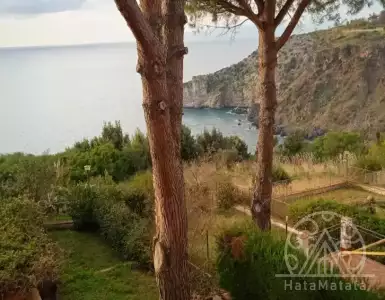


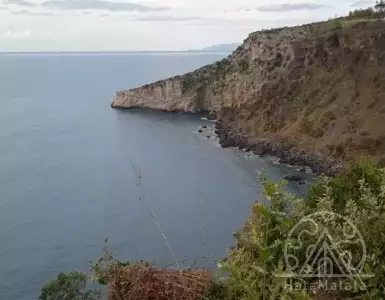



- The lagoon’s ecology is fragile. Protected habitats and species may exist on or around the island.
- Restoration of historic buildings typically triggers oversight by cultural authorities; approvals may limit structural alterations.
- Flood risk and sea-level rise are material issues in Venice; any development plan must consider long-term resilience.
From our reporting on lagoon properties, buyers should budget time — and money — for engagement with multiple agencies. That slow calendar is inconvenient, but it is the reality of buying substantial real estate in and around Venice.
What could a buyer do with Isola Santa Cristina?
The listing does not specify permitted uses, so any potential buyer should consider several scenarios and the feasibility of each:
- Private estate: A single-owner private residence or family compound. This option emphasizes privacy and stewardship but requires heavy investment in access and services.
- Boutique hospitality: A small luxury hotel or exclusive retreat. This is attractive commercially but dependent on planning permission and operational logistics.
- Cultural or institutional use: A museum, research center or arts residency. These uses can benefit from public funding or partnerships but also involve public access expectations.
- Conservation trust or philanthropic ownership: Some buyers purchase islands to protect them from development; this route prioritizes conservation outcomes over return on investment.
Every use carries trade-offs between restrictions, revenue potential and public exposure. The choice will shape the planning pathway and the capital outlay required.
Market context: what this listing says about luxury property demand in Italy
An island listing like this is a signal: high-end buyers still look for unique assets in Italy. While mainstream housing markets in Italy are driven by affordability and local demand, the ultra-prime sector operates on a different logic — unique provenance, exclusivity and narrative. Isola Santa Cristina’s availability will attract global wealth seeking singular assets, and that attention can lift awareness of other rare Italian offerings.
But buyer interest does not eliminate challenges. Valuation in the ultra-prime market depends less on per-square-meter comparables and more on buyer appetite for a particular narrative — in this case, owning a piece of the Venice lagoon. Pricing, therefore, will be as much negotiation as arithmetic.
Risks and red flags to watch
We aim to be clear-eyed. The potential for prestige is offset by real risks:
- Planning refusal or restrictive conditions that reduce land-use flexibility.
- High remediation or restoration costs not visible in initial inspections.
- Long timelines for approvals that extend holding costs.
- Insurance limitations or high premiums due to flood exposure.
- Public or political opposition to private uses of sensitive lagoon land.
A disciplined buyer will model worst-case scenarios and ensure access to sufficient capital and a patient timeline.
How to approach an offer and negotiation
Given the sale is being handled by Venice Sotheby’s, expect confidential marketing and a controlled set of viewings. For serious buyers we suggest these negotiation tactics:
- Start with a non-binding expression of interest and request full documentation: land registry extracts, historical plans, environmental reports and any previous surveys.
- Use conditional offers tied to due diligence milestones: title review, environmental testing, planning consultations and finance arrangements.
- Secure exclusivity for a fixed period if you need time to complete surveys; vendors sometimes grant short exclusivity windows for a premium.
- Consider joint ventures if the project scope exceeds what a single buyer wants to manage; partners can share risk and capabilities.
We often see buyers try to rush island purchases out of fear of being beaten to the deal. That impulse can produce costly mistakes. In this context, patience and thoroughness win.
Investor profile: who should consider this purchase?
Isola Santa Cristina will attract a narrow set of buyers. Typical profiles include:
- Ultra-high-net-worth individuals seeking a private retreat in Italy.
- Family offices looking for a long-term real asset with lifestyle benefits.
- Niche hospitality investors aiming to create exclusive retreats for high-paying guests.
- Philanthropists or trusts focused on cultural preservation or ecological stewardship.
Mainstream buyers and conventional property investors are unlikely to fit this asset’s scale and complexity.
Costs beyond purchase price
Prospective buyers should budget for a range of ongoing and one-off costs:
- Restoration and construction expenses
- Regular maintenance and staffing
- Transport and logistics for staff and supplies
- Specialized insurance for flood and storm risk
- Utilities installation or generation (power, water, wastewater)
- Ongoing environmental monitoring or compliance costs
We recommend building a multi-year cash flow model before submitting an offer.
Frequently Asked Questions
Can foreigners buy islands in Italy?
Yes, foreigners can buy property in Italy, including islands. Buyers should consult Italian legal counsel to verify title, identify any nationality reciprocity rules and understand tax implications.
Will I be able to redevelop buildings on the island?
Redevelopment depends on local planning rules, heritage designations and environmental regulations. Expect approvals and conditions; consult local planning professionals early.
How do I assess flood risk and insurance for a lagoon island?
Commission a hydrological and climate resilience study and speak to insurers experienced in Italian coastal properties. Flood risk assessments will inform both insurance availability and premiums.
Is there public access to islands sold near Venice?
Public access rights depend on local laws and any conditions attached to the property. Some islands have public pathways or obligations; others can be held private if legal conditions allow. Verify through title searches and local authority consultations.
Final assessment for buyers
Isola Santa Cristina is an extraordinary listing by scale and setting. It is an invitation to a rare ownership experience in the Venice lagoon, but not a simple transaction. For buyers we would say: treat the listing as a complex strategic acquisition that requires specialist advice, patient capital and a clear plan for permissions and long-term stewardship. If you move forward, expect a slow, technical process where the real challenges are regulatory and logistical rather than simply financial.
For those prepared to accept those constraints, this is a once-in-a-generation chance to control a large parcel in one of Italy’s most contested and culturally significant areas. If you are considering a bid, begin lining up legal, planning and environmental teams now — and build a budget that accounts for both immediate works and stubborn, ongoing lagoon-specific costs.
Tags
We will find property in Italy for you
- 🔸 Reliable new buildings and ready-made apartments
- 🔸 Without commissions and intermediaries
- 🔸 Online display and remote transaction

International Real Estate Consultant

Subscribe to the newsletter from Hatamatata.com!
Subscribe to the newsletter from Hatamatata.com!
Popular Posts

We will find property in Italy for you
- 🔸 Reliable new buildings and ready-made apartments
- 🔸 Without commissions and intermediaries
- 🔸 Online display and remote transaction
International Real Estate Consultant

Subscribe to the newsletter from Hatamatata.com!
Subscribe to the newsletter from Hatamatata.com!
I agree to the processing of personal data and confidentiality rules of Hatamatata

Need advice on your situation?
Get a free consultation on purchasing real estate overseas. We’ll discuss your goals, suggest the best strategies and countries, and explain how to complete the purchase step by step. You’ll get clear answers to all your questions about buying, investing, and relocating abroad.



Sales Director, HataMatata