


Silver Housing Is Rewriting Italy’s Property Market for Older Buyers

Italy’s next housing niche: silver housing meets the real estate Italy market
If you follow the real estate Italy market closely, you have probably noticed a new category emerging that is attracting both buyers and developers: "silver housing" or senior residences for older but active residents. This is not assisted living in the clinical sense; these developments offer independent apartments combined with communal life and on-site services, aiming to bridge the gap between living at home and entering traditional nursing homes.
The trend was described in a Reuters piece by Cristina Carlevaro and Giulia Segreti, based on reporting from Milan and Rome. Their reporting highlights real people choosing a different retirement model and flags clear demographic drivers behind the shift. In our analysis, this development matters for domestic developers, international property investors and expats considering retirement in Italy.
Why silver housing is gaining traction in Italy
Demography is the clearest force behind the rise of silver housing in Italy. Key figures from the original reporting show:
- More than 24% of Italians were 65 or older last year, according to ISTAT.
- That share is seen reaching 30% by 2035.
- Those living alone are projected to reach 6.5 million by 2050, roughly 11% of the population.
- Italy has one of the world’s highest life expectancies, at about 82 years for men and 86 for women.
- The state spent €31 billion in 2021 on elderly care in healthcare facilities, a figure that is rising.
Those numbers explain why demand exists. Family structures that once provided day-to-day support for older relatives are changing. Women have children later and many households have both partners working, making traditional informal caregiving harder to sustain. For relatively affluent retirees who want independence but also company and services, silver housing is a logical option.
We see this as a market response to a social change. Where public provision is costly and family care is less available, private residential solutions expand.
What silver housing actually is and who it serves
Silver housing developments are varied, but several common features recur:
- Independent private units sized for one or two people
- Shared communal spaces for social activities, meals and events
- On-site or nearby services such as cleaning, meals, transportation and some healthcare liaison
- Security and design features that improve accessibility and reduce fall risk
These residences are not nursing homes that focus on continuous medical care. Residents in the Reuters report describe the new housing as for those who are "old but able-bodied." That distinction matters. People like Umberto Giuggiarini, 85, who moved into Aris Senior Living in Rome, say they gained social contact and regular company. Another resident, Bruna Bruni, 79, told reporters: "Miss home? Why would I? I came here to live better. There is always someone around and I am always in company."
The target tenant or buyer is typically a relatively well-off pensioner who values social life, convenience and a safe built environment, but who does not need round-the-clock nursing care.
The investment case: why developers and investors are watching
From a property investment perspective, silver housing is attractive for several reasons:
- Clear demand drivers tied to demographics rather than cyclical consumer trends
- A gap between home care and expensive nursing facilities where private provision can add value
- Potential for mixed-income projects combining for-sale apartments and fee-for-service elements
That said, our assessment is cautious. This is not a simple housing product to spec and build. Operational quality matters at least as much as bricks and mortar. Management, programming of communal activities, and the level of on-site services determine whether residents stay and whether the project develops a reputation that supports pricing.
Investors should consider:
- Land-use and permitting: zoning rules vary across Italy. Some municipalities classify senior residences under healthcare or social housing regulations which affects tax, funding and allowed density.
- Operating model: operator-managed leases versus condominiums with service contracts produce different cash flow profiles and require different capital structures.
- Market segmentation: luxury silver housing aimed at wealthier retirees commands higher prices but serves a limited pool; affordable or mid-market offerings require scale and operational efficiency.
We cannot supply yield or occupancy statistics beyond the Reuters report, but the headline lesson is this: a project that mixes good location, compelling services and professional management is more likely to succeed than one that treats the product as ordinary housing.
Design and amenity considerations that matter for buyers and operators
Successful silver housing combines residential design with a program of services. Important design and amenity elements include:
- Step-free access, wide corridors and non-slip flooring
- Apartments that allow flexible use of space and day-to-day independence
- A mix of private and communal amenities: dining room, activity rooms, gardens or terraces, small gym or physiotherapy space
- Proximity to urban services such as medical clinics, shops and public transport
- Staff facilities and space for visiting specialists
From a buyer’s perspective we recommend inspecting not just the apartment but the programs and staffing. Who runs activities? What is the ratio of staff to residents during daytime and at night? How are medical needs coordinated?
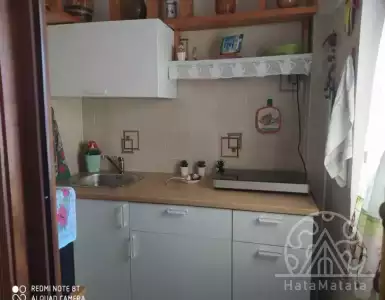




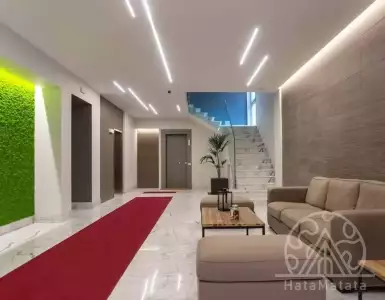
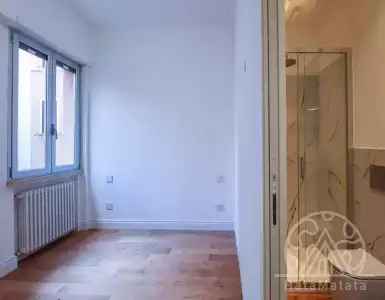
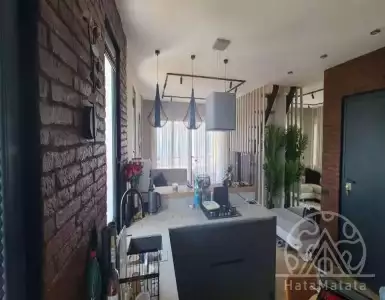
For operators, the programming of social activities and the quality of food and concierge services often determine retention. Developers who partner with experienced senior-living operators can avoid costly missteps.
Case study: Aris Senior Living and the role of specialist operators
The Reuters article highlights Aris Senior Living in Rome, operated by a group called Over. The residents quoted there illustrate what the product can offer: company, structured activities and a less institutional environment than a nursing home.
Aris is an example of a project that targets retirees who seek a middle ground. My view is that specialist operators like Over are the linchpin of a good silver housing project. Developers who build and then hand over to an inexperienced manager risk creating a product that underdelivers and struggles to attract residents.
Operators add value in several ways:
- Managing day-to-day services and staffing
- Running events that build community and reduce social isolation
- Coordinating healthcare referrals and emergency responses
- Marketing and resident selection to maintain a compatible community mix
A developer planning to enter this segment should budget for a longer pre-opening period while the community forms and should expect operating costs higher than traditional multifamily housing during the early years.
Risks and headwinds investors must know
Silver housing is promising, but there are real risks:
- Affordability: many older Italians are asset-rich but income-poor. High service charges can price out large segments of retirees.
- Regulatory uncertainty: classification of units as residential or health facilities has tax and regulatory consequences.
- Operational complexity: staffing, food service, and activity programming require expertise that many traditional developers lack.
- Market fragmentation: demand is strong in big cities and tourist regions but weaker in depopulating inland areas.
- Reputation risk: a single negative experience can harm occupancy for years, so quality control is critical.
We advise investors to run conservative cash flow models that account for slow lease-up, higher start-up operating costs, and sensitivity to service charge inflation.
Practical checklist for buyers, investors and expats
If you are a buyer or investor considering silver housing in Italy, here are practical points we use when advising clients:
For buyers and future residents:
- Inspect the social program. Is there a calendar of activities and opportunities to join clubs and classes?
- Ask about service fees and what they include. Are meals, cleaning, utilities and security bundled?
- Review the contract carefully for exit terms and resale rules.
- Check proximity to hospitals and GP services.
- Visit at different times of day to see resident activity and staffing levels.
For developers and investors:
- Partner with an experienced senior-living operator early in planning.
- Secure flexible zoning or approvals that allow mixed uses.
- Model scenarios for different price points and service mixes.
- Plan marketing to both domestic retirees and international buyers or long-stay expats where relevant.
- Factor in accessibility retrofits over time as residents age in place.
For expats considering retirement in Italy:
- Consider residency, healthcare entitlement and pension transfer rules.
- Investigate local language services and community integration programs.
- Look at micro-locations: some small towns offer affordability but limited medical infrastructure.
How this trend fits into broader public spending and welfare pressures
The rise of silver housing occurs alongside growing public expenditure on elderly care. As the Reuters coverage and the study from Intesa Sanpaolo note, Italy spent €31 billion in 2021 on elderly residents in healthcare facilities. That is a heavy fiscal item and one reason policymakers may look favorably on private alternatives that support autonomy and delay or reduce the need for intensive care.
From a welfare perspective, well-designed silver housing can achieve two policy aims at once: improve quality of life for independent seniors and relieve some pressure on public spending. This is not automatic. The substitution of private provision for public services requires regulatory oversight to protect residents and ensure affordability.
Market opportunities by region and product type
Opportunity varies by location. Coastal and northern urban areas where retirees seek services and cultural life show stronger demand. Rural and inland regions may need subsidy or different products aimed at lower-cost seniors.
Product types to consider:
- For-sale apartments with optional services for cash-rich retirees
- Leasehold or subscription models for those who prefer a rental solution
- Mixed-use projects that combine senior housing with intergenerational amenities such as daycare or community centers, where zoning allows
Our analysis suggests that the most immediate investor opportunities sit in cities and well-served provincial towns where demand is strong and healthcare access is reliable.
Frequently Asked Questions
What is the difference between silver housing and a nursing home?
Silver housing is aimed at independent older people who want to live alone but with social contact and services. Nursing homes primarily serve those requiring continuous medical or personal care.
Who is the typical resident of silver housing in Italy?
Typical residents are relatively well-off pensioners who value independence, safety and community life. Reuters cited residents at Aris Senior Living who moved because they wanted company and fewer limitations than a traditional care home.
How big is the market in demographic terms?
According to ISTAT data cited in Reuters, over 24% of Italians were 65 or older last year, a share projected to reach 30% by 2035. People living alone may reach 6.5 million by 2050.
What should investors watch for before committing to a project?
Key risks include regulatory classification, operational capability of the manager, affordability constraints for residents and slow lease-up. A strong operator partner and conservative financial modeling are essential.
Final assessment: what this means for buyers and investors
We see silver housing as a pragmatic response to Italy’s demographic shift. There is real demand among older adults who want a third option between living at home and entering a nursing facility. For developers and investors there is an opening, but execution matters more than land or design alone. Projects require a credible operator, a clear service mix, and pricing that matches local purchasing power.
For buyers and expats considering a move, inspect both the unit and the community. For investors, treat silver housing as a hybrid product where real estate and ongoing services are inseparable.
One clear baseline to keep in mind is that Italy spent €31 billion on elderly care in 2021, a public cost that helps explain why private alternatives such as silver housing are growing in importance.
We will find property in Italy for you
- 🔸 Reliable new buildings and ready-made apartments
- 🔸 Without commissions and intermediaries
- 🔸 Online display and remote transaction

International Real Estate Consultant

Subscribe to the newsletter from Hatamatata.com!
Subscribe to the newsletter from Hatamatata.com!
Popular Posts

We will find property in Italy for you
- 🔸 Reliable new buildings and ready-made apartments
- 🔸 Without commissions and intermediaries
- 🔸 Online display and remote transaction
International Real Estate Consultant

Subscribe to the newsletter from Hatamatata.com!
Subscribe to the newsletter from Hatamatata.com!
I agree to the processing of personal data and confidentiality rules of Hatamatata
Need advice on your situation?
Get a free consultation on purchasing real estate overseas. We’ll discuss your goals, suggest the best strategies and countries, and explain how to complete the purchase step by step. You’ll get clear answers to all your questions about buying, investing, and relocating abroad.



Irina Nikolaeva
Sales Director, HataMatata