


Skip the €1 Myth: How to Buy Real, Affordable Homes in Palermo

Palermo without the hype: real estate Italy that actually makes sense
If you're hunting for affordable real estate Italy options, Palermo should be at the top of your list. The headlines about €1 houses have generated click-throughs, but they hide a messy reality: many of those bargains require massive structural work, permits, and time. I live and buy in Italy; I’ve toured auctions, negotiated with agents, and inspected renovation projects. In this article I share concrete prices, neighborhoods, the professionals you must hire, and a practical buying path that avoids unnecessary risks.
Why Palermo, not a headline
People imagine rural hamlets where you can buy a ruin for pocket change. Palermo is different: a working city with markets, health services, transport and a resident culture. That changes the calculus. You give up isolation and renovation headaches in exchange for a livable urban lifestyle and properties that are often cheaper than equivalent homes in many Western cities.
I’ve seen the extremes: a seaside Art Nouveau villa listed for $4.2 million, and, at the opposite end, an auction lot listed for $9,100 that’s essentially a shell. Real choices exist between these numbers. You can buy a modest, repairable apartment with a roof and running water for amounts that are realistic for first-time buyers and investors.
Real prices and representative listings you can actually buy
Here are real examples observed on the Palermo market, with no sensationalism and no made-up numbers. These are the kind of listings you’ll find on major Italian property portals and through local agents.
- $9,100 — auction listing: ground-floor apartment, rough condition, around 325 sq ft (about 30 sq m). Often sold at auction and requiring careful due diligence on liens and structural safety.
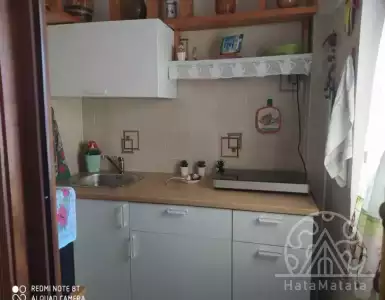
- $17,900 — ground-floor apartment about 380 sq ft (roughly 35 sq m) in Calatafimi Bassa/Cuba. Has a roof and utilities but needs refurbishment.
- $45,000 — third-floor walk-up of 528 sq ft in Zisa neighborhood (1930s building); needs renovation and offers classic details such as ceramic flooring and transoms above doors.
- €40,000 (approx. $47,900) — two-bedroom, 595 sq ft in Monte Pellegrino; 1920s build needing TLC, with mountain views from the balcony.
- $104,000 — 700 sq ft fully furnished two-bedroom near the Norman Palace and Ballarò market; sold as a turnkey short-term rental with monthly maintenance fees under $30.
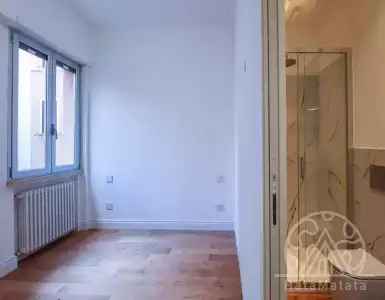
- $179,500 — 750 sq ft two-bedroom, two-bath apartment opposite Palermo Botanic Gardens, recently renovated.
- $4.2 million — large Art Nouveau villa of more than 9,000 sq ft in Mondello, for buyers seeking high-end coastal property.
These numbers make a clear point: you will find genuinely affordable, livable homes in Palermo without signing off on a one-euro restoration commitment.
Neighborhoods that deliver value (and which to avoid for certain strategies)
Choosing where to buy is as important as price. Here are neighborhoods I recommend based on affordability, transport, and everyday life.
- Calatafimi Bassa/Cuba: authentic, affordable, close enough to the historic center for a 20–25 minute bus ride. Good options under $20,000 but expect renovation.
- Zisa: historic, anchored by the 12th-century Palazzo della Zisa. Prices are rising slowly; you can still find bargains around $45,000.
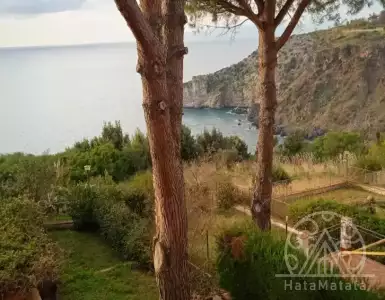
- Monte Pellegrino: peaceful, scenic views; two-bedroom units appear in the €40,000 range but need work.
- Centro storico (near Norman Palace/Ballarò): more central, better for short-term rentals; turnkey apartments around $104,000 are possible.
- Villa Giulia / Via Lincoln: higher demand thanks to the Botanic Gardens; renovated two-beds priced around $179,500.
Neighborhood caution:
- Abandoned hilltop villages with €1 projects: they can be appealing on paper but are often in earthquake zones and lack infrastructure. Expect long waits for permits and unpredictable costs.
- Outlying suburbs: cheaper per square foot, but you may need a car and you trade the walkable, car-free lifestyle many buyers seek in Palermo.
The buying process: practical, step-by-step
Buying property in Italy differs from many Anglo markets. There is no shared MLS, so you work with agents individually and rely heavily on local experts.
- Search listings on portals such as Immobiliare.it and idealista.it. Contact the listing agent directly to book viewings.
- Assemble your team early: you will need a notary (notaio) to close the sale, a geometra (surveyor) for cadastral checks, and often an architect or engineer for renovation estimates. An attorney or translator helps if your Italian is not fluent.
- For financing, approach Italian banks or international lenders familiar with Italian mortgages. Some buyers pay cash; others secure a mortgage after a preliminary agreement.
- Perform due diligence before signing: verify cadastral data (catasto), check for liens or outstanding debts, and confirm the building’s permit history.
- Sign a preliminary contract (compromesso) with a deposit, then complete the final deed (rogito) before the notary.
Key professionals you must budget for:
- Notary: mandatory for the deed; costs vary by property price.
- Geometra: checks boundaries, cadastrals and suggests if regularization is needed.
- Architect/Engineer: required for renovation planning and permit applications.
- Translator/Attorney: recommended for non-Italian speakers.
Renovation vs turnkey: pick your level of involvement
Deciding between a fix-up and a turnkey purchase shapes your total cost, timeline and stress level.
Renovation (buy cheap and improve):
- Pros: lower purchase price, potential to add value, creative control.
- Cons: permits can be slow; trade coordination and compliance with Italian building rules require local experts; seismic retrofitting may be necessary.
Turnkey (move-in ready):
- Pros: immediate occupancy or rental income; fewer surprises; easier for buyers with limited Italian or time.
- Cons: higher upfront cost; less upside if you want to flip for profit.
From my experience, if you are not based in Italy full time and your Italian is not fluent, buying a turnkey or lightly renovated apartment in a city neighborhood is the less risky path.

Legal realities and residency: what property purchase does and does not give you
A common misperception is that buying property in Italy helps you become a resident or citizen. It does not. My direct experience and the local lawyers I’ve consulted confirm that ownership does not grant residency privileges.
- Buying property in Italy does not provide a fast-track to residency or citizenship.
- Non-residents can buy and own property with the same rights as residents, subject to the usual tax and registration rules.
That clarity matters when you plan your move: treat the purchase as a lifestyle or investment decision, not an immigration strategy.
Risks, red flags and how to avoid them
Real estate opportunities come with traps. I’ve seen excited buyers overlook crucial warning signs. Here’s how to avoid common pitfalls.
Red flags:
- Properties sold at auction without clear title histories. Auctions can offer bargains but demand careful legal checks.
- €1 projects or ruins in seismic zones that require structural reinforcement and lengthy permits.
- Listings without up-to-date cadastral information or with irregular extensions.
- Agents reluctant to put agreements in writing or insisting on cash-only deals.
Protective steps:
- Always hire a geometra to verify area and cadastral alignment.
- Request the building’s plan and the owner’s documentation before making offers.
- Budget for unforeseen works; renovations in older buildings frequently uncover hidden problems.
- Use a notary to ensure the deed is clean; the notary is a neutral public official in Italian transactions.
Investment outlook: short-term rentals and long-term holding
Palermo can generate rental income, especially in central neighborhoods near markets, historic sites, and gardens. The example of a furnished two-bedroom near the Norman Palace sold for $104,000 and used successfully as a short-term rental shows the potential.
Points to consider for investors:
- Short-term rental rules in Italy vary by municipality—check Palermo’s local regulations and tourist tax requirements.
- Maintenance fees can be minimal in some small buildings; the $104,000 listing noted monthly fees under $30, which helps cash flow.
- Central properties near Ballarò market, Villa Giulia, and the Norman Palace have steadier tourist demand.
I advise investors to model both conservative long-term rental yields and seasonal short-term performance. Factor in property management costs if you’re an absentee owner.
Negotiation and practical tips I use in the field
These are tactics that have worked for me when viewing and negotiating Palermo properties.
- Visit at different times of day to assess noise, light and local activity.
- Bring a geometra or a contractor to estimate renovation costs on-site; verbal estimates from agents can be optimistic.
- Explain your timeline and constraints up front to the agent; transparency builds trust and helps them shortlist suitable properties.
- In older buildings, ask about recent structural works, roof condition and elevator plans, since these can impact future costs.
Frequently Asked Questions
Can non-EU buyers purchase property in Italy?
Yes. Non-residents and non-EU citizens can buy property in Italy. The process requires the same documentation steps as for EU buyers, and you will need to register the property with Italian authorities.
Do €1 houses in Italy make financial sense?
Rarely for most buyers. €1 houses often require extensive structural repairs, expensive permits, and long timelines. Many are in remote or seismic zones. If you have local contacts, significant renovation funds, and time, it could be a project; otherwise look at affordable city apartments in Palermo.
Which websites should I use to search Palermo properties?
The two main portals are Immobiliare.it and idealista.it. Contact the listing agent directly for viewings. There is no national MLS that shares listings among agents, so you’ll be working with each agent individually.
Will buying a property help me get residency in Italy?
No. Ownership of property does not grant residency rights or speed up citizenship. These are separate administrative processes.
Final checklist before you sign
- Verify property maps and cadastral records with a geometra.
- Engage a notary early to review the deed and any conditions.
- Get a written renovation estimate from a licensed architect or engineer if the property needs work.
- Confirm whether the property has outstanding debts or liens.
- Clarify condominium fees, utility status, and rental restrictions if you plan to rent out.
Buying property in Palermo offers realistic, accessible options for buyers who want an urban Sicilian life without courting the worst of the €1 hype. You can secure a livable apartment for under $20,000 if you accept a renovation project, or a turnkey two-bedroom near the center for about $104,000, with maintenance fees that can be minimal. Remember: property ownership does not provide residency, and the professionals you hire will make or break your experience. Bring patience, a trusted local team, and a clear budget, and Palermo will reward you with a workable home and a daily life that is distinctly Sicilian.
Tags
We will find property in Italy for you
- 🔸 Reliable new buildings and ready-made apartments
- 🔸 Without commissions and intermediaries
- 🔸 Online display and remote transaction

International Real Estate Consultant

Subscribe to the newsletter from Hatamatata.com!
Subscribe to the newsletter from Hatamatata.com!
Popular Posts

We will find property in Italy for you
- 🔸 Reliable new buildings and ready-made apartments
- 🔸 Without commissions and intermediaries
- 🔸 Online display and remote transaction
International Real Estate Consultant

Subscribe to the newsletter from Hatamatata.com!
Subscribe to the newsletter from Hatamatata.com!
I agree to the processing of personal data and confidentiality rules of HatamatataPopular Offers
 11
11
 10
10
 701
701
 7
8
1012
7
8
1012
Need advice on your situation?
Get a free consultation on purchasing real estate overseas. We’ll discuss your goals, suggest the best strategies and countries, and explain how to complete the purchase step by step. You’ll get clear answers to all your questions about buying, investing, and relocating abroad.



Irina Nikolaeva
Sales Director, HataMatata