


They Bought an Italian Home for €55,000 and Quit Their Mortgage — What Buyers Need to Know

How an Australian couple bought property Italy for the price of a ute
When an Australian couple bought property Italy for just €55,000 (about $92,060 AUD) they took a decision that a lot of frustrated buyers in high-price markets dream about: sell, downsize, and live mortgage-free. Sophie Bouali and her husband Adam sold their Brisbane property and in December 2025 completed on a two-bedroom, semi-detached house in Lazio, roughly two hours from Rome. Their move started with a curiosity in mid-2024 and ended with what they describe as more time and less debt.
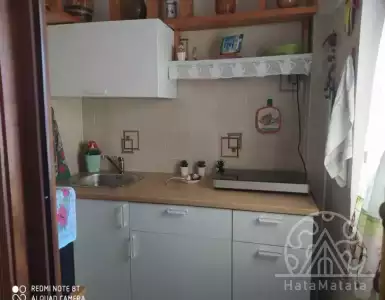
This is not a headline about cheap, derelict ruins for extreme renovators. The home has an open-plan kitchen, a garage, a cellar, and was renovated about 10 years ago, which meant the buyers did not face immediate large renovation bills. The couple are renting the house on Airbnb while they finalise plans to relocate and adjust their lives to a slower pace.
In this article we unpack what this story means for property buyers, investors and expats eyeing real estate Italy. We will use the couple’s experience to highlight key steps, legal checks, costs that are easy to overlook, and the economic trade-offs of trading a high-cost city for small-town Italian living.
Why €55,000 was possible — and what that price actually buys you
Stories of cheap houses in Italy are headline fodder, but price alone does not tell the full story. In this case the couple bought a livable two-bedroom home that had been renovated about a decade earlier. Key facts from their purchase:
- Purchase price: €55,000 (approx $92,060 AUD)
- Location: Lazio region, roughly two hours by car from Rome
- Property: semi-detached, two bedrooms, open-plan kitchen, garage and cellar
- Renovation: completed about 10 years prior to purchase
- Timeline: started looking mid-2024, completed December 2025
Those details matter because cheap Italian property headlines often involve homes that are uninhabitable without major rebuilding, or properties offered with strings attached such as compulsory renovations or symbolic prices requiring restoration commitments. Here the couple bought a home in good condition, which explains why they could make the leap without taking on renovation debt.
Our analysis is that low headline prices are concentrated in smaller towns and villages where demand for housing is limited, demographics are ageing, and local economies do not attract high-paid workers. This is a double-edged sword: low acquisition cost but smaller local rental demand and slower capital growth.
The economic case: mortgage-free living and lower ongoing costs
Sophie told reporters the couple estimate the cost of living in small Italian towns can be about 30% lower than in Australia, depending on where you live. That claim is central to understanding why this move makes financial sense for them: low purchase price plus lower running costs equals a realistic path to living without mortgage repayments.
What this means in practical terms for buyers and investors:
- Lower monthly housing costs free up cash flow for travel, leisure and local living.
- Owning outright eliminates interest expenses and reduces exposure to rate volatility.
- Small towns can offer cheaper utilities, food, and services, though specifics depend on lifestyle choices and exact location.
But the calculus is not purely positive. Consider these counterpoints:
- Smaller communities often have limited local services which may increase transport costs if you travel regularly to a city.
- Job opportunities are fewer which matters if you plan to work locally or need health and other services nearby.
- Long-term capital appreciation in small towns is usually slower than in major urban centres.
For buyers whose priority is debt-free living and a slower pace, the trade-offs may be acceptable. For investors seeking yield or capital growth, the picture is more complex.
Short-term rental as a bridge strategy — pros and cons
Sophie and Adam are renting the house on Airbnb while they organise their move. Using short-term rental to offset holding costs is a common strategy for buyers who cannot relocate immediately or who want to test demand before committing to full-time living.
Benefits of short-term rental:
- Generates income that helps cover taxes, utilities and insurance while the property is vacant.
- Allows the owners to test the local tourism market and identify peak seasons.
- Keeps the property maintained and occupied, which deters vandalism.
Risks and constraints you should weigh:
- Many Italian municipalities regulate short-term rentals tightly and require registration, licences or a local tax regime. Fines for non-compliance can be substantial.
- Income from short-term rentals can be seasonal and volatile; towns off the main tourist trails may only be busy for a few weeks a year.
- Managing an Airbnb from overseas requires reliable local contacts or a property manager, which erodes net returns.
If you plan to follow a similar path, check local rules and budget for management and compliance costs upfront.
Due diligence for buying property in Italy: checklist for overseas buyers
Buying overseas is not the same as buying at home. We advise a structured due diligence process that includes legal, fiscal and physical inspections. For readers considering property Italy, here is a practical checklist drawn from standard practice and the lessons in this case:
- Engage a bilingual local real estate agent with good references.
- Hire a qualified notary (notaio) to examine the title deeds, mortgages and any liens on the property.
- Verify cadastral records (catasto) and the urban planning status (visura catastale and verifiche urbanistiche) to confirm the property’s permitted use.
- Obtain the energy performance certificate (Attestato di Prestazione Energetica or APE) and confirm the recent renovation history.
- Check that all utilities are connected and functioning and that there are no outstanding utility debts.
- Confirm that the garage and cellar are legally part of the property title and are not unauthorised constructions.
- Factor in purchase taxes, notary fees, agent commission and any legal fees. These costs vary by region and by whether the buyer is a resident.
- If you plan to rent short-term, check municipal regulations, tourist taxes and any condominium rules.
We cannot overstate the role of the notaio. In Italy they serve as an impartial public official who ensures the transfer is legal. Foreign buyers should meet the notaio or their representative and receive copies of all public records.
Residency, taxes and long-term expenses to consider
Buying a cheap house does not automatically grant residency or tax benefits. Buyers need to separate property purchase from immigration and tax status.
Key considerations:
- Owning property in Italy does not guarantee a residency permit. Non-EU nationals must follow Italy’s visa rules to stay long-term.
- Income from rentals must be declared to the Italian tax authorities. There are flat-rate regimes and ordinary tax options depending on your situation.
- Owning property may trigger municipal taxes such as IMU and garbage tax (TARI) depending on the property type and use.
- Health care access depends on residency status and local enrolment in the national health system.
Before signing, consult a tax advisor who understands both the buyer’s home-country tax system and Italian tax law. Cross-border tax issues can be costly if overlooked.
Practical tips from this case for buyers and investors
We have covered the legal and financial checks. Here are hands-on tips inspired by Sophie and Adam’s move that will help readers translate curiosity into a workable plan:
- Start early.





We think the most overlooked factor is time. Overseas buyers underestimate the time needed to obtain legal documents, certify translations and get tax identification numbers. Plan for months, not weeks.
Who should consider small-town Italian property — and who should not
Small-town Italian property can be attractive for a narrow but significant group of buyers:
- Retirees seeking debt-free living and a slower daily rhythm.
- Remote workers who do not rely on local employment and want lower living costs.
- Buyers seeking a second home for extended holidays who can cover holding costs.
This approach is less suitable for:
- Investors relying on steady rental yields and rapid capital growth.
- Buyers who need urban-level services, specialised healthcare or frequent international travel without hassle.
If the primary objective is lifestyle change rather than market-beating returns, cheap houses outside Italy’s major centres can make financial sense. If your objective is speculative investment, study local demand drivers and realistic exit scenarios.
Balancing romance and realism when buying abroad
Buying overseas stirs strong emotions. The romance of Italy, language, cuisine and community were explicit motivators for Sophie and Adam. Those intangible benefits matter; they influence lifestyle and happiness. However, emotions should be balanced by facts: legal checks, fiscal compliance and a realistic assessment of the day-to-day costs.
We recommend a phased approach: visit multiple times across different seasons, test living there for a few weeks, and use short-term rental to bridge the period before full relocation. That approach reduces the chance of a costly surprise.
Frequently Asked Questions
Q: Can a non-EU citizen buy property in Italy?
A: Yes. Non-EU citizens can buy property in Italy, but ownership does not grant residency. You must apply for the appropriate visa if you plan to live in Italy long-term.
Q: Does buying cheap property in Italy mean I will save on living costs?
A: It depends on location and lifestyle. The couple in this story estimated around 30% lower daily living costs in small towns compared with Australia. However, proximity to services, travel and lifestyle choices can offset savings.
Q: Are there hidden costs when buying property in Italy?
A: Yes. Buyers should budget for purchase taxes, notary and agent fees, property registration, any outstanding utility debts, and upgrades. If you plan to rent, include local tourist taxes and possible registration costs.
Q: Is short-term rental a reliable way to cover holding costs?
A: It can help, but short-term rental income is usually seasonal and regulated locally. You will need to factor in management fees and legal compliance.
Bottom line for buyers and investors
This Brisbane couple’s story shows that it is possible to buy modest, well-maintained property Italy for a sum that would be a deposit rather than a purchase price in many global cities. Their priorities were to escape mortgage debt and gain a slower pace of life. For buyers who share those priorities, the opportunity is real; for investors chasing quick capital gains or steady high yields, the small-town route requires careful market analysis.
If you are considering a similar move, follow the practical checklist: hire a trusted local agent and notaio, verify the title and building status, account for taxes and fees, and test the market with short-term rental before committing to full relocation. The decisive factor in this and many cross-border purchases was not the cheap headline price alone but a realistic match between the buyers’ lifestyle aims and the realities of living in a smaller Italian community.
The couple closed in December 2025 after about 18 months of searching; that timeline is a useful reference for anyone planning a comparable purchase.
Tags
We will find property in Italy for you
- 🔸 Reliable new buildings and ready-made apartments
- 🔸 Without commissions and intermediaries
- 🔸 Online display and remote transaction

International Real Estate Consultant

Subscribe to the newsletter from Hatamatata.com!
Subscribe to the newsletter from Hatamatata.com!
Popular Posts

We will find property in Italy for you
- 🔸 Reliable new buildings and ready-made apartments
- 🔸 Without commissions and intermediaries
- 🔸 Online display and remote transaction
International Real Estate Consultant

Subscribe to the newsletter from Hatamatata.com!
Subscribe to the newsletter from Hatamatata.com!
I agree to the processing of personal data and confidentiality rules of Hatamatata
Need advice on your situation?
Get a free consultation on purchasing real estate overseas. We’ll discuss your goals, suggest the best strategies and countries, and explain how to complete the purchase step by step. You’ll get clear answers to all your questions about buying, investing, and relocating abroad.



Irina Nikolaeva
Sales Director, HataMatata