


Turkey Lets Brokers Advertise on Social Media — But Scams Are Even More Visible

Türkiye opens social platforms to licensed property advertising — with strings attached
Türkiye has opened social media channels to licensed property advertising, and for anyone tracking real estate Turkey that is a development worth watching. The Trade Ministry now permits certified real estate agencies to post photos, videos, prices and descriptions on platforms such as Instagram and Facebook, provided each post links to a government-authorised listing on the e-Devlet portal. The headline change looks like progress for marketing and transparency, but in practice the reform creates a mixed picture for buyers, investors and expats.
In our analysis the reform increases visibility for regulated brokers while leaving important gaps that bad actors can exploit. The rules are clear in one respect: when listings are properly verified through the government's electronic system, consumers gain a direct route to official data. Yet the verification system, known as EİDS, excludes several large categories of properties, and that exemption has already been exploited.
What exactly changed: the new social media advertising rules
The Trade Ministry's guidelines allow licensed brokers to advertise on social networks under these conditions:
- Each social post must link directly to a verified listing authorised by the property owner via e-Devlet.
- Content in the post must match the official listing data exactly.
- Non-compliance may trigger fines of up to 286,206 Turkish liras (about $6,000) per violation.
These measures are intended to curb misleading claims, phantom listings and fake prices that were proliferating online. The ministry framed the change as a way to bring social media listings into the same transparent system used by traditional portals and agencies.
The verification system and its major loopholes
The devil is in the details. The electronic verification system EİDS is central to the new rules, but it does not cover all properties. According to industry sources and chamber representatives, the following categories are exempt from mandatory e-Devlet authorisation:
- Properties without title deeds (no registered tapu)
- Foreign-owned real estate
- Listings belonging to cooperatives and associations
Real estate council member Mustafa Hakan Özelmacıklı at the Istanbul Chamber of Commerce (İTO) warns that these exceptions are not theoretical. On one online platform the number of adverts for properties without title deeds rose from roughly 16,000 to over 21,000 in just three months. That increase came after brokers and private sellers realised they could place listings without the e-Devlet tie-in.
Özelmacıklı told reporters that scammers are using personal social profiles to act like unlicensed brokers, and they advertise rentals of bungalows without proper permission and projects that reportedly lack building permits. Those are specific, concrete risks: a social post can show a glossy interior while the underlying property lacks legal documentation that a buyer needs.
Why this matters for buyers, investors and expats
From a practical standpoint the reform changes how risk is managed rather than eliminating risk. Here's what buyers and investors should understand:
- Verified listings help when they exist. If a social post includes a valid e-Devlet link that matches the ad, you have a starting point to confirm ownership and registered details.
- Exempt categories remain vulnerable. Properties without tapu or those owned by foreign nationals can appear on social networks without government verification.
- Social media amplifies speed and scope. Scammers can reach many people quickly and rely on impulse responses.
As real estate professionals we see both opportunity and exposure. The rule makes regulated broker activity more visible, which benefits established agencies. But it also gives a veneer of legitimacy to platforms and accounts that mix verified and unverified listings. That blur is exactly where fraud thrives.
Practical due diligence: steps every buyer should follow
If you are considering a property advertised on social media in Turkey, treat the post as an invitation to investigate, not as proof of legitimacy. Follow these steps before you hand over money or sign anything:
- Confirm the e-Devlet link. Does the social post include a working link to a verified listing on the e-Devlet portal? If so, check that the details in the portal match the social post.
- Request a copy of the title deed (tapu). Verify the seller's name matches the registered owner and that there are no encumbrances or liens.
- Ask for building permits and occupancy certificates (iskan) for constructed properties or permits for ongoing projects.
- Verify the broker's licence. Licensed brokers should be able to provide their registration number and agency details; contact the relevant trade registry if in doubt.
- Meet the seller and the broker in person where possible, and insist on notarised documents for any advanced payments.
- Check property history on official registry portals and request recent utility bills or tax receipts to confirm occupancy and use.
- Use an escrow or bank-backed guarantee for deposits on higher-value transactions.
These steps are standard due diligence, but social media listing formats can tempt buyers to skip them. We recommend that international buyers budget time for verification, and not rely solely on screenshots or chat messages.
How brokers and platforms will adapt — and where the risks remain
Licensed agencies gain a marketing channel that previously looked off-limits. They can post virtual tours, price updates and short-format video content that reaches foreign buyers and local customers alike.





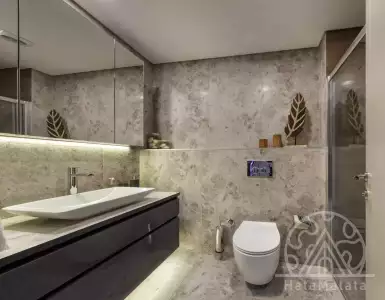
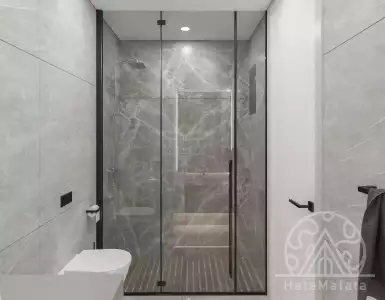

However, platforms that host user-generated listings have limited incentives to police every post. Social networks prioritise engagement, not title searches. Expect a few behaviours to persist:
- Listings created under individual accounts that mimic agency behaviour.
- Projects promoted without completed permits or with ambiguous land rights.
- Sellers advertising properties 'off-tapu' (without title deed) that are later found to have disputed ownership.
Marketplace trust will depend on enforcement and on platform cooperation. The Trade Ministry's fine of up to 286,206 TL is meaningful for small operators, but it will only deter those who care about staying in business. Bad-faith actors that use throwaway profiles are less likely to be influenced by financial penalties unless enforcement becomes swift and public.
Enforcement: penalties and practical limits
The rulebook includes fines but enforcement capacity matters. Key enforcement facts from the new guidelines:
- Maximum administrative fine: 286,206 Turkish liras per violation.
- Requirement: social posts by licensed brokers must include a direct link to an e-Devlet verified listing.
Enforcement challenges include: tracing anonymous or fake accounts, cross-border actors who advertise to Turkish audiences from abroad, and the scale of listings that platforms host. Until enforcement is demonstrably consistent, social media will remain a partial control rather than a full solution.
What this means for the Turkish property market and international investors
On balance, allowing licensed brokers to advertise on social media is an understandable modernisation. It aligns marketing practice with how buyers look for property today. For investors and expats the immediate effects are:
- Easier discovery of professionally-listed assets when brokers follow the rules.
- Continued need for rigorous due diligence because of EİDS exemptions and enforcement gaps.
- Heightened caution required in market segments where title deeds are commonly absent, such as some coastal bungalow markets and certain cooperative-held properties.
Istanbul and coastal resort areas are likely to see the fastest shift toward social-media-led marketing because those markets already attract foreign buyers and short-term rental demand. That makes it tempting for opportunistic sellers to skirt rules and mislabel assets.
Expert perspective: measured optimism and clear warnings
Industry voices have welcomed the move as an attempt to bring more accountability online. At the same time experts warn that social networks are fertile ground for fraud until three things happen:
- Exemptions are narrowed or additional safeguards are introduced for exempt classes.
- Platforms commit to stronger verification and remove repeat offenders quickly.
- Enforcement becomes swift and visible so that fines deter fake listings.
Our reading is that the regulation will improve transparency for a subset of transactions but will not close the door on scams. When rules rely on self-reporting and on a verification system with exemptions, the incentives for bad actors remain.
How to respond as a buyer, investor or advisor
If you are active in the Turkish property market, adapt your checklist and client advice:
- Treat any social media listing without an e-Devlet link as unverified until proven otherwise.
- Ask agents to show matching official registry entries before scheduling viewings.
- Advise clients to refuse wire transfers to personal accounts and to use escrow or notary-secured deposits.
- Include contractual clauses that condition the sale on clear title and valid permits.
Real estate professionals should highlight their licensing and verification workflows in public marketing to build trust. Platforms and agencies should publish how they verify listings and how buyers can report suspect posts.
Conclusion: a useful change with significant caveats
The Trade Ministry's decision to allow licensed brokers to advertise on social media is a logical update for a digital market, and the requirement to link advertising to e-Devlet listings is a step toward transparency. Yet the EİDS exemptions for properties without title deeds, foreign-owned assets and cooperative holdings create sizable blind spots that fraudsters exploit. As Mustafa Hakan Özelmacıklı and other industry figures have pointed out, scammers are quick to use those exemptions and personal social accounts to pose as unlicensed brokers.
For buyers and investors the takeaway is clear: use the e-Devlet link where present, but do not accept social media content as proof of legality. Confirm title deeds, check permits, verify broker licences and keep funds in secure, notarised arrangements. If you rely on a social post as your first lead, treat it as the start of a verification process, not as the finish line.
Frequently Asked Questions
Q: Does a social media listing with an e-Devlet link guarantee the property is legitimate? A: No. An e-Devlet verified listing is a positive sign because it links to the official registry, but you still need to confirm the title deed, check for encumbrances and verify that permits match the physical property.
Q: What types of properties are exempt from e-Devlet verification? A: The main exemptions are properties without title deeds, real estate owned by foreigners and listings held by cooperatives or associations. These exemptions leave gaps that can be abused.
Q: How large are the penalties for violations of the new rules? A: The Trade Ministry set fines up to 286,206 Turkish liras per violation for non-compliant advertising.
Q: What immediate steps should I take if I find a suspicious property ad on social media? A: Do not send money. Request the e-Devlet listing link and a copy of the title deed, verify the broker's licence, ask for building permits if applicable, and consider legal counsel or a notary check before proceeding.
Check that any advertised property has a registered title deed and a matching e-Devlet verified listing before transferring funds.
We will find property in Turkey for you
- 🔸 Reliable new buildings and ready-made apartments
- 🔸 Without commissions and intermediaries
- 🔸 Online display and remote transaction

International Real Estate Consultant

Subscribe to the newsletter from Hatamatata.com!
Subscribe to the newsletter from Hatamatata.com!
Popular Posts

We will find property in Turkey for you
- 🔸 Reliable new buildings and ready-made apartments
- 🔸 Without commissions and intermediaries
- 🔸 Online display and remote transaction
International Real Estate Consultant

Subscribe to the newsletter from Hatamatata.com!
Subscribe to the newsletter from Hatamatata.com!
I agree to the processing of personal data and confidentiality rules of Hatamatata


Need advice on your situation?
Get a free consultation on purchasing real estate overseas. We’ll discuss your goals, suggest the best strategies and countries, and explain how to complete the purchase step by step. You’ll get clear answers to all your questions about buying, investing, and relocating abroad.



Sales Director, HataMatata