


US Home Prices Stagnate: Which metros are sliding fastest and what buyers should do now

US housing cools: annual home price growth slows to 0.9%
If you follow real estate USA trends, the pause that many buyers hoped for has arrived in the data. Annual home price growth slowed to 0.9% in December 2025, according to a new U.S. home price insights report from data firm Cotality. That rate is one of the softest since the post‑Great Recession recovery and, for many metros, the headline number masks steep local declines.
This is not just a seasonal wobble. The HPI results point to a broader correction in markets that boomed during the pandemic, and the weakness is concentrated in the South and West. In this article we map where values are falling fastest, explain why, and offer practical guidance for buyers, sellers and investors who are reassessing plans in the wake of a market that is moving from a red‑hot sellers’ market toward greater balance.
Where prices are falling fastest: the Cotality HPI hot list (cold markets)
Cotality's Home Price Index (HPI) flags metros at greater risk of further declines by analyzing multiple market segments and 45 years of home price trends. The report highlights concentrated weakness in Florida and Texas and unexpected pullbacks in expensive coastal markets.
Key facts from the report:
- Annual US home price growth: 0.9% (December 2025).
- Top metros with the sharpest HPI declines: Kahului‑Wailuku, HI; Victoria, TX; Wichita Falls, TX; Napa, CA; Naples, FL; Punta Gorda, FL; Cape Coral, FL; North Port, FL; Rome, GA; Sebastian, FL.
- Largest equity percentage drop: Punta Gorda, FL, at -7.97%, equivalent to a median $26,624 decline in value.
Selected metro figures cited by Cotality and Realtor.com:
- Kahului‑Wailuku, HI — HPI drop: 8%; median list price $1,049,500 (down from $1.42M in Aug 2023).
- Victoria, TX — HPI drop: 7.4%; median $276,100.
- Wichita Falls, TX — HPI drop: 7.2%; median $199,575.
- Napa, CA — HPI drop: 7.1%; median $1,304,500 (down from $1.79M in June 2023).
- Naples, FL — HPI drop: 6.8%; median $729,725.
- Punta Gorda, FL — HPI drop: 6.2%; median $384,750.
- Cape Coral, FL — HPI drop: 6.2%; median $399,949.
- North Port, FL — HPI drop: 5.9%; median $479,900.
- Rome, GA — HPI drop: 5.2%; median $296,950.
- Sebastian, FL — HPI drop: 5.2%; median $442,725.
These numbers show both volume and luxury markets are adjusting. High‑end areas like Kahului‑Wailuku and Napa have seen meaningful corrections in median list prices and a growing share of listings with price reductions.
Why values are falling: inventory, migration and insurance costs
Cotality and local advisers identify three main drivers of the decline.
- Higher inventory
- The record shortages that fueled bidding wars during the pandemic have eased in many markets. Where inventory climbs, sellers lose unilateral leverage and price reductions become more common. Several metros in Florida and Texas are showing measurable increases in listings and slower sale velocity.
- Slower in‑migration to formerly fast‑growing metros
- During the pandemic, historically low mortgage rates and a desire for more living space accelerated moves into markets in Florida, Texas and parts of the Mountain West. Those flows now have slowed. Less demand from new arrivals reduces upward pressure on values.
- Rising home insurance costs in fire‑prone areas
- Cotality's principal economist Thom Malone points to insurance as a key factor in high‑priced coastal markets. In places hit by wildfire or other catastrophic risk, rapidly rising insurance premiums increase the buyer’s ongoing cost of ownership. Sellers in those metros must compensate buyers with lower sale prices.
I agree with that diagnosis. When a buyer’s recurring cost equation includes a sudden jump in insurance, the market re‑prices quickly. You can see that logic in the data for Kahului‑Wailuku and Napa, where double‑digit median list price falls from 2023 levels have accompanied a rise in insurance expenditures.
Florida and Texas: correction concentrated, but uneven
Florida accounts for half of the metros ranked highest on Cotality’s risk list. That concentration is notable.
- Florida metros occupy the top five spots for highest risk of continuing declines: Cape Coral, Lakeland, North Port, Palm Bay and West Palm Beach.
- Florida listings with price reductions are appearing across price tiers — from North Port’s mid‑market homes to Naples’ luxury stock.
Why the Sunshine State is special in this correction:
- Overbuilt inventory in some coastal and suburban submarkets. Developers and sellers who rushed to supply more homes during the boom now face slower absorption.
- Shift in buyer flows. The earlier surge of relocation to Florida has eased, leaving many sellers who priced for peak demand with mismatched expectations.
Texas shows a mixed picture. Two metros — Victoria and Wichita Falls — rank in the top three in HPI decline. That may surprise investors who have viewed Texas as a steady growth alternative. But local conditions have changed:
- Recent price increases tightened affordability, and some buyers began to question property tax and commuting cost tradeoffs.
- Anecdotal reports from investors and agents note longer commutes and higher property taxes narrowing the delta that previously made Texas attractive versus California.
My view is that the Texas correction is more surgical than systemic. The state still has job growth in major metros, but smaller, pandemic‑era boom towns and exurban pockets are where price risk concentrates.
High‑end markets: insurance and demand shifts are key
Kahului‑Wailuku, HI and Napa, CA are instructive because they show why even wealthy markets can see sharp declines.
- In Kahului‑Wailuku, the median list price dropped from $1.42 million in Aug 2023 to $1,049,500; 10% of listings saw price cuts in January. In Napa, 11.6% of listings had reductions in the same month.
- Malone links these trends to skyrocketing home insurance costs following the 2023 fires.


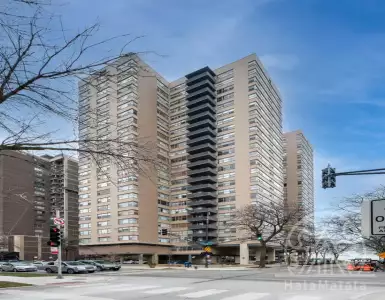




For investors in luxury coastal or amenity‑driven markets, the lesson is clear: evaluate recurring ownership costs, not just nominal purchase price. When insurance premiums rise materially, net yields and total cost of ownership change quickly.
What this means for buyers, sellers and investors — practical guidance
We weigh the data and offer specific steps for different market participants.
For buyers
- Shop price reductions and time the market. In metros where HPI is down and listings are increasing, buyers regain negotiation power. Look for homes with recent price cuts and ask for data on days on market and listing history.
- Stress test recurring costs. For coastal or fire‑risk areas, run scenarios with higher insurance and maintenance costs. That will help you compare total cost of ownership across metros.
- Get preapproved and lock contingencies. When offers matter, a strong financing position and reasonable contingencies win deals without overpaying.
For sellers
- Reset expectations early. Sellers who list at pandemic peak prices now see longer market times and larger eventual concessions. Pricing within market comps rather than recent high‑water marks reduces time on market and avoids steep reductions later.
- Use local market data. National headlines matter, but local absorption rates, new listings and comparable sales should drive pricing.
For investors
- Reassess yield targets in markets with rising insurance or operating costs. If cap rate assumptions used to buy a rental now face higher insurance and maintenance, the investment returns change.
- Consider diversification across metros. The correction is uneven; markets tied to steady employment and housing fundamentals will recover faster than amenity‑driven boom towns.
- Watch migration and employment signals. Job growth and in‑migration remain primary drivers of long‑term housing demand.
Risks and things to watch next
The Cotality report reads as a market reset rather than a crash. Still, risk remains for specific metros.
- Insurance-driven repricing could continue where risk classifications stay high. That is happening in parts of Hawaii and California.
- Local economic setbacks or slowing job markets would deepen declines in fragile metros.
- Seller overpricing can keep inventory elevated, prolonging the correction in certain submarkets.
Positive signs for buyers include a more navigable market and fewer frantic bidding wars. But an important caveat: cooling does not guarantee recovery in every metro. Each local market is now sorting into winners and losers based on fundamentals and cost structures.
What investors should model now
When underwriting purchases in 2026, include these variables in your models:
- Scenario stress for insurance costs in high‑risk ZIP codes.
- Longer marketing times and lower final sale price compared with the listing price in markets with rising inventory.
- Migration trend reversals — assume that pandemic migration to certain metros may not return to 2020–2022 rates.
Put simply, any acquisition thesis that depended on continuous, double‑digit appreciation should be reworked. Look for deals where rental yield and local job growth provide a buffer.
Frequently Asked Questions
Q: Does the 0.9% national HPI growth mean prices are falling everywhere?
A: No. The 0.9% figure is a national average and masks wide regional variation. Some metros—especially in the South and West—are seeing double‑digit HPI declines, while other areas remain stable or continue modest appreciation.
Q: Are the declines limited to low‑priced markets?
A: No. Both mid‑market and high‑end metros are affected. Kahului‑Wailuku and Napa are examples where insurance costs have pressured prices in higher‑priced markets, while places like Wichita Falls and Victoria show steep percentage drops in more affordable metros.
Q: Is this a buyer’s market now?
A: Parts of the country are shifting toward buyer advantage as inventory rises and sellers lower prices. However, the change is uneven. In strong job markets with low new supply, sellers retain leverage. You must assess local absorption rates and days on market.
Q: Should I avoid buying in Florida or Texas right now?
A: Avoiding an entire state is a blunt tool. Florida and Texas contain both high‑risk metros and neighborhoods with durable fundamentals. Focus on local economic indicators, housing inventory, and insurance exposure rather than state‑level headlines.
Final assessment: a market rebalancing with localized pain
The Cotality data show that U.S. home price growth has slowed to 0.9%, and in several metros the shift is sharper. For buyers and investors this is a mixed opportunity: improved negotiating power and more inventory, but also new cost risks—especially rising insurance in wildfire‑exposed markets and the fallout from slowing in‑migration.
Our analysis is that the market is moving toward normalization, but normalization is uneven and, in some places, painful. The practical takeaway: assess local fundamentals, price your risk for higher operating costs, and treat each metro as a separate investment decision rather than following national trends alone.
Tags
We will find property in USA for you
- 🔸 Reliable new buildings and ready-made apartments
- 🔸 Without commissions and intermediaries
- 🔸 Online display and remote transaction

International Real Estate Consultant

Subscribe to the newsletter from Hatamatata.com!
Subscribe to the newsletter from Hatamatata.com!
Popular Posts

We will find property in USA for you
- 🔸 Reliable new buildings and ready-made apartments
- 🔸 Without commissions and intermediaries
- 🔸 Online display and remote transaction
International Real Estate Consultant

Subscribe to the newsletter from Hatamatata.com!
Subscribe to the newsletter from Hatamatata.com!
I agree to the processing of personal data and confidentiality rules of HatamatataPopular Offers

 3
3
 120
120
 5
143
5
143
 2
165
2
165
Need advice on your situation?
Get a free consultation on purchasing real estate overseas. We’ll discuss your goals, suggest the best strategies and countries, and explain how to complete the purchase step by step. You’ll get clear answers to all your questions about buying, investing, and relocating abroad.



Sales Director, HataMatata