


We Bought an 18th‑Century Tuscan Farmhouse for €945,000 — What Americans Should Know

Why an American lawyer spent over €900,000 on rural Tuscany
When you start researching real estate Italy, you expect bargain stone houses in tiny villages. What you may not expect is an American family paying €945,000 for an aristocratic farmhouse and moving there full time. That is what attorney Vito Andrea Racanelli did in 2024, selling a Colorado home, claiming Italian citizenship by descent, and relocating with his wife and children to Radicondoli in Tuscany.
They moved in August 2024 and now live in one wing of a property thought to date from the 1750s while completing renovations across the estate. The purchase and the months that followed expose practical lessons for buyers and investors considering property in Italy: how deals differ from US practice, what checks you must complete before making an offer, and how local incentives and culture affect the economics and day‑to‑day life.
The purchase: price, assets and timeline
Racanelli bought a historic estate known as Podere Doglio in Radicondoli. Key facts:
- Purchase price: €945,000 (about $1.1 million)
- Main house area: roughly 4,000 sq ft
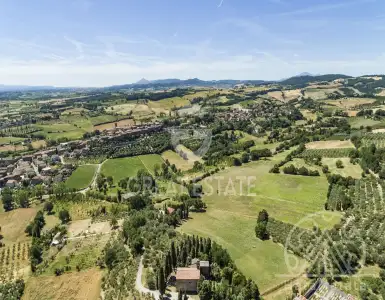
- Land: approximately 5 hectares
- Included amenities: a pool and three outbuildings
- The family also bought a separate home in Siena to combine rural and urban living
They viewed the property in 2024 and the sale process took almost a year. Racanelli and his family lived on site for about four months while the purchase proceeded.
Why spend that much? Racanelli told reporters that a comparable property near Denver would likely cost $5 million to $10 million, so despite the six‑figure price the Tuscany purchase felt like relatively better value given the family's preferences.
How the Italian real estate process differs from the US
If you are used to US contracts, Italian practice requires a different mindset. From Racanelli's experience these are the main practical differences:
- The Italian system is more protective of the seller. Buyers must do their due diligence before submitting an offer because legal opt‑outs common in US contracts are typically absent.
- Deposits are real money. A down payment of 10% to 30% is common and may be forfeited if the buyer pulls out without legal grounds.
- Formal steps include a compromesso (preliminary contract) and a final deed signed in front of a notaio. The notaio handles title transfer and tax filings.
Racanelli's top recommendations for foreign buyers were straightforward: hire a real estate attorney, an accountant, and a geometra (architect‑surveyor). Those professionals handle the legal checks, tax implications, and cadastral/planning verification that are essential before signing anything.
Practical checks to commission early:
- A visura catastale to confirm the cadastral details and the property's registered size
- A visura ipotecaria to check for mortgages or liens
- Building permits and planning compliance for any planned works
- Verification of servitudes or easements and access rights
- An energy performance certificate and inspection for structural issues
If these checks throw up problems after you have committed, you may face legal exposure or lose the deposit. That is why Racanelli emphasises doing due diligence before putting a binding offer on the table.
The estate: buildings, systems and conservation rules
Podere Doglio is a classic multi‑building Tuscan estate. The family currently occupies the main farmhouse while three ancillary structures are under renovation:
- A small cottage with a loft bedroom
- A renovated pigsty converted into two bedrooms
- A garage attached to the pool house that has been converted into a home gym
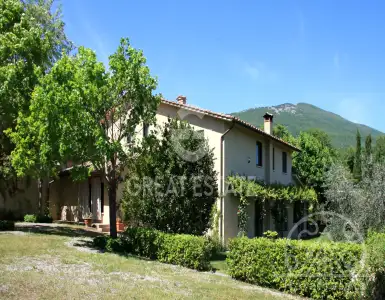
The main farmhouse features thick wooden beams, a large fireplace, traditional Tuscan stone colouring and a roof in regional style. The family has made some upgrades already: the estate now has a large photovoltaic system to lower electricity costs, and the outbuildings are being fitted with plumbing, heating and air conditioning.
Two practical lessons on renovation in heritage settings:
- Tuscany enforces strict rules aimed at preserving historic façades and building characters. Structural changes require municipal pre‑approval and are often limited.
- Pre‑approval for photovoltaic and plumbing projects can be secured, but major reconfiguration is usually prohibited or heavily controlled.
Racanelli notes there are almost always constraints on what you can change. If you plan to renovate, budget time for planning approvals and expect a conservative approach from municipal authorities.
Renovation reality: bureaucracy, contractors and the ‘piano piano’ pace
Renovating in Italy is rarely a fast process. Racanelli described the experience bluntly: the country's bureaucracy is “immense and complicated,” and work moves at a different tempo than many Americans expect. Key operational points to accept:
- Contractor shortages in Tuscany make scheduling difficult and labor timelines longer.
- Cultural norms include long lunches, frequent holidays and shorter working days; deadlines can slide.
- Language barriers matter.



Racanelli handled some tasks himself, including painting and caulking, and praised the quality of Italian workmanship. He still had to rely on lawyers and friends for navigating paperwork and approvals.
From an investor's perspective, slower renovation pace affects carrying costs and cash‑flow assumptions. If you plan to rent a property as a vacation home, model longer timelines and potentially higher build costs than you would in the US.
Living in Radicondoli: community, incentives and lifestyle trade‑offs
Radicondoli is a small medieval village in the province of Siena. Racanelli chose it for proximity to Siena, safe streets for his children, and the surrounding nature reserve. He observed community behaviours that many city dwellers find striking: neighbours stopping to greet one another, children playing unsupervised in village squares and a palpable sense of community.
Two policy details are worth noting:
- The town launched a program offering up to €20,000 to buyers willing to purchase and live in vacant homes. That scheme helped attract at least 60 new residents in recent years.
- Rural incentives like this can reduce acquisition costs or help with small renovations, but municipal funds rarely cover major works.
Day‑to‑day trade‑offs include slower services, fewer immediate contractors, and a quieter social scene than a city offers. Racanelli balanced this by buying a second property in Siena so the family could combine rural and urban living. This hybrid approach is worth considering if you want the rural setting but still need access to schools, hospitals and cultural life.
Tax, citizenship and financial considerations for foreigners
Racanelli obtained Italian citizenship by descent through his grandmother from Molise. That status simplified residency and long‑term planning. For foreigners without citizenship, keep these items in mind:
- Residency status affects taxes, healthcare access and borrowing ability. Residency may require registration with local authorities and evidence of intent to live in Italy.
- Property purchase taxes, local IMU levies and potential rental income tax apply; an accountant familiar with Italian fiscal rules is essential.
- Mortgage availability varies. Non‑residents can obtain mortgages from Italian banks, but terms and down payment requirements can be stricter.
From a real estate investment perspective, ask a tax adviser about the “residenza” implications and how rental income or capital gains taxes will apply if you let the property.
What this story means for buyers and investors
I see three practical takeaways from the Racanelli purchase that should shape anyone's plan to buy property in Italy:
-
Price is relative. Even an expensive Tuscan farmhouse can be cheaper than equivalent properties in high‑demand US areas. Compare markets realistically rather than assuming Europe is uniformly low cost.
-
Legal and technical checks must come first. Unlike many US transactions, Italy gives sellers strong legal protections, so you must complete a visura catastale, visura ipotecaria, and confirm planning permissions before committing.
-
Plan time and budget for delays. Expect a slower pace for renovations and bureaucracy. Add contingency for labour shortages, translation costs, and extended approval times.
If you are an investor looking for a holiday rental, weigh the upside of Tuscany's strong tourist demand against local restrictions on short‑term lets and the renovation timeline. For owner‑occupiers, the intangible benefits of lifestyle, community and cultural fit can justify the operational headaches — provided you budget and plan conservatively.
Practical checklist before making an offer in Italy
- Engage a local real estate attorney and a geometra immediately.
- Order a visura catastale and visura ipotecaria.
- Confirm energy performance certificate and any structural surveys.
- Ask the seller for a history of permits and alterations.
- Check municipal rules for tourist rentals if you plan to let the property.
- Budget for a 10% to 30% deposit and possible forfeiture if you withdraw without legal cause.
- Allow 12 months for purchase and initial renovation work as a working assumption.
Frequently Asked Questions
Q: How much did the Racanelli family pay for the farmhouse?
A: The family paid €945,000, which was reported to be around $1.1 million at the time.
Q: How long did the purchase process take?
A: The family viewed the property in 2024 and the purchase process took almost one year; they lived on site for about four months while the legal work proceeded.
Q: What professionals should foreign buyers hire in Italy?
A: At minimum hire a local real estate attorney, an accountant familiar with Italian tax rules, and a geometra to verify cadastral and planning matters. A bilingual project manager or translator is also highly advisable.
Q: Are there incentives to buy in small Italian towns?
A: Yes. Radicondoli runs a program offering up to €20,000 to buyers willing to purchase and live in vacant homes, a scheme that has attracted at least 60 new residents.
Final, practical takeaway
If you want to buy property in Italy, treat the purchase as a legal and technical project as much as an emotional decision. Budget for a 10%–30% deposit, expect the paperwork and renovation approvals to take time, and secure a geometra, attorney and accountant before you sign anything. That approach turns romance into a manageable transaction and protects your money and schedule.
Tags
We will find property in Italy for you
- 🔸 Reliable new buildings and ready-made apartments
- 🔸 Without commissions and intermediaries
- 🔸 Online display and remote transaction

International Real Estate Consultant

Subscribe to the newsletter from Hatamatata.com!
Subscribe to the newsletter from Hatamatata.com!
Popular Posts

We will find property in Italy for you
- 🔸 Reliable new buildings and ready-made apartments
- 🔸 Without commissions and intermediaries
- 🔸 Online display and remote transaction
International Real Estate Consultant

Subscribe to the newsletter from Hatamatata.com!
Subscribe to the newsletter from Hatamatata.com!
I agree to the processing of personal data and confidentiality rules of Hatamatata
Need advice on your situation?
Get a free consultation on purchasing real estate overseas. We’ll discuss your goals, suggest the best strategies and countries, and explain how to complete the purchase step by step. You’ll get clear answers to all your questions about buying, investing, and relocating abroad.



Irina Nikolaeva
Sales Director, HataMatata