


What $1.28M Actually Buys You Abroad: A Tuscan Farmhouse vs. a Paris Pied‑à‑Terre

What $1.28M buys in global property markets — and why Italy matters
If you are watching the real estate Italy market because you want more space or a second home, a single figure tells a sharp story. Australia’s median house price across the combined capitals was $1,280,159 in December, according to Domain, and that sum buys very different things depending on where you look.
We compared a set of real listings priced around that benchmark to show the trade-offs between location, size, condition and investment logic. The headline for many buyers is simple: you can get land and light in Tuscany or a compact, fully renovated home in Paris. Which is better depends on your aims as an owner, investor, or part-time resident.
How the Australian median budget compares internationally
The exercise is one of apples-to-apples purchasing power rather than exact market analysis. Using the Australian median of $1,280,159, the original comparisons examined properties listed in Tuscany, New York, Toronto, Christchurch, Zapallar (Chile), Karuizawa (Japan), Paris and Lisbon.
Key benchmark figures from those listings:
- Siena, Italy: approx. $996,500 for a restored farmhouse (four bedrooms), about 10 minutes by car from the medieval city of Siena.
- Paris, France: ~ $1,000,000 for a 39 sq m one-bedroom apartment in the 9th arrondissement, fully renovated by an architect.
- Lisbon, Portugal: $1,280,000 for a two-bedroom duplex in Estrela with a 90 sq m terrace.
- New York (Brooklyn): $1.2M for a three-bedroom house in Flatbush; $1.27M for a ~70 sq m pied‑à‑terre in Midtown East.
- Toronto, Canada: $1.2M for a two-bedroom two-storey condo in King West; $1.3M for a four-bedroom house in the west end.
- Christchurch, NZ: $929,000 for a three-bedroom coastal house in Sumner.
- Zapallar, Chile: $756,000 for a four-bedroom beach house.
- Nagano (Karuizawa), Japan: $916,000 for a two-bedroom house on a 566 sq m lot.
Those prices show different trade-offs: inner-city convenience and turnkey condition in Paris and Manhattan vs. space, land and lifestyle in Tuscany and coastal Chile.
Siena farmhouse — what the Italy listing tells buyers
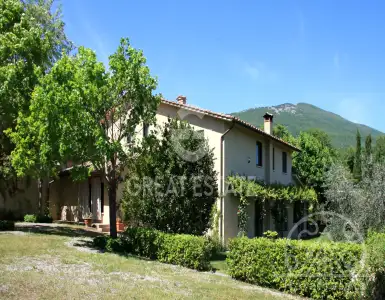
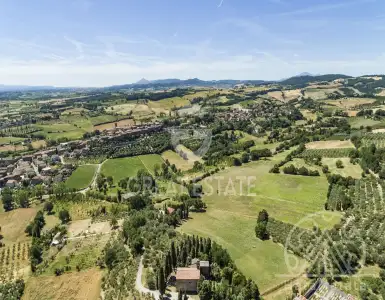
The property in Cerchiaia – Coroncina, about 10 minutes by car from Siena, is a useful case study in the Italian market. It is a four-bedroom farmhouse, restored in the late 1990s, and currently configured as two separate apartments. The listing price is about $996,500, which leaves a buyer with spare budget from the Australian median if they wanted to relocate or invest.
Why this matters:
- The house offers internal division that can work for permanent living plus an income stream through short or long-term rental. A two-apartment configuration is common in rural Italy and can improve cash flow.
- The late-1990s restoration implies basic structural and systems work is recent relative to an untouched farmhouse, but it also means cosmetic upgrades may still be desirable.
- Proximity to Siena means cultural amenities, restaurants, and tourism demand are on the doorstep, supporting holiday rental prospects.
Our reading of that listing is pragmatic. For buyers drawn to Tuscany for lifestyle, the property is an attractive balance of village calm and city access. For investors seeking high, predictable yields, a rural farmhouse will not match central-city yields because seasonal demand and higher per-unit maintenance raise effective costs.
Risks and costs to plan for in Italy:
- Historic or rural properties can have complex cadastral histories; check the catasto and recent permessi if you plan alterations.
- Utilities and heating systems in older buildings often need modernisation for comfort and efficiency.
- Local taxes, agent fees and notary costs add to purchase price; foreign buyers should budget for closing costs that vary by region.
Paris, Lisbon, New York and Toronto — the city options
If you prefer city life to country living, the listings show the typical trade-off: size for location.
Paris (9th arrondissement, 39 sq m, ~$1,000,000)
- A compact one-bedroom, completely renovated by an architect, on the first floor of a period building. Paris’s appeal is obvious but expect very small floor plans for that price.
- The Paris market favours central, renovated apartments. For buyers focused on capital appreciation or a pied‑à‑terre, the renovated condition is valuable because it reduces immediate spend.
Lisbon (Estrela, two-bedroom duplex, $1.28M, 90 sq m terrace)
- Lisbon remains attractive to relocators because of healthcare, climate and lifestyle. At this price in Estrela you get a sizeable terrace which, in southern Europe, adds meaningful living space and rental appeal.
- Buyers should consider condominium fees and the age and condition of communal elements, particularly in historic buildings with artistic facades.
New York and Toronto
- Brooklyn Flatbush house, $1.2M: a three-bedroom with subway access offers long-term rental and owner-occupier potential; US markets are competitive and transaction costs are high.
- Midtown East pied‑à‑terre, $1.27M: roughly 70 sq m, renovated kitchen and marble bathroom; ready-to-move-in urban living at limited square metres.
- Toronto King West condo, $1.2M: double-height ceilings and proximity to the waterfront are strong draws; Toronto’s pricing has softened under higher interest rates, which can favour buyers.
What I tell clients who consider city purchases: if you want consistent rental demand and liquidity, central apartments in global cities are simple to market. But you must accept smaller space and premium strata or service charges.
Beach, mountain and regional alternatives: Christchurch, Zapallar, Karuizawa
The listings span a wide range of climates and uses, each with a different investor profile.
- Christchurch, Sumner: $929,000 for a three-bedroom a few blocks from the beach. This appeals to owner-occupiers seeking coastal living within commuting distance of a city centre.
- Zapallar, Chile: $756,000 for a four-bedroom beach house. The town is described as an affluent summer retreat and the price shows that desirable coastal locations do not always carry the same premiums as North American or European hotspots.
- Karuizawa (Nagano), Japan: $916,000 for a two-bedroom built in 1994 on a 566 sq m lot with a terrace and fireplace. This is a classic mountain-resort purchase for buyers who want access to skiing and cooler summers.
Each regional purchase has different ongoing cost profiles, from seasonal staffing and maintenance in holiday homes to higher insurance in coastal zones. If you buy abroad, factor in local management fees if you are not resident.
Cross-border buying: legal, tax and finance checklist
Buying property overseas is doable, but the devil is in the details. From my experience reporting on and advising buyers, here are practical steps every purchaser should follow:
- Hire a local lawyer conversant with property law and the registration system (catasto in Italy, cadastre systems elsewhere).
- Confirm ownership and boundaries with official records and an up-to-date survey.
- Get a building inspection that includes structure, roof, damp, and the heating and electrical systems.
- If you need a mortgage, check for lender availability to non-residents and factor in higher deposit requirements and different amortisation rules.
- Understand recurring costs: property taxes, municipal charges, condominium fees, and insurance.



In Italy specifically, we recommend confirming the APE energy certificate for efficiency data and asking for records of any recent works and local planning constraints. If the building is in a conservation area, renovations can require specialist permissions.
Investment vs lifestyle: choosing the right purchase
When you compare the farms, the apartments and the beach houses listed at roughly the same headline price, three clear trade-offs emerge:
- Space and land vs central convenience. Tuscany gives land and room; Paris gives immediate access to culture and transport but limited square metres.
- Turnkey condition vs renovation potential. Architect-renovated flats reduce near-term spend while older houses will often need upgrades.
- Yield vs capital growth. Central properties can be easier to rent year-round and are more liquid; holiday houses rely on seasonality and local demand but can offer higher peak rates.
In our analysis, buyers focused on lifestyle should prioritise proximity to services and the physical condition of the property. Investors should prioritise legal clarity, rental regulation, and liquidity.
Practical next steps if you are considering Italy or another market
- Visit in person. Photos and agent descriptions miss the details that determine whether a property will truly suit your needs.
- Build a realistic budget that includes purchase price, taxes, notary fees, agent commissions and an allowance for immediate improvements.
- Shortlist two types of property: one that meets your daily living needs and one that optimises investment criteria. That keeps options open.
- Engage local tax advice so you understand how rental income and capital gains will be taxed, and how double tax treaties apply.
We hear from many buyers who are surprised by closing costs and by how long cross-border transactions can take. Plan for delays and for the administrative work of owning a property in another jurisdiction.
Frequently Asked Questions
Can a non-resident buy property in Italy?
Yes. Non-residents can buy property in Italy, including primary homes, second homes and investment properties. You should engage a local lawyer to check title, local planning rules and to manage the notary and registration process.
What does the Siena listing tell us about rural Italian prices?
A property near Siena priced at about $996,500 shows that you can buy a sizeable rural house within easy reach of a major cultural centre. Rural properties may offer rental potential, but owners face maintenance and regulatory considerations.
Is a Paris apartment a better investment than a Tuscan farmhouse?
There is no universal answer. Paris apartments are more liquid and easier to rent year-round but are smaller and more expensive per square metre. Farmhouses offer space and lifestyle appeal and can produce seasonal income. Choose based on liquidity needs and whether you value everyday use or capital appreciation.
What are the main extra costs to budget for when buying abroad?
Expect to pay local purchase taxes, notary or conveyancing fees, real estate agent commissions, potential renovation costs and ongoing charges such as property taxes and insurance. In many countries these extra costs add several percent to the headline price.
Final assessment and takeaway
Putting the Australian median of $1,280,159 into global perspective sharpens a basic choice: do you pay a premium for central convenience, or do you buy space and land for a similar outlay? The Siena farmhouse at about $996,500 is a clear example of the latter, while the $1,000,000 Paris flat shows how much location costs in Europe’s capitals.
If your priority is living space and proximity to culture without the continuous density of a capital, real estate Italy offers options that are both livable and investible. If you prioritise liquidity and year-round rental demand, central-city apartments from Paris to New York remain hard to beat. Make sure you factor in legal checks, taxes, and realistic operating costs before you commit, and budget time for cross-border paperwork and inspections.
Tags
We will find property in Portugal for you
- 🔸 Reliable new buildings and ready-made apartments
- 🔸 Without commissions and intermediaries
- 🔸 Online display and remote transaction

International Real Estate Consultant

Subscribe to the newsletter from Hatamatata.com!
Subscribe to the newsletter from Hatamatata.com!
Popular Posts

We will find property in Portugal for you
- 🔸 Reliable new buildings and ready-made apartments
- 🔸 Without commissions and intermediaries
- 🔸 Online display and remote transaction
International Real Estate Consultant

Subscribe to the newsletter from Hatamatata.com!
Subscribe to the newsletter from Hatamatata.com!
I agree to the processing of personal data and confidentiality rules of Hatamatata
Need advice on your situation?
Get a free consultation on purchasing real estate overseas. We’ll discuss your goals, suggest the best strategies and countries, and explain how to complete the purchase step by step. You’ll get clear answers to all your questions about buying, investing, and relocating abroad.



Irina Nikolaeva
Sales Director, HataMatata