


Why €12.4bn of foreign capital has flooded Greek property since 2019

Foreign money is reshaping the real estate Greece market — and fast
Foreign buyers and investors have transformed the real estate Greece market: foreign direct investment in Greek property reached €12.4 billion between 2019 and 2025, according to the Bank of Greece. That figure dwarfs the €3.38 billion recorded during the 2002–2018 period and signals a shift in how international capital treats Greek housing and land.
This is not hype. The numbers show a sustained influx that is affecting prices, product mix and where developers choose to build. In this article we explain who is buying, where the money is going, what it means for prices and yields, and the practical steps buyers and investors should take if they want exposure to Greek property.
Why international buyers are pouring capital into Greece
The rise in foreign investment is multi-causal. From conversations with agents, developers and market platforms we identify the following drivers:
- Relative price competitiveness: Premium housing in Athens, Thessaloniki and the islands still costs less than comparable stock in major Western European cities, which attracts buyers seeking value.
- Political and macro stability: After a decade of volatility, Greece has settled into a more predictable policy environment that reduces sovereign and regulatory risk.
- Quality-of-life appeal: Climate, services and lifestyle are major pull factors for long-term purchasers and second-home buyers.
- Targeted demand for luxury assets: High-net-worth buyers view the luxury residential sector as a capital preservation play — a “safe haven” in the words of Premier Realty CEO Korina Saias.
These forces have turned Greece from a peripheral vacation-sale market into an investment-grade destination for private and institutional capital. We see portfolios that mix buy-to-let units, second homes and larger trophy assets across island and urban locations.
Where the money is going: hotspots and regional trends
Market data from Spitogatos and other intermediaries show that foreign demand is broad but concentrated in clear clusters. The top destinations for overseas buyers are:
- Municipality of Athens — the single most in-demand area for international buyers
- Suburbs of Thessaloniki — growing interest in commuter and coastal neighbourhoods
- Athens’ southern suburbs — established high-end pockets with sea access
- Cyclades — islands continue to draw second-home purchasers and high-end investment
- Halkidiki — a standout regional draw, explaining steady annual price increases in the area
Domestic demand follows a slightly different pattern. During the second quarter of 2026 the most active areas for Greek homebuyers were:
- Suburbs of Thessaloniki
- Southern suburbs of Athens
- Municipality of Athens
- Northern and western suburbs of Athens
That split matters. Foreign capital has a strong appetite for central Athens, island assets and coastal luxury, while local buyers are driving suburbs and commuter zones. Developers and sellers that match product to demand tend to trade with far less discounting.
How the investment has affected prices and market dynamics
The sustained inflow of foreign capital supports price resilience for quality stock. Premier Realty links this influx to the ability of high-quality housing to keep prices firm across the country.
Key impacts we observe:
- Price support at the top end: Luxury homes and renovated city apartments are the first to show price increases because they attract globally mobile buyers.
- Geographic spillover: Areas close to hot nodes benefit from improvements in services and transport, which lifts values in neighboring districts.
- Greater liquidity for premium stock: International interest shortens time-on-market for well-presented homes.
- Differing yield expectations: Investors focused on capital gains target island and luxury assets, while local rental investors seek higher yields in commuter suburbs.
From an investor’s point of view, the market is more stratified than it was ten years ago. That means you must be explicit about strategy: are you chasing capital growth, stable rental income, or a combination?
Risks and caveats investors need to weigh
We do not accept the narrative that Greece is risk-free. There are practical risks and market mechanics every buyer must consider:
- Concentration risk: Much foreign money targets a limited set of locations. Overexposure to the same micro-markets can amplify downturns.
- Regulatory and tax changes: Greece has improved its regulatory framework, but tax rules and residency programmes can change and affect returns.
- Supply mismatches: While luxury stock is in demand, mid-market supply and finishing standards vary. Buyers can overpay for properties that require further investment.
- Seasonality: Island markets perform in short windows; rental income is volatile across the year and requires conservative yield assumptions.
- Currency and macro risk: Although Greece uses the euro, wider European shocks can reduce international travel and demand.
We advise investors to stress-test returns against lower price growth and slower rental occupancy than recent years have shown. A rigorous exit plan and realistic holding-cost calculation are essential.
Practical guidance for buyers and investors
If you are considering exposure to Greek property or real estate investment in Greece, these are the practical steps and checks we recommend:
- Clarify your objective
- Capital appreciation: target core islands, central Athens, high-end renovates
- Rental income: focus on commuter suburbs, student markets (Athens and Thessaloniki), and long-term leases
- Residency or lifestyle: choose areas with good services and medical access
- Do the numbers
- Use conservative occupancy and rent assumptions for islands
- Budget for renovation, maintenance, and management fees
- Factor in transfer taxes, annual property taxes and potential income tax
- Local due diligence
- Secure certified building permits and confirm title through a notary
- Check zoning and future development plans near the property
- Use registered and reputable agents — international platforms like Spitogatos provide market visibility but local counsel is irreplaceable
- Consider structure
- Buying in a Greek-SPV or through personal title has different reporting and tax implications
- For larger transactions consult cross-border tax and legal advisers early
- Management and exit
- Professional property management is essential for overseas owners; expect a fee that impacts net yield
- Plan an exit route: tradeable micro-locations and high-quality stock offer better liquidity
Segment focus: luxury, islands, urban apartments
The foreign capital wave is not uniform.




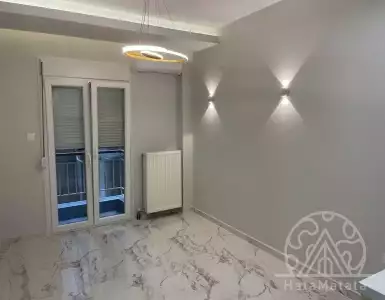

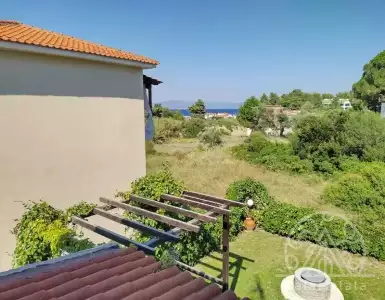
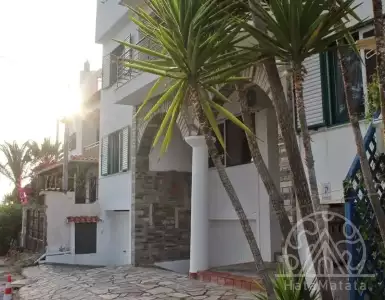
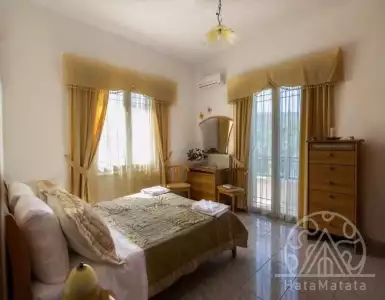
Luxury residential
- Seen as a capital-preservation asset by many international buyers, quoting Premier Realty’s assessment. This segment benefits from scarcity, finished product and concierge services. Expect lower yield but higher perceived safety.
Islands (Cyclades, Halkidiki and other coastal spots)
- Demand remains strong for second homes and holiday rentals. Seasonality and high operating costs reduce net yields, but appreciation can be strong for limited-supply, well-located plots and renovated villas.
Urban Athens and Thessaloniki apartments
- Central city apartments sell to both investors and lifestyle buyers. Long-term rental demand in Athens continues due to tourism-related jobs and a growing tech and services sector. Thessaloniki suburbs show robust domestic demand that can deliver steadier yields.
How institutions and developers are responding
Developers have reacted to demand signals by focusing on higher-quality finishes, smaller unit counts and mixed-use projects that appeal to foreign buyers. Institutional capital is more selective: it buys entire portfolios or higher-ticket assets where exit markets are mature.
We also see product shifts:
- Renovation rather than greenfield development in central Athens
- Conversion of older buildings into serviced apartments and branded residences
- Boutique developments in high-demand island nodes rather than dispersed, low-spec offering
These shifts reduce time-to-market for salable product and match investor expectations for turnkey, low-management options.
What buyers should watch in 2026–27
For the next 12–24 months we monitor the following indicators closely:
- FDI flows: whether FDI keeps pace with 2019–2025 levels or slows
- Price divergence: the gap between luxury and mid-market prices
- Policy moves: any change to tax or residency schemes that can alter demand
- Tourism metrics: occupancy rates and average daily rates in island markets
- Local construction activity: signs of oversupply in specific micro-markets
If FDI remains elevated, expect continued price resilience in premium stock. If it falls back, the market will test domestic demand and more affordable segments.
Our analysis: opportunity with discipline
From our reporting and exchanges with agents and analysts, the headline figure — €12.4 billion of foreign direct investment from 2019–2025 — is a clear signal that international buyers have reappraised Greek property as an investment-grade option. That should not be read as a blanket endorsement for all buyers.
We judge the current market to be attractive but uneven: attractive because quality stock offers price upside and better liquidity; uneven because benefits concentrate in specific locations and asset types. Investors who blend careful micro-market selection with conservative financial assumptions are the ones likely to achieve the intended outcomes.
Frequently Asked Questions
How big is foreign investment in Greek property?
According to the Bank of Greece, foreign direct investment in Greek real estate totalled €12.4 billion between 2019 and 2025. For comparison, the 2002–2018 period saw €3.38 billion.
Which areas attract the most international buyers?
Spitogatos data show the top locations for overseas buyers are the Municipality of Athens, Thessaloniki suburbs, Athens’ southern suburbs, the Cyclades, and Halkidiki.
Is the luxury housing market in Greece safe for capital preservation?
Industry professionals, including Premier Realty’s CEO Korina Saias, say luxury housing has taken on characteristics of a “safe haven” for some investors thanks to quality-of-life, stability and competitive pricing versus other European markets. That said, safety depends on location, quality and an accurate valuation.
What should a foreign buyer check before buying?
Key checks include title verification, building permits, local tax obligations, realistic rental or resale forecasts, and competent local management. Legal and tax advice should be obtained before signing contracts.
Closing assessment
The influx of international capital — €12.4 billion from 2019 to 2025 — shows that global buyers treat Greek property as a credible option for both lifestyle and investment. That creates opportunities for disciplined buyers who focus on high-quality stock and solid due diligence. At the same time, concentrated foreign demand raises concentration and seasonality risks that every buyer must manage with a clear thesis and exit plan.
Specific takeaway: if you want exposure to Greek property, prioritise proven micro-markets such as central Athens, selected Cyclades islands or Halkidiki, use conservative yield assumptions for islands, and secure local legal and tax counsel before committing capital.
We will find property in Greece for you
- 🔸 Reliable new buildings and ready-made apartments
- 🔸 Without commissions and intermediaries
- 🔸 Online display and remote transaction

International Real Estate Consultant

Subscribe to the newsletter from Hatamatata.com!
Subscribe to the newsletter from Hatamatata.com!
Popular Posts

We will find property in Greece for you
- 🔸 Reliable new buildings and ready-made apartments
- 🔸 Without commissions and intermediaries
- 🔸 Online display and remote transaction
International Real Estate Consultant

Subscribe to the newsletter from Hatamatata.com!
Subscribe to the newsletter from Hatamatata.com!
I agree to the processing of personal data and confidentiality rules of Hatamatata
Need advice on your situation?
Get a free consultation on purchasing real estate overseas. We’ll discuss your goals, suggest the best strategies and countries, and explain how to complete the purchase step by step. You’ll get clear answers to all your questions about buying, investing, and relocating abroad.



Sales Director, HataMatata