


Why the Super-Rich Are Buying Thailand: 26% UHNWI Surge and a 6.3% Luxury Price Jump

Thailand real estate is suddenly on the global radar
Thailand real estate is getting the attention of the global super-rich, and that shift matters for buyers, investors and expats. Knight Frank's The Wealth Report 2026 shows the country is no longer only a holiday stop; it is being treated as a place to live, protect capital and buy high-end property.
The report contains clear numbers: the number of ultra-high-net-worth individuals (UHNWI) in Thailand is forecast to rise by 26% between 2026 and 2031, and the high-end housing price index for Thailand rose by 6.3% recently. Globally, the report counts 713,626 UHNWI in 2026. Those figures explain why branded residences, resort villas with medical services and top-end Bangkok apartments are in stronger demand.
In this article I unpack what the Knight Frank findings mean on the ground, where the money is flowing, what property types are profiting, and what buyers and investors should watch next.
Why Thailand is climbing the list for wealthy buyers
Thailand used to be known primarily for tourism. Now it is being re-evaluated as a residential and investment option by families with significant capital. Several concrete forces are driving the change.
- Tourism recovery. International arrivals and spending are bouncing back, which improves cash flows for hospitality assets and supports confidence in resort markets.
- Healthcare and lifestyle image. Thailand is associated with quality private healthcare and wellness services, which matter to buyers prioritising health and personal development.
- Regional capital flows and family offices. Wealthy families in Asia and beyond increasingly operate family asset management offices that look for cross-border exposure; Thailand is appearing on their checklists.
- Product tailored to high-net-worth preferences. Developers increasingly offer branded residences and integrated resort projects combining hospitality, healthcare and lifestyle services.
Those elements combine into a single trend Knight Frank calls the "global asset movement": UHNWIs allocate assets across multiple jurisdictions and often want to live in more than one country. Thailand is benefitting from that mobility. I think this is more than a short-term fad: the country’s geographic position, cost base relative to other Asian capitals and an existing tourism infrastructure provide a set of comparative advantages.
Where the demand is being focused: Bangkok, Phuket and Samui
We see concentration in three market types: city prime, resort islands and branded/high-service developments.
Bangkok: prime apartments and international lifestyle
Bangkok remains the primary gateway for wealthy purchasers who want a city base with international connectivity. Demand is strongest for:
- Luxury high-rise apartments in central business districts and riverside locations
- Branded residences that link to international hotel operators and offer services such as concierge and security
- Owner-occupied penthouses that can be rented when the owner is abroad
City markets attract both local high-net-worth families scaling up and internationals using Bangkok as a regional hub. For investors, leasing liquidity is higher in the central districts, and resale markets can be active if product is well-located and professionally managed.
Phuket and Samui: resort real estate with medical and wellness hooks
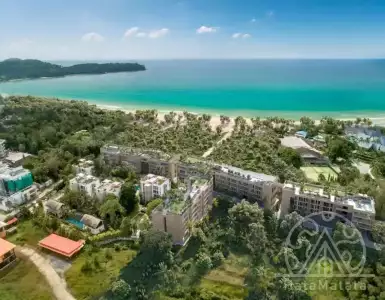
On the islands, buyers are looking for lifestyle properties that combine sea views with health and service elements. Key product types include:
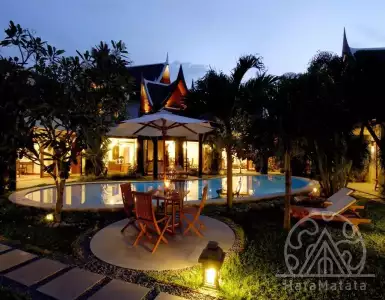
- Luxury villas and resort compounds
- Branded resort residences with on-site wellness clinics
- Wellness-orientated resort apartments offering long-stay support services
The Knight Frank report specifically names Phuket and Samui as hotspots for the super-rich. For buyers seeking a second home or a retirement base, developments that integrate private healthcare options and personalised services are in highest demand.
Niche submarkets: branded residences and healthcare-linked projects
Across locations, the most sought-after propositions are projects that offer a high level of service and a clear lifestyle proposition. Branded residences from established hotel operators give buyers the operational ease and global marketing that UHNWIs expect.
What the numbers tell us — and what they don't
The report offers headline metrics that are useful but require interpretation.
- UHNWI growth in Thailand: +26% (2026–2031). That is one of the strongest projected increases in Asia. For the real estate market this suggests expanding buyer demand at the upper end.
- High-end housing price index: +6.3%. This indicates recent price appreciation, driven by both domestic and international interest in super-prime stock.
- Global UHNWI count: 713,626 in 2026. Thailand is gaining share in a large and expanding pool of globally mobile capital.
But the numbers do not tell the whole story. Price gains at the top end can mask uneven performance in mid-market and affordable segments. They also do not reveal details such as transaction volumes, time-on-market, project pre-sales or concentration of ownership. Measuring true investment yield requires looking at rents, occupancy rates for serviced product and operating margins for hotel-linked assets.
As analysts, we have to connect headline growth to real-world transaction dynamics. Rising ultra-wealthy numbers are meaningful when they translate into completed deals, not just enquiries.
Practical implications for buyers and investors
If you are considering Thai property, here is how I read the market and what I would recommend.
For owner-occupiers and lifestyle buyers
- Expect premium for service-led product. Properties that offer concierge, medical partnerships and strong security command higher prices but also better resale appeal to the same buyer cohort.
- Choose location carefully. In Bangkok, riverfront and CBD nodes retain demand.




For investors seeking returns
- Yield may be compressed at the super-prime end. Capital appreciation is often the main play rather than rental yield.
- Branded and hotel-managed assets can deliver operationally smoother income streams but carry management fees and revenue-share arrangements.
- Watch macro risks: tourism shocks, policy changes around foreign ownership, and currency swings can alter returns quickly.
For family offices and institutional buyers
- Diversification motive is strong. Thailand fits the portfolio aim of geographic diversification within Asia.
- Opportunities exist beyond residential: tourism, hotels, logistics and healthcare-related real estate are highlighted by Knight Frank. Investors should evaluate asset-level fundamentals, not just thematic narratives.
Legal, tax and ownership realities to check (short list)
Foreign participation in Thai property markets has practical limits that affect deal structure and risk. Before committing capital, check these items with local counsel and advisers:
- Foreign ownership rules for condominiums and land
- Typical lease structures for long-term land use
- Taxation on rental income, capital gains and inheritance/estate rules
- Residency and visa options linked to property ownership or investment
I do not provide legal advice here; these are the standard issues that materially affect deal economics and exit options.
Risks and downside scenarios
The Knight Frank report is bullish about demand drivers, but investors should weigh counterfactuals.
- Policy shifts that limit foreign ownership or impose new taxes could cool demand. Political change in Thailand is not unheard of and can influence investor sentiment.
- Overbuilding in resort markets is a risk if developers chase the high-end story without proven demand depth. That can lead to inventory glut and softer pricing for non-prime product.
- Currency volatility can erode returns for foreign buyers if the Thai baht moves against investors’ home currencies.
- Tourism remains a major demand engine. A sustained downturn in international travel would hit hotel-linked projects, short-term rentals and island markets hardest.
Recognising these risks does not mean the thesis is wrong; rather, buyers should underwrite scenarios where growth slows and plan for liquidity windows.
How developers and brokers are responding
Developers are doing three things that matter for the market:
- Launching branded residences and co-located wellness facilities that target UHNWIs who prioritise health and experiences
- Packaging flexible ownership models that include long-term leases and managed rental programs to attract foreign capital
- Marketing directly to family offices and global wealth managers rather than just individual buyers
Brokers and agents who can document occupancy, earnings and service-level agreements are most likely to command trust with institutional buyers.
My reading of the medium-term outlook
Thailand has moved from an attractive holiday destination to a contender for cross-border high-net-worth allocation. The Knight Frank forecast that UHNWI numbers could rise by 26% between 2026 and 2031 is significant because these buyers are the ones who pay premiums for service, location and brand.
That said, the rise in Thailand's high-end housing price index of 6.3% should be seen as part of a selective market shift. Gains are concentrated in branded, service-led and prime-location stock. Middle-market residential is not necessarily seeing the same momentum.
If you are an investor focused on income rather than capital appreciation, be picky: branded hotels and serviced residences can give you access to more stable occupancies, but read management contracts and projected yield assumptions carefully. If you want a lifestyle property, accept that premium pricing comes with better resale prospects to the same buyer pool.
What I would watch next quarter and next 12 months
- Transaction volume trends in Bangkok core districts and on Phuket/Samui. Price moves without volume are a warning sign.
- New launches of branded residences and whether they achieve pre-sale targets.
- Policy announcements affecting foreign ownership, visa pathways or short-stay rental rules.
- Tourism inflows, especially higher-spending tourists and long-stay visitors from key source markets.
Frequently Asked Questions
Q: Is Thailand a good place for luxury property investment right now? A: The market shows clear demand at the super-prime end, backed by Knight Frank's reported 6.3% rise in high-end housing prices. If your strategy targets capital appreciation in branded or service-led product, Thailand is worth consideration. If you aim for steady rental yields, evaluate asset-level forecasts carefully and consider operating risk.
Q: Which Thai locations are most attractive to the ultra-wealthy? A: Knight Frank highlights Bangkok, Phuket and Samui. Bangkok offers city amenities and connectivity; Phuket and Samui provide resort lifestyle combined with healthcare and wellness services.
Q: Are there ownership restrictions for foreigners buying property in Thailand? A: Yes. Foreign ownership of condominium units is possible under specific conditions, while direct land ownership is limited. Long-term leases and corporate structures are common workarounds. Always consult a local property lawyer before signing.
Q: How much will UHNWI growth change the overall market? A: The report forecasts a 26% rise in Thailand’s UHNWI population by 2031, which can lift demand for super-prime and branded assets. However, broader market effects depend on transaction volumes, developer discipline and policy settings.
Final takeaway
Knight Frank's The Wealth Report 2026 confirms that Thailand is attracting a larger share of globally mobile wealth: 713,626 UHNWI worldwide in 2026, with Thailand projected to see 26% growth in its ultra-wealthy population and a 6.3% increase in high-end housing prices. For buyers and investors this means selective opportunity: choose prime, service-led assets; account for legal and currency risk; and focus on documented operating performance rather than headline hype. A well-structured purchase in Bangkok, Phuket or Samui can tap a growing buyer pool, but success depends on product quality, clear exit options and careful risk management.
Tags
We will find property in Thailand for you
- 🔸 Reliable new buildings and ready-made apartments
- 🔸 Without commissions and intermediaries
- 🔸 Online display and remote transaction

International Real Estate Consultant

Subscribe to the newsletter from Hatamatata.com!
Subscribe to the newsletter from Hatamatata.com!
Popular Posts

We will find property in Thailand for you
- 🔸 Reliable new buildings and ready-made apartments
- 🔸 Without commissions and intermediaries
- 🔸 Online display and remote transaction
International Real Estate Consultant

Subscribe to the newsletter from Hatamatata.com!
Subscribe to the newsletter from Hatamatata.com!
I agree to the processing of personal data and confidentiality rules of HatamatataPopular Offers

 1
1
 0
0
 2
2
80
2
2
80
 4
4
166
4
4
166
Need advice on your situation?
Get a free consultation on purchasing real estate overseas. We’ll discuss your goals, suggest the best strategies and countries, and explain how to complete the purchase step by step. You’ll get clear answers to all your questions about buying, investing, and relocating abroad.



Sales Director, HataMatata