


Real Estate in Algarve

International Real Estate Consultant
Leave a request and our manager will contact you.
International Real Estate Consultant
 Irina Nikolaeva, Southern Europe Real Estate Expert
Updated:
Irina Nikolaeva, Southern Europe Real Estate Expert
Updated:
Real Estate in Algarve
International Real Estate Consultant
Leave a request and our manager will contact you.
International Real Estate Consultant
Selection real estate in Algarve in 15 minutes
Leave a request and we will select the 3 best options for your budget
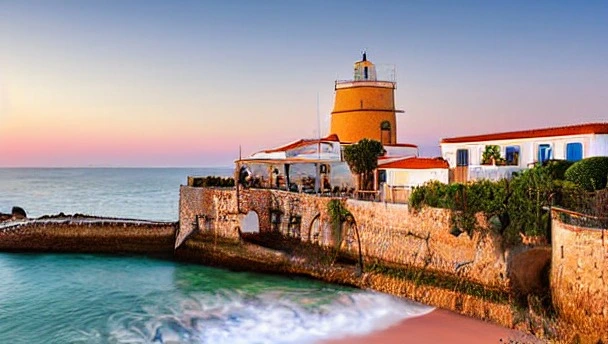
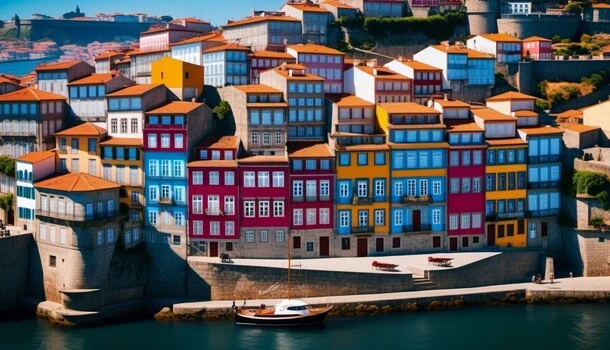
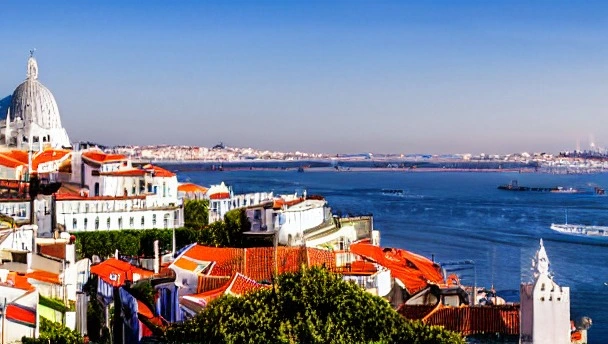
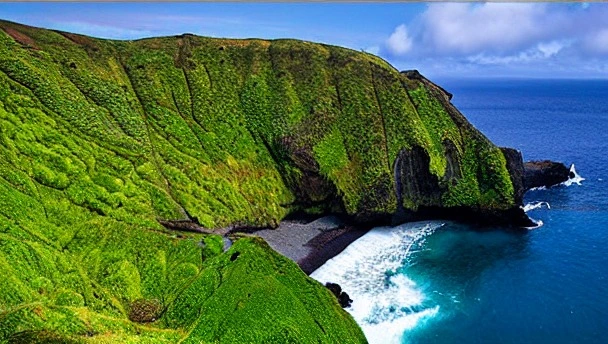
Weather in Algarve
 !
!
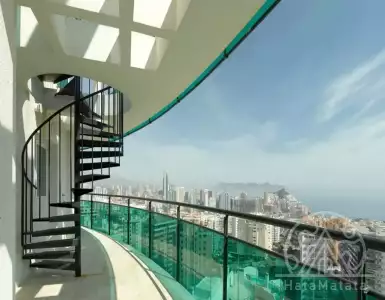
For sale Flat, Spain 203 912 $
📌 A few apartments for sale in Cala de Finestrat - a cozy place between Benidorm and Vieijahoyosa with a...
 !
!
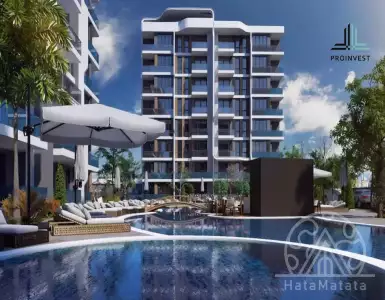
Buy flat, Turkey 161 337 $
ID AN 24382 Main Features: Location:Antalya District:Altintaş Type of property: Housing under construction Number of rooms: 1+1, 2+1
For Sale Real Estate in Algarve
Flats in Lagoa


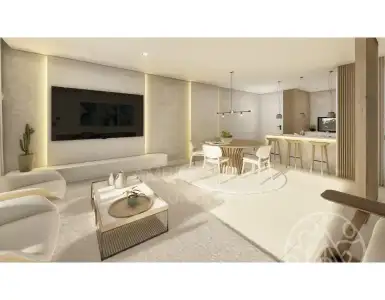
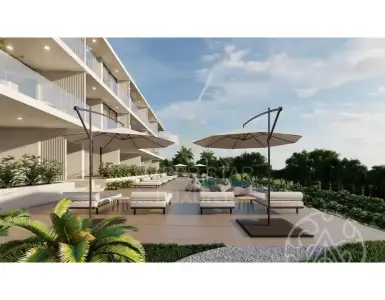
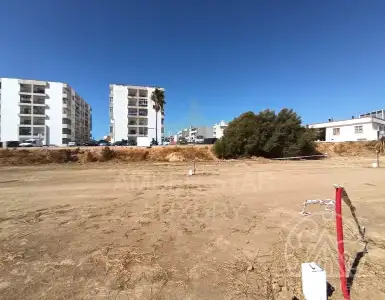
Lands in Lagoa
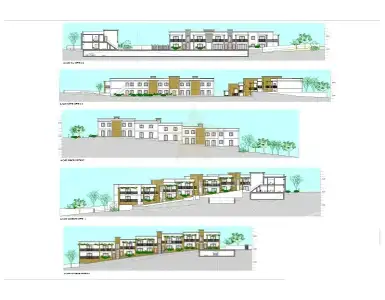
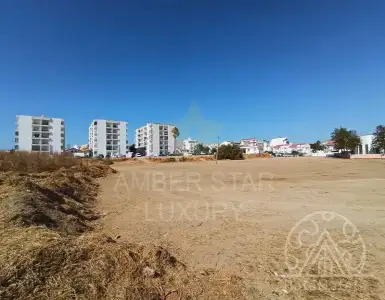
Do you want to buy real estate in Algarve? We'll tell you where to start
Leave a request and we will select the 3 best options for your budget
International Real Estate Consultant
Duplexes in Fara
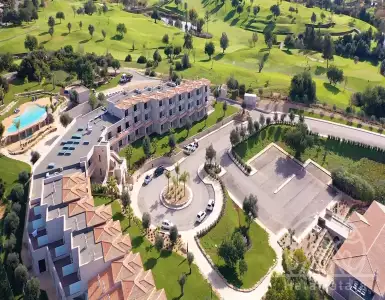
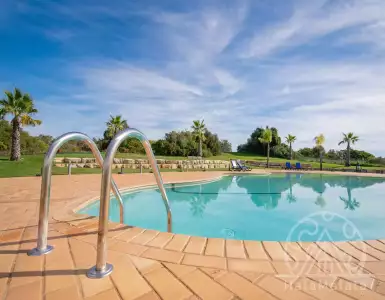
Houses in Fara
Flats in Fara
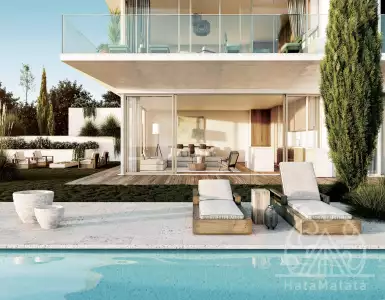
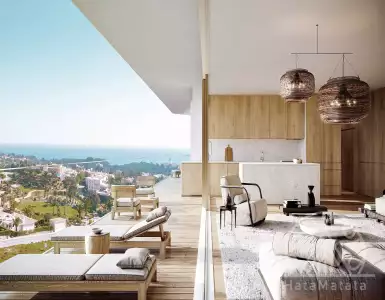
Selection real estate in Algarve in 15 minutes
Leave a request and we will select the 3 best options for your budget
 Legal review:
Deni Gerikhanov, International Real Estate Lawyer
Legal review:
Deni Gerikhanov, International Real Estate Lawyer
 Financial review:
Evgeniya Skripko, Financial Expert in International Real Estate
Reviewed:
Financial review:
Evgeniya Skripko, Financial Expert in International Real Estate
Reviewed:
🇵🇹 Algarve property for sale: coastal villas, townhouses, plots and market overview
Algarve remains one of Europe’s most buyer-friendly coastal regions for anyone looking to buy property in Algarve, from private owners seeking a second home to international investors targeting rental income or capital growth. The region combines a strong tourism base, solid transport links, and a wide range of housing stock — from seaside studios in Albufeira to luxury villas in Quinta do Lago — giving buyers options across budgets and strategies. Below you will find practical, specific information about geography, infrastructure, market numbers, prices, developers, finance options, legal steps and investment scenarios that matter when you consider real estate in Algarve.
🌞 Geography, climate and transport accessibility in Algarve
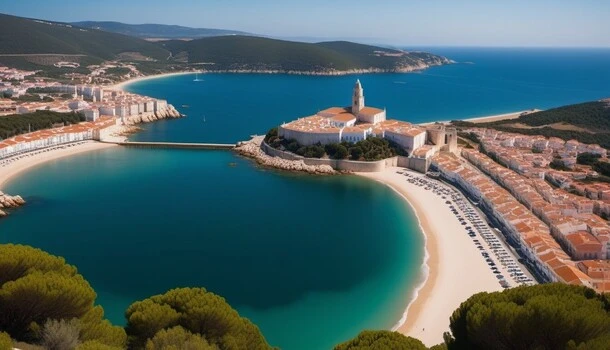
Algarve stretches roughly 200 km along Portugal’s southern coast, from Vila Real de Santo António in the east to Sagres in the west, with a mild Mediterranean climate that averages 3000 hours of sunshine annually in many locations. The coastline includes famous beaches such as Praia da Rocha (Portimão), Praia da Falésia (Albufeira) and the Ria Formosa barrier islands that protect Faro’s estuary. Inland zones like Silves, Loulé and Monchique offer hilltop villages and cooler microclimates popular with buyers seeking year-round living.
Algarve’s main international gateway is Faro Airport, which handles around 9 million passengers per year with direct flights to core European markets including the UK, Germany, Netherlands and Scandinavia. Road access is anchored by the A22 (Via do Infante) running east-west and connecting to the A2 towards Lisbon; rail services run on the Algarve Line (Linha do Algarve) connecting Lagos–Faro–Vila Real de Santo António with regular regional trains. Major marinas such as Marina de Vilamoura (over 800 berths) and Portimão Marina add nautical access for private yachts and charter traffic.
Algarve’s infrastructure supports daily life and seasons: the University of Algarve (campuses in Faro and Gambelas) educates thousands of students, while the Centro Hospitalar Universitário do Algarve (CHUA) in Faro functions as the regional referral hospital and Hospital de Portimão provides acute services for the west. High-quality private clinics, international schools and business services are concentrated in Loulé/Almancil, Faro and Portimão, giving buyers reliable year-round amenities.
🏥 Infrastructure, schools and medical facilities in Algarve
Residents of Algarve benefit from a mixed public-private service matrix. Public healthcare is anchored by CHUA in Faro and Hospital de Portimão; private options include clinics and specialised practices in Albufeira, Vilamoura and Lagos. Emergency response and specialist care are available within reasonable driving distance across the region, and air ambulance connections from Faro to mainland hospitals are established for complex cases.
Families relocating to Algarve can choose international and bilingual options alongside Portuguese public schools. Notable international schooling and private education providers are concentrated around Loulé/Quarteira and the western hubs, while the University of Algarve offers undergraduate and postgraduate programs that support a local talent pool in tourism, marine sciences and business. Adult education, language schools and co-working hubs in Faro and Portimão support remote workers and relocating professionals.
Practical lifestyle infrastructure includes modern supermarkets (Pingo Doce, Continente, Lidl), logistics for deliveries across the islands and mainland, reliable mobile networks (4G/5G rollout in urban centres) and fibre broadband in most towns. Golf, marinas and resort facilities at Quinta do Lago, Vale do Lobo and Vilamoura underpin year-round leisure offerings that influence property demand and rental seasonality.
💶 Economy and investment potential in Algarve
Algarve’s economy is tourism-led and highly seasonal, with the region receiving approximately 10 million visitors annually across resort clusters and cultural towns. Tourism underpins large shares of employment in hospitality, retail and construction; peak-season populations in towns such as Albufeira and Vilamoura can more than double. This consistent visitor flow translates into stable short-term rental demand and strong occupancy for professionally managed units.
Economic indicators relevant to investors include steady tourism receipts, rising international buyer interest and ongoing private and public investment in transport and hospitality. Local employment is heavily skewed to services, but diversification through logistics, niche agriculture (citrus, cork) and tech-enabled remote work hubs is growing. Typical investor metrics: long-term rental yields around 3–5% in urban areas, short-term peak yields of 5–8% in top holiday locations, and capital uplift concentrated in premium resorts.
Investment flows come from the UK, Ireland, Germany, Netherlands, France and increasingly from Northern Africa and Brazil, with cross-border buyers drawn to stable rule of law, transparent property registration and an established tourism market. Institutional interest is visible in selective resort upgrades and conversion projects in Vilamoura, Portimão and Lagos.
🏘️ Property prices in Algarve by category and area
Algarve offers a broad price spectrum depending on location, property type and proximity to sea or golf. Below are typical market bands to set realistic expectations for buyers seeking property in Algarve.
- Luxury villas in Quinta do Lago and Vale do Lobo
- Price range: €2.5M–€15M
- Price per m²: €6,000–€12,000/m²
- Vilamoura and Vilamoura marina apartments (new build and resale)
- Price range: €250,000–€1.2M
- Price per m²: €3,000–€6,500/m²
- Lagos and western Algarve (apartments and townhouses)
- Price range: €180,000–€900,000
- Villas: €600,000–€3M
- Albufeira and central coastal resorts
- Price range: €150,000–€700,000
- Portimão and Praia da Rocha (good value holiday stock)
- Price range: €120,000–€600,000
- Faro city centre and nearby residential areas
- Price range: €150,000–€600,000
- Tavira and eastern Algarve (townhouses, historic cores)
- Price range: €200,000–€1M
Market dynamics show steady demand for new build property in Algarve near marinas and golf, while secondary market property in Algarve (resales) provides immediate rental-ready stock and negotiation room. Seasonality drives temporary inventory surges in autumn/winter when owners list for sale. Typical transaction times from reservation to escritura vary by project complexity but expect 8–16 weeks for resale deals and longer for off-plan closings.
🎯 Best districts and locations to buy property in Algarve
Algarve’s micro-markets each have distinct buyer profiles and yields. Here are district-level highlights and reasons investors choose them.
- Loulé / Almancil (Quinta do Lago, Vale do Lobo)
- Attracts high-net-worth buyers seeking golf, security and gated communities.
- Strong capital values and low inventory of land for new luxury supply.
- Vilamoura / Quarteira
- Marina lifestyle, high short-term rental demand, family-oriented resorts.
- Good balance between new build apartments and resort-managed units.
- Albufeira / Guia
- Mass-market tourism, high occupancy in summer months, attractive yields on holiday lets.
- Lagos / Luz
- Historic town centre appeal, growing demand for year-round living, surf and marinas.
- Portimão / Praia da Rocha
- Value-for-money coastal apartments, redevelopment opportunities near the port.
- Faro / Olhão / Tavira
- Faro for services and education, Olhão and Tavira for authentic towns and quieter eastern Algarve growth.
Buyers looking for premium lifestyle should prioritise Quinta do Lago and Vale do Lobo; investors targeting stable short-term rental income should consider Vilamoura and Albufeira; those seeking long-term appreciation with lower entry prices often look to Portimão, Lagos and Tavira.
🏗️ Major developers and notable projects in Algarve
Algarve developments are a mix of international resort operators and Portuguese developers focused on residential resorts, marinas and conversions. Recognised operators and developers include:
- Pestana Group — hotel residences and mixed-use developments across Algarve resort locations.
- Quinta do Lago Company — landowner and developer in Quinta do Lago focused on luxury villas and refurbishments.
- Martinhal Family Hotels & Resorts — family-oriented resorts with residential components.
- Vale do Lobo SA — ongoing upscale refurbishments and villa projects in Vale do Lobo.
- Local boutique developers and reputable builders based in Loulé, Faro and Portimão focused on new build apartments and renovation projects.
Projects to watch often involve refurbishment of existing resorts, marina-front apartment conversions and gated-villa schemes near golf courses. Developers increasingly offer turnkey, managed rental programs and quality warranties; buyers should ask for licencing details, energy certificates and final building permits (licenças de utilização) before committing.
🏦 Mortgages and installment plans for property in Algarve
Portuguese banks provide mortgage financing for residents and non-residents with common terms that international buyers should expect. Typical arrangements include:
- Loan-to-value (LTV): 60–80% depending on residency status and property type (non-resident LTV commonly around 60–70%).
- Terms: 10–30 years for mortgages; amortization schedules available.
- Interest rates: Fixed and variable options exist; rates depend on borrower profile and product selection.
Developers and sellers frequently offer an installment plan for new build property in Algarve, often interest-free during construction, with the balance due at delivery. Foreign buyers must obtain a Portuguese tax number (NIF) and provide bank statements, proof of income and identification documentation to secure a mortgage. Many banks permit cross-border income but will require certified translations and verification.
Buyers should expect a standard earnest deposit on reservation (typically 10%–30%) followed by staged payments for off-plan purchases. For resale deals the deposit on signature of the promissory contract is usually 10% of the purchase price, held under contract terms until escritura.
🧾 Property purchase process in Algarve step-by-step
Buying property in Algarve follows a clear local process designed to protect buyer and seller. Steps include:
- Obtain a Portuguese tax number (NIF) and open a local bank account to handle deposits, utility set-up and mortgage flows.
- Negotiate and sign a Contrato de Promessa de Compra e Venda (promissory contract) with a deposit of typically 10%; ensure contract includes completion deadlines, penalties and clear conditions.
- Conduct due diligence: check land registry (Conservatória do Registo Predial), municipal licensing (Câmara Municipal) and outstanding debts or charges.
- Arrange financing if needed, finalize mortgage offers and set a completion date with a notary.
- Complete at the notary by signing the Escritura Pública de Compra e Venda and transfer the remaining funds; register the deed at the Land Registry and Fiscal Office.
Payment methods include certified bank transfer, escrow accounts managed by legacy law firms or developer escrow arrangements for new builds. Buyers should use independent lawyers for title checks and tax calculations; expect to pay transfer taxes (IMT), stamp duty and notary/registration fees at closing.
⚖️ Legal aspects, residence permits and citizenship by real estate in Algarve
Portuguese property law is transparent and deed-based; ownership is confirmed by a registered title at the Land Registry and fiscal identification via NIF. Property transfer taxes (IMT) are applied progressively on acquisitions and annual municipal property tax (IMI) is charged by municipality at rates typically between 0.3%–0.8% depending on location and property classification.
Residence permits tied to property investment exist under specific legal routes; buyers should be aware that programmes have qualifying conditions. Alternative pathways such as the D7 passive income visa and other residency schemes are commonly used by retirees and remote workers who plan longer stays; naturalisation for citizenship typically requires a period of legal residence and language proficiency under Portuguese law. Legal advice from a Portuguese immigration lawyer is essential if your objective is a residence permit through property purchase in Algarve or eventual citizenship by real estate investment in Algarve.
Tax residency, rental income declarations and non-habitual resident (NHR) options should be discussed with a local accountant to optimise returns and ensure compliance.
💡 Investment advantages and buyer scenarios for real estate in Algarve
Algarve suits multiple buyer profiles with distinct strategies depending on goals, budget and lifestyle. Typical scenarios include:
- Living and relocation: Families often choose Faro, Loulé or Lagos for year-round services, schools and healthcare access.
- Vacation and seasonal living: Buyers favor Vilamoura, Albufeira and Golden Triangle resorts for short-term rentals and holiday use.
- Rental income investors: High occupancy short-term lets concentrate in Vilamoura and Albufeira; buy-to-let long-term yields are steadier in Faro and Portimão.
- Long-term capital growth: Luxury plots and villas in Quinta do Lago and Vale do Lobo offer low supply and potential upside for patient investors.
- Remote work and second homes: Townhouses and modern apartments in Faro and Lagos provide year-round comfort and co-working access.
Practical buyer advice: match property type to intended use — choose new build property in Algarve for warranties and staged payments, and consider secondary market property in Algarve for immediate income. Use local property management for short-term letting to protect asset value and comply with licensing rules.
Algarve’s mix of reliable tourism, approachable bureaucracy for foreign buyers, and diversified micro-markets makes it suitable for retirees seeking lifestyle change, investors seeking seasonal rental revenue, families relocating for quality of life, and high-net-worth buyers pursuing luxury retreat ownership. Each path demands tailored due diligence, clear financing plans and an understanding of local licensing for holiday rentals.
Buying property in Algarve combines lifestyle appeal with practical investment mechanics — whether you target a seaside apartment in Albufeira, a family villa near Faro, a luxury residence in Quinta do Lago or an income-producing flat in Portimão. Start with a documented budget, secure your NIF and local bank account, consult a Portuguese lawyer for title checks and taxes, and match property type to your financing plan — mortgage in Portugal for foreigners or developer installment plan — to manage risk and capture the Algarve’s enduring appeal.
Frequently Asked Questions
How much do properties cost in the Algarve?
Prices vary by town and type. Typical asking prices: USD 2,200–3,800/m² (€2,000–3,500/m²) inland and smaller towns; USD 3,800–5,800/m² (€3,500–5,300/m²) in popular coastal spots; luxury villas often >USD 7,000/m² (€6,400/m²). Typical apartment entry prices start around USD 120k–250k in less-touristy areas and USD 250k–700k in prime coastal locations.
Can foreigners buy real estate in the Algarve?
Yes. Non‑residents can buy freehold property. You need a Portuguese tax number (NIF), proof of ID, a bank account, and usually a lawyer/notary. There are no nationality restrictions, but transactions follow local conveyancing rules and registration at the Land Registry.
What rental returns can I expect in the Algarve?
Long‑term gross yields typically 3–6% depending on town and property. Short‑term holiday rentals in peak coastal areas can push gross yields to 6–10% seasonally. Demand is high in summer; year‑round demand exists in expat hubs. Liquidity is best in tourist towns — resale often faster there than inland.
What taxes and transaction costs should buyers expect?
Buyers usually pay IMT (property transfer tax) plus stamp duty; combined buyer taxes commonly total ~6–8% of purchase price. Notary/registration fees and legal costs can add USD 500–4,000; solicitors 1–2% of price. Agents often charge ~3% (frequently seller‑paid). Also budget for ongoing IMI (property tax) roughly 0.3–0.8% annually.
How long does it take to buy property in the Algarve?
A cash purchase can close in 6–12 weeks: offer, promissory contract with deposit (often 10–30%), then final deed and registration. With a mortgage allow 3–6 months for bank approval, valuation and paperwork. Delays can occur for title issues or planning clearances.
Is the Algarve suitable for families relocating full time?
Yes—good healthcare with public hospitals and private clinics, international and bilingual schools in main towns, and modern road links (Faro airport, A22 motorway). Daily life is relaxed; expect smaller towns to have fewer services. Cost of living varies, often USD 1,200–2,500/month for small families depending on lifestyle.
Is the Algarve good for digital nomads and remote workers?
Yes—major towns have reliable fiber and mobile coverage (typical speeds 100–500 Mbps in urban areas), coworking spaces, cafés, and expat communities. Long stays possible but check visa rules; many nomads use temporary stays or D7 passive‑income permits. Coastal lifestyle and seasonality suit flexible remote work.
Can buying property in the Algarve get me residency or citizenship?
Buying coastal property no longer generally qualifies for the Golden Visa. Alternatives: D7 (passive income), D2 (entrepreneur), or residency leading to permanent residency/citizenship after ~5 years with language requirement (basic Portuguese). Non‑habitual resident (NHR) tax status can give selective tax benefits for 10 years.
Are mortgages available for non‑residents in the Algarve?
Yes. Many Portuguese banks lend to non‑residents. Typical LTV: up to ~70% for non‑residents, higher (up to 80–90%) for residents; terms commonly 20–30 years. Interest rates vary by profile and product, roughly 2.5–5.5% variable or fixed depending on credit and market conditions. Expect bank valuation and documentation.
What renovation or legal risks should buyers know in the Algarve?
Check building permits, coastal setback rules and registration status—illegal builds can be regularized but may incur fines. Coastal erosion and flood risk matter for beachfront plots. Renovation costs range USD 400–1,200/m² depending on scope. Always commission a technical inspection, confirm planning permission and verify HOA rules before signing.
Property by cities
- Real estate in Fara (125)
- Real estate in Lagoa (17)
Real estate types in Algarve
Real estate types by cities of Algarve
- Flats in Fara (95)
- Duplexes in Fara (15)
- Lands in Lagoa (12)
- Houses in Fara (9)
- Flats in Lagoa (5)
- Villas in Fara (4)
- Hotels in Fara (1)
- Lands in Fara (1)
Properties by Region
- Real estate in Lisbon (743)
- Real estate in Porto (374)
- Real estate in Faro (226)
- Real estate in Algarve (142)
- Real estate in Braga (12)
Properties by Country
- Real estate in Bulgaria (11417)
- Real estate in Montenegro (5347)
- Real estate in Spain (5198)
- Real estate in Indonesia (2424)
- Real estate in Turkey (2318)
- Real estate in Portugal (2037)
- Real estate in Croatia (1682)
- Real estate in Cyprus (1622)
- Real estate in Italy (1576)
- Real estate in Thailand (1565)
- Real estate in Greece (1120)
- Real estate in France (1070)
- Real estate in USA (732)
- Real estate in Georgia (507)
- Real estate in Serbia (247)
- Real estate in Slovenia (125)
- Real estate in Egypt (20)
Free real estate consultation in Algarve
Don't know which area to choose in Algarve? We will tell you in which areas it is better to live or invest, and show you the appropriate options.

Maria Guven
Head of Direct Sales Department
+90-507-705-8082