


Real Estate in Azores
Do you want to buy real estate in Azores? We'll tell you where to start

Liliya
International Real Estate Consultant
Need help choosing a property?
Leave a request and our manager will contact you.
Our managers will help you choose a property
Liliya
International Real Estate Consultant
Real Estate in Azores
Do you want to buy real estate in Azores? We'll tell you where to start
Liliya
International Real Estate Consultant
Need help choosing a property?
Leave a request and our manager will contact you.
Our managers will help you choose a property
Liliya
International Real Estate Consultant
Selection real estate in Azores in 15 minutes
Leave a request and we will select the 3 best options for your budget
Weather in Azores
 !
!
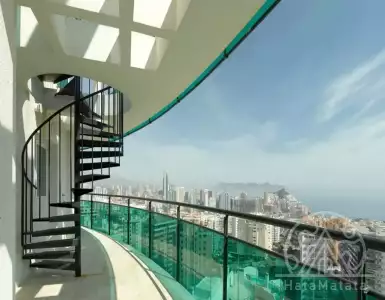
For sale Flat , Spain 211 143 $
📌 A few apartments for sale in Cala de Finestrat - a cozy place between Benidorm and Vieijahoyosa with a...
 !
!
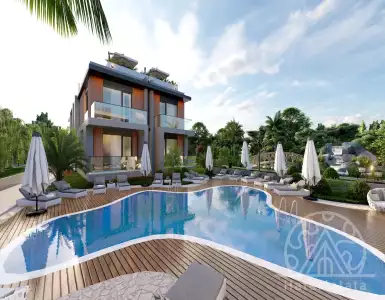
Flat for sale , Cyprus 127 157 $
The new residential complex is located in the foothills of Alsanjak. The complex consists of two two-storey buildings. Block A - 12...
For Sale Real Estate in Azores
Flats in Lagoa


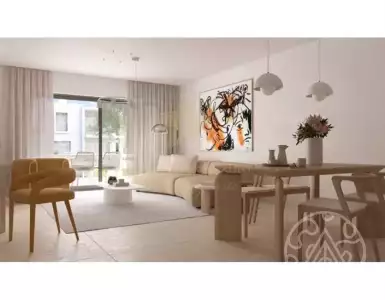
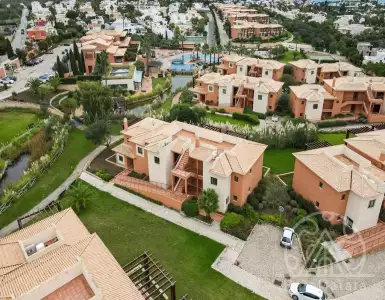
Other Properties in Lagoa
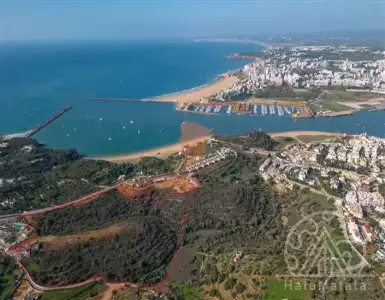
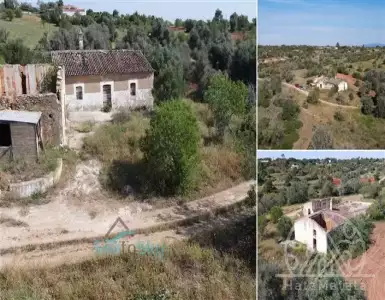
Do you want to buy real estate in Azores? We'll tell you where to start
Leave a request and we will select the 3 best options for your budget
Our managers will help you choose a property
Liliya
International Real Estate Consultant
Houses in Lagoa
Villas in Lagoa
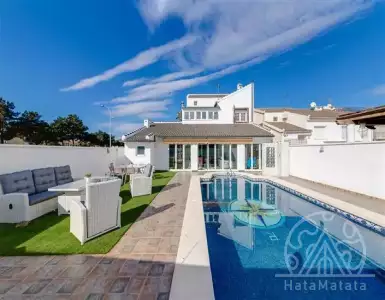
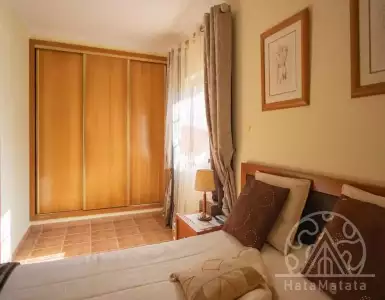
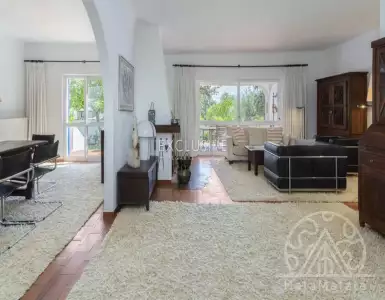
Selection real estate in Azores in 15 minutes
Leave a request and we will select the 3 best options for your budget
🇵🇹 Azores real estate listings and market prices by island for property buyers
Buying property in the Azores is a distinct proposition: volcanic landscapes, Atlantic access, and tight-knit island communities combine to create a market that rewards patience and local knowledge. Whether you are a private buyer after a second home on São Miguel or an international investor assessing rental yields in Ponta Delgada, the practicalities and opportunities are clear once you understand transport links, regulations, and local demand patterns.
🌍 Geography, climate and transport accessibility in Azores
The Azores archipelago consists of nine inhabited islands with a resident population around 245,000, spread across São Miguel, Terceira, Faial, Pico, São Jorge, Santa Maria, Graciosa, Flores and Corvo. Each island has its own character: São Miguel and Terceira host the largest urban hubs, while Flores and Corvo remain very low-density.
Air connectivity is robust for an oceanic region, with 9 regional airports including João Paulo II Airport (Ponta Delgada, São Miguel), Lajes Airport (Terceira), Horta (Faial), Pico and Santa Maria. Inter-island ferries and fast-craft services are operated by Atlânticoline, linking Horta–Madre de Deus–Pico and São Jorge routes, and ports such as Port of Ponta Delgada support commercial and leisure traffic.
Infrastructure includes the University of the Azores with campuses in Ponta Delgada, Angra do Heroísmo and Horta, regional hospitals like Hospital do Divino Espírito Santo (Ponta Delgada) and local health centers on each island, primary and secondary schools across municipalities, and improving broadband rollout driven by national and EU funds.
💶 Economy and investment potential in Azores
The Azores economy mixes agriculture, fisheries, services and tourism with regional GDP supported by public investment and EU structural funds. The islands produce dairy, tea (São Miguel), and wine (Pico) alongside niche food processing.
Tourism has become a key driver for real estate demand, with visitor numbers often rivalling resident totals during peak months and an increasing appetite for nature-based tourism and long-stay visitors attracted by whale watching, hiking and thermal baths. Employment concentrates in services, tourism and public administration, with significant seasonal variation across islands.
Investment incentives at regional level and lower land prices than mainland urban centers create a pipeline for adaptive reuse (historic homes in Angra do Heroísmo), regeneration (Ponta Delgada waterfront) and sustainable tourism projects that improve local rental income potential.
💶 Property prices in Azores by category and area
Property in Azores shows clear segmentation between islands, urban centers and rural holdings. Prices remain lower than mainland hotspots but vary widely by proximity to airports, marinas and UNESCO or protected sites.
- Ponta Delgada (São Miguel): apartments from €80,000–€250,000, central flats commonly €1,000–€1,800/m² depending on condition; refurbished townhouses and small villas €200,000–€600,000.
- Angra do Heroísmo (Terceira) and Horta (Faial): central apartments €70,000–€220,000; heritage houses and larger family homes €200,000–€700,000.
- Pico and São Jorge: cottages and rural properties often €60,000–€250,000; wine estate plots on Pico command premiums near the coast.
- Flores and Corvo: very low supply; prices for renovated homes range €50,000–€180,000, with premium for waterfront or heritage properties.
Market dynamics show growing demand for renovated, energy-efficient units and turnkey short-term rental-ready apartments in Ponta Delgada, while secondary market property in Azores (traditional houses) offers value but can require substantial refurbishment.
🎯 Best areas and key districts in Azores to buy property
Ponta Delgada (São Miguel) is the commercial and administrative hub and remains the primary market for international buyers seeking rental income or a full-time residence.
Angra do Heroísmo (Terceira) offers UNESCO-protected architecture and steady tourism flows; Horta (Faial) is a yachting hub with seasonal international visitors; Madalena (Pico) draws wine and nature tourism.
Key districts and zones to consider:
- Ponta Delgada: Portas do Mar waterfront, historic historic center, Sete Cidades perimeter areas.
- Ribeira Grande: northern coastal towns with surf and thermal tourism potential.
- Angra do Heroísmo: historic center, Monte Brasil slopes.
- Horta: marina area, Pico ferry corridor.
Each district shows different rental seasonality and infrastructure: Ponta Delgada has best hospital, university presence and direct international flights, while Terceira combines military facilities at Lajes with expanding hospitality.
🏗️ Major developers and projects in Azores
The most visible urban regeneration project in Ponta Delgada is Portas do Mar, a mixed-use waterfront complex that integrated marina, conference and leisure facilities and set a benchmark for coastal development.
Regional construction is dominated by local promoters and contracting firms with specialization in rehabilitation and small-scale residential blocks; mainland construction groups may engage in infrastructure projects through tendered public contracts on airports and ports.
Typical projects include:
- Waterfront refurbishments and marina-related apartments in Portas do Mar.
- Restorations of historic homes in Angra do Heroísmo supported by regional heritage grants.
- Small-scale new-build developments (up to 20–30 units) near transport nodes in Ponta Delgada and Horta.
🏦 Mortgages and installment plans for property in Azores
Portuguese banks offer mortgage finance to non-residents; typical loan-to-value for foreigners is up to 70–80% of property value depending on credit profile and property type.
Down payment requirements commonly range from 20–30% for standard loans; some lenders may accept higher LTV for financial clients with mainland income or significant assets. Interest rates are product-dependent and can be fixed or variable; developers on the islands frequently offer interest-free installment plans for new build property in Azores to attract buyers.
Common financing terms and options:
- Mortgage in Portugal for foreigners: 10–30 year terms, collateral registration in land registry.
- Property in Azores with mortgage: banks require NIF, proof of income, local bank account and property valuation.
- Property in Azores with installment plan: developers may offer staged payments during construction; always confirm sales contract conditions and completion guarantees.
🧾 Property purchase process in Azores step-by-step
Obtain a Portuguese tax number (NIF) through the local Finanças office or a fiscal representative; this is mandatory before signing offers or opening bank accounts.
Negotiate terms, sign a promissory contract (Contrato de Promessa de Compra e Venda) with deposit (commonly 10%), complete due diligence including land registry (Conservatória do Registo Predial) and urban status (caderneta predial and ficha técnica).
Proceed to public deed (Escritura Pública) at a notary or registry office; register the title in the land registry and fiscal register; pay taxes and fees (IMT/property transfer tax, stamp duty and notary/registration fees). Payment methods typically include bank transfers and blocked accounts for construction-stage purchases.
⚖️ Legal aspects, residence permits and citizenship through property in Azores
Foreign buyers can acquire property without additional legal restrictions; legal forms include individual ownership, joint ownership or corporate ownership (LDA or other structures) depending on tax and estate planning.
Purchasing property can support applications for residence permits under investment schemes; specific routes and thresholds change over time and eligibility depends on the national program in force. Buyers aiming for residence permit through property purchase in Azores should obtain tailored immigration and tax advice to confirm qualifying investments and local compliance.
Citizenship by real estate investment in Azores is tied to broader national naturalization rules; residence, language and legal residence time requirements apply before naturalization is possible, so property purchase alone is not an automatic path to citizenship.
📈 Investment advantages and buyer scenarios for real estate in Azores
The Azores suits buyers seeking nature-oriented living, lower property-entry costs than major mainland cities, and niche tourism income streams. Long-term investors benefit from limited supply on smaller islands and consistent demand spikes in high season.
Typical buyer scenarios and suitable property types:
- Living and relocation: central Ponta Delgada apartments or Angra townhouses for families with access to University campuses and hospitals.
- Rental income and short-term investment: renovated apartments near Portas do Mar or Horta marina, optimized for short-stay platforms with gross yields of around 3–6% depending on seasonality.
- Long-term investment: secondary market property in São Miguel or Terceira aimed at mid-term rentals to professionals and university staff.
- Second home and seasonal living: detached houses on São Miguel or Pico, often purchased for nature proximity and lower upkeep costs.
Buying property in the Azores rewards attention to local patterns: proximity to airports, quality of road links, local water and sewage infrastructure, and municipal plans for tourism and conservation all affect value. Working with a local lawyer, surveyor and an agent familiar with inter-island logistics reduces risk and speeds closing. Whether you target new build property in Azores, renovated historic homes from the secondary market property in Azores, or aim to use a purchase to support residency, the islands offer a distinct, manageable market with opportunities across price bands and buyer goals.
Frequently Asked Questions
Typical sale prices vary by island: Ponta Delgada and São Miguel $1,100–$2,600/m² (€1,000–€2,400/m²), mid-size islands $700–$1,500/m² (€650–€1,400/m²), remote islands $450–$900/m² (€420–€840/m²). Small apartments can list from $80k–$180k; renovated houses and coastal properties command premiums.
Yes—foreigners (EU and non-EU) can buy freehold property. You’ll need a Portuguese tax number (NIF), ID, and a local land registry entry. Non-residents often open a Portuguese bank account; no special residency prerequisite is required to purchase.
Rental demand is strong in main islands (São Miguel, Terceira, Faial) driven by tourism and local housing. Long-term gross yields typically 3–6%; short-term holiday lets can reach 6–10% gross in hotspots but are seasonal. Resale liquidity is lower than mainland—expect sale timelines of 3–12 months.
Main towns offer supermarkets, public health centers and hospitals, local schools (few international schools), and regional airports with frequent inter-island flights. Roads are generally good on larger islands; ferries connect islands seasonally. Expect quieter, community-focused life outside urban centers.
Yes—main towns have fiber and 100+ Mbps in many areas; rural zones rely on stable 4G/5G. Cost of internet and mobile is typically $25–$60/month. Lifestyle supports long stays, but coworking and services are more concentrated in Ponta Delgada and Angra do Heroísmo.
Portugal residency routes include investment visas; real-estate routes in low-density areas like the Azores remain eligible. Typical thresholds: €500k (~$535k) standard or €350k (~$375k) for qualifying rehabilitation projects. Other options include D7/passive income and digital nomad visas with income proof requirements.
Typical transaction costs: transfer tax (IMT) varies by value and use (0% up to ~8% in higher brackets), stamp duty ~0.8% of price, notary/registration and legal fees ~1–2%. Annual property tax (IMI) usually 0.3–0.8% of taxable value. Overall closing costs commonly total about 5–8% of purchase price.
Foreign buyers can obtain mortgages from Portuguese banks. LTV typically 60–80% for residents, 50–70% for non-residents. Interest rates vary by lender and profile (commonly mid-single-digit %), loan terms 10–30 years. Expect bank appraisal, income proof, and a longer approval timeline for non-residents.
São Miguel is best for families and resale (services, schools, hospitals). Terceira combines family amenities and steady demand. Faial and Pico suit investors targeting tourism and short lets but have smaller markets. Flores and Corvo are peaceful but have low liquidity and limited services.
Renovations need municipal permits (licença) and can trigger archaeological/heritage checks in older centers. Typical renovation costs range $400–$1,200/m² (€370–€1,120/m²) depending on scope. Check for seismic/volcanic risk mitigation, building certificates, and legalization of prior works to avoid fines or resale issues.
Property by cities
- Real estate in Lagoa (67)
Properties by Region
- Real estate in Lisbon (910)
- Real estate in Porto (239)
- Real estate in Fara (150)
- Real estate in Algarve (123)
Properties by Country
- Real estate in Bulgaria (11408)
- Real estate in Montenegro (5186)
- Real estate in Indonesia (2423)
- Real estate in Spain (2289)
- Real estate in Portugal (1975)
- Real estate in Italy (1910)
- Real estate in Turkey (1699)
- Real estate in Cyprus (1594)
- Real estate in Thailand (1565)
- Real estate in Croatia (1431)
- Real estate in Greece (1082)
- Real estate in USA (1013)
- Real estate in France (1006)
- Real estate in Georgia (519)
- Real estate in Serbia (328)
- Real estate in Slovenia (123)
- Real estate in Egypt (23)
Free real estate consultation in Azores
Don't know which area to choose in Azores? We will tell you in which areas it is better to live or invest, and show you the appropriate options.

Maria Guven
Head of Direct Sales Department
+90-507-705-8082