


Real Estate in Braga
Do you want to buy real estate in Braga? We'll tell you where to start

Liliya
International Real Estate Consultant
Need help choosing a property?
Leave a request and our manager will contact you.
International Real Estate Consultant
Real Estate in Braga
Do you want to buy real estate in Braga? We'll tell you where to start
Liliya
International Real Estate Consultant
Need help choosing a property?
Leave a request and our manager will contact you.
International Real Estate Consultant
Selection real estate in Braga in 15 minutes
Leave a request and we will select the 3 best options for your budget
Weather in Braga
 !
!
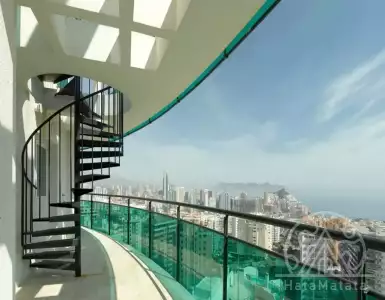
For sale Flat , Spain 210 376 $
📌 A few apartments for sale in Cala de Finestrat - a cozy place between Benidorm and Vieijahoyosa with a...
 !
!
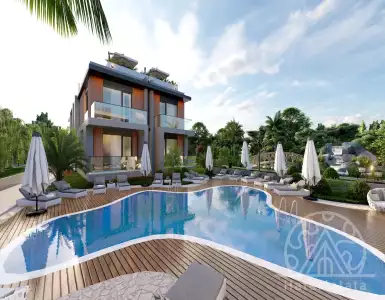
Flat for sale , Cyprus 125 818 $
The new residential complex is located in the foothills of Alsanjak. The complex consists of two two-storey buildings. Block A - 12...
For Sale Real Estate in Braga
Flats in Braga


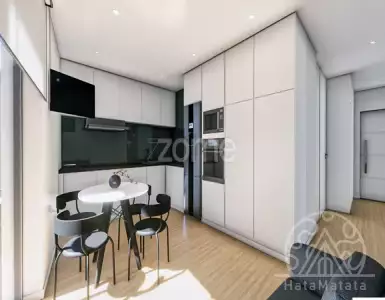

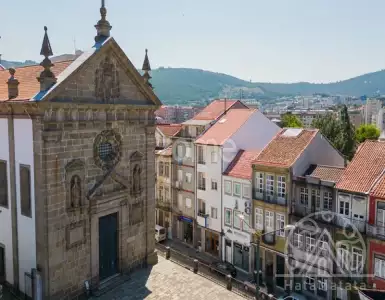
Didnt find the right facility?
Leave a request - we will handle the selection and send the best offers in a short period of time



Irina Nikolaeva
Sales Director, HataMatata
Selection real estate in Braga in 15 minutes
Leave a request and we will select the 3 best options for your budget
🇵🇹 Braga region real estate: property prices, neighborhoods, taxes and legal fees
Braga sits where history and a modern economy meet, offering buyers a compact, well-connected Portuguese city with clear value compared with coastal Lisbon and Porto markets. The city’s baroque centre, Bom Jesus sanctuary and the University of Minho shape everyday life, while motorways, rail and an expanding service sector make Braga a practical choice for families, remote workers and investors. This overview explains how to buy property in Braga, what to expect from prices and processes, and which buyer profiles benefit most from real estate in Braga.
💧 Geography, transport and infrastructure in Braga
Braga is located in northern Portugal, roughly 50–55 km from Francisco Sá Carneiro Airport in Porto, with the A3 motorway linking the city to Porto and Vigo and the A11 providing east–west connections. Rail services run from Braga station to Porto (regional trains) with journey times typically 40–60 minutes, and the metropolitan road network keeps most suburbs within a 15–25 minute drive of the centre.
Braga’s health, education and cultural infrastructure is tangible: Hospital de Braga (a major regional hospital) serves the district, the University of Minho (Gualtar campus) hosts ~20,000 students across campuses, and shopping/leisure is anchored by Braga Parque and the historic Praça da República.
Braga also invests in urban mobility and public spaces, with expanded cycle lanes, pedestrianised streets in the Sé historic quarter and municipal plans to improve bus frequency and park-and-ride around the city ring roads.
💶 Property prices in Braga and market dynamics
Braga offers markedly lower entry prices than Lisbon or Porto, with area and quality creating wide ranges. Average asking prices typically fall between €1,200 and €2,800 per m², with new build central apartments at the higher end.
New build property in Braga commonly lists at €1,800–€3,200/m² depending on finish and location, while secondary market property in the broader municipality is often €1,000–€1,900/m². Gross rental yields for long-term rentals usually sit around 4–6%, while seasonal or short-term properties in tourist pockets can achieve 6–8% at peak occupancy.
Buyers should note steady demand from local professionals, students and Portuguese returnees; transaction volumes in Braga show consistent activity even when national markets cool, driven by affordability and university-linked rental demand.
🎯 Best areas and key districts in Braga to buy property
Braga’s neighbourhoods cater to different buyer goals: historic central living, university proximity, suburban family housing or peri-urban land.
- Sé (historic centre) — premium apartments, close to restaurants and culture; prime prices but strong tourist/rental demand.
- Gualtar / University of Minho area — student and academic rentals; compact flats and purpose-built student housing yield steady occupancy.
- Maximinos and São Victor — family neighbourhoods with local commerce and schools; mid-range prices and stable demand.
- Nogueiró e Tenões / Lomar e Arcos — suburban developments, new-build condos and villas with larger plots; more competitive per m².
- Bom Jesus / Sameiro fringes — attractive for second homes and short-stay tourism, with value in views and proximity to pilgrimage sites.
Each district has distinct market characteristics that influence price per m², rental profile and resale liquidity.
🏗️ Major developers and notable projects in Braga
National construction and development firms frequently deliver projects in Braga; larger Portuguese contractors such as Mota-Engil and Grupo Casais operate across the Norte region and have the capacity to manage mixed-use or residential projects in and near Braga.
Local and regional developers also target infill plots and renovation projects around the historic centre and near the University of Minho, focusing on urban rehabilitation and small-block new builds that match local demand for apartments and student housing.
Municipal and private renovation efforts around Rua do Souto, Avenida Central and Praça da República are examples of ongoing central-area upgrades that improve long-term asset quality for buyers and investors.
🧾 Property prices by category, area and typical unit sizes
Prices and sizes vary by product type and street address; practical examples help set expectations.
- Apartments (city centre): €2,000–€3,200/m², typical 60–120 m² for 1–3 bedroom flats.
- Apartments (university/inner suburbs): €1,200–€1,900/m², typical 45–110 m² units, strong rental demand.
- Townhouses and small villas (suburbs): €150,000–€450,000 for 120–250 m² living, with gardens and parking.
- Land and plots (peri-urban): €80–€200/m² depending on permitted density and utilities.
Developers often release payment plans for new build phases; investors should compare effective cost per m² after developer incentives and finishing level.
🏦 Mortgages and installment plans for property in Braga
Portuguese banks finance foreign buyers; the rules differ by residency status and lender appetite. Non-resident buyers typically obtain LTVs of 60–70%, while residents and EU citizens can reach 70–90% LTV in strong profiles. Interest rates are commonly linked to Euribor plus a margin, with typical range from around 2% to 4% depending on term, fixed vs variable, and borrower credit.
Down payment expectations are usually 20–30% for non-residents, with some flexibility when developers offer staged payments or guarantee schemes. Developers active in Braga often provide interest-free installment plans during construction for pre-sales, which lowers initial capital requirements for buyers of new build property in Braga with installment plan options.
Banks require a NIF (tax number), proof of income, bank statements and property valuation. Buyers should compare effective rates, arrangement fees and insurance requirements across national banks and regional branches.
🧭 Property purchase process in Braga and legal steps
Buying property in Braga follows a clear sequence that protects buyers and sellers through mandatory contracts and registration.
- Obtain a Portuguese NIF and open a local bank account.
- Sign a Promissory Contract (Contrato de Promessa de Compra e Venda) with deposit, commonly 10–30%, specifying timelines and conditions.
- Complete due diligence: planning status, building licensing, condominium accounts for apartments, outstanding charges at the Conservatória do Registo Predial.
The final deed (Escritura Pública) is executed before a notary and the property must be registered in the buyers’ name; buyers pay IMT (property transfer tax), stamp duty and notary/registration fees at closing. Payment methods are typically bank transfer or blocked-account arrangements for larger transactions.
⚖️ Legal aspects, residence permits and citizenship linked to real estate in Braga
Portuguese immigration rules offer several pathways that interact with property purchase, but requirements and program rules matter. Buying property in Braga does not automatically grant residency; common routes include the D7 (passive income) visa and ordinary residence following legal stay and property ownership.
The Golden Visa framework changed to prioritise interior and low-density regions; Braga, as a northern urban centre, is generally not eligible for the new real estate Golden Visa routes that focus on interior rehabilitation or low-density areas. Citizenship requires legal residence (often five years of qualifying residency), language and integration requirements; property ownership alone does not confer citizenship.
Buyers seeking residence permit by real estate investment in Braga should consult immigration counsel and consider alternative programs (D7, D2, or conventional residency) rather than assuming a direct permit via property purchase.
📈 Economy, employment and investment potential of Braga
Braga is an economic hub in the Norte region with a diversified base: light manufacturing (textiles, footwear), electronics and a growing services and tech sector supported by the University of Minho. The municipality benefits from a skilled labor pool and strong SME activity; the district population is around 850,000, feeding regional labour and consumer markets.
Unemployment rates in Braga tend to be below national average thanks to the university–industry pipeline and local entrepreneurship; long-term migration to Braga from smaller towns and returnees contribute to population stability and housing demand. Tourism, religious pilgrimage to Bom Jesus and events linked to the university boost short-term rental demand in specific pockets of the city.
Investment statistics and transaction volumes show that buyers prioritise capital preservation, predictable rental income and lower entry costs than Portugal’s major coastal capitals, which positions Braga well for middle-term holdings and portfolio diversification.
🔎 Which buyer scenarios fit Braga and what property types to choose
Braga suits several buyer profiles with clear property matches and expected outcomes.
- Families seeking residence and schools: 3–4 bedroom townhouses or suburban villas in Maximinos, São Victor or Nogueiró e Tenões.
- Students and buy-to-let investors: compact 1–2 bedroom flats around Gualtar or the city centre for steady rental demand and ease of management.
- Remote workers and second-home buyers: central apartments in Sé or quieter apartments near Bom Jesus offering lifestyle and weekend tourism appeal.
- Long-term investors seeking capital growth: renovated historic apartments and quality new build apartments close to transport corridors that attract both tenants and buyers on resale.
Buyers focused on short-term rental income should target high-occupancy streets near the university and historic sites, while those seeking stability prefer longer-term leases to local professionals and families.
Buying property in Braga combines urban convenience with cost advantages over larger Portuguese cities, and the purchase process is well established for both domestic and international buyers. The city’s transport links to Porto airport, strong education and healthcare infrastructure, and diversified local economy make it a pragmatic choice for life, work and investment. If you want precise comparables, tailored mortgage scenarios or a walkthrough of neighbourhood options based on your budget and objectives, a targeted property scan coupled with local legal advice will turn planning into purchase.
Frequently Asked Questions
Residential prices in Braga typically range $1,300–$2,300/m² (≈€1,200–€2,100). Prime city-centre units can reach $2,200–$3,300/m² (≈€2,000–€3,000). A typical 1‑bed apartment in the city often sells for about $110k–$200k (≈€100k–€185k). Prices are lower in outlying parishes and higher for renovated historic or central buildings.
Yes — non‑residents can buy in Braga with few restrictions. You’ll need a Portuguese tax number (NIF), bank account and ID. Mortgages are available to foreigners. Expect standard checks, a deed (escritura) at a notary, and registration. No citizenship or residency is automatically granted by purchase alone (see visa options separately).
Braga offers steady rental demand from students, professionals and domestic tourists. Typical gross long‑term yields are about 4%–6%; short‑term/holiday yields can be higher (5%–8%) but variable. Liquidity is moderate — faster than rural areas but slower than Lisbon/Porto. Strong tenant pool near university and hospital areas increases occupancy rates.
Braga has compact city living, good public services, hospitals and local schools. Porto Airport is about 50 km (~30 miles, 40–60 min drive). Frequent trains to Porto (≈40–60 min). Supermarkets, healthcare (public and private) and cultural life are well established. Cost of living is lower than Portugal’s large cities, making family relocation practical.
Yes. Fibre broadband is widely available in urban Braga with common speeds 100–1,000 Mbps; mobile coverage is solid. Affordable rents, cafés and some coworking options support remote work. For long stays, check visa rules (tourist vs. residency). Good quality of life, compact city and easy access to Porto enhance appeal.
Buying property in Braga generally does not qualify for the current Portuguese Golden Visa (urban coastal areas are typically excluded). Alternatives include D7 (passive income), D2 (entrepreneur) and standard residence permits. After about five years of legal residence you can apply for permanent residency or citizenship, subject to language and legal requirements.
Budget transfer tax IMT roughly 1%–8% of price, stamp duty 0.8%, notary/registration and registration fees ~1%–2%, plus legal fees (often 1%–2%). Annual property tax (IMI) typically 0.3%–0.8% of tax value. Purchase completion commonly takes 2–3 months from acceptance to deed if financing is in place. Factor renovation and municipal license costs separately.
Yes. Portuguese banks lend to non‑residents; typical loan‑to‑value (LTV) is 60%–80% depending on borrower profile. Mortgage terms commonly 20–30 years. Expect stronger documentation requirements (income proof, tax returns) and possibly higher initial down payments or interest than for residents. Pre‑approval speeds up offers.
Short‑term rentals are allowed but require registration as Alojamento Local (local tourist accommodation) and compliance with municipal rules (safety, fire, licensing). Taxes apply on rental income. Local councils may impose specific conditions in historic or sensitive zones, so check licence processing times (weeks to months) and any condominium restrictions before buying.
Families often prefer quieter suburbs and residential parishes with schools and parks; these areas offer larger homes at lower $/m². Investors target Centro Histórico and university/hospital districts for steady rentals and higher short‑term demand. Expect a price premium in central historic areas versus suburbs — plan for 10%–40% price differences depending on location and condition.
Property by cities
Properties by Region
- Real estate in Lisbon (910)
- Real estate in Porto (239)
- Real estate in Faro (150)
- Real estate in Algarve (123)
Properties by Country
- Real estate in Bulgaria (11408)
- Real estate in Montenegro (5368)
- Real estate in Indonesia (2423)
- Real estate in Spain (2289)
- Real estate in Portugal (1975)
- Real estate in Italy (1897)
- Real estate in Turkey (1699)
- Real estate in Cyprus (1589)
- Real estate in Thailand (1565)
- Real estate in Croatia (1431)
- Real estate in Greece (1081)
- Real estate in USA (1013)
- Real estate in France (1006)
- Real estate in Georgia (519)
- Real estate in Serbia (328)
- Real estate in Slovenia (123)
- Real estate in Egypt (23)
Free real estate consultation in Braga
Don't know which area to choose in Braga? We will tell you in which areas it is better to live or invest, and show you the appropriate options.

Maria Guven
Head of Direct Sales Department
+90-507-705-8082