


Real Estate in Evora
Do you want to buy real estate in Evora? We'll tell you where to start

Liliya
International Real Estate Consultant
Need help choosing a property?
Leave a request and our manager will contact you.
International Real Estate Consultant
Real Estate in Evora
Do you want to buy real estate in Evora? We'll tell you where to start
Liliya
International Real Estate Consultant
Need help choosing a property?
Leave a request and our manager will contact you.
International Real Estate Consultant
Selection real estate in Evora in 15 minutes
Leave a request and we will select the 3 best options for your budget
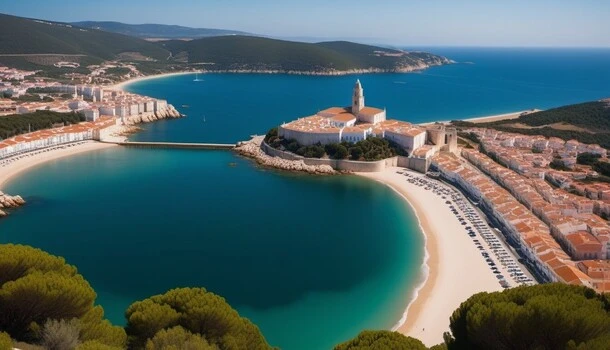
Weather in Evora
 !
!
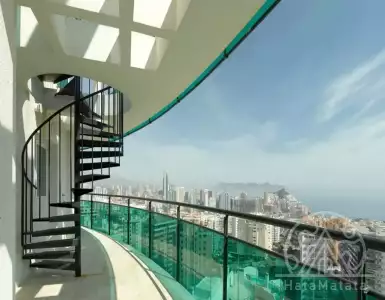
For sale Flat , Spain 212 831 $
📌 A few apartments for sale in Cala de Finestrat - a cozy place between Benidorm and Vieijahoyosa with a...
 !
!
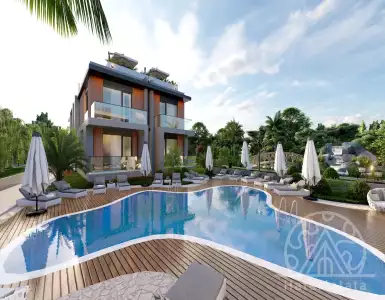
Flat for sale , Cyprus 127 442 $
The new residential complex is located in the foothills of Alsanjak. The complex consists of two two-storey buildings. Block A - 12...
For Sale Real Estate in Evora
Didnt find the right facility?
Leave a request - we will handle the selection and send the best offers in a short period of time



Irina Nikolaeva
Sales Director, HataMatata
Selection real estate in Evora in 15 minutes
Leave a request and we will select the 3 best options for your budget
🇵🇹 Real estate for sale in Évora, Alentejo, Portugal — listings, average prices, towns
Évora sits at the heart of Alentejo, a compact, walkable city with a UNESCO-listed historic centre, Roman Temple and preserved medieval walls. The municipality has around 56,000 inhabitants, while the urban core offers a concentrated mix of university life, tourism and municipal services that make it attractive for a broad buyer profile. The city connects to Lisbon by the A6 motorway and rail services, placing central Lisbon at approximately 130 km and Lisbon Airport at roughly 1 hour 30 minutes by car, making Evora realistic for frequent travel and seasonal residency. The combination of slow-paced Alentejo lifestyle and solid transport links explains why many international buyers look to buy property in Evora for both lifestyle and investment.
🗺️ Evora geography, climate and infrastructure for buyers
The Alentejo plain gives Evora a Mediterranean climate with hot, dry summers and mild winters, typically average highs around 33°C in summer and lows near 6°C in winter, which influences seasonal rental demand and maintenance costs for property in Evora. The city is served by the A6 and EN2/EN114 roads, regular CP regional trains to Lisbon (Lisboa - Évora line) and multiple bus operators, which supports commuter and tourist flows. Health and education infrastructure is anchored by Hospital do Espírito Santo de Évora, a full-service regional hospital, and the University of Évora, a public institution with a broad academic offer that attracts domestic and international students.
The municipality hosts several business and industrial zones such as the Polígono Industrial de Évora and logistical links to the Port of Sines (around 90–110 km), important for commercial real estate investors looking at light industry, warehousing or agribusiness-linked assets. The local municipal plan actively promotes urban rehabilitation in the historic centre and adaptive reuse, improving residential supply and increasing demand for renovated apartments and small hotels. Public services include municipal schools across city parishes, a cultural calendar anchored at Praça do Giraldo, and expanding fibre broadband coverage in most urban neighbourhoods, improving prospects for remote workers seeking property in Evora.
💶 Property prices and market dynamics in Evora
The Evora real estate market is more affordable than Lisbon but shows clear segmentation between historic centre, suburbs and rural quintas. Typical price ranges you can expect when you buy property in Evora are:
- Historic centre apartments: €1,200–€2,500 per m² depending on state of conservation and proximity to Praça do Giraldo and the Roman Temple.
- New build property in Evora (limited new supply): €1,500–€2,500 per m² for modern apartments or small condominium projects near Malagueira and road corridors.
- Suburban family homes and villas: €150,000–€450,000 for 3–4 bedroom houses within 5–10 km of the city.
- Rural quintas, vineyards and country estates: €250,000–€1.5M+ depending on land, olive/cork assets and water rights.
The secondary market property in Evora remains active because of student demand, short-term tourism and local buyers relocating from larger cities. Gross rental yields typically range 3–6% for long-term rentals in the city and 4–8% for seasonal holiday lets in tourist-focused units. Market momentum shows moderate price growth driven by renovation projects and renewed interest from domestic buyers and Northern European retirees.
🎯 Best areas and districts in Evora to buy property
The most sought-after micro-locations to buy property in Evora include:
- Historic Centre (Centro Histórico / Praça do Giraldo): highest demand for renovation projects, short-term rentals and boutique hospitality.
- Malagueira and Horta das Figueiras: planned neighbourhoods with larger apartments and better parking; popular with families and long-term tenants.
- São Mamede / Bacelo outskirts: quieter residential zones with garden houses and easy access to schools.
- Rural parishes (Montemor-o-Novo corridor, Arraiolos outskirts): location for quintas, vineyards and agrotourism projects.
Each district has distinct investor profiles: historic centre suits boutique short-term lets and premium renovated flats, Malagueira suits salaried tenants and families, and rural parishes suit agricultural investors and lifestyle buyers seeking land and olive/grazing assets.
🏗️ Major developers, projects and renovation activity in Evora
Evora’s new-build pipeline is modest compared with coastal cities, so much of the transaction volume comes from renovation and adaptive reuse projects. The municipality encourages rehabilitation schemes in the historic centre; local architecture and construction firms specialise in masonry restoration and seismic retrofitting. National banks and institutional players sometimes partner with local developers for refurbishments and small condominium projects.
Notable hospitality and heritage projects in the wider region that shape investor appetite include operations of established Portuguese hotel groups and historic hotel conversions such as convent and palace hotels around Alentejo, and municipal rehabilitation incentives that reduce obstacles for converting historic houses into tourist accommodation. Developers working in Alentejo often coordinate with local craftspeople and specialized restoration engineers because of strict heritage rules in the UNESCO zone.
🏦 Mortgages, financing and installment plans for buying in Evora
Portuguese banks offer mortgages to foreigners with common terms and conditions similar across the major lenders: Caixa Geral de Depósitos, Millennium BCP, Banco Santander Totta, Banco BPI and Novo Banco are active in mortgage lending for Evora purchases. Typical conditions include:
- Loan-to-value (LTV): up to 70–80% for residents, 60–70% for non-residents.
- Down payment: usually 20–40% depending on borrower profile and property type.
- Interest rates: commonly around 3–4.5% for variable-rate mortgages (Euribor plus margin), fixed-rate offers available based on term and negotiation.
- Terms: up to 30 years for mortgage duration.
Many developers and renovation specialists offer interest-free installment plans or staged payments during construction or refurbishment, which can be particularly attractive for buyers looking for a property in Evora with installment plan. Financing via Portuguese banks and installment plans are often combined: developers take deposits with staged draws while buyers secure mortgage final drawdown at escritura.
🧾 Property purchase process in Evora — step-by-step
Buying property in Evora follows the standard Portuguese purchase flow:
- Obtain a Portuguese tax number (NIF) and open a local bank account to handle deposits and utility fees.
- Sign a Promissory Contract (Contrato-Promessa de Compra e Venda) with a deposit, commonly 10–30%, which sets the terms and timelines.
- Carry out due diligence: confirm property registration at the Conservatória do Registo Predial, check debts, licenses, and urban planning status; verify if VAT or IMT applies.
- Finalize mortgage conditions if financing, obtain pre-approval and link it to the deed timeline.
- Sign the public deed (Escritura Pública) at a notary to transfer ownership and register the title; then register the transfer at the Land Registry and pay IMT/stamp duties as applicable.
Payment methods include bank transfer for deposits, mortgage drawdowns for balance due at escritura and escrow arrangements for construction-phase payments. Professional support from a local notary and an English-speaking solicitor helps ensure clear contracts and proper registration.
⚖️ Legal, taxation, residence permit and citizenship routes linked to property in Evora
Non-residents can purchase real estate in Evora without restrictions, holding full freehold title. Fiscal aspects that buyers must budget for include:
- VAT (IVA) on certain new-build transactions at 23% when applicable.
- IMT (property transfer tax) on secondary market purchases, calculated progressively per official tables; stamp duty at 0.8% on the purchase price.
- IMI (annual municipal tax) typically ranges 0.3–0.8% of the tax value and varies by municipality rate.
Residence permits through property purchase in Evora are possible under specific national immigration rules; program eligibility and thresholds have changed, and low-density regions like Alentejo have particular treatment under investment visa schemes. Buyers should verify current rules for residence permit by real estate investment in Evora and consult immigration counsel. Naturalization via residence follows legal residency requirements and language integration obligations; in general, qualifying for citizenship by real estate investment involves a residency pathway rather than a direct purchase-to-citizenship shortcut.
📈 Investment advantages, buyer scenarios and where Evora fits different goals
Investors and private buyers find Evora suitable for a range of strategies:
- Lifestyle buyers and retirees: city-centre apartments, renovated townhouses and rural quintas offer quiet living with cultural amenities, good medical access and proximity to Lisbon.
- Student rental and long-term rental investors: properties near the University of Évora and main transport corridors deliver stable occupancy and 3–5% gross yields.
- Short-term holiday rental operators: renovated units and boutique guesthouses in the historic centre capture tourism demand with seasonal yield potential of 4–8% depending on management and occupancy.
- Agricultural and agrotourism investors: purchase of quintas, olive groves or small vineyards allows income from farming plus tourism diversification; land parcels close to Évora command premium prices for water access and infrastructure.
Buyers seeking capital appreciation should prioritise historic centre rehabilitations and well-located new build units near transport links. Those targeting lower entry costs and stable cashflow can look at suburban houses in Malagueira or small villages within a 20–30 minute drive. Developers and investors focused on premium hospitality projects will find opportunities in converting heritage properties under municipal rehabilitation frameworks.
Evora matches investors who want a balance of cultural authenticity, manageable price points compared to coastal hubs and steady demand drivers such as university life, regional healthcare and growing boutique tourism. For buyers focused on financing, rental yield or residency prospects, tailored due diligence and a local legal advisor are essential to align the purchase process, mortgage conditions and any residence permit by real estate investment in Evora with each buyer’s goals.
If you would like, I can prepare a short list of current listings by price band, recommend local solicitors and mortgage contacts, or map the best renovation contractors and property managers for projects in Evora.
Frequently Asked Questions
Evora prices vary by location and condition. City-centre apartments often sell for about $110,000–$280,000 (€100k–€255k); price per m² ranges roughly $1,000–$2,000/m² (€930–€1,850/m²). Outskirts and rural houses can fall to $40,000–$120,000 (€35k–€110k). Historic rehab projects cost more per m². Expect variation by property type and restoration needs.
Yes. Non-residents can acquire freehold property in Evora with no nationality restrictions. Practical steps: obtain a Portuguese tax number (NIF), open a local bank account, and use a lawyer/notary. Some transactions require identity verification and AML checks. Purchase process typically completes in 1–3 months from reservation to registration.
Evora offers steady demand from students and tourists. Typical gross yields: 3.5–7% depending on location and short-term vs long-term rentals. City-centre short-term lets can outperform long-term units but are seasonal. Liquidity is moderate—city apartments sell faster than rural homes. Factor renovation and management costs into yield calculations.
Evora offers a quiet, historic lifestyle with basic services: supermarkets, banks, markets, cultural venues. Healthcare: a regional hospital plus clinics; serious cases may be referred to Lisbon. Schools: public primary/secondary available; limited international school options nearby. Transport: regional buses and trains to Lisbon (~1–1.5 hr) and good road links.
Yes for many remote workers. Towns and newer buildings commonly have fiber and reliable mobile broadband, with speeds often 100–300 Mbps in central areas. Co-working options are limited but cafés and rented offices exist. Cost of living is lower than Lisbon, making long stays affordable; ensure your visa allows remote work for your nationality.
Options include D7 (passive income/retiree), work permits, and investment-based residency programs. Investment paths may require property purchase thresholds or rehabilitation projects; requirements vary by scheme. Processing times commonly range 2–6 months for initial permits. Citizenship requires longer legal residence and language/testing criteria.
Key costs: property transfer tax (IMT) progressive—approx. 1–8% depending on price, stamp duty ~0.8%, notary/registration fees and legal costs often 1–2%, and agent commissions ~3–6% if used. Annual municipal property tax (IMI) typically 0.3–0.8% of taxable value. Capital gains tax for non-residents is typically ~28% on gains.
Historic homes in Evora often need permits from municipal and heritage authorities. Renovation costs range widely: about $430–$1,300/m² (€400–€1,200/m²) depending on structural work and finishes. Permit lead times can be 1–6 months; full restorations commonly take 6–18 months. Factor specialist conservation rules and higher professional fees into budgets.
Yes. Domestic banks lend to residents and non-residents. Typical LTV: 60–80% for non-residents, up to 80–90% for residents. Interest rates vary; many mortgages range ~2–4% variable (depending on market). Loan terms up to 30 years. Approval time ranges 2–8 weeks, requiring documentation: proof of income, bank statements, tax ID, and property valuation.
Families: quieter suburbs and nearby villages offer larger homes, gardens, and local schools—good for long-term living. Investors: historic centre and properties near the university/tourist sites deliver better short-term rental occupancy and rental yields. Rural estates suit agritourism or long-term appreciation but have lower liquidity.
Properties by Region
- Real estate in Lisbon (910)
- Real estate in Porto (239)
- Real estate in Faro (150)
- Real estate in Algarve (123)
Properties by Country
- Real estate in Bulgaria (11408)
- Real estate in Montenegro (5341)
- Real estate in Indonesia (2423)
- Real estate in Spain (2289)
- Real estate in Portugal (1975)
- Real estate in Italy (1894)
- Real estate in Turkey (1699)
- Real estate in Cyprus (1588)
- Real estate in Thailand (1565)
- Real estate in Croatia (1431)
- Real estate in Greece (1080)
- Real estate in USA (1013)
- Real estate in France (1006)
- Real estate in Georgia (519)
- Real estate in Serbia (328)
- Real estate in Slovenia (123)
- Real estate in Egypt (23)
Free real estate consultation in Evora
Don't know which area to choose in Evora? We will tell you in which areas it is better to live or invest, and show you the appropriate options.

Maria Guven
Head of Direct Sales Department
+90-507-705-8082