


Real Estate in Lisbon

International Real Estate Consultant
Leave a request and our manager will contact you.
International Real Estate Consultant
 Irina Nikolaeva, Southern Europe Real Estate Expert
Updated:
Irina Nikolaeva, Southern Europe Real Estate Expert
Updated:
Real Estate in Lisbon
International Real Estate Consultant
Leave a request and our manager will contact you.
International Real Estate Consultant
Selection real estate in Lisbon in 15 minutes
Leave a request and we will select the 3 best options for your budget



Weather in Lisbon
 !
!
For sale Flat, Spain 203 985 $
📌 A few apartments for sale in Cala de Finestrat - a cozy place between Benidorm and Vieijahoyosa with a...
 !
!
Buy flat, Turkey 161 395 $
ID AN 24382 Main Features: Location:Antalya District:Altintaş Type of property: Housing under construction Number of rooms: 1+1, 2+1
For Sale Real Estate in Lisbon
Houses in Cascais



Flats in Cascais



Do you want to buy real estate in Lisbon? We'll tell you where to start
Leave a request and we will select the 3 best options for your budget
International Real Estate Consultant
Villas in Estoril
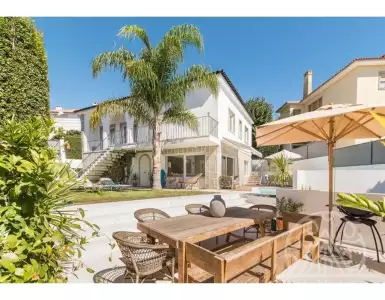
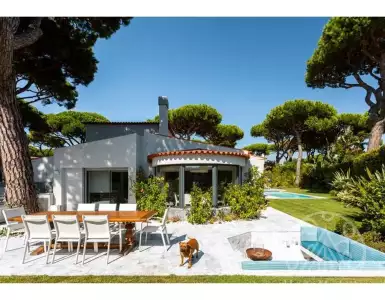
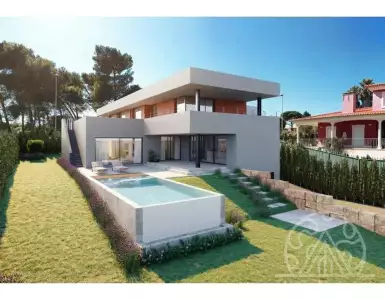
Penthouses in Oeirash
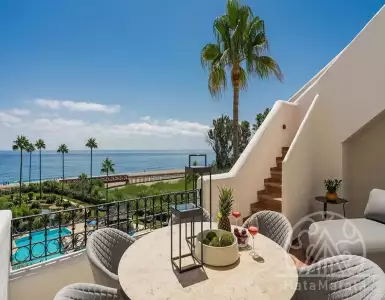

Flats in Oeirash


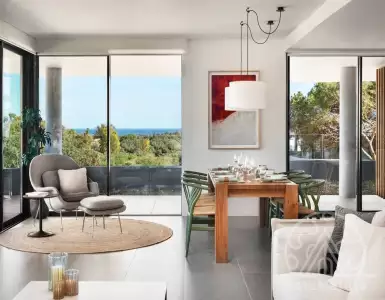
Villas in Cascais
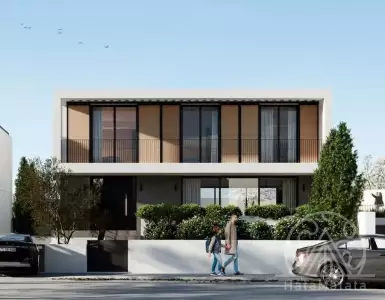
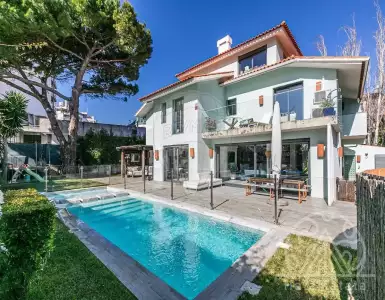

Houses in Estoril

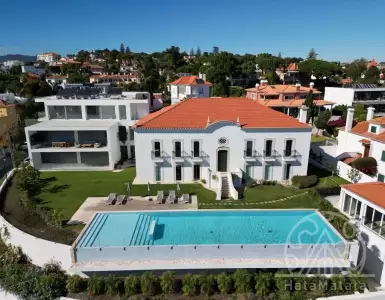

Shops in Lisbon
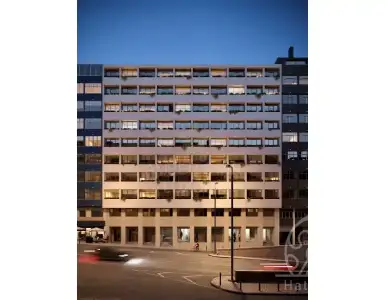
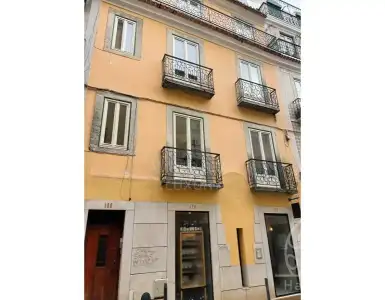
Villas in Lisbon


Villas in Sintra

Selection real estate in Lisbon in 15 minutes
Leave a request and we will select the 3 best options for your budget
 Legal review:
Deni Gerikhanov, International Real Estate Lawyer
Legal review:
Deni Gerikhanov, International Real Estate Lawyer
 Financial review:
Evgeniya Skripko, Financial Expert in International Real Estate
Reviewed:
Financial review:
Evgeniya Skripko, Financial Expert in International Real Estate
Reviewed:
🇵🇹 Buying property in Lisbon region: prices, neighborhoods, taxes, legal requirements
Lisbon combines an accessible European capital infrastructure with varied neighbourhoods, resilient demand and clear legal frameworks that make it one of the most straightforward markets in Western Europe for buying property. Whether you are a private buyer looking for a family home, a digital nomad after a second base, or an international investor seeking rental income or capital appreciation, Lisbon offers a spectrum of property types, predictable procedures and a mature ecosystem of banks, lawyers and developers. The city’s public transport, health services, universities and coastal lifestyle are tangible advantages that show up in prices, rental demand and long-term value.
🗺️ Lisbon geography and climate with transport and infrastructure
Lisbon sits on the Tagus estuary and covers a compact municipal area with a metropolitan population of roughly 2.8 million, connecting to Cascais, Oeiras and Sintra along a single urban corridor. The city’s mild Mediterranean climate—warm, dry summers and rainy but temperate winters—supports year-round occupancy and tourism that underpins short-term and mid-term rental demand. Lisbon Portela (Humberto Delgado) Airport provides extensive European and intercontinental links and sees passenger traffic in the tens of millions annually, which supports international buyers and short-stay visitors.
Lisbon’s transport network is comprehensive: the metro (Blue, Yellow, Green and Red lines) links central districts to the airport and Parque das Nações, suburban trains (CP - Cascais, Sintra and Azambuja lines) connect to Cascais, Sintra and the Algarve corridor, and highways A1, A2 and A5 connect to Porto, the Alentejo and the Portuguese Riviera respectively. Major infrastructure nodes include Oriente Station, Gare do Rossio and Santa Apolónia for intercity rail, and the Port of Lisbon for cruises and freight. Public transport integration supports high occupancy in rental properties near stations and key axes.
Lisbon’s social infrastructure is well developed: public hospitals such as Hospital de Santa Maria and private clinics like CUF and Luz Saúde, universities including Universidade de Lisboa, ISCTE and NOVA University Lisbon, and international schools (e.g., St. Julian’s in Carcavelos, Oeiras International School) cater to expatriate families. Business districts concentrate in Parque das Nações, Avenida da Liberdade and the emerging Marvila/Beato tech cluster, giving buyers options for proximity to employment hubs and startup ecosystems.
💶 Lisbon economy and investment potential with key numbers
Lisbon-region economic activity accounts for a major share of Portugal’s output; the national GDP is in the hundreds of billions of euros and the Lisbon metro contributes a disproportionate share of services, finance and tourism. The services sector—tourism, finance, IT and professional services—drives employment and rental demand. Portugal’s unemployment rate is lower than past peaks and typically sits in the mid-single digits, supporting household formation and steady housing demand.
Tourism and migration remain key demand drivers: Lisbon attracts millions of overnight visitors and sustained inward migration, both from other EU countries and non-EU nationals relocating for lifestyle and tax regimes such as the Non-Habitual Resident program. Foreign direct investment in Portuguese real estate and other sectors has been a consistent inflow, with residential purchases by non-residents and buy-to-let investors forming a visible share of transactions in core districts. Business events and conferences at venues like FIL Feira Internacional de Lisboa and the Altice Arena also generate corporate short-stay demand that lifts yields in centrally located properties.
Local market resilience is driven by diversified demand streams: owner-occupiers, long-term renters (professionals and families), students and tourists. Employment growth in tech clusters, multinational service centers, and a growing startup scene in Alcântara and Marvila supports demand for one- and two-bedroom apartments near transport nodes and co-living projects aimed at young professionals.
💶 Property prices in Lisbon by category and area
Prices in Lisbon vary widely by district, age and building standard; new build property in Lisbon typically trades at a premium over secondary market property in Lisbon, while the historic centre commands the highest per-square-metre values. Typical market benchmarks are:
- Central historic districts (Baixa, Chiado, Príncipe Real, Bairro Alto): €8,000–€15,000/m² depending on finish and views.
- Parque das Nações and newbuild neighbourhoods: €3,500–€6,500/m² for modern apartments with infrastructure.
- Western coastal belt (Cascais, Estoril): €5,000–€9,000/m² for sea-facing and luxury homes.
- Avenidas Novas, Campolide, Campo de Ourique: €4,000–€8,000/m² for family apartments and renovated buildings.
- Peripheral municipalities (Loures, Amadora, Montijo): €1,500–€3,000/m² for more affordable options.
Prices by property type and typical marketplace ranges:
- Studios / T0: from €120,000 in secondary locations to €350,000+ in central Chiado.
- T1 (one-bedroom): commonly €200,000–€450,000 depending on area and quality.
- T2 (two-bedroom): €300,000–€900,000 with prime examples exceeding that.
- T3 and larger: €600,000–€3,000,000+ in premium Lapa, Estrela and Belém addresses.
Market dynamics and trends:
- New-build projects in Parque das Nações and Alcântara are priced at a premium for delivery standards and developer guarantees.
- Secondary market property in historic cores requires renovation budgets but benefits from premium short-term rental rates.
- Gross rental yields typically range 3–5% citywide for long-term rentals, with higher short-term yields in high-tourism pockets but increased regulatory risk.
🎯 Best areas in Lisbon to buy property with district specifics
Chiado, Baixa and Alfama are the heart of historic Lisbon: steep streets, UNESCO-style façades, and the highest tourist footfall. These areas suit buyers targeting short-term rental income, boutique hospitality conversion or luxury owner-occupation. Príncipe Real and Bairro Alto offer nightlife, gardens and premium apartments attractive to professionals and affluent buyers.
Parque das Nações is Lisbon’s modern district built around the Expo area, offering purpose-built apartments, promenades and direct airport and Oriente station access—appealing to families and corporate tenants. Alcântara, Marvila and Beato are undergoing rapid regeneration with warehouse conversions and new mixed-use projects targeting creatives and tech companies, making them good options for growth-focused investors.
Lisbon’s western corridor—Cascais and Estoril—provides coastal living, international schools and luxury inventory for buyers seeking villas, sea views and high-end rentals. Avenidas Novas, Campo de Ourique and Benfica provide a middle ground: established family areas with good schools, green spaces and more competitive prices.
🏗️ Major developers and projects in Lisbon
Large Portuguese and international construction and development groups are active in Lisbon, delivering new build property in Lisbon and regeneration projects across the city. Notable names include Mota‑Engil and Vinci, which have a presence in large infrastructure and property works, and Sonae Sierra active in retail-led urban projects. Local developers and specialist residential groups also deliver boutique schemes in central districts and Parque das Nações.
Representative projects and zones to monitor:
- Parque das Nações redevelopment: large-scale residential schemes with modern finishes and structured building warranties.
- LX Factory and Alcântara conversions: creative cluster conversions and mixed-use developments that retain industrial character.
- Belém and Ajuda: conservation-driven renovations and high-end restorations that attract luxury buyers and embassies.
Developers commonly provide construction guarantees, energy efficiency certificates and post-sale warranties. Larger developers sometimes offer staged payment structures or guaranteed rental programs for investors on specific blocks.
🏦 Mortgages and installment plans for property in Lisbon
Portuguese banks provide residential mortgages to non-residents and residents; major lenders include Millennium BCP, Caixa Geral de Depósitos, Novo Banco and international banks with Portuguese branches. Typical lending parameters are:
- Loan-to-value (LTV): up to 70–80% for EU/UK buyers depending on borrower profile, and typically 60–70% for non-EU nationals.
- Interest rates: prevailing mortgage offers vary; competitive fixed and variable packages are available in the low single digits to mid-single digits depending on term and profile.
- Term lengths: up to 35 years for borrowers meeting age and income criteria.
Developers often offer interest-free installment plans on new-build property in Lisbon during construction (deposit + staged payments), and those arrangements can reduce initial bank borrowing. Typical developer arrangements require a reservation deposit (commonly 5–10%), a promissory contract deposit (often cumulative to 20–30% during construction) and a final deed payment on completion. Banks will value new build projects and offer bridging facilities to complete purchase.
🧾 Property purchase process in Lisbon with steps and legal formats
Buying property follows a structured sequence that foreign buyers can navigate with local professionals. Steps in the purchase process include:
- Obtain a Portuguese tax number (NIF) and open a local bank account to facilitate payments and tax handling.
- Reservation and promissory contract (Contrato de Promessa de Compra e Venda) with a negotiated deposit (commonly 10–30%).
- Due diligence: checks at the Conservatória do Registo Predial (land registry), camera municipal for licenses, and energy performance certificate inspection.
- Final deed (Escritura Pública) signed before a notary and lodged with the land registry and tax authorities, with final payments and transfer of ownership.
Payment methods and taxes:
- Payments are commonly made by bank transfer and certified funds; wire transfer and escrow arrangements are standard for cross-border buyers.
- Transfer taxes (IMT) are paid by the buyer on resale purchases (progressive scale up to around 8% in higher brackets), stamp duty 0.8%, and annual property tax (IMI) varies by municipality—commonly 0.3–0.45% for urban properties but can be higher for non-residential rates.
- Title registration occurs at the Conservatória; buyers receive fiscal identification and the escritura is registered to complete legal title transfer.
Legal representation and notaries:
- A Portuguese lawyer (advogado) or solicitor is strongly recommended to perform due diligence, draft or review the promissory contract, and handle tax registration and closing. Notaries authenticate deeds and ensure the public record is updated.
⚖️ Legal aspects, residence permits and citizenship through property
Buying property in Lisbon provides practical routes to residence but legal frameworks have evolved. The Golden Visa program previously offered a direct path via qualifying property investment; regulations have been tightened and eligibility for property purchase-based Golden Visa in Lisbon is now restricted. Alternative routes remain viable:
- D7 Visa for passive or remote income holders and retirees provides a path to residency without property-value thresholds.
- D2 Entrepreneur Visa is available for investors starting businesses or creating jobs in Portugal.
- Standard work and family reunification visas operate independently of property ownership.
Tax and residency regimes:
- Non-Habitual Resident (NHR) status gives tax advantages to newcomers for a limited period, making Portugal attractive for high-net-worth individuals and professionals with foreign-sourced income.
- Citizenship through naturalisation generally follows a period of legal residence, language requirements and integration criteria; owning property helps establish ties but does not alone confer citizenship. Legal advice is essential because rules change and eligibility depends on individual circumstances.
📈 Investment advantages and buyer scenarios for property in Lisbon
Lisbon suits multiple buyer profiles because of demand diversity and transparent processes. For families and relocators, districts like Campo de Ourique, Avenidas Novas, and Estrela offer schools, parks and larger apartments. For long-term buy-and-hold investors focused on steady rental income, Parque das Nações, Alvalade and Benfica provide stable tenant pools and lower management churn.
Short-term rental and holiday investment scenarios are concentrated in Chiado, Baixa, Alfama and Bairro Alto, where high tourist footfall increases occupancy but also triggers regulatory oversight and municipal rules. For investors targeting capital appreciation and regeneration upside, Marvila, Alcântara and areas around the new tech hubs can deliver higher appreciation potential as urban renewal proceeds.
Buyer scenarios and recommended property types:
- Primary residence / family relocation: T3/T4 in Avenidas Novas, Campo de Ourique, Benfica.
- Long-term rental income: T1/T2 in Parque das Nações, Alvalade, Campolide.
- Short-term / holiday investment: small apartments in Baixa, Chiado, Alfama (subject to licensing).
- Premium segment: townhouses and apartments in Lapa, Estrela, Belém and Cascais for luxury buyers.
- Remote work / second home: one- or two-bed apartments with good connectivity, often in Príncipe Real, Santos or Parque das Nações.
Final paragraph — smooth ending without headings Lisbon delivers a layered market where clear procedural steps, active developer offerings and accessible financing combine with robust lifestyle appeal and employer demand to create durable opportunities across buyer categories. Whether your goal is a family home, rental income, staged investment with a developer installment plan or a pathway to residency through legal immigration routes, the city’s mix of historic quarters and modern districts gives you tactical options—supported by recognizable banks, established notarial practice and a transparent property registration system that makes buying property in Lisbon an achievable, well-documented process.
Frequently Asked Questions
How much do properties cost in Lisbon?
Citywide prices typically range $3,500–8,500/m² (≈€3,200–7,800/m²). Central and historic areas often sit at $5,000–12,000/m². A 1‑bed central flat commonly sells for $300,000–$800,000; suburban homes can be $150,000–$350,000. New or waterfront prime units can exceed these ranges. Prices vary by neighbourhood, condition and views.
Can foreigners buy property in Lisbon?
Yes. Non‑residents may buy with the same ownership rights as locals. You’ll need a Portuguese tax number (NIF), often a local lawyer/notary, and a bank account. Some purchase steps include reservation contract, deposit (typically 10–20%), and final deed at a notary. No nationality restrictions on ownership.
Is Lisbon good for real estate investment?
Lisbon has strong rental demand from students, expats and professionals. Typical long‑term gross yields are about 3%–6%; short‑term rentals can be higher but are more regulated. Liquidity is strongest in central and transport‑linked areas; resale time often 2–9 months in prime spots and longer outside the centre.
What is living and relocating to Lisbon like?
Lisbon offers compact city living, good public transport (metro, trams, suburban trains), major airport, public and private healthcare, and international schools (annual fees roughly $7k–$20k). Daily costs vary; groceries and services are mid‑European. Expect bureaucracy for registrations; settling in typically takes 2–8 weeks.
Is Lisbon suitable for digital nomads buying property?
Yes—Lisbon has widespread fiber and mobile 4G/5G; common household speeds 100–500 Mbps, with 1 Gbps in many areas. Lifestyle, coworking and cafes support remote work. For long stays consider visas or residency routes; budget for housing and utilities similar to other Western European capitals.
Can buying property in Lisbon grant residency or citizenship?
Buying property alone does not automatically grant citizenship. Portugal has residence‑by‑investment pathways and other visas, but eligibility depends on location and program rules; many Lisbon purchases may not qualify for certain investment routes. Legal residency can lead to citizenship after a legal residence period (typically around 5 years). Seek immigration/legal advice.
What taxes and fees apply when buying in Lisbon?
Typical transaction costs: property transfer tax (IMT) varies progressively—commonly 1%–8% depending on price; stamp duty ~0.8% of purchase; notary/registration and legal fees 1%–2%. Annual property tax (IMI) is usually 0.3%–0.8% of tax value. Expect additional costs for surveys, broker/legal fees and utilities.
Can I get a mortgage in Lisbon as a foreign buyer?
Yes. Lenders commonly offer mortgages to non‑residents with LTVs around 60%–70%; residents may reach 70%–80%. Approval depends on income, credit and documentation. Interest rates and terms vary; expect a 4–8 week approval process and closing in 6–12 weeks after offer acceptance.
How much do renovations and permits cost in Lisbon?
Light renovations typically cost $400–900/m²; full refurbishments $800–1,500+/m². Structural or façade works may need municipal permits; permit timelines range from a few weeks to several months. Factor in architect/engineer fees (5%–15% of works) and possible heritage restrictions in historic areas.
Can I operate short‑term rentals in Lisbon?
Short‑term rentals are allowed but regulated: you must register for local tourist licensing (Alojamento Local) and follow municipal limits and zoning rules. Some neighbourhoods face stricter controls; fines apply for non‑compliance. Returns can be strong in prime zones but check licensing, seasonality and local rules before buying.
Property by cities
- Real estate in Lisbon (419)
- Real estate in Estoril (108)
Real estate types in Lisbon
- Flats in Lisbon (431)
- Houses in Lisbon (194)
- Villas in Lisbon (81)
- Shops in Lisbon (11)
- Lands in Lisbon (2)
Real estate types by cities of Lisbon
- Flats in Lisbon (325)
- Houses in Lisbon (60)
- Houses in Estoril (51)
- Flats in Estoril (49)
- Villas in Oeirash (44)
- Houses in Cascais (42)
- Houses in Sintra (35)
- Flats in Cascais (32)
- Villas in Sintra (11)
- Villas in Lisbon (10)
- Shops in Lisbon (9)
- Flats in Sintra (8)
- Flats in Oeirash (6)
- Flats in Mafra (3)
- Lands in Lisbon (1)
Properties by Region
- Real estate in Lisbon (743)
- Real estate in Porto (374)
- Real estate in Faro (226)
- Real estate in Algarve (142)
- Real estate in Braga (12)
Properties by Country
- Real estate in Bulgaria (11423)
- Real estate in Montenegro (5420)
- Real estate in Spain (5202)
- Real estate in Turkey (2798)
- Real estate in Indonesia (2424)
- Real estate in Portugal (2037)
- Real estate in Croatia (1694)
- Real estate in Cyprus (1620)
- Real estate in Italy (1576)
- Real estate in Thailand (1565)
- Real estate in Greece (1120)
- Real estate in France (1070)
- Real estate in USA (732)
- Real estate in Georgia (507)
- Real estate in Serbia (251)
- Real estate in Slovenia (125)
- Real estate in Egypt (20)
Free real estate consultation in Lisbon
Don't know which area to choose in Lisbon? We will tell you in which areas it is better to live or invest, and show you the appropriate options.

Maria Guven
Head of Direct Sales Department
+90-507-705-8082