


House in Lisbon
Do you want to buy house in Lisbon? We'll tell you where to start

Liliya
International Real Estate Consultant
Need help choosing a property?
Leave a request and our manager will contact you.
International Real Estate Consultant
House in Lisbon
Do you want to buy house in Lisbon? We'll tell you where to start
Liliya
International Real Estate Consultant
Need help choosing a property?
Leave a request and our manager will contact you.
International Real Estate Consultant
Selection houses in Lisbon in 15 minutes
Leave a request and we will select the 3 best options for your budget




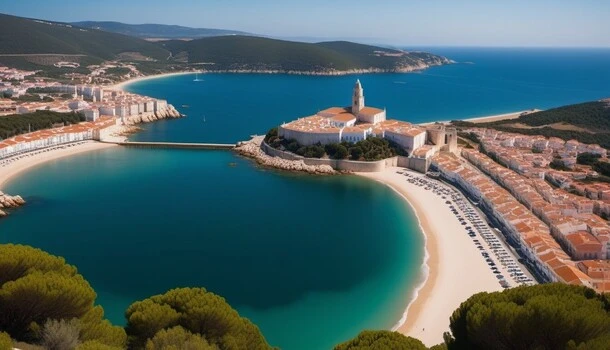
Weather in Lisbon
 !
!
For sale Flat , Spain 210 091 $
📌 A few apartments for sale in Cala de Finestrat - a cozy place between Benidorm and Vieijahoyosa with a...
 !
!
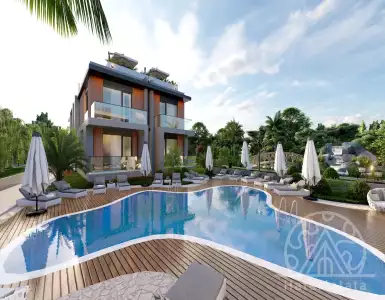
Flat for sale , Cyprus 126 673 $
The new residential complex is located in the foothills of Alsanjak. The complex consists of two two-storey buildings. Block A - 12...
For Sale house in Lisbon
Houses in Cascais
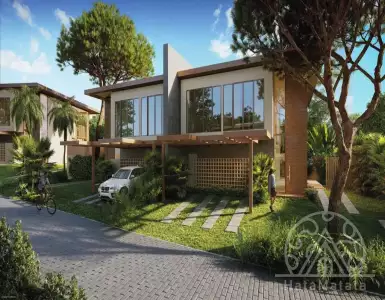


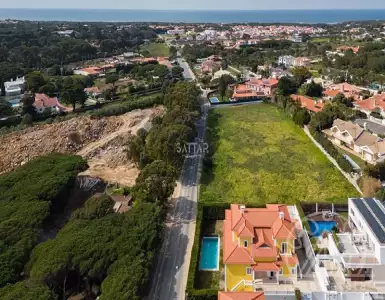

Houses in Estoril
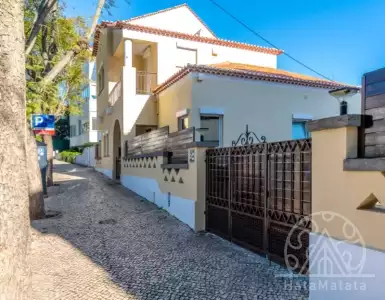
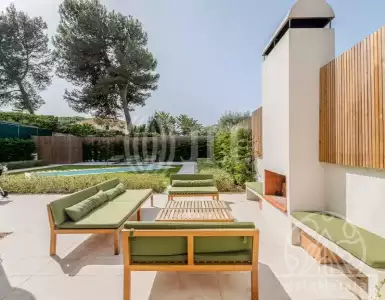
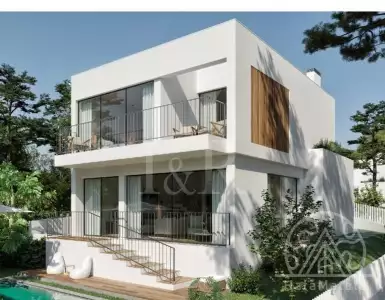
Do you want to buy houses in Lisbon? We'll tell you where to start
Leave a request and we will select the 3 best options for your budget
International Real Estate Consultant
Houses in Sintra
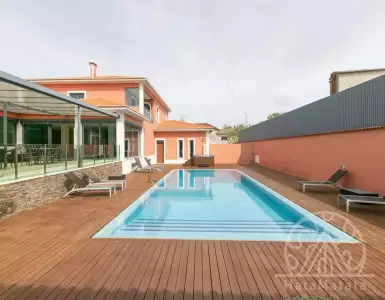


Houses in Oeirash



Houses in Lisbon
Selection houses in Lisbon in 15 minutes
Leave a request and we will select the 3 best options for your budget
🇵🇹 Buying a house in the Lisbon region: neighborhoods, pricing and purchase process
Buying a house in Lisbon, Portugal, offers a unique blend of aesthetic beauty, cultural richness, and a promising investment landscape. With its stunning neighborhoods, iconic architecture, and vibrant lifestyle, Lisbon is increasingly becoming a sought-after destination for various categories of buyers—ranging from families looking for a second home to investors eyeing lucrative opportunities in the real estate market. The region's favorable climate, robust infrastructure, and growing economy further enhance its appeal, making it a prime location for purchasing property.
🌍 Understanding the Lisbon Region's Appeal
Lisbon boasts a strategic geographical position on the Tagus River, facing the Atlantic Ocean. This prime location not only enhances its scenic beauty but also plays a critical role in the climate and lifestyle offered in the region. Lisbon enjoys a Mediterranean climate characterized by mild winters and warm summers, making it ideal for year-round living. The average temperature ranges from 15°C (59°F) in winter to 28°C (82°F) in summer, providing an inviting atmosphere for residents from across the globe.
The region is well-linked through an extensive infrastructure network, including modern public transportation (metro, trams, and buses), connecting various neighborhoods. Lisbon is also home to major business and tourist hubs such as Baixa, Chiado, and Parque das Nações, providing numerous employment opportunities and attracting a steady flow of international visitors each year. This combination of climate, transport facilities, and urban vibrancy significantly influences the demand for houses in Lisbon and its outskirts.
Furthermore, the emergence of tech companies and startups has turned Lisbon into a burgeoning tech hub. The "Lisbon Tech City" initiative fosters a vibrant ecosystem for entrepreneurs and tech enthusiasts, adding to the region's appeal. This not only increases the economic diversity of our housing market but also attracts a workforce looking for modern living arrangements, further enhancing demand for houses throughout the region.
💵 Economy and Investment Climate in Lisbon
The economic landscape in Lisbon is robust, contributing positively to the housing market. With a GDP growth rate that consistently outperforms the EU average, Lisbon has seen substantial foreign investment, particularly in real estate. The growth of tourism has also bolstered the economy, with over 27 million visitors annually. This influx of tourists creates a strong rental market, ultimately supporting property values and rental yields.
Moreover, Portugal maintains a compelling investment climate that includes attractive tax incentives for foreign investors. The Non-Habitual Resident Program offers significant tax benefits, drawing expats and retirees looking to establish residency. Such incentives make investing in houses in Lisbon even more strategic, promising a favorable return on investment (ROI) for prospective buyers.
As of recent years, Lisbon's housing market has been marked by increased liquidity, with homes appreciating rapidly—some districts reporting increases up to 20% annually. The demand for houses in Lisbon continues to be driven by both residents and foreign buyers who seek the perfect combination of lifestyle and investment potential.
🏡 Current Prices for Houses in Lisbon
Understanding the current landscape of prices for houses in Lisbon is crucial for potential buyers. On average, the price of a house in Lisbon can range from €3,000 to €5,000 per square meter, depending on the district and property type. Here’s a breakdown of market prices in some of the most popular areas:
- Alfama: Prices range from €2,500 to €4,000 per square meter for traditional homes with stunning views.
- Chiado: A sought-after area with prices averaging around €6,500 per square meter, known for its trendy ambiance and premium amenities.
- Campo de Ourique: A family-friendly neighborhood with prices between €4,500 to €6,000 per square meter, ideal for those seeking a quieter lifestyle with easy access to amenities.
- Parque das Nações: A modern hub where new developments can range from €4,000 to €7,000 per square meter, attracting professionals and expats alike.
Investors looking for new developments of houses in Lisbon will find notable projects like the "Promenade de Lisboa," which features eco-friendly designs and incorporates smart home technology. Resale houses also remain popular due to their historical value, particularly in areas such as Avenida da Liberdade, allowing for both aesthetic charm and financial potential.
🗺️ Top Districts to Buy Houses in Lisbon
When considering where to buy a house in Lisbon, the choice of district can significantly influence lifestyle and investment potential. Below are some of the most favorable districts:
- Bairro Alto: Known for its nightlife and historic charm, it attracts younger buyers and investors looking for short-term rental opportunities.
- Belém: Close to historical landmarks, it offers family-friendly environments and educational institutions.
- Estoril: As one of the coastal areas, it appeals to those desiring a luxurious lifestyle, combining beach access with upscale amenities.
- Lisbon Downtown (Baixa): A prime location for investors, known for high rental yields thanks to tourist influx and business presence.
Each of these districts brings its unique advantages, encompassing vibrant cultural scenes, accessibility to major services, and various housing formats appealing to different buyers.
🏗️ Leading Developers and Notable Projects in Lisbon
The Lisbon housing market is served by a multitude of reputable developers committed to quality and innovation. Some of the leading companies include:
- Sonae Sierra: Known for high-end residential developments, providing modern amenities and sustainability.
- Luzlinar: Focuses on revitalizing historic buildings while ensuring contemporary living standards.
- Viva Lisboa: Offers a variety of housing options, including townhouses and apartments, promising premium finishes and community spaces.
However, it is the new projects that truly stand out. For instance, the "Santos Design District" is transforming a once-industrial area into a residential hub with modern designs, green spaces, and communal gardens aimed at attracting families and young professionals alike.
🏦 Mortgage and Financing Options for Foreign Buyers in Lisbon
Foreigners interested in buying a house in Lisbon will be pleased to find favorable mortgage options. Typically, banks allow foreign nationals to finance up to 70% of the property value, with interest rates hovering between 1.5% to 3.5% for fixed terms. Commonly, the down payment required is around 30%. Here’s a quick overview:
- Loan Duration: Up to 30 years.
- Common Requirements: Proof of income, credit history, and sometimes Portuguese bank accounts.
- Developer Installment Plan: Many developers offer bespoke payment plans that can extend over 12 to 24 months, allowing buyers to manage their finances effectively.
It is essential for buyers to consult with local banks or financial advisors to explore the most suitable options and understand the tax implications related to mortgages in Portugal.
⚖️ Legal Process of Buying a House in Lisbon
The process of purchasing a house in Lisbon involves several crucial steps:
- Selection and Reservation: Choose your property. Reservation deposits secure your chosen home.
- Due Diligence: Check all legal documents to ensure compliance and clear title.
- Contracts: After thorough reviews, sign the promissory contract, typically requiring a 10% deposit.
- Payment and Registration: Complete the payment transfer and register the property at the local land registry to solidify your ownership.
Assistance from a licensed real estate agent is vital during this process, ensuring that each step is managed correctly and that all relevant taxes and fees are calculated. Buyers need to consider property taxes, registration fees, and additional charges adding up to around 7-10% of the property value.
📜 Property Taxes and Legal Ownership in Lisbon
Owning a house in Lisbon comes with responsibilities, particularly regarding taxes. Property owners must pay the IMI (Municipal Property Tax), which averages around 0.3% to 0.8% of the property's assessed value annually depending on the municipality. Additionally, ownership grants certain rights, including the option for rental and the acquisition of residence permits under specific investment thresholds, thus opening pathways to residence permits through the purchase of a house in Lisbon.
Understanding local rental regulations is crucial for foreign investors. For example, short-term rentals (like Airbnb) are regulated and often require specific permits, whereas long-term rentals present a reliable avenue for generating passive income.
🌟 Versatile Investment Opportunities with Houses in Lisbon
Buying a house in Lisbon caters to various lifestyles and investment goals. Whether seeking a permanent residence, relocation opportunity, seasonal home, or rental investment, the region offers diverse options:
- Family Living: Neighborhoods such as Campo de Ourique provide safe environments with schools and parks.
- Investment Potential: High-demand areas like Baixa and Bairro Alto offer robust rental yields and excellent ROI.
- Premium Living: The luxurious coastal properties in Estoril provide an upscale lifestyle with proximity to nature.
Lisbon's houses not only serve immediate living aspirations but also stand as lucrative investments thanks to the city’s enduring appeal and growth potential. The ongoing demand demonstrates a bullish outlook for the house market, suggesting a future of vibrant opportunities in the region.
Frequently Asked Questions
Prices vary widely by neighbourhood. Central Lisbon and historic cores commonly see €6,000–€12,000/m² (so a 80–120 m² home can be €480k–€1.44M); outer Lisbon and Greater Lisbon suburbs typically €2,000–€4,500/m², with many family houses priced €250k–€800k. Prime coastal suburbs (Cascais/Estoril) sit above central-city benchmarks.
Portugal offers visas like D7 (passive income/remote workers), D2 (entrepreneurs) and residency schemes with investment options. Owning a house in Lisbon does not automatically grant residency; property can support applications (proof of accommodation) but recent investment-residency rules limit qualifying property types and locations, so purchase in central Lisbon usually won’t by itself qualify for special investor routes.
Yes. Lisbon offers good healthcare (public and private), international and public schools, extensive public transport (metro, trams, suburban trains), reliable broadband and coworking scenes. Quality of life is high with mild climate; commuting varies by zone (15–60+ min). Many digital nomads and remote workers find Lisbon suitable, though costs and tourist seasonality affect central areas.
Short-term rentals are popular but regulated: many properties require a local licence (Alojamento Local) and registration, and condo rules or municipal plans can restrict tourist use. Demand peaks in summer; expect higher gross income but higher turnover, cleaning, licensing compliance and seasonal vacancy. Taxation applies on rental income.
Buyers pay IMT (property transfer tax, progressive on price), stamp duty (about 0.8%), notary and land registry fees, and conveyancing/legal fees. New-builds may include VAT. Annual property tax IMI is commonly around 0.3–0.8% of tax value depending on municipality. Budget for 1–6% extra transaction costs beyond the purchase price.
Yes. Portuguese banks lend to non-residents, typically up to 60–80% loan-to-value (non-residents often nearer 60–70%). Terms commonly 10–30 years, with fixed or variable rates. Lenders require income proof, credit checks, a Portuguese property valuation and tax ID; conditions and rates vary with borrower profile.
Major works require a building licence (licença de obras) from the municipality; minor works may need a prior communication. Properties in classified or historic areas need heritage approvals and stricter rules. Timelines for permissions vary from weeks to several months and additional technical plans and licensed professionals are normally required.
Long-term gross yields in Lisbon commonly range 3–6% depending on area and property type. Short-term or holiday rentals can show higher gross returns—often 5–8% or more—but come with higher operating costs, seasonality and regulatory risk. Net yield after costs and taxes will be lower.
Suburbs with fast commuter links include Cascais, Oeiras, Amadora, Sintra and Almada; commute times by train or car typically 20–50 minutes to central Lisbon depending on location and traffic. Choose areas on main rail/tram corridors for reliable daily travel and check local school and healthcare access for family moves.
Yes in many neighbourhoods close to universities and transport hubs demand is steady. Areas near campuses and metro stops see consistent long-term student rentals; expect turnover aligned to academic terms and the need to furnish units. Regulations for short-term tourist lets can impact investor strategy, so long-term student lets often give more stable occupancy.
Properties by Region
- Houses in Lisbon (910)
- Houses in Porto (239)
- Houses in Fara (150)
- Houses in Algarve (123)
- Houses in Setubal (77)
- Houses in Azores (67)
- Houses in Madeira (50)
- Houses in Leiria (20)
- Houses in Braga (9)
Properties by Country
- Real estate in Bulgaria (11408)
- Real estate in Montenegro (5368)
- Real estate in Indonesia (2423)
- Real estate in Spain (2289)
- Real estate in Portugal (1975)
- Real estate in Italy (1900)
- Real estate in Turkey (1699)
- Real estate in Cyprus (1592)
- Real estate in Thailand (1565)
- Real estate in Croatia (1431)
- Real estate in Greece (1082)
- Real estate in USA (1013)
- Real estate in France (1006)
- Real estate in Georgia (519)
- Real estate in Serbia (328)
- Real estate in Slovenia (123)
- Real estate in Egypt (23)
Free real estate consultation in Lisbon
Don't know which area to choose in Lisbon? We will tell you in which areas it is better to live or invest, and show you the appropriate options.

Maria Guven
Head of Direct Sales Department
+90-507-705-8082