


House in Lisbon
Real estate in Lisbon for living, investment and residence permit
- ✓ Verified properties directly from developers
- ✓ No overpayments or commissions
- ✓ Guarantee of transaction purity and post-purchase support

International Real Estate Consultant
Need help choosing a property?
Leave a request and our manager will contact you.
International Real Estate Consultant
Hot Deals

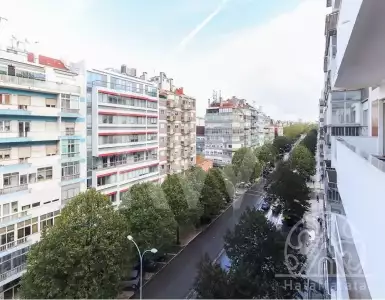
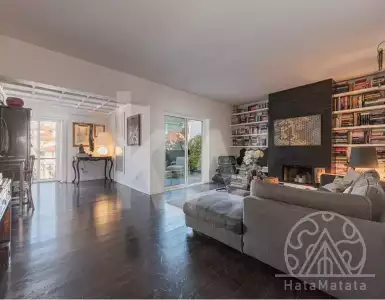
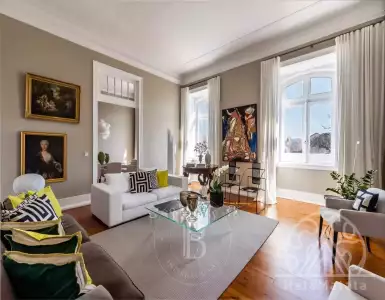

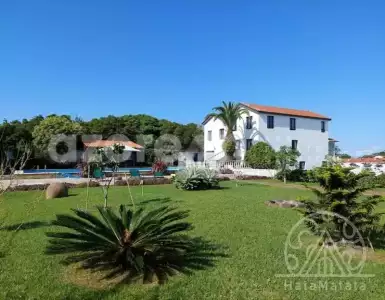
For Sale house in Lisbon
59 listings
 4
4
 321
321
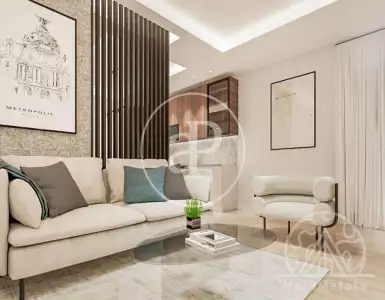
Introducing a wonderful opportunity in Livramento: a spacious house, carefully divided into two parts, each boasting its own unique charm...
Submit Request
 2
2
 2
71
2
71
Located on Lope de Rueda Street, on one of the most beautiful and quiet streets in the Goya district, Salamanca...
Submit Request
Hot Deals




 4
5
300
4
5
300
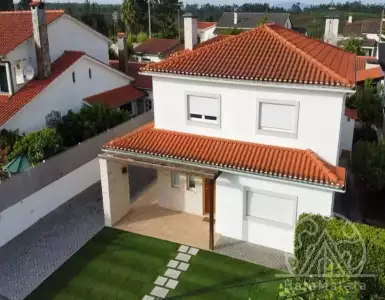
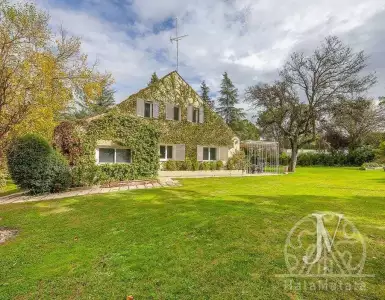
CIUDALCAMPO, INDEPENDENT house of 2 floors, on a plot of 2.520m2. The plot is flat, with a beautiful garden, orchard...
Submit Request
Real estate in Lisbon for living, investment and residence permit
- ✓ Verified properties directly from developers
- ✓ No overpayments or commissions
- ✓ Guarantee of transaction purity and post-purchase support
International Real Estate Consultant
 3
273
3
273
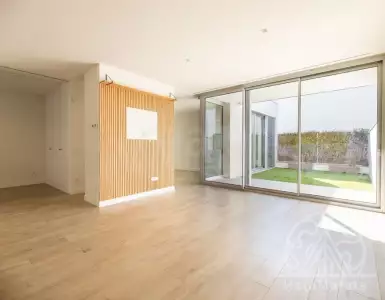
Excellent new townhouse in the urbanization of La Moraleja, a luxury residential complex located north of Madrid 10 km from...
Submit Request
 5
5
700
5
5
700
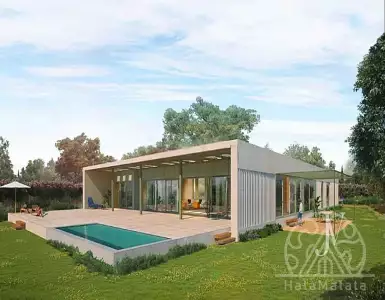
New building in a private complex with limited access in the exclusive urbanization of MontePRINCIPE, Boadilla del Monte. DEHESA MONTEPRINCIPE...
Submit Request
 5
7
754
5
7
754
New construction, 5 independent villas in gated residential complex with private security, 800 m2 of housing, 1,000 m2 of plot....
Submit Request

House in Lisbon
Real estate in Lisbon for living, investment and residence permit
- ✓ Verified properties directly from developers
- ✓ No overpayments or commissions
- ✓ Guarantee of transaction purity and post-purchase support
International Real Estate Consultant
Need help choosing a property?
Leave a request and our manager will contact you.
International Real Estate Consultant
Need help choosing houses in Lisbon?
Leave a request and we will select the 3 best options for your budget
!
For sale House in Lisbon, Portugal 1 012 214 $
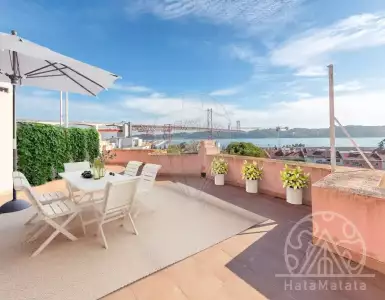
Introducing a wonderful opportunity in Livramento: a spacious house, carefully divided into two parts, each boasting its own unique charm...
 !
!
Buy villa in Lisbon, Portugal 1 601 243 $
Description Exclusive 4-bedroom villa in Alcantara - gated community with views of the Tagus River, 2 parking spaces, and storage....
🇵🇹 Lisbon, Portugal houses: neighborhood insights, typical prices and property types
Lisbon, the sun-drenched capital of Portugal, is becoming an increasingly attractive destination for those looking to buy a house. Vibrant neighborhoods, a strong economy, and a charming lifestyle make this city a prime location for both private buyers and investors. Nestled along the Tagus River, Lisbon offers a blend of historic charm and modern amenities, perfectly balancing the old with the new. With its strategic location at the crossroads of Europe, Africa, and the Americas, the city is well-connected and continues to grow as a commercial and cultural hub.
🌞 Characteristics of Lisbon and Factors Influencing House Purchases
Lisbon boasts a Mediterranean climate, characterized by hot summers and mild winters, making it an ideal place for year-round living or seasonal retreats. This climate, combined with a rich cultural heritage and picturesque landscapes, has led to a surge in demand for properties, particularly houses. The city's geographical layout features distinct hills and valleys, with the Tagus River enhancing its picturesque charm and providing numerous waterfront activities.
Infrastructure in Lisbon is robust, with a well-connected public transport network, including the Metro, trams, and buses. The city also has extensive road connections leading to the rest of Portugal, making it easy to explore the beautiful countryside. Significant investment in urban development has spawned a number of business and tourist zones, particularly around districts like Parque das Nações and Cais do Sodré, increasing real estate values and desirability.
House buying trends indicate that certain areas in Lisbon are more sought after than others, driven by lifestyle features such as proximity to amenities and natural beauty. For families, neighborhoods like Alameda and Areeiro provide spacious homes with parks and schools. Young professionals often favor Bairro Alto and Chiado for their vibrant nightlife and cultural offerings. Investors might lean toward areas like Ajuda and Ventura, characterized by competitive prices and high rental yields.
💸 Lisbon's Economy and Its Impact on the House Market
Lisbon's economy is diversified and dynamic, with sectors such as technology, tourism, and finance fueling growth. Over the last few years, the city has witnessed an increase in foreign investments, enhancing local businesses and contributing to a stable job market. The influx of startups and tech companies in the Lisbon Digital Nomad ecosystem has attracted a young, global workforce desirous of living in a vibrant environment.
Tourism is a significant economic driver, contributing over €10 billion annually to the local economy. As a result, the demand for rental properties has surged, giving rise to competitive purchase prices for houses and an active real estate market. The combination of a steady influx of tourists and a growing expatriate community has stimulated the housing sector, making the prospect of buying a house in Lisbon appealing for both personal use and investment.
Additionally, the tax landscape in Portugal remains favorable for property investors, with relatively low property taxes compared to other European capitals. For those considering an investment in a house in Lisbon, this economic stability and growth potential make it an excellent choice. The high demand and limited supply of houses ensure that property retains value, contributing to attractive ROI on house investments in the area.
💶 House Prices in Lisbon: A Comprehensive Breakdown
Understanding the housing market in Lisbon is essential for potential buyers. Prices for houses can vary widely based on location, size, and property condition. As of recent reports, the average price of a house in Lisbon hovers around €3,300 per square meter. However, this varies significantly by district:
- Alfama: €2,800-€4,500 per square meter
- Chiado: €5,000-€9,000 per square meter
- Bairro Alto: €4,200-€7,500 per square meter
- Parque das Nações: €3,600-€6,000 per square meter
- Areeiro: €3,000-€4,800 per square meter
New developments in Lisbon are on the rise, with several projects offering modern amenities. Prices for new developments start from approximately €4,000 per square meter in prime areas. Meanwhile, the resale market shows potential for finding competitively priced houses, particularly in up-and-coming neighborhoods.
Notably, the rental yield of houses in Lisbon ranges from 4% to 6%, depending on the district. Given the current economic trend and vibrant tourism sector, properties in clutch zones are increasingly becoming particularly valuable investment options.
🏙️ Key Districts for House Purchases in Lisbon
Choosing the right district is crucial when buying a house in Lisbon. Some of the key districts that appeal to buyers include:
-
Alfama: Known for its historic charm, beautiful Fado music, and winding streets, Alfama offers both character and opportunity. Here, investors can find traditional houses with strong rental demand due to tourism.
-
Chiado: A blend of traditional and contemporary Lisbon, Chiado is the hub of culture and luxury. Properties here are often among the most expensive but offer high resale value and rental potential.
-
Bairro Alto: Famed for its vibrant nightlife, Bairro Alto attracts both young professionals and tourists. It serves well for short-term rentals, making it a popular choice among investors.
-
Parque das Nações: A modern district with family-friendly amenities, this neighborhood provides spacious homes and green spaces. It has seen substantial development and infrastructure investment, making it attractive for long-term residents.
-
Areeiro: This is an upcoming area known for its excellent transport links and community features. It presents an opportunity for buyers looking for value without compromising on accessibility.
Each of these districts offers unique characteristics that cater to different lifestyles and investment strategies, contributing to their popularity among buyers.
🏗️ Leading Developers and Projects in Lisbon
When considering buying a house in Lisbon, it is essential to know the prominent developers and their ongoing projects. Key developers in the Lisbon property market include:
-
Sonae Sierra: Known for various developments across Lisbon, including modern apartment complexes in Parque das Nações offering amenities such as communal areas and parking.
-
Mota-Engil: This developer has made significant in-roads with residential projects focusing on sustainability and luxury.
-
VivaLisboa: Specializing in revitalizing neighborhoods, their projects in Alfama and Graça showcase the combination of modern living with historical elements.
These developers are committed to providing quality housing options with forward-thinking designs that incorporate sustainable practices. Payment options can vary, from traditional mortgages to innovative developer installment plans, catering to both local and foreign buyers.
🏦 Mortgage and Installment Conditions for Foreigners in Lisbon
Financing options for foreigners looking to buy houses in Lisbon are quite favorable. Generally, banks offer mortgage solutions up to 70% to 80% of the property's value. The average interest rate for a mortgage in Portugal for foreigners falls between 1.5% and 3%, with terms typically ranging from 20 to 30 years.
-
Down payment requirements can be around 30% of the property value for non-residents, although this can vary based on the bank's policies and the buyer's circumstances.
-
Developers also often provide their own installment plans, allowing for more flexibility in the payment structure.
Understanding these financing options is crucial for buyers wishing to navigate their way through the Lisbon housing market effectively. Planning ahead by consulting with financial advisors can result in successful property acquisition.
📜 Step-by-Step Process of Buying a House in Lisbon
Purchasing a house in Lisbon involves several key steps:
-
Selection: Define your needs and budget, and begin your search for suitable properties with the help of real estate agents.
-
Reservation: Once you find a property, it is common to pay a deposit (usually around €1,000-€5,000) to secure your interest.
-
Due Diligence: Engage professionals to check property records, confirm legal status, and assess value based on market conditions.
-
Contract: A formal purchase agreement is executed, detailing the conditions, price, and any contingencies.
-
Payment: Ensure a plan for down payments and loan arrangements is in place to facilitate the transaction smoothly.
-
Registration: After payment, the property must be registered with the local land registry. A notary typically oversees this process.
It’s essential to familiarize yourself with the legalities and any mandatory costs, such as notary fees, property taxes, and registration costs, to avoid surprises.
👩⚖️ Legal Aspects of Owning a House in Lisbon
Understanding the legal responsibilities of property ownership in Lisbon is vital. Here are some key considerations:
-
Rental Rules: Rental income is subject to tax, and regulations dictate how properties can be rented out, including short-term rentals.
-
Property Taxes: Owners must pay IMI (Municipal Property Tax), which ranges from 0.3% to 0.8% of the property's value annually, plus additional taxes based on rental income.
-
Contracts: It is necessary to register sales contracts with the local authorities to ensure legal protection and compliance with local laws.
-
Residence Permit: The purchase of a house in Lisbon worth more than €500,000 can lead to eligibility for the Golden Visa, granting residency to foreign buyers and their families.
These legal aspects ensure that buyers are aware of their rights and responsibilities while investing in property in Lisbon.
🏡 Purpose and Suitability of Buying a House in Lisbon
Buying a house in Lisbon offers diverse opportunities depending on personal circumstances and investment goals. Some of the primary purposes include:
-
Living and Relocation: Lisbon offers a high quality of life with access to healthcare, education, and leisure, making it ideal for family relocations or individual living.
-
Seasonal Residence: Many buyers, especially from Northern Europe, view purchasing a house in Lisbon as a way to secure a seasonal getaway in a sunny environment.
-
Rental Investment: With a vibrant tourist economy, many properties are suited for short-term rentals. Areas like Bairro Alto and Chiado are particularly lucrative.
-
Family Purchase: Families looking to settle may focus on more residential neighborhoods like Areeiro or Campo de Ourique, which provide good schooling options.
-
Premium Segment: For those interested in luxury real estate, districts such as Chiado and Alfama offer exquisite properties with stunning views and high-end amenities.
Overall, the prospects for investing in a house in Lisbon remain bright, supported by a growing economy, rich culture, and high quality of living, all contributing to the city’s continued allure as an exceptional place to reside or invest in real estate.
Frequently Asked Questions
City prices vary by area: central historic and prime neighbourhoods €5,000–€12,000/m²; renewed central areas €4,000–€8,000/m²; outer Lisbon and suburbs €2,000–€4,500/m². Small T1/T2 apartments commonly sell from €200k–€600k; premium or riverfront houses and villas exceed €1M. Use per‑m² and total‑price bands when budgeting.
Key costs: IMT (property transfer tax) progressive up to around 8% depending on price/type; stamp duty 0.8% on the deed value; notary/registration €200–€1,000; annual IMI property tax 0.3–0.8% of taxable value; legal/agent fees typically 1–2% or flat; survey/renovation and mortgage setup costs extra.
Family-friendly areas include Parque das Nações, Restelo, Campo de Ourique, Avenidas Novas and Estrela — they offer schools, parks, lower crime, good transport links and healthcare access. Expect larger houses or family flats in these zones and generally longer commutes to the historic centre.
Pros: strong tourist demand and high nightly rates in central Lisbon. Cons: licensing restrictions in parts of the city, pronounced seasonality, extra taxes and management costs, and limits in conservation zones. Net return depends on exact location, seasonality and regulatory compliance.
Typical mortgages: residents often get 70–90% LTV, non‑residents 60–70%; terms 20–30 years. Expect a downpayment of 10–40%, income proof, valuation and credit checks. Interest can be fixed or variable; include mortgage taxes, insurance and setup fees when calculating affordability.
Common options: D7 (passive income/remote workers), work permits, student visas and investor routes. Initial residence permits are generally granted for 1–2 years with renewals; after about 5 years other long‑term or permanent statuses may be available subject to legal requirements and residence conditions.
Yes — Lisbon offers widespread broadband and mobile coverage, many coworking options and an urban lifestyle attractive to remote workers. Fibre 100+ Mbps is common in central neighbourhoods; choose areas with good transport and amenities for easier long stays.
Demand peaks in spring–summer with occupancy often 60–90% in central Lisbon; low season (late autumn/winter) can drop to 30–50%. Events and holidays create revenue spikes. Seasonality affects pricing, cleaning turnover and staffing needs.
Gross long‑term yields in central Lisbon typically run 3–6%; student or renovated short‑term units can reach 5–8% gross. After taxes, vacancy, management and maintenance, net yields often fall to about 2–4%. Yields vary by neighbourhood and rental strategy.
Many central Lisbon properties lie in conservation zones with strict façade, material and structural rules; municipal permits, architect plans and heritage approvals are often required. Permit times can range from weeks to several months; seismic reinforcement and specific conservation conditions may also apply.
Properties by Region
- Houses in Lisbon (910)
- Houses in Porto (239)
- Houses in Faro (150)
- Houses in Algarve (123)
- Houses in Setubal (77)
- Houses in Azores (67)
- Houses in Madeira (50)
- Houses in Leiria (20)
- Houses in Braga (9)
Properties by Country
- Real estate in Bulgaria (11408)
- Real estate in Montenegro (5373)
- Real estate in Indonesia (2423)
- Real estate in Spain (2289)
- Real estate in Portugal (1975)
- Real estate in Italy (1897)
- Real estate in Turkey (1699)
- Real estate in Cyprus (1590)
- Real estate in Thailand (1565)
- Real estate in Croatia (1431)
- Real estate in Greece (1082)
- Real estate in USA (1013)
- Real estate in France (1006)
- Real estate in Georgia (519)
- Real estate in Serbia (328)
- Real estate in Slovenia (123)
- Real estate in Egypt (23)
Get the advice of a real estate expert in Lisbon — within 1 hour
Looking for a property in Lisbon? Leave a request — we will help you take into account all the nuances, and we will offer objects according to your personal request.

Maria Guven
Head of Direct Sales Department
+90-507-705-8082