


Real Estate in Madeira
Do you want to buy real estate in Madeira? We'll tell you where to start

Liliya
International Real Estate Consultant
Need help choosing a property?
Leave a request and our manager will contact you.
International Real Estate Consultant
Real Estate in Madeira
Do you want to buy real estate in Madeira? We'll tell you where to start
Liliya
International Real Estate Consultant
Need help choosing a property?
Leave a request and our manager will contact you.
International Real Estate Consultant
Selection real estate in Madeira in 15 minutes
Leave a request and we will select the 3 best options for your budget

Weather in Madeira
 !
!
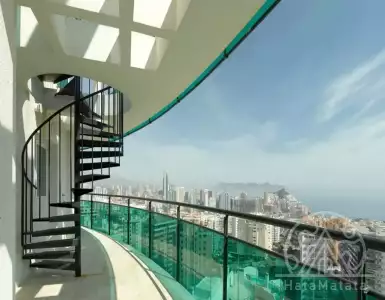
For sale Flat , Spain 212 831 $
📌 A few apartments for sale in Cala de Finestrat - a cozy place between Benidorm and Vieijahoyosa with a...
 !
!
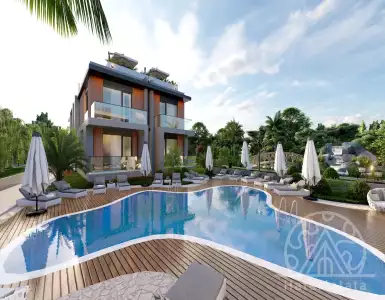
Flat for sale , Cyprus 127 442 $
The new residential complex is located in the foothills of Alsanjak. The complex consists of two two-storey buildings. Block A - 12...
For Sale Real Estate in Madeira
Flats in Funchal





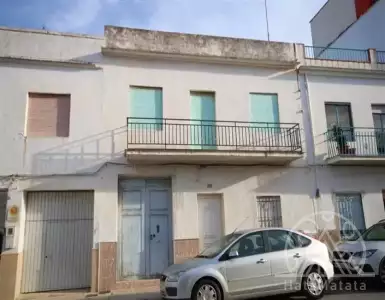
Houses in Funchal
Do you want to buy real estate in Madeira? We'll tell you where to start
Leave a request and we will select the 3 best options for your budget
International Real Estate Consultant
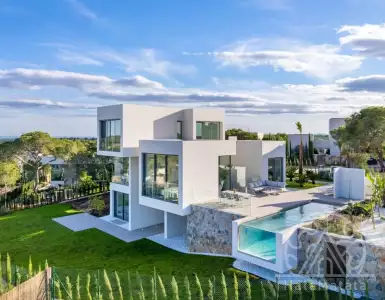
Houses in Madeira

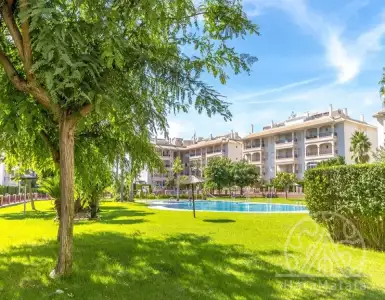
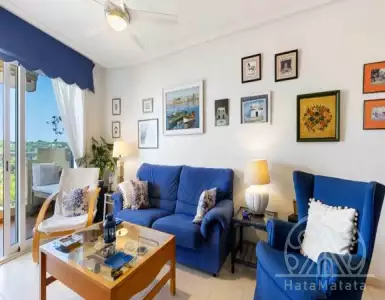
Flats in Madeira
Selection real estate in Madeira in 15 minutes
Leave a request and we will select the 3 best options for your budget
🇵🇹 Buy property in Madeira, Portugal: prices, neighborhoods, legal steps
Madeira blends dramatic volcanic landscapes, a mild Atlantic climate and compact urban centres into a property market that appeals to lifestyle buyers and international investors alike. The island’s capital, Funchal, acts as the financial and social hub while quieter parishes such as Calheta, Ponta do Sol and Santana offer different risk/return profiles for buyers. This guide explains practical details for anyone looking to buy property in Madeira — from geographic accessibility and infrastructure to prices, mortgage options, legal routes to residency and the types of real estate that suit different investor strategies.
💧 Geography, climate and accessibility in Madeira
Madeira sits in the North Atlantic, roughly 700 km west of Morocco and 1,000 km southwest of mainland Portugal, with the main island easily reached by air and sea. The region’s mild oceanic climate yields average annual temperatures between 16°C and 22°C, which sustains year-round tourism and a stable second‑home market.
Madeira’s main airport, Cristiano Ronaldo Madeira International Airport (FNC) in Santa Cruz, handles regular connections to Lisbon, Porto and major European cities and processes over 2 million passengers a year on average in normal seasons. Sea links include the Port of Funchal, used by cruise lines and regional ferries to Porto Santo.
Madeira’s transport network is strengthened by the VR1 motorway ring around the south coast, modern tunnels (e.g., Encumeada, São Vicente) and reliable intercity bus services. Accessibility supports short-term rentals, commuter patterns and seasonal residency models attractive to foreign buyers.
💼 Economy and investment potential in Madeira
Madeira’s economy is service-led with tourism as the engine of growth; the island receives about 1.5 million visitors annually, providing consistent rental demand and occupancy rates that support buy-to-let strategies. Tourism, hospitality and associated services represent a significant share of local employment and business activity.
Madeira’s GDP per capita and public investment levels are supported by autonomous regional governance that targets infrastructure, health and education upgrades; that stability is attractive for international investors seeking predictable regulatory environments. The region also benefits from a resilient domestic market — strong local demand for family homes in Funchal and commuter parishes such as Câmara de Lobos and Santa Cruz.
Madeira’s inbound interest comes mainly from the UK, Germany, France, Portugal and the Portuguese diaspora in Brazil and South Africa; this international demand keeps prices in prime areas firm and creates niches for serviced apartments and holiday villas.
💶 Property prices in Madeira
Funchal remains the price benchmark for the island while coastal towns and western parishes offer varied price bands. Prices vary by condition (new build versus secondary market), location and sea view.
- Funchal city centre apartments: €2,200–€4,500 per m² depending on renovation and proximity to the seafront.
- Seafront and luxury penthouses (Funchal Lido, São Martinho): €3,500–€6,000+ per m².
- Caniço and Santa Cruz (close to airport): €2,000–€3,200 per m² for modern apartments.
- Calheta, Ponta do Sol and Ribeira Brava (western coast): €1,800–€3,500 per m² for villas and new builds with sea views.
- Rural properties and inland houses (Santana, São Vicente): from €80,000 to €300,000 depending on land and refurbishment needs.
Typical transaction bands for buyers: - Studios and small apartments: €120,000–€220,000.
- Two-bedroom apartments: €220,000–€450,000.
- Villas and detached houses: €450,000–€2,500,000 depending on plot and luxury finish.
Market dynamics show steady demand for both new build property in Madeira and renovated secondary market property in central Funchal; occupancy trends favour short-stay rentals in high season and stable long-term lets out of season.
🎯 Best areas in Madeira to buy property
Funchal remains the primary choice for lifestyle buyers and investors who value services, healthcare and international connections. Key neighbourhoods include Lido, São Martinho, Centro Histórico and the Marina.
Calheta and Ponta do Sol attract buyers seeking villas, quieter living and high-quality beaches and marinas; these areas are popular for holiday rentals and luxury second homes. Caniço and Santa Cruz combine airport proximity and modern residential projects, appealing to families and frequent travellers.
For value and rural character, parishes like Santana, São Vicente and Porto Moniz provide lower entry prices and land for renovation projects; these locations suit buyers targeting longer-term capital appreciation and niche tourism experiences such as rural tourism or eco-lodges.
🏗️ Major developers and new build projects in Madeira
National and regional players are active in Madeira’s development scene, with hospitality groups and construction firms delivering mixed-use and resort projects. Pestana Group is a key operator on the island, running major hotels and branded residences, including the Pestana CR7 concept in Funchal.
Large Portuguese construction companies such as Mota‑Engil have historically completed infrastructure and civil works in the region, while several local developers focus on bespoke residential blocks and niche tourism properties around Calheta and Ponta do Sol.
Common product types from developers include:
- New build apartment blocks near Funchal with concierge and parking.
- Seafront luxury penthouses and duplexes in redeveloped marina zones.
- Villa complexes and gated communities in Calheta and Ponta do Sol with private pools and sea access.
🧾 Mortgages and installment plans for property in Madeira
Portuguese banks are accustomed to lending to non-resident buyers; foreign buyers can typically access mortgages in Portugal for foreigners with loan-to-value ratios between 60% and 70% for non-residents and up to 80% in some cases for EU nationals or strong borrowers.
Interest rates for mortgage products vary by lender and profile but commonly fall within 2–4% for fixed or variable regimes, with repayment terms up to 30 years. Down payment expectations are usually 20–40% of the purchase price for international buyers.
Developers and sellers on Madeira often offer flexible purchasing terms:
- Interest-free installment plans during construction for a portion of the purchase price.
- Staged payments tied to construction milestones for new build property in Madeira.
- Bridging loans and local bank financing to support renovations on secondary market properties.
🛠️ Property purchase process in Madeira
Buying property in Madeira follows clear legal steps that are familiar to international investors. The process typically starts with selection and reservation, including a preliminary deposit and reservation contract.
After reservation buyers sign a promissory purchase agreement (Contrato de Promessa de Compra e Venda) which specifies deposit, deadlines and penalties; conveyancing is completed at a notary and deeds are registered at the local Land Registry (Conservatória do Registo Predial).
Payments are normally made by bank transfer in euros; buyers should budget for additional costs:
- IMT (property transfer tax) variable by price bracket.
- Stamp duty (Imposto do Selo) and notary/registry fees.
- Legal fees and agent commissions typically negotiated up front.
International buyers often appoint a local lawyer or solicitor to check title, encumbrances and to perform tax and due diligence ahead of signature.
⚖️ Legal aspects, residence permits and citizenship in Madeira
Purchasing property in Madeira does not automatically grant a residence permit, but property investment can be part of qualifying routes for immigration such as the Golden Visa — subject to rules on eligible locations and minimum investment thresholds. Historically minimums included €500,000 for general property purchases and €350,000 for rehabilitation projects or properties in defined areas; eligibility criteria have evolved and depend on location and project type.
Alternative pathways to legal residency include the D7 (passive income) visa and standard work or family reunification permits; buyers should treat property as a supporting factor rather than a guaranteed immigration route. Citizenship by real estate investment is not automatic; Portuguese naturalisation requires residency, language integration and other conditions.
Buyers are advised to consult an immigration lawyer to confirm whether a specific property in Madeira qualifies for residence permit through property purchase in Madeira or residence permit by real estate investment in Madeira, and to understand timelines and documentation required for how to get a residence permit in Portugal through property.
📈 Investment advantages and buyer scenarios for real estate in Madeira
Madeira suits multiple buyer profiles: lifestyle movers, retirees seeking year-round mild climate, remote workers and international investors targeting tourism returns or capital growth. The island’s stable tourism inflow supports holiday rental income and short‑term occupancy spikes during seasonal peaks.
Scenarios and recommended property types:
- Living and relocation: Funchal (Centro Histórico, São Martinho) — central apartments with access to hospitals (Hospital Dr. Nélio Mendonça), supermarkets and services.
- Rental income (short-term): Seafront apartments and villas in Funchal, Calheta and Ponta do Sol; yields vary by location but prime holiday units show higher seasonal occupancy.
- Long-term investment: Renovated secondary market property in central Funchal or family homes in Câmara de Lobos provide steady rental demand.
- New build and premium segment: Branded residences and developer-backed projects by operators like Pestana in coastal zones; these suit buyers seeking hotel-like management and higher service levels.
- Second home / seasonal living: Caniço and Santa Cruz for airport proximity; Santana and São Vicente for countryside retreats and lower entry prices.
Madeira’s compact geography, improving infrastructure and consistent tourist demand make it practical for buyers seeking diversified strategies — from cash buyers wanting a second home to investors needing predictable rental yields and developers offering installment plans for new build property in Madeira. The purchase journey benefits from local professionals: real estate agents, solicitors, architects and banks familiar with cross-border transactions and Portuguese law.
Buying property in Madeira is best approached with clear objectives, a realistic budget and local advisers who can verify title, zoning and eligibility for immigration programs. If your plan combines lifestyle and return — for example a family apartment in Funchal with occasional holiday rentals, or a villa in Calheta intended for premium short-stays — Madeira offers a range of opportunities supported by infrastructure, established hotel operators and a steady flow of international visitors.
Frequently Asked Questions
Prices vary by location. Funchal apartments average about $2,500–$4,500/m². Island-wide averages are roughly $1,500–$3,000/m². Studios/1‑beds often start $120k–$200k; mid-range homes $200k–$500k; luxury villas frequently exceed $600k. Expect price premiums in central Funchal and coastal views.
Yes. Non‑residents can buy property in Madeira with the same ownership rights as locals. You’ll need a Portuguese tax number (NIF), ID, and usually a lawyer/notary. Certain rural or state lands may need extra permits. Title is registered at the land registry (Conservatória) to secure ownership.
Madeira has steady tourist demand; long‑term gross yields typically 3%–6%, short‑let yields 4%–9% depending on location and season. Funchal offers best liquidity. Risks: seasonality, local licensing, and market size. Budget for management and marketing for short lets to reach higher yields.
Madeira offers a mild climate, compact cities, and an international airport. Funchal has full hospital services and clinics; public Portuguese schools plus a few private options. Public buses cover main routes but a car helps for rural areas. Typical monthly costs: single $800–$1,500; family $2,200–$4,000 depending on lifestyle.
Yes—main towns have fiber (100–1,000 Mbps) and multiple coworking hubs. Internet in rural valleys can be slower. Long stays possible via Schengen/visa rules; many use Portugal’s D7 or other residency routes for extended stays. Coworking fees typically $100–$250/month.
Property can be part of residency routes but rules change. Historically the real‑estate Golden Visa had property thresholds (roughly USD 300k–540k depending on program and rehab/area). Other paths: D7 (income) and becoming a tax resident to access NHR benefits. Permanent residence/citizenship paths usually require ~5 years legal residence.
Closing costs commonly add 6%–10% of purchase price (transfer taxes, stamp duty, registration), plus legal/notary fees ~1%–2%. Annual property tax (IMI) is about 0.3%–0.8% of taxable value. Pitfalls: unclear titles, missing Alojamento Local license for short lets, not checking seismic/coastal restrictions.
Typical timeline: 6–12 weeks from signed reservation to completion for cash buyers. With mortgage it can extend to 8–16 weeks. You’ll need a NIF, bank account, proof of funds, ID, and an energy certificate. Surveys and local due diligence can add time.
Yes. Portuguese lenders offer mortgages to non‑residents. Typical LTV is 60%–80% for resident buyers, often lower for non‑residents. Terms usually 15–30 years; interest rates vary widely (roughly 2.5%–6.5% depending on profile and market). Lenders require income proof, credit checks and property valuation.
Short‑term rentals require registration as Alojamento Local and compliance with safety, insurance and tax reporting. Approval timelines vary (commonly 2–8 weeks) and unlicensed operation risks fines. Income from rentals must be declared; local tourist taxes may apply. Check local municipal rules before listing.
Property by cities
Properties by Region
- Real estate in Lisbon (910)
- Real estate in Porto (239)
- Real estate in Faro (150)
- Real estate in Algarve (123)
Properties by Country
- Real estate in Bulgaria (11408)
- Real estate in Montenegro (5367)
- Real estate in Indonesia (2423)
- Real estate in Spain (2289)
- Real estate in Portugal (1975)
- Real estate in Italy (1893)
- Real estate in Turkey (1699)
- Real estate in Cyprus (1588)
- Real estate in Thailand (1565)
- Real estate in Croatia (1431)
- Real estate in Greece (1080)
- Real estate in USA (1013)
- Real estate in France (1006)
- Real estate in Georgia (519)
- Real estate in Serbia (328)
- Real estate in Slovenia (123)
- Real estate in Egypt (23)
Free real estate consultation in Madeira
Don't know which area to choose in Madeira? We will tell you in which areas it is better to live or invest, and show you the appropriate options.

Maria Guven
Head of Direct Sales Department
+90-507-705-8082