


Real Estate in Porto

International Real Estate Consultant
Leave a request and our manager will contact you.
International Real Estate Consultant
Real Estate in Porto
International Real Estate Consultant
Leave a request and our manager will contact you.
International Real Estate Consultant
Selection real estate in Porto in 15 minutes
Leave a request and we will select the 3 best options for your budget
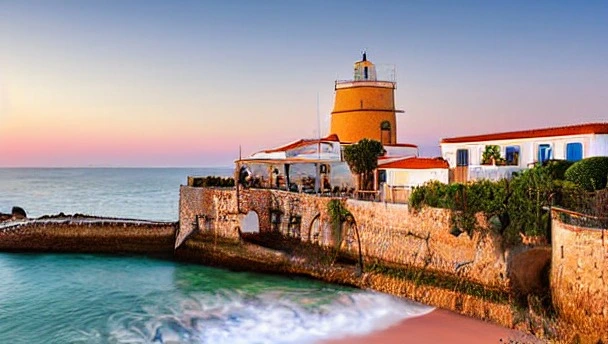
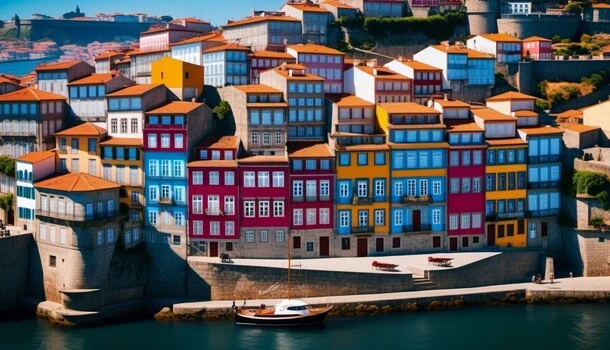

Weather in Porto
 !
!
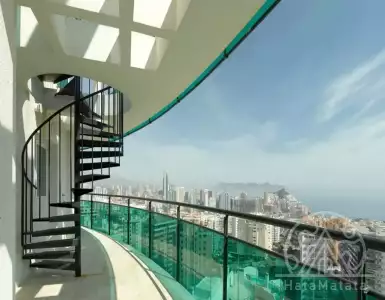
For sale Flat, Spain 211 393 $
📌 A few apartments for sale in Cala de Finestrat - a cozy place between Benidorm and Vieijahoyosa with a...
 !
!
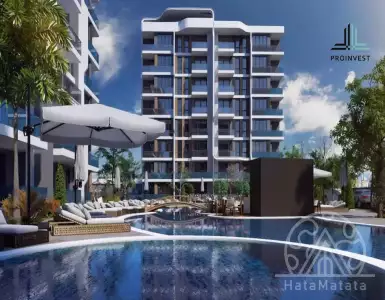
Buy flat, Turkey 167 256 $
ID AN 24382 Main Features: Location:Antalya District:Altintaş Type of property: Housing under construction Number of rooms: 1+1, 2+1
For Sale Real Estate in Porto
Flats in Gondomar

Duplexes in Porto

Do you want to buy real estate in Porto? We'll tell you where to start
Leave a request and we will select the 3 best options for your budget
International Real Estate Consultant
Houses in Porto

Buildings in Porto
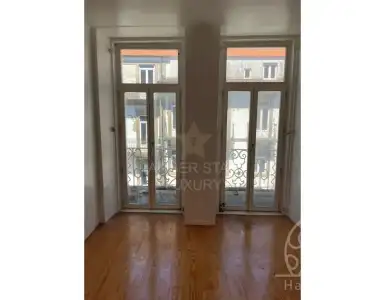
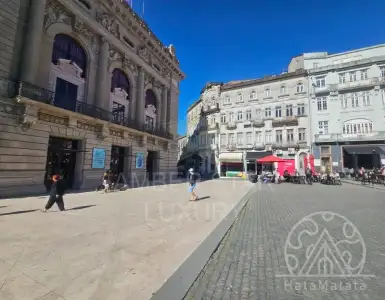

Shops in Porto

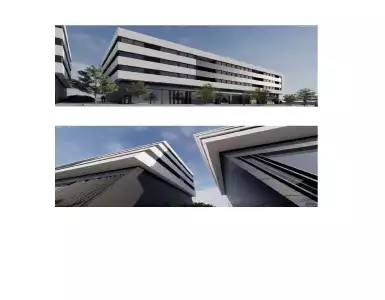
Villas in Porto
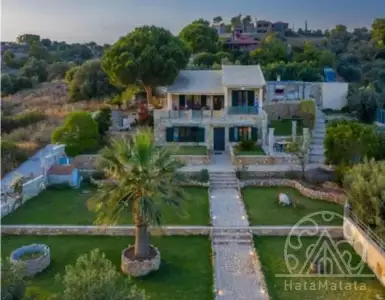
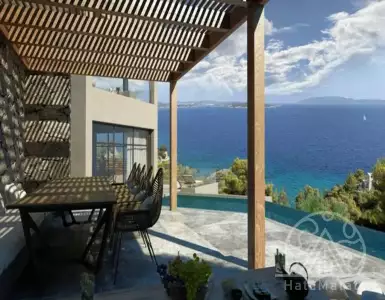
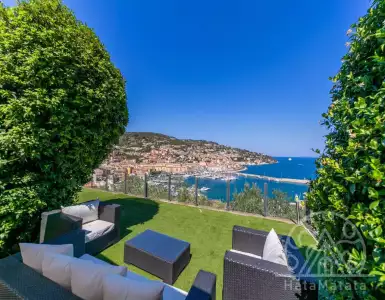
Flats in Vila Nova de Gaia

 2
2
 3
3
 106
106
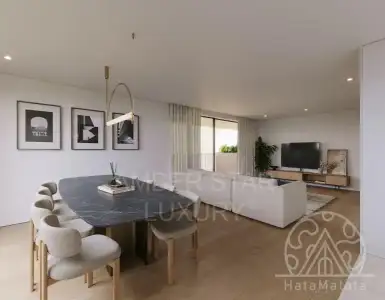 3
3
130
3
3
130
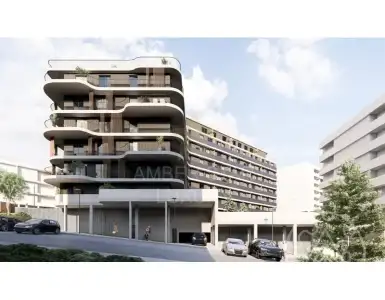 2
2
70
2
2
70
Flats in Matosignus
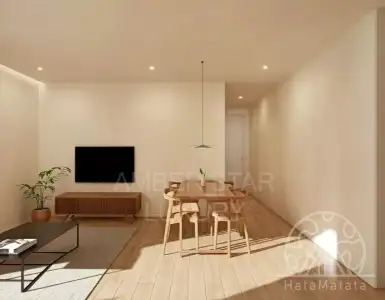 1
0
1
0
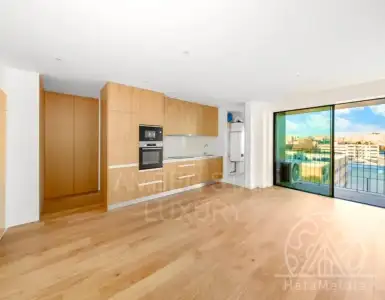 2
2
80
2
2
80
 4
4
166
4
4
166
Houses in Vila Nova de Gaia
 6
10
775
6
10
775
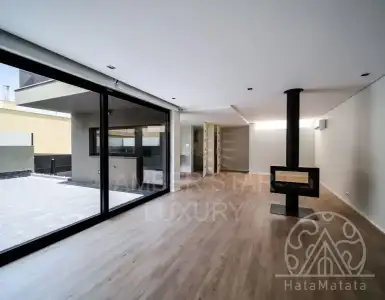 3
4
159
3
4
159
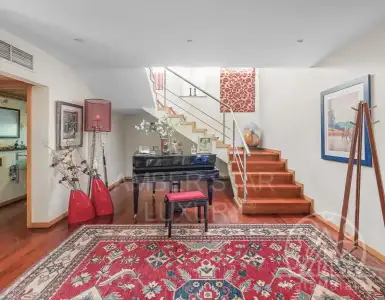 5
4
264
5
4
264
Flats in Porto

Selection real estate in Porto in 15 minutes
Leave a request and we will select the 3 best options for your budget
🇵🇹 Real estate in Porto, Portugal: listings, average prices and neighborhood data
Porto is a compact, livable city on the Douro estuary with a clear profile for both lifestyle buyers and international investors. The municipality counts about 237,000 residents while the metropolitan area reaches around 1.7 million people, the second-largest urban agglomeration in Portugal. The city’s historic centre is a UNESCO World Heritage area and the riverside (Ribeira and Gaia) drives strong tourist demand, while the university, hospital network and growing tech scene produce steady local rental needs and long-term capital growth for property in Porto.
🚆 Geography, transport and infrastructure in Porto
Porto sits on the north-west coast of Portugal with the Douro River slicing through the city and a coastline that includes Foz do Douro and Matosinhos beaches, making it attractive for year‑round living and holiday use. The city is served by Francisco Sá Carneiro Airport (OPO) located approximately 11 km north of the historic centre and handling over 12 million passengers annually, providing excellent international connectivity for buyers and holidaymakers.
Public transport includes the Porto Metro (lines A–E plus light rail), the national rail network via São Bento and Campanhã stations with Alfa Pendular and Intercidades services to Lisbon and Braga, and major motorways A1 (Lisbon), A28 (north coast) and A3 (toward Spain). Commuting times within the metro rarely exceed 40–50 minutes from most suburban nodes.
Porto’s infrastructure mix supports families and professionals: University of Porto with roughly 30,000 students, Porto Business School, Polytechnic Institute of Porto, and major hospitals such as Centro Hospitalar Universitário de São João and Hospital de Santo António. Cultural and lifestyle anchors include Casa da Música (Boavista), Serralves Museum (Paranhos/Aldoar), Matosinhos fish market and the Leixões Port and Cruise Terminal in Matosinhos for maritime connections.
💶 Economy and real estate investment potential in Porto
Porto’s economy blends industry, services, tourism and a growing technology cluster that attracts talent and rental demand. The Porto metropolitan area accounts for a significant share of Portugal’s exports and industrial activity and hosts a rising number of scaleups and tech operations — companies such as Farfetch, Talkdesk and Bosch have established relevant operations or talent pools here.
Tourism drives short‑term rental demand strongly: the historic centre and riverside routinely record high occupancy rates and steady visitor flows from European markets and Brazil; this underpins returns for central property for sale in Porto. Airport throughput and cruise calls at Leixões also support seasonal demand patterns and hospitality conversion projects.
Institutional interest in northern Portugal has grown, with national and international funds active in residential and office markets; this improves liquidity for sellers and supports redevelopment and new build supply in prime neighbourhoods.
💶 Property prices and market dynamics in Porto
Prices in Porto vary substantially by neighbourhood, building condition and new‑build vs secondary market. New build property in Porto typically commands a premium over older stock; secondary market property in Porto offers value in many inner suburbs. Current market ranges are:
- Prime historic centre (Ribeira, Baixa, Miragaia): €4,000–€6,500 / m² for renovated or new units.
- Foz do Douro (seafront): €5,000–€8,000 / m² for apartments and family homes.
- Boavista, Cedofeita, Santo Ildefonso: €3,000–€5,000 / m² for centrally located apartments.
- Vila Nova de Gaia riverside: €3,000–€5,000 / m² for river view flats and conversions.
- Campanhã, Paranhos, peripheral boroughs: €1,500–€2,800 / m² for secondary market stock and new developments further from the centre.
Market dynamics show ongoing demand from local buyers and from international buyers from the UK, France, Brazil, Angola and other markets. Gross rental yields in Porto typically sit around 3–5% for long-term rentals in central areas, with short‑term/Airbnb yields of 4–7% gross possible in top locations, depending on occupancy and management. Transaction volumes and prices reflect a competitive new‑build market in Boavista and Gaia, and a steady stream of conversion projects in Baixa and Cedofeita.
🎯 Best areas and key districts in Porto to buy property
Ribeira and Baixa are the heart of tourism and short‑stay demand, ideal for investors targeting visitor accommodation and holiday lets. Boavista is Porto’s business corridor and cultural district — favorable for professionals and longer-term rentals close to office stock and Casa da Música.
Foz do Douro and Aldoar offer premium family homes and seafront living for relocation buyers seeking beaches and international schools within the city. Vila Nova de Gaia (riverside) provides strong riverfront product with a slightly lower price per square metre than Porto riverside but high tourist footfall. Matosinhos, close to the airport and beaches, is attractive for second homes and families seeking space.
Neighbourhood snapshot:
- Ribeira / Baixa — tourism, short lets, heritage conversions.
- Boavista — offices, culture, new build apartments.
- Foz do Douro — premium seafront residences.
- Cedofeita / Cedofeita-Lorse — creative hub, good for young professionals.
- Campanhã / Paranhos — value options and new infrastructure-led projects.
- Vila Nova de Gaia — riverfront apartments, wine lodges and tourist-facing hospitality.
🏗️ Major developers, institutional players and projects in Porto
Large Portuguese construction and development groups are active in Porto and northern Portugal, supporting both new build and urban regeneration projects. Notable names operating in the market include Mota‑Engil, Grupo Casais and the Sonae group through its real estate arms; these firms have capacity for complex residential, commercial and mixed‑use schemes.
Institutional investors and private equity firms have deployed capital in Portuguese real estate portfolios; funds from Europe and beyond have participated in office and residential acquisitions in Porto, supporting liquidity and the development pipeline. Local developers and specialised conversion teams drive boutique projects in the historic centre and Vila Nova de Gaia riverfront.
Typical project types to watch: riverside rehabilitations in Ribeira and Gaia, new build apartment blocks in Boavista and Bonfim, and low‑rise family developments near Foz do Douro and Matosinhos. Developers frequently offer staged payment plans for off‑plan units, and many conversions prioritise high‑quality finishes to capture tourist and premium rental rates.
🏦 Mortgages, financing and installment plans for property in Porto
Portuguese banks offer mortgage financing to residents and non‑residents; general benchmarks are loan‑to‑value (LTV) up to 70–80% for residents and 60–70% for non‑resident buyers, depending on income, asset profile and bank policy. Typical mortgage terms extend up to 30–40 years for qualifying applicants, and lenders price mortgages on either fixed or variable bases; fixed rates commonly range from around 2% to 3.5% for competitive borrowers, while variable options are Euribor plus a margin.
Down payment expectations are usually 20–30% of the purchase price when purchasing property in Porto, with higher buffers for non‑standard situations. Major Portuguese lenders active in the market include Caixa Geral de Depósitos, Millennium BCP and Santander Totta, alongside international banks.
Developers often offer interest‑free installment plans for new build property in Porto during construction and completion phases, which can reduce initial cash needs. Buyers should secure mortgage pre‑approval and compare bank offers and developer financing terms to optimise cash flow and tax planning.
📝 Step‑by‑step purchase process and legal steps for buying property in Porto
Obtain a Portuguese tax identification number (NIF) and open a local bank account as early steps in the purchase process. Engage a qualified Portuguese lawyer to perform due diligence on the property, confirm the land registry status (Conservatória do Registo Predial) and check for debts or encumbrances.
Reservation and promissory stages typically involve a deposit and a Contrato de Promessa de Compra e Venda (CPCV) which secures the transaction under agreed terms; deposits normally range from 5% to 30% depending on the developer and negotiation. The final transfer occurs at a public deed signed before a notary and registered at the Land Registry; payment is usually by bank transfer or banker’s draft in Euros.
Buyers should budget for additional purchase costs: legal fees, notary and registration fees, real estate agent commissions where applicable, and taxes. Transfer taxes and charges (IMT and Imposto do Selo) and transactional costs commonly add approximately 6–10% to the purchase price depending on property type and buyer residency status.
⚖️ Legal aspects, residence permits and citizenship options related to property in Porto
Property ownership in Portugal is open to foreign buyers with generally the same acquisition rights as residents, subject to specific national security restrictions in certain border zones. Portugal has several immigration pathways; some investors previously relied on investment residency schemes tied to property, but residency rules and eligible investment routes evolve and may impose restrictions on property‑based schemes in mainland Portugal.
Standard pathways to legal residency remain work visas, D7 passive income visas, family reunification and other immigration routes; those seeking residence permit through property purchase in Porto should consult immigration counsel to confirm eligibility, as direct routes via property can be subject to regulatory change. Portugal’s naturalisation route requires a period of legal residence and knowledge of the Portuguese language at a basic level; many buyers who obtain long‑term residency eventually qualify for citizenship through naturalisation after fulfilling residence and legal requirements.
For tax planning, the Non‑Habitual Resident (NHR) regime remains a widely used option for certain new residents, offering specific tax benefits for a defined period; a tax advisor should confirm eligibility and interaction with property income or capital gains.
🎯 Which buyer scenarios suit Porto and which property types to choose
Buyers seeking a primary residence benefit from central neighbourhoods like Boavista, Cedofeita and Foz do Douro for schools, hospitals and lifestyle; families often prefer Foz or Aldoar for larger homes and green space. Buyers focused on rental income have two clear strategies: long‑term rentals for students and professionals near University of Porto and business hubs (yield 3–5%), or short‑term holiday lets in Ribeira, Baixa and Gaia that rely on tourism and can achieve higher gross yields but require active management.
Investors aiming for capital growth should prioritise renovated historic buildings in Baixa and riverfront schemes in Gaia and Porto central, or new builds in Boavista and up‑and‑coming areas like Bonfim where regeneration is ongoing. Remote workers and second‑home buyers often favor compact renovated flats in Cedofeita or riverside apartments for walkable access to amenities.
Practical buyer scenarios and matchups:
- Long‑term rental yield focus: Campanhã, Paranhos, student catchment near University of Porto.
- Short‑term / holiday rental focus: Ribeira, Baixa, Vila Nova de Gaia riverside.
- Premium family living: Foz do Douro, Aldoar, Matosinhos beachfront.
- Value play / capital appreciation: Bonfim, Campanhã regeneration corridors, conversions in Cedofeita.
Porto offers a clear, practical market for a wide spectrum of buyers — from families seeking quality of life near beaches and parks, to investors chasing rental income or capital growth in a compact European city with solid connectivity and a diversified economy. If you want specific neighbourhood comparisons, sample listings by budget band, or a checklist for mortgage pre‑approval and lawyer referrals in Porto, I can prepare tailored materials to guide your next step.
Frequently Asked Questions
How much do properties cost in Porto?
Central Porto residential prices: ~$3,200–$6,400/m² (€3,000–€6,000/m²). Citywide average: ~$2,200–$3,200/m² (€2,000–€3,000/m²). Typical 1–2 bed central apartment: $200,000–$450,000; suburban units: $120,000–$250,000. Waterfront, historic or fully renovated properties command premiums above these ranges.
Can foreigners buy property in Porto?
Yes—there are no general nationality restrictions. Buyers must obtain a Portuguese tax number (NIF), present ID/passport, and typically use a notary/lawyer. Some military or protected coastal land is restricted. Foreign payments usually require a Portuguese bank account for closing and tax registration.
Is Porto good for real estate investment?
Porto shows steady tourist, student and local rental demand. Typical gross long‑term yields: ~3–6%; short‑term (tourist) gross yields: ~4–8% but with higher management and vacancy risk. Liquidity is strongest in historic centre and riverside areas; expect faster resale in prime neighbourhoods.
What taxes and costs when buying in Porto?
Buyers face IMT (transfer tax) progressive up to ~8% of price, stamp duty 0.8%, plus notary/registration and legal fees ~1–2%. Annual IMI property tax is ~0.3–0.8% of value. Non‑residents pay ~28% on capital gains. Typical closing costs range ~2–11% of purchase price (e.g. on a $300,000 buy IMT could be up to ~$24,000; stamp duty ~$2,400).
Is Porto good for families relocating there?
Yes—Porto has public and private hospitals, international and local schools, good public transport (metro, trains, buses) and an airport ~20–30 minutes away. Day‑to‑day living costs are usually lower than larger Western cities; a family’s basic monthly budget often falls between $1,500–$3,000 depending on lifestyle and schooling choices.
Can digital nomads live and work in Porto?
Porto offers widespread fiber with typical broadband speeds often 100–300 Mbps in urban areas. The compact city, cafés and coworking spaces suit remote work. Tourist stay allows 90 days; longer options include a digital nomad visa or other residence permits. Typical monthly single‑person costs: $800–$1,800.
Are Golden Visa or residency options available in Porto?
Portugal has residence routes, but property purchases in Porto generally no longer qualify for the Golden Visa program for urban real‑estate investments. Alternatives include D7 (passive income), D2 (entrepreneur) or investments in qualifying low‑density regions. Citizenship is possible after about five years of legal residence with language requirements.
How long does it take to buy property in Porto?
Common timeline: reservation/promise contract with a deposit (often 10–30%), due diligence, then final deed 30–90 days after. Registration and tax formalities add a few weeks. Expect 1–4 months from offer to keys; mortgages, legal checks or renovations can extend this.
Can I get a mortgage in Porto as a foreigner?
Yes—banks lend to foreigners. Typical non‑resident LTV is 60–70%; residents may reach 70–80%. Interest rates vary by product—roughly 2.5–5% depending on fixed/variable and term. Terms can reach up to 30 years. Lenders require NIF, proof of income, bank statements and a valuation; arrangement fees often 1–2%.
Are short-term rentals allowed in Porto?
Short‑term rentals require Alojamento Local (AL) registration with the municipality; local zoning and area rules vary and some zones limit licences. Operating without registration risks fines. Tourist taxes apply per guest/night and accounting/VAT rules depend on income thresholds. Check condo rules and municipal limits before buying for short‑term letting.
Property by cities
- Real estate in Porto (217)
Real estate types in Porto
- Flats in Porto (287)
- Houses in Porto (35)
- Villas in Porto (25)
- Shops in Porto (14)
- Hotels in Porto (1)
- Lands in Porto (1)
Real estate types by cities of Porto
- Flats in Porto (146)
- Houses in Porto (23)
- Villas in Porto (21)
- Flats in Matosignus (16)
- Flats in Gondomar (15)
- Shops in Porto (14)
- Hotels in Porto (1)
- Lands in Porto (1)
Properties by Region
- Real estate in Lisbon (743)
- Real estate in Porto (374)
- Real estate in Faro (226)
- Real estate in Algarve (142)
- Real estate in Braga (12)
Properties by Country
- Real estate in Bulgaria (11446)
- Real estate in Montenegro (5337)
- Real estate in Spain (5197)
- Real estate in Indonesia (2424)
- Real estate in Turkey (2317)
- Real estate in Portugal (2037)
- Real estate in Croatia (1682)
- Real estate in Cyprus (1647)
- Real estate in Italy (1579)
- Real estate in Thailand (1565)
- Real estate in Greece (1120)
- Real estate in France (1070)
- Real estate in USA (732)
- Real estate in Georgia (507)
- Real estate in Serbia (246)
- Real estate in Slovenia (125)
- Real estate in Egypt (20)
Free real estate consultation in Porto
Don't know which area to choose in Porto? We will tell you in which areas it is better to live or invest, and show you the appropriate options.

Maria Guven
Head of Direct Sales Department
+90-507-705-8082