


Real Estate in Central Serbia

International Real Estate Consultant
Leave a request and our manager will contact you.
International Real Estate Consultant
 Valeriy Tarenko, International Real Estate Investment Expert
Updated:
Valeriy Tarenko, International Real Estate Investment Expert
Updated:
Real Estate in Central Serbia
International Real Estate Consultant
Leave a request and our manager will contact you.
International Real Estate Consultant
Selection real estate in Central Serbia in 15 minutes
Leave a request and we will select the 3 best options for your budget
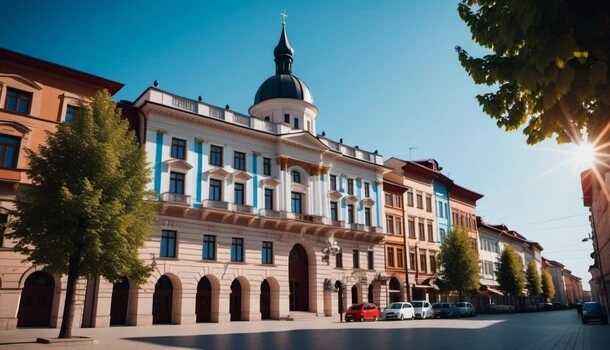
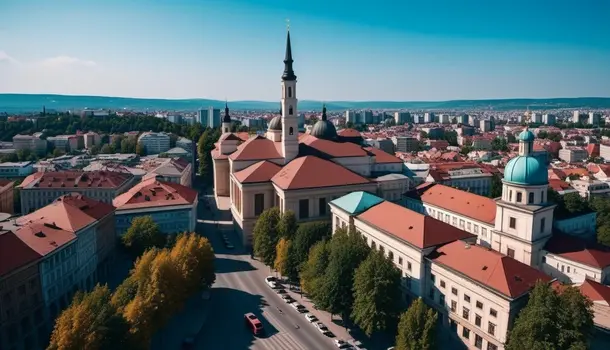
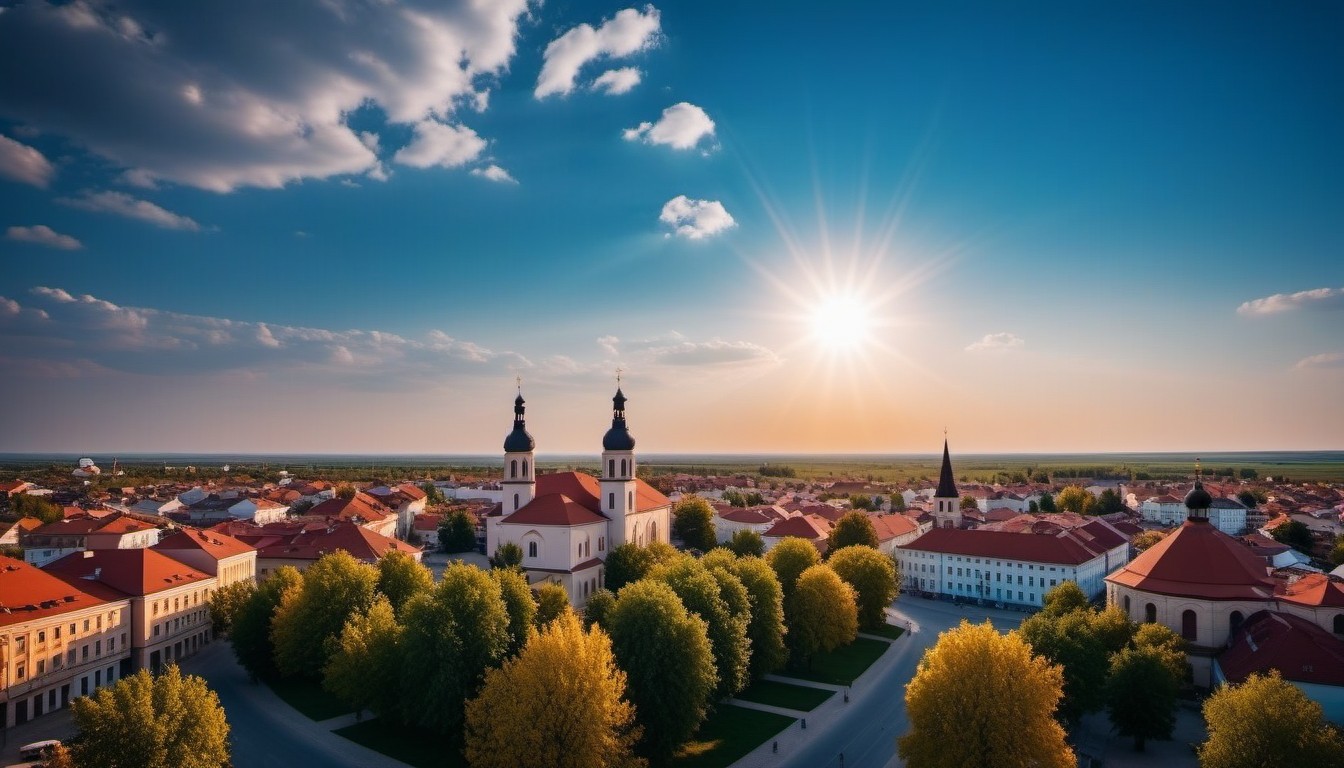
Weather in Central Serbia
 !
!
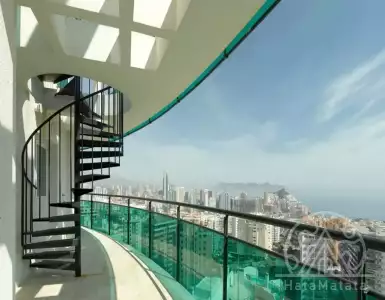
For sale Flat, Spain 203 985 $
📌 A few apartments for sale in Cala de Finestrat - a cozy place between Benidorm and Vieijahoyosa with a...
 !
!
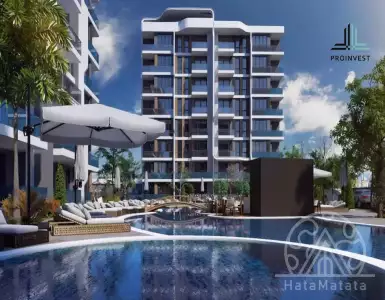
Buy flat, Turkey 161 395 $
ID AN 24382 Main Features: Location:Antalya District:Altintaş Type of property: Housing under construction Number of rooms: 1+1, 2+1
For Sale Real Estate in Central Serbia




Selection real estate in Central Serbia in 15 minutes
Leave a request and we will select the 3 best options for your budget
 Legal review:
Deni Gerikhanov, International Real Estate Lawyer
Legal review:
Deni Gerikhanov, International Real Estate Lawyer
 Financial review:
Evgeniya Skripko, Financial Expert in International Real Estate
Reviewed:
Financial review:
Evgeniya Skripko, Financial Expert in International Real Estate
Reviewed:
🇷🇸 Buying real estate in Central Serbia: apartments, houses, land, prices, legal info
Central Serbia covers a varied market that sits between capital-driven demand and rural opportunity, offering prices and yields that are often more attractive than coastal or metropolitan alternatives. For private buyers and international investors alike, property in Central Serbia means access to established transport corridors, universities, medical centres and industrial hubs while still getting square metre prices that are significantly lower than many Western European markets. This text maps geography, economy, prices, legal steps and real-life buyer scenarios so you can evaluate real estate in Central Serbia with confidence.
💠 Geography, transport and lifestyle infrastructure in Central Serbia
Central Serbia sits between Belgrade and the mountain ranges to the southwest, with the main urban centres including Belgrade (as the hub), Kragujevac, Čačak, Kraljevo, Jagodina, Paraćin and Užice. Distances are practical: most regional centres are within a 2–3 hour drive from Belgrade, making commuting and logistics straightforward for residents and businesses.
Central Serbia benefits from major corridors: the E-75/A1 corridor links Belgrade with southern Serbia and the Balkans, while the developing Morava Corridor (new motorway project) improves east–west connectivity and shortens freight times between central and southern regions. Rail links and regional airports (Belgrade Nikola Tesla Airport as the main international gateway) support export-oriented industry and tourism flows.
Central Serbia’s lifestyle infrastructure includes University of Kragujevac (over 30,000 students in the region’s institutions when combined), medical centres such as the Clinical Centre Kragujevac and strong primary health networks in Čačak and Kraljevo, plus secondary schools, vocational colleges and emerging co-working spaces aimed at remote workers and small tech firms.
💶 Property prices in Central Serbia and market dynamics
Central Serbia offers clear segmentation between new build property in Central Serbia and the secondary market property in Central Serbia, with price gaps that create investor opportunities. New-build apartments in regional cities commonly sell between 700 and 1,500 EUR/m², while secondary-market property often trades 10–30% lower depending on condition and location.
Price examples by city and type (typical ranges in EUR per m²):
- Belgrade (hub, relevant for comparison): 2,000–3,500 EUR/m² for new builds in central districts.
- Kragujevac (Šumadija): 800–1,200 EUR/m² new build, 600–900 EUR/m² secondary.
- Čačak (Moravica): 700–1,000 EUR/m² new build, 500–800 EUR/m² secondary.
- Kraljevo and smaller towns: 500–900 EUR/m² new, apartments and houses frequently available under 100,000 EUR.
- Zlatibor / mountain resort nodes: 1,200–2,000 EUR/m² for holiday condos and chalets.
Market dynamics show steady domestic demand for three- and two-bedroom apartments near universities and industrial zones, while tourism nodes record seasonal spikes. Typical gross rental yields range from 4–8% across the region, with student and holiday rentals often pushing toward the upper end.
🎯 Best areas in Central Serbia to buy property
Kragujevac and the Šumadija area are top choices for families and long-term residents because of schooling, healthcare and a diversified local economy led by light manufacturing and public administration. Key neighbourhoods in Kragujevac are Stari Grad, Stanovo and Aerodrom, where you find both new apartment blocks and renovated older buildings close to schools and the Clinical Centre.
Čačak is attractive for investors targeting rental income and commuters; neighbourhoods like Centar, Zablaće and Interex area are popular among professionals working in manufacturing and logistics. Accessibility to the E-763 corridor positions Čačak for steady demand from domestic tenants.
Zlatibor and the wider Western Serbia mountain belts suit short-term rental and vacation-based investment, with properties near Tornik, Zlatibor town centre and Mokra Gora delivering the strongest seasonal occupancy. Rural villages around Paraćin and Jagodina attract buyers seeking lower prices and land plots for renovation or agricultural projects.
🏢 Key districts, zones and urban projects in Central Serbia
Municipal districts and urban zones map closely to opportunity. In Kragujevac the industrial zone at Radnički and the former Zastava complex remain economic anchors, while new residential blocks appear along Bulevar Kralja Aleksandra and near university faculties. Čačak’s industrial and logistics areas near the highway favor demand for rental apartments for workers and managers.
Infrastructure projects give direction to development: the Morava Corridor and upgrades to the E-75/E-763 corridors reduce travel times and increase land values near interchanges; local municipal investments in sewerage and public lighting often precede new residential projects.
Urban regeneration is visible in smaller towns too: Jagodina’s central zone has seen civic upgrades and private development, and Paraćin benefits from rail and highway proximity that support light industry and make affordable housing attractive for commuters.
🏗️ Major developers and projects affecting Central Serbia
National-level developers and construction companies influence supply and standards across Central Serbia. Delta Holding / Delta Real Estate has shaped larger residential and commercial standards in the country (primarily in Belgrade but with spillover effects), while Energoprojekt and other Serbian engineering firms deliver infrastructure and public sector projects that raise the local build quality bar.
Large industrial investors such as Stellantis (automotive manufacturing in the Kragujevac area historically) anchor local employment and therefore housing demand, while regional developers and licensed contractors handle smaller apartment buildings and family houses across towns like Čačak and Kraljevo.
Municipal projects — road upgrades, school expansions and hospital modernisations — often precede private residential development; watching public tenders and municipal plans in Šumadija, Moravica and Raška districts can reveal value-accretion pockets before they appear in price indices.
🧾 Mortgages and installment plans for property in Central Serbia
Major commercial banks operating in Serbia offer mortgage products accessible to foreigners with documentation: Banca Intesa, UniCredit Bank, Raiffeisen Bank, Erste Bank and Komercijalna Banka are active lenders with foreign client desks. Typical conditions for mortgages in Serbia for foreigners include down payments of 20–40% depending on residency status and LTV limits.
Interest rates and terms vary with currency and borrower profile; as a practical range, buyers can expect mortgage interest rates roughly between 3% and 7% annually for EUR-indexed loans depending on fixed or variable structure and bank policies. Loan tenors commonly extend up to 20–30 years for owner-occupiers.
Developers frequently offer interest-free installment plans for new build property in Central Serbia — common terms are 12–36 months interest-free with staged payments tied to construction milestones, an effective bridge for buyers securing mortgages later or leveraging local financing options.
📑 Property purchase process in Central Serbia step-by-step
Selecting a property typically starts with viewing, reservation and signing a preliminary agreement accompanied by a deposit (often 5–10% of the purchase price). Buyers then complete due diligence including title search at the Republic Geodetic Authority (cadastre) and verification of building permits and utility status.
The definitive purchase contract is executed before a public notary and must be registered in the cadastre to transfer ownership; expect closing costs to include notary fees, cadastre registration and local taxes. Buyers should budget for transactional costs that commonly add 1–3% of the purchase price in fees and registration expenses on top of transfer taxes or VAT where applicable.
Payment methods are typically bank transfer in euros or local currency, with escrow arrangements often used for off-plan purchases. Foreign buyers should secure a local tax identification number and consider hiring a local lawyer to handle contract language, translation and funds flow to ensure compliance with Serbian regulations and the purchase process.
🔐 Legal aspects, residence permits and citizenship through property in Central Serbia
Purchasing property in Central Serbia does not automatically grant a residence permit or citizenship; ownership alone is not a direct route to nationality. Foreign nationals can apply for temporary residence if they can show valid housing (ownership or long-term lease), sufficient means, and health insurance — local police and immigration offices handle such applications under Serbian law.
Longer-term residence and citizenship require meeting residency duration, language and integration conditions; Serbia does not operate a formal straightforward "citizenship by real estate investment" program. For buyers interested in residence permit through property purchase in Central Serbia, it is important to combine property ownership with documented financial means, local ties and proper application through consular or immigration procedures.
Legal diligence is essential: verify that properties are free of encumbrances, that building permits are valid, and that sellers have clear title. Engaging licensed notaries, registered lawyers and licensed real estate agents will protect your transaction and speed the registration and any subsequent residence permit applications tied to ownership or business activity.
📈 Investment advantages and buyer scenarios for real estate in Central Serbia
Central Serbia suits a range of buyer profiles because of its cost base, infrastructure and demographic trends. For families seeking long-term residence, cities such as Kragujevac and Čačak provide schooling, healthcare and larger apartments from 60–120 m² at prices often under 120,000 EUR for family units.
For rental income and yield-focused investors, student housing near the University of Kragujevac and flats in Čačak near industrial zones can produce gross yields of 5–8%, while short-term holiday rentals in Zlatibor and nearby mountain villages deliver seasonal peaks and higher nightly rates.
For relocation, remote work or second-home buyers, smaller towns and resort areas offer lower running costs and lifestyle benefits: typical scenarios include:
- Living and relocation: 2–3 bedroom apartments in Kragujevac or Kraljevo, 70–120 m².
- Rental income: studio and one-bedroom units near universities, yield 5–8%.
- Short-term investment: chalets and condos in Zlatibor with strong seasonal occupancy.
- Long-term capital growth: land plots near new highway interchanges and brownfield redevelopment zones tied to the Morava Corridor.
Central Serbia combines accessible pricing, improving infrastructure and a mix of urban and rural property types that match a wide range of buyer goals. Whether you search for new build property in Central Serbia with an installment plan, intend to use a mortgage in Serbia for foreigners, or pursue rental income, the region’s transport links, universities and ongoing infrastructure projects create predictable demand flows and practical management for international buyers. If you want a tailored market scan — price comparables, neighbourhood-level yields or an introduction to local legal advisors and banks — that can be arranged to match the exact city and property type you have in mind.
Frequently Asked Questions
What are property prices in Central Serbia?
Apartment prices vary: major regional cities (Niš, Kragujevac) typically $800–1,500/m²; smaller towns $400–800/m². Detached houses in towns often sell for $20,000–120,000; rural houses much cheaper. New-builds can carry a 10–30% premium. (Local: ~100–110 RSD/USD).
Can foreigners buy real estate in Central Serbia?
Yes—foreigners can buy urban residential and commercial property with standard paperwork. Agricultural land purchases are restricted or require reciprocity/permission. All buyers must check title at the land registry and complete notarised sale contracts.
What rental yields and investment potential exist in Central Serbia?
Long-term gross yields in regional cities are typically 4–7%. Short-term / tourist rentals can reach 6–10% seasonally. Liquidity is lower than capital markets—expect 3–12 months to sell depending on location and price. Demand is steady around universities, hospitals and factories.
Is Central Serbia good for families relocating?
Yes. Major towns offer public primary/secondary schools, regional hospitals, shopping and reliable bus/rail links. Monthly living costs for a family (excl. mortgage) often $800–1,500. Larger towns have better childcare and international-school options than villages.
Is Central Serbia suitable for digital nomads or remote workers?
Yes—city areas have reliable broadband (often 50–150 Mbps) and good 4G mobile coverage; 5G limited. One-bedroom rents in cities commonly $200–500/month. Coworking is available in larger towns. Tourist/visa stays vary by nationality (often 90 days visa-free).
Does buying property in Central Serbia give residency or citizenship?
No—property ownership alone does not automatically grant residency or citizenship. Temporary residence is usually obtained via work, business registration or family reunification; citizenship requires several years of legal residence (commonly 3–5 years) and formal application. There is no standard golden-visa-for-property program.
What taxes and fees apply when buying property in Central Serbia?
Typical costs: property transfer tax ~2.5% (on resale), VAT 10% on new builds, agent fees 2–3%, notary/registration and cadastral costs ~0.5–1.5%. Capital gains tax may apply (commonly around 15% on profit). Always budget 4–6% extra for closing costs and checks.
How long does a property purchase take in Central Serbia?
From offer to keys typically 30–90 days. Due diligence/title checks 7–21 days; drafting and notarising contract 1–2 weeks; payment, tax submission and land register transfer another 1–4 weeks. Complex cases (inheritance, unresolved titles) can take months.
Can I get a mortgage as a foreign buyer in Central Serbia?
Yes, but terms are stricter. Banks may lend to foreigners with proof of income; common down payments are 20–40%. Loan terms up to 20–30 years are possible. Interest rates and currency (EUR or RSD) vary—expect negotiation and additional collateral requirements.
How much should I budget to renovate a house in Central Serbia?
Basic cosmetic work: about $150–300/m². Full interior and systems renovation: $300–700/m² depending on finish level. Structural repairs or additions increase costs. Typical timelines: a few weeks for small jobs, 2–6 months for full renovations.
Property by cities
Real estate types in Central Serbia
Real estate types by cities of Central Serbia
- Flats in Nish (8)
- Houses in Nish (1)
Properties by Region
Properties by Country
- Real estate in Bulgaria (11423)
- Real estate in Montenegro (5420)
- Real estate in Spain (5202)
- Real estate in Turkey (2798)
- Real estate in Indonesia (2424)
- Real estate in Portugal (2037)
- Real estate in Croatia (1694)
- Real estate in Cyprus (1620)
- Real estate in Italy (1576)
- Real estate in Thailand (1565)
- Real estate in Greece (1120)
- Real estate in France (1070)
- Real estate in USA (732)
- Real estate in Georgia (507)
- Real estate in Serbia (251)
- Real estate in Slovenia (125)
- Real estate in Egypt (20)
Free real estate consultation in Central Serbia
Don't know which area to choose in Central Serbia? We will tell you in which areas it is better to live or invest, and show you the appropriate options.

Maria Guven
Head of Direct Sales Department
+90-507-705-8082