


House in Central Serbia
Do you want to buy house in Central Serbia? We'll tell you where to start

Liliya
International Real Estate Consultant
Need help choosing a property?
Leave a request and our manager will contact you.
International Real Estate Consultant
House in Central Serbia
Do you want to buy house in Central Serbia? We'll tell you where to start
Liliya
International Real Estate Consultant
Need help choosing a property?
Leave a request and our manager will contact you.
International Real Estate Consultant
Selection houses in Central Serbia in 15 minutes
Leave a request and we will select the 3 best options for your budget
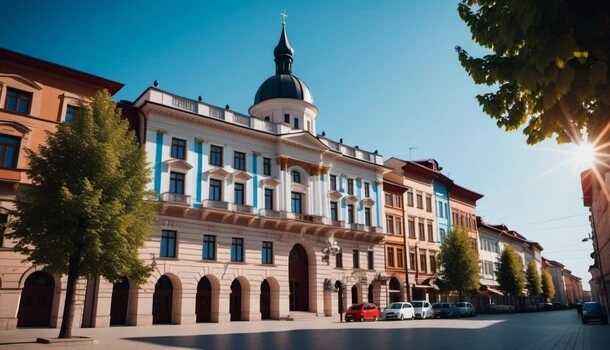
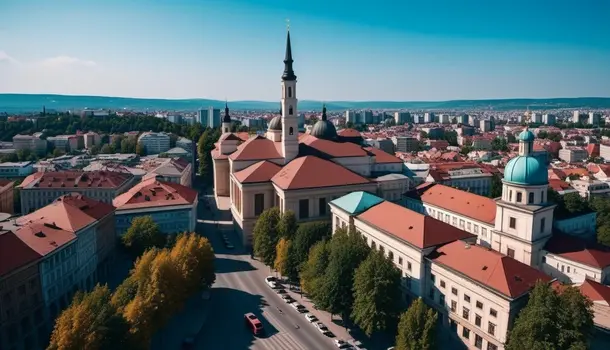
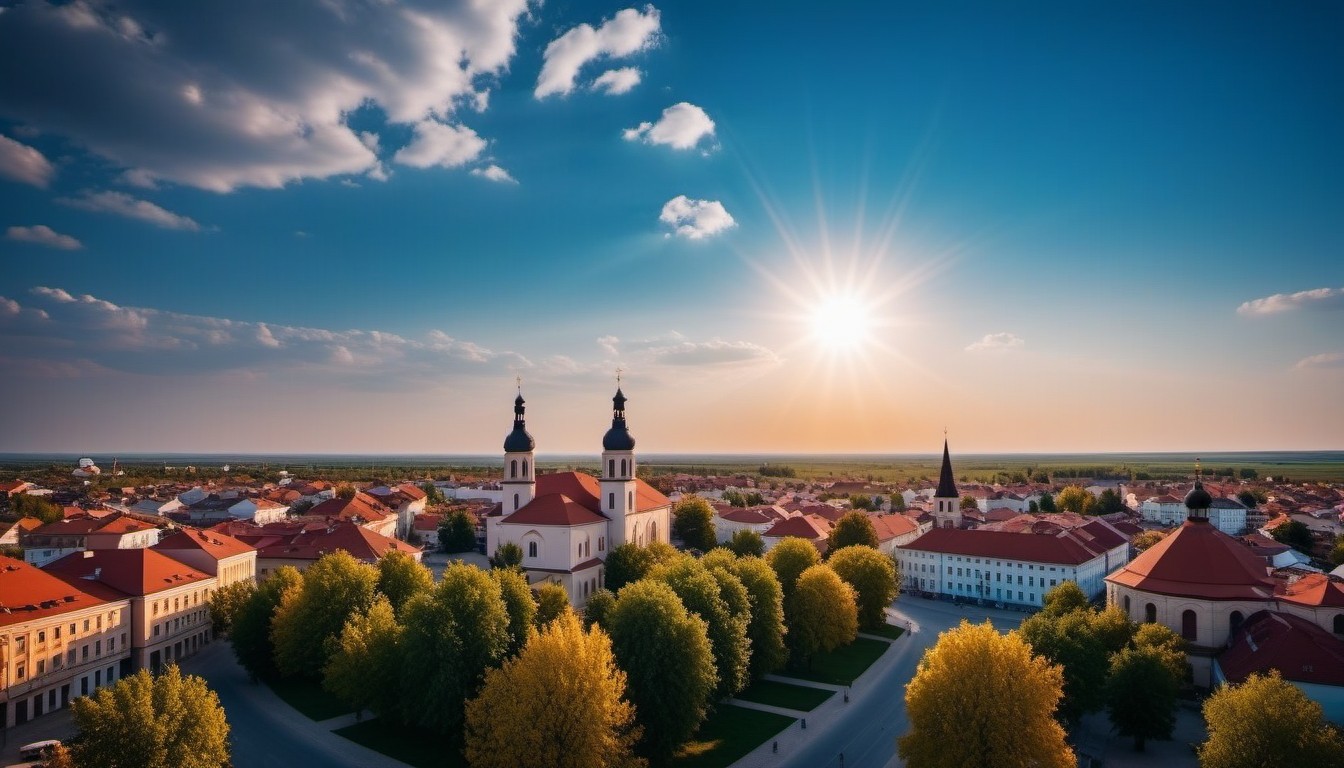
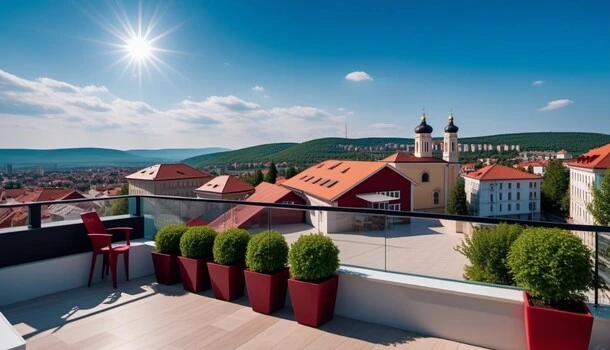
Weather in Central Serbia
 !
!
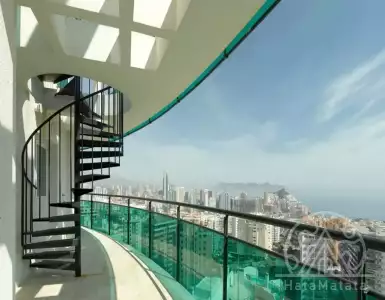
For sale Flat , Spain 210 447 $
📌 A few apartments for sale in Cala de Finestrat - a cozy place between Benidorm and Vieijahoyosa with a...
 !
!
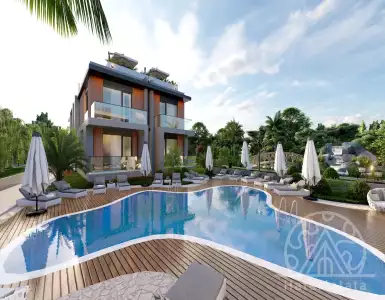
Flat for sale , Cyprus 126 672 $
The new residential complex is located in the foothills of Alsanjak. The complex consists of two two-storey buildings. Block A - 12...
For Sale house in Central Serbia
Didnt find the right facility?
Leave a request - we will handle the selection and send the best offers in a short period of time



Irina Nikolaeva
Sales Director, HataMatata
Selection houses in Central Serbia in 15 minutes
Leave a request and we will select the 3 best options for your budget
🇷🇸 Central Serbia house buying: regional prices, towns, property types and legal considerations
Buying a house in Central Serbia is an exciting opportunity for a diverse range of buyers, from private homeowners seeking a peaceful retreat to savvy investors looking for lucrative real estate options. This region is characterized by its stunning landscapes, growing urban centers, and rich culture, making it both an attractive living space and a vibrant investment destination.
🏡 Characteristics of Central Serbia: A Landscape of Opportunity
Central Serbia boasts a unique blend of geography and climate that significantly influences the property market. With its rolling hills, fertile plains, and sprawling river valleys, this region offers diverse natural beauty and a burgeoning housing market. Cities like Kragujevac, Čačak, and Valjevo feature a temperate climate, with warm summers and mild winters, making them suitable for year-round living. The accessibility of these areas, paired with well-connected public transport systems, enhances their appeal.
Infrastructure in Central Serbia has seen significant improvements over recent years. Major highways and railways connect the region with Belgrade, the capital, creating a hub for business and tourism. New roads and expansion projects have further integrated cities like Senta and Šabac, offering developers new opportunities. The growing number of educational institutions, healthcare services, and leisure facilities also shapes demand as families and professionals look for homes in vibrant communities.
Hotspots for house purchases within Central Serbia include gradually urbanizing cities and tranquil rural areas that are increasingly attractive to foreign buyers. The rising demand for housing in these regions has fostered a diverse property market catering to varied tastes and budgets, from traditional houses to modern new developments.
💼 Economic Outlook of Central Serbia: Stability and Growth
The economic landscape of Central Serbia further bolsters the appeal of buying a house here. As a region that contributes significantly to the national GDP, Central Serbia combines an industrious workforce with fruitful agricultural outputs. The local economy benefits from diverse sectors, including manufacturing, agriculture, and technology, which provide steady employment opportunities and attract both local and foreign investment.
Central Serbia’s investment climate supports the real estate market, fostering a business-friendly environment. Stability in economic policies and a relatively low tax burden make the region attractive to investors looking to capitalize on housing opportunities. Reports indicate consistent GDP growth rates, reflecting a strong recovery trajectory post-economic challenges, creating an increasingly robust market for housing.
Tourist flows have also contributed to the real estate market dynamics, as Central Serbia is home to several cultural and historical gems, such as Studenica Monastery and Tara National Park. A surge in domestic and international tourism bolsters demand for rental properties, making an investment in housing a prudent choice for those seeking rental yield and ROI.
💰 Prices for Houses in Central Serbia: A Comprehensive Review
Understanding the price trends for buying a house in Central Serbia is crucial for prospective buyers. On average, the market prices for houses vary significantly across districts. In Central Serbia, one can expect the following:
- Kragujevac: Prices range from €650 to €1,200 per square meter for both new developments and older homes.
- Čačak: Average home prices hover around €600 to €1,100 per square meter, ideal for both families and single buyers.
- Valjevo: More affordable options can be found here, with prices between €500 to €900 per square meter.
Types of properties available in the market include:
- New developments: Often come with modern amenities and energy-efficient features, varying from €1,000 to €1,500 per square meter based on location and facilities.
- Resale houses: Generally more affordable, offering classic Serbian architectural styles and charm, with prices depending on the condition and location.
Average market trends indicate a steady increase in prices, particularly in urban centers, fueled by increasing demand. As urban development continues and tourism rises, it is likely that prices will continue to appreciate, making now an ideal time to consider investment in house in Central Serbia.
🌍 Key Districts for House Purchases in Central Serbia
When looking to buy a house in Central Serbia, certain districts come highly recommended due to their infrastructure, rental demand, and overall livability:
-
Kragujevac: Known for its historical significance and economic opportunities, this city is becoming increasingly popular among families and young professionals. With excellent schools and healthcare facilities, it offers a well-rounded living experience.
-
Šabac: A vibrant city with strong cultural roots, it features a mix of modern amenities and historical architecture. The rental market here is thriving, attracting students and professionals alike.
-
Valjevo: Famous for its natural beauty and outdoor activities, Valjevo offers a peaceful lifestyle while still providing easy access to urban centers. The housing prices make it an attractive option for both personal residences and investable rental properties.
These districts not only provide a rich cultural experience and breathtaking landscapes but also ensure a good return on investment as the demand for housing remains strong.
🏗️ Leading Developers and Projects in Central Serbia
Investors looking for reliable options when buying a house in Central Serbia can turn to several reputable developers known for their high-quality projects. Notable names include:
-
Delta Holding: A well-established player in the Serbian real estate market, they have delivered numerous residential complexes throughout Central Serbia that blend modern design with eco-friendly building practices.
-
MK Group: This group is rapidly expanding its portfolio with mixed-use residential projects in Belgrade and key districts in Central Serbia, appealing to both local and international buyers.
-
Astra Group: Known for their luxurious developments, Astra Group offers high-end housing options that often come with additional amenities such as secure parking, gyms, and landscaped gardens.
Many of these developers provide flexible payment terms and installment options, making homeownership within reach for many buyers.
🏦 Financing Options: Mortgages and Installment Plans
Buying a house in Central Serbia as a foreigner is facilitated by a variety of financing options. The most common ways to fund your purchase include:
-
Mortgage for house in Serbia for foreigners: Many local banks offer competitive mortgage rates for expatriates and foreign investors, typically ranging from 3% to 5%, with flexible repayment terms. Down payments generally start at 20%, depending on the bank's criteria.
-
Developer installment plans: Certain developers provide installment options that allow buyers to pay for their homes over time, with commonly structured plans featuring schedules of up to 5 years.
It is vital for interested parties to thoroughly research their options and possibly consult with local financial advisors to evaluate the best path forward.
🔍 The Step-by-Step Buying Process for a House in Central Serbia
Purchasing a house in Central Serbia involves a straightforward, yet carefully outlined process. Here’s a step-by-step breakdown:
-
Selection: Start by researching potential areas based on your lifestyle, budget, and preferences. Utilize online portals or contact local real estate offices for guidance.
-
Reservation: Once you find a suitable property, a formal reservation document can be signed, typically requiring a small deposit to hold the property for a limited period.
-
Due diligence: Engage a professional to conduct property checks, verifying ownership, zoning laws, and any existing liens or debts associated with the property.
-
Contract: Upon successfully navigating due diligence, a purchase agreement is drafted and signed. This will detail the agreed purchase price and any conditions.
-
Payment: Payments may be handled through escrow accounts or directly, depending on prior arrangements. Always ensure that a record of the transaction is available.
-
Registration: The notary will help in registering the property with the local real estate registry, officially transferring ownership and ensuring all legal obligations are met.
Throughout this process, it’s crucial to be aware of additional costs that may include notary fees, property taxes, and registration costs, which can range from 1% to 4% of the property value.
⚖️ Understanding Legal Aspects of House Ownership in Central Serbia
Owning a house in Central Serbia comes with specific legal responsibilities. Homeowners need to adhere to local rental laws if they intend to lease their properties. The handling of property taxes varies, with rates generally falling between 0.25% to 2% depending on location and assessed property value.
For those interested in long-term residence, it’s worth noting that certain investments in a house may grant eligibility for a residence permit through purchase of a house in Central Serbia. Generally, a minimum investment threshold must be met, typically around €100,000 for this option, providing a pathway for foreigners seeking to reside in the region.
🌳 Diverse Purposes for House Purchases in Central Serbia
A house in Central Serbia can serve various purposes tailored to individual needs.
-
Living and Relocation: Many buyers looking to settle down appreciate the authenticity and historical richness of cities like Čačak and Valjevo, which provide a wholesome living experience.
-
Rental and Investment: The growing demand for rental properties in urban centers makes Central Serbia appealing for investors. Cities like Kragujevac, with universities and expanding businesses, yield promising rental returns.
-
Seasonal Residence: For those looking for a summer retreat or holiday home, areas near Tara National Park provide exquisite natural settings and activities, ensuring a perfect seasonal escape.
Each of these scenarios aligns with different property formats, from family homes to modern apartments suitable for both personal use and rental opportunities.
With the property market steadily expanding and the economic conditions becoming increasingly favorable, Central Serbia holds a promising horizon for anyone considering buying a house in the region, ensuring both livability and a potentially sound investment.
Frequently Asked Questions
Prices vary widely by location. City apartments in Niš or Kragujevac often trade at about €800–1,600/m²; suburban/commuter towns (near Belgrade) €900–2,200/m²; mountain and tourist towns (Zlatibor, Kopaonik) €1,000–2,500/m². Whole detached houses: rural €10,000–70,000, suburban or near-Belgrade €70,000–350,000+. New builds may carry VAT (20%).
Serbia issues short-stay entry visas (depending on nationality) and temporary residence permits for work, study, family reunification, business and certain remote-work/digital nomad schemes (up to ~1 year). Permanent residence can follow several years of continuous temporary residence. Owning a house in Central Serbia does not automatically grant a permit, but property can support applications as proof of accommodation and financial stability.
Central Serbia offers affordable housing, good public hospitals and schools in regional cities, and green areas in smaller towns. Commuting is convenient near Belgrade with decent roads and rail; smaller towns have less frequent services. Costs are lower than many EU countries; childcare and schooling options exist but private/international schools are limited outside big cities.
Typical costs: property transfer tax 2.5% (secondary market), VAT (20%) may apply to new builds, notary and cadastral fees around €100–1,000, legal/due-diligence fees €200–800. Real estate agent fees commonly 2–3% (varies). Expect additional minor administrative charges and possible mortgage-related costs.
A straightforward purchase usually completes in 4–8 weeks: title checks and due diligence 1–2 weeks, contract and deposit, notary signing, tax payment and cadastre registration. Complex titles, mortgages, or land-use issues can extend the process to several months.
Long-term gross yields: Belgrade 3–6%, regional cities 4–8%. Seasonal short-term rentals in tourist/mountain areas can yield higher gross returns—often 6–12% in peak years—but are variable and require management. Net yield falls after taxes, maintenance and vacancy.
Mountain resorts in Central Serbia (Zlatibor, Kopaonik) have strong winter ski and summer peaks. Peak-season occupancy often reaches 70–90% for well-located properties; annual occupancy commonly 25–50% depending on marketing. Expect significant seasonal income swings and months with low bookings.
Rural plots may be designated agricultural in the cadastre; construction often requires change of land use and a municipal building permit. Check local spatial plans and cadastre entries before buying. Conversion and permit processes involve municipality approval and can take from a few weeks to several months, not guaranteed.
In cities and larger towns utilities (electricity, water) are generally stable and fiber/4G–5G internet is common with typical speeds 50–300 Mbps. Rural villages may have slower DSL or spotty mobile coverage. For remote work, prioritize properties in towns or along commuter corridors for reliable service.
Major construction, extensions and structural changes require a municipal building permit and approved project documentation; simple interior renovations often only need notification. Permit processing typically takes 1–3 months; inspections occur during works. Doing unpermitted structural work risks fines and problems with future sale or registration.
Properties by Region
Properties by Country
- Real estate in Bulgaria (11408)
- Real estate in Montenegro (5371)
- Real estate in Indonesia (2423)
- Real estate in Spain (2289)
- Real estate in Portugal (1975)
- Real estate in Italy (1897)
- Real estate in Turkey (1699)
- Real estate in Cyprus (1590)
- Real estate in Thailand (1565)
- Real estate in Croatia (1431)
- Real estate in Greece (1082)
- Real estate in USA (1013)
- Real estate in France (1006)
- Real estate in Georgia (519)
- Real estate in Serbia (328)
- Real estate in Slovenia (123)
- Real estate in Egypt (23)
Free real estate consultation in Central Serbia
Don't know which area to choose in Central Serbia? We will tell you in which areas it is better to live or invest, and show you the appropriate options.

Maria Guven
Head of Direct Sales Department
+90-507-705-8082