


Real Estate in Western Serbia
Do you want to buy real estate in Western Serbia? We'll tell you where to start

Liliya
International Real Estate Consultant
Need help choosing a property?
Leave a request and our manager will contact you.
International Real Estate Consultant
Real Estate in Western Serbia
Do you want to buy real estate in Western Serbia? We'll tell you where to start
Liliya
International Real Estate Consultant
Need help choosing a property?
Leave a request and our manager will contact you.
International Real Estate Consultant
Selection real estate in Western Serbia in 15 minutes
Leave a request and we will select the 3 best options for your budget
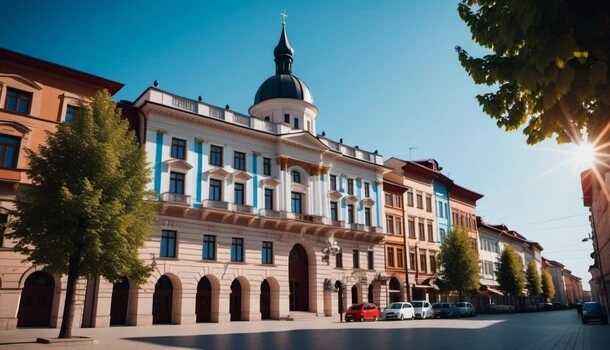
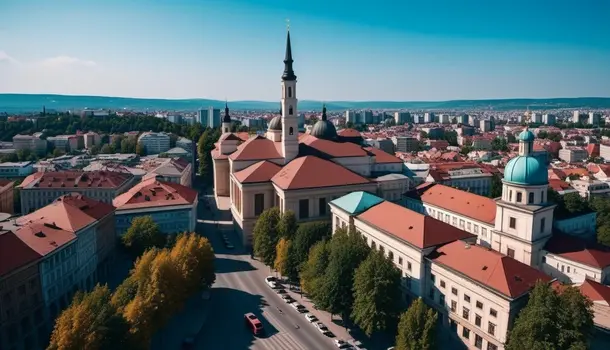
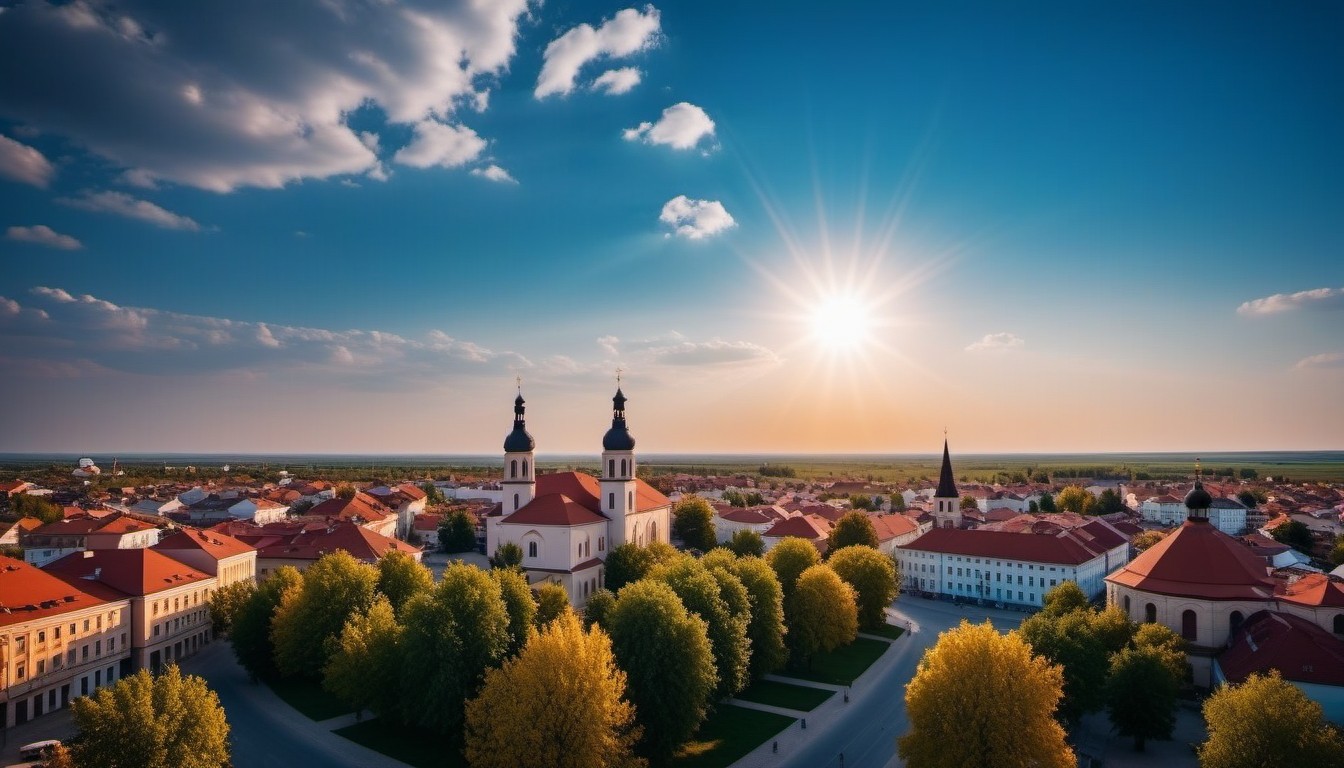
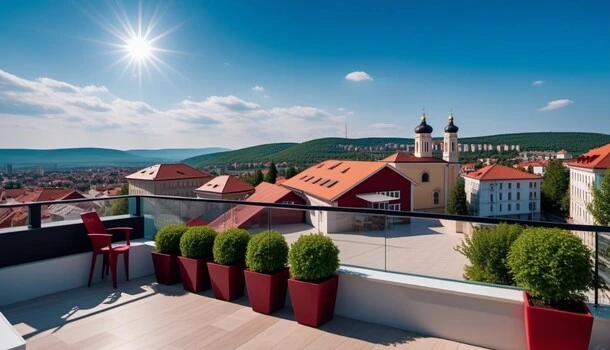
Weather in Western Serbia
 !
!
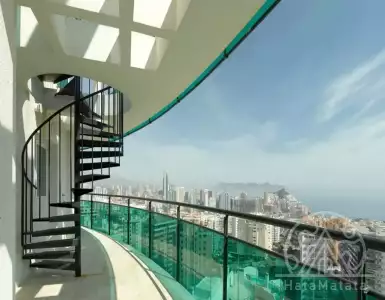
For sale Flat , Spain 209 543 $
📌 A few apartments for sale in Cala de Finestrat - a cozy place between Benidorm and Vieijahoyosa with a...
 !
!
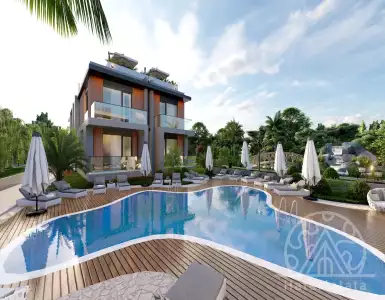
Flat for sale , Cyprus 126 834 $
The new residential complex is located in the foothills of Alsanjak. The complex consists of two two-storey buildings. Block A - 12...
For Sale Real Estate in Western Serbia
Didnt find the right facility?
Leave a request - we will handle the selection and send the best offers in a short period of time



Irina Nikolaeva
Sales Director, HataMatata
Selection real estate in Western Serbia in 15 minutes
Leave a request and we will select the 3 best options for your budget
🇷🇸 Western Serbia real estate: property prices, key towns and legal considerations
Western Serbia offers a rare combination of mountain resorts, industrial towns and agricultural belts, making it one of the most diverse and cost-effective regions to buy property in Serbia. From Zlatibor’s tourism belt and the Drvengrad cultural attraction in Mokra Gora to Čačak’s manufacturing base and Valjevo’s river valleys, the region gives buyers a spectrum of opportunities: holiday apartments, family homes, industrial land and value plays for long-term investors. The tone here is practical — clear figures, named places and realistic expectations so you can assess options for property in Western Serbia with confidence.
🌦️ Geography and climate of Western Serbia: transport accessibility and infrastructure
Western Serbia stretches from the Zlatibor and Tara mountain massifs in the west to the Morava river valley in the east, with a continental-mountain climate that gives cold snowy winters in highlands and warm summers in valleys. Major transport arteries include the E-763 (Belgrade–Čačak–Užice) corridor and regional roads linking Užice, Čačak, Valjevo and Šabac, making road transport to Belgrade typically 1.5–3 hours depending on destination.
Ponikve Airport (Užice) operates seasonal charter flights and has been upgraded to support regional tourism, while Belgrade Nikola Tesla Airport remains the international gateway at roughly 2–3 hours’ drive from many Western Serbia towns. Rail connections are present in key nodes (Šargan/Šargan Eight tourist railway, Belgrade–Bar mainline access via Užice area), supporting both freight and tourist mobility.
Public and lifestyle infrastructure is well developed in urban centers: General Hospital Čačak, Užice General Hospital, secondary schools in Čačak, Užice and Valjevo, and nearby university faculties (University of Kragujevac presence in the region) provide solid health and education backbones for family buyers. Broadband internet and mobile coverage by operators like mts (Telekom Srbija), A1 and Telenor reach most towns, enabling remote work and digital business.
💼 Economy and investment potential in Western Serbia
Western Serbia is economically diverse: tourism drives Zlatibor and Mokra Gora, manufacturing and processing are concentrated around Čačak and Užice, while agriculture (notably raspberries in Arilje and fruit production across the region) feeds export markets. Serbia’s national economy is characterized by a GDP around $60 billion and per capita GDP near $8,000–9,000, with Western Serbia contributing through SMEs, tourism and light industry.
Employment patterns show a growing private sector; unemployment in Serbia has fallen compared with earlier decades and regionally you will find an increasing number of greenfield investments and manufacturing relocations seeking lower operating costs than Belgrade. Tourism statistics in Zlatibor and nearby Tara reflect strong seasonality and rising visitor numbers driven by domestic and diaspora travelers, boosting demand for short-term rental properties and hospitality projects.
Investors are drawn by low entry prices compared with EU averages, improving infrastructure (airport upgrades, gondola investments in Zlatibor) and municipal incentives for business zones in Čačak and Valjevo, supporting both real estate investment in Western Serbia and industrial land purchases with potential for rental income or value appreciation.
💶 Property prices in Western Serbia by category and area
Western Serbia offers a wide price spectrum depending on city, zone and property type, making segmentation important for buyers evaluating real estate investment in Western Serbia. Typical price ranges are:
- Zlatibor (tourist zone / Tornik, central Zlatibor): €1,200–€2,500 / m² for new-build apartments; premium chalets and villas €2,000–€3,500 / m² or €150,000–€1,000,000+ per unit for high-end properties.
- Čačak and Užice (urban apartments): €600–€1,000 / m² for both new build property in Western Serbia and secondary market property in Western Serbia, depending on condition and location.
- Valjevo, Šabac, Požega: €500–€900 / m² for apartments; single-family houses commonly available €40,000–€180,000 depending on plot size.
- Rural detached houses and farm properties: €20,000–€150,000, with agricultural land prices varying widely by proximity to roads and utilities.
Investors should expect short-term rental yields in Zlatibor of around 6–12% gross during high season, while long-term residential yields in Čačak/Užice typically range 4–6% gross. New-build units sold by developers often include VAT at 10% and sometimes come with installment plans.
🎯 Best areas and key districts in Western Serbia for buying property
Zlatibor District (Čajetina and Užice) is the region’s tourism engine, with Zlatibor town, Tornik ski area and Mokra Gora/Drvengrad drawing visitors and short-term renters. Moravica District (centered on Čačak and Ivanjica) mixes industry with mountain tourism and is attractive for both residential buyers and small industrial investments. Kolubara District (Valjevo) and Mačva District (Šabac) provide river valleys, logistic corridors and suburban opportunities for Belgrade commuters.
Specific towns and zones to consider:
- Zlatibor / Tornik: ski and summer tourism, strong demand for holiday apartments and chalets.
- Mokra Gora (Drvengrad / Mećavnik): cultural tourism cluster, unique short-term rental demand.
- Čačak industrial zones: proximity to suppliers and manufacturing chains; good for buy-to-rent to local workers.
- Valjevo & Šabac: commuter options and riverfront plots with development potential.
Each district has discrete micro-markets: city center apartments, suburban family houses, ski-resort studios and agricultural plots — match your purchase intent (living, rental income, long-term holding) to the specific district.
🏗️ Major developers and projects in Western Serbia
Regional infrastructure and tourism upgrades have catalyzed property activity in Western Serbia, and several nationally known players are involved alongside local developers. Notable names and projects include:
- MK Group — active in tourism and hospitality investments across Serbia and with a presence in mountain resort developments; investors will see MK Group-linked projects in hospitality clusters.
- Delta Holding / Delta Real Estate — while focused more on larger urban projects, the group’s activity across Serbia impacts regional retail and hospitality networks that lift nearby property values.
- Gold Gondola (Zlatibor cable car) — a major infrastructure project that improved access to Tornik and boosted the attractiveness of new build property in Western Serbia in the Zlatibor zone.
Smaller local construction firms and boutique resort developers are also active around Zlatibor, Mokra Gora (Drvengrad), and Tornik, often offering turnkey chalet packages and managed rental programs for international buyers.
🏦 Mortgages and installment plans for buyers in Western Serbia
Foreign buyers can obtain financing, though terms differ between lenders; major Serbian banks such as Banca Intesa, UniCredit Bank Srbija and Raiffeisen Bank offer mortgage solutions for non-residents and residents alike. Typical mortgage features are:
- Down payment: commonly 20–40% of purchase price for foreign buyers; banks may require higher equity for non-residents.
- Loan currency and rates: mortgages are frequently denominated in euros, with interest rates that vary; expect typical ranges in market conditions of around 3–6% depending on borrower profile and currency choice.
- Loan term: up to 20–30 years depending on age and lender policy.
Developers operating in Zlatibor and other resort towns often provide interest-free installment plans (12–36 months) or staged payments for off-plan new build property in Western Serbia, which can be attractive to buyers who prefer developer financing to bank debt.
🧾 Property purchase process in Western Serbia
Selecting property begins with a formal due diligence review: confirm ownership and encumbrances at the Republic Geodetic Authority (cadastre) and request the property’s land registry extract. Buyers typically sign a preliminary contract (pre‑contract) with a deposit, then proceed to the final sale-purchase agreement notarized by a notary public.
Payments are commonly made by bank transfer; developers may hold funds in escrow accounts for off-plan purchases. After payment and signing, the buyer registers the new ownership in the cadastre; transfer registration is a public record and title is perfected when the cadastre entry is updated. Typical additional costs include transfer tax (commonly around 2.5%), notary fees and legal fees; new build sales from developers usually involve 10% VAT rather than transfer tax.
Foreign buyers should engage a local lawyer and request utility connection status, existing permits and urban planning conditions, especially for rural land or plots intended for development — this mitigates hidden costs and aligns expectations around timelines for construction or change-of-use.
⚖️ Legal aspects, residence permits and citizenship through property in Western Serbia
Foreigners from many countries may purchase real estate in Serbia with relatively few restrictions, but purchasing agricultural land may require additional approvals or reciprocity conditions; always verify with local authorities before signing. Ownership of property alone does not automatically grant residency, but it can support an application for temporary residence when combined with proof of means and health insurance.
Temporary residence based on property ownership is available in practice but is subject to standard immigration rules; applicants commonly use a property ownership certificate plus proof of funds and address to apply for a residence permit. Citizenship by real estate investment is not an available shortcut in Serbia — there is no direct citizenship-by-investment program tied to property purchase; citizenship requires longer residency, language and integration criteria or special government decisions in exceptional cases.
Engage an immigration attorney to navigate reciprocity rules, land use limitations and to structure ownership (individual, company, or other legal formats) to match tax planning, residency goals and purchase security.
🚀 Investment advantages and buyer scenarios for property in Western Serbia
Buyers seeking holiday rental income should target Zlatibor, Tornik and Mokra Gora, where short-term occupancy spikes during winter and summer yield higher seasonal income. Investors seeking stable long-term rental returns and lower management overhead will find Čačak and Užice attractive for apartment lets to local professionals and manufacturing staff, with predictable yields and lower vacancy.
Relocation and family buyers prioritize urban centers with good schools and hospitals: Čačak, Užice and Valjevo offer family-sized houses and consistent access to public services, while purchasers after a second home or remote-work base often look at Zlatibor chalets and renovated rural houses in Ivanjica and Arilje. Typical buyer scenarios and match-ups:
- Living and family relocation: Čačak, Užice, Valjevo — convenient infrastructure and schools.
- Short-term vacation rental: Zlatibor, Mokra Gora, Tornik — higher seasonal yields.
- Long-term investment and capital appreciation: plots near main roads, industrial zones in Čačak — development and logistics upside.
- Agricultural or agritourism projects: Arilje, Ivanjica — established fruit-growing regions with export networks.
Western Serbia suits buyers who want lower entry prices than metropolitan Serbia, diversified rental markets, and tangible tourism inflows — all factors that make real estate investment in Western Serbia compelling for private buyers and international investors.
The region’s mix of mountains, industrial towns and improving transport links creates a layered real estate market where strategy matters: identify the micro-market, verify titles, consider developer credibility or bank financing options, and align purchase structure with your residency or rental goals to make the most of property in Western Serbia.
Frequently Asked Questions
Apartment prices in Western Serbia typically range $400–$900/m² (≈470–1,050 €/m²). Small-town flats often cost $20,000–$60,000; renovated houses $40,000–$150,000. Mountain or spa resorts (Zlatibor, Tara) can be higher. Expect lower prices than Belgrade and wide variation by town, condition and proximity to transport.
Yes — foreigners can generally buy apartments and buildings in Western Serbia. Agricultural land and forests face restrictions or require government approval. Expect title checks, cadastre registration and proof of reciprocity in some cases. Use a local lawyer to confirm ownership rights and restrictions before signing.
Investment potential depends on location: regional towns show steady rental demand from students and workers with gross yields ~5–8%; tourist hotspots (mountains/spas) can reach 7–10% seasonally. Liquidity is lower than capital cities—resale can take weeks to many months depending on price and market.
Daily life is affordable—monthly living costs $600–1,200 for a family. Regional hospitals and health centres are in larger towns (Čačak, Užice); specialized care may require travel to Belgrade (2–3 hrs). Public buses and regional trains connect towns; schools include public primary and secondary options, with private/foreign schools limited.
Yes in many towns: fixed broadband commonly offers 50–150 Mbps in urban areas and 4G mobile coverage is widespread. Cost of living is low and lifestyle is relaxed. Coworking spaces are limited outside major towns; long stays require temporary residence permits beyond tourist visa limits.
No — buying property alone does not grant residency or citizenship. Residency routes include work permits, family reunification, study or company registration; temporary permits can be granted for months to years and prolonged legal residence may lead to naturalization after several years. Serbia does not offer a standard property-linked 'golden visa'.
Typical costs: transfer tax around 2–3% of property value (may be replaced by VAT for new builds at 20%), notary and registration fees (few hundred to 1,000+ USD), lawyer fees and cadastral checks. Annual property tax varies locally, commonly a fraction of a percent of assessed value. Budget 3–6% extra for closing costs and due diligence.
Local banks offer mortgages in RSD or EUR; residents have easier access. Foreign buyers may face stricter underwriting, lower LTV (commonly 50–70%) and higher rates. Typical mortgage rates vary widely (approx. 3–7% depending on currency and loan type). Expect a few weeks to a few months for approval and registration.
Minor renovations often need municipal notifications; structural changes require building permits. Permit approval timelines range from weeks to several months. Renovation costs vary: basic refurb for apartments $200–500/m², full rebuilds or structural works higher. Always verify permit status and utility connections before purchase.
Short-term tourist rentals are permitted but require local registration, compliance with accommodation rules and payment of local occupancy taxes. Tourist towns (Zlatibor, mountain villages) have strong seasonal demand with higher yields in peak months; expect seasonal occupancy swings and municipal rules that affect profitability.
Properties by Region
Properties by Country
- Real estate in Bulgaria (11408)
- Real estate in Montenegro (5378)
- Real estate in Indonesia (2423)
- Real estate in Spain (2289)
- Real estate in Portugal (1975)
- Real estate in Italy (1907)
- Real estate in Turkey (1699)
- Real estate in Cyprus (1594)
- Real estate in Thailand (1565)
- Real estate in Croatia (1431)
- Real estate in Greece (1082)
- Real estate in USA (1013)
- Real estate in France (1006)
- Real estate in Georgia (519)
- Real estate in Serbia (328)
- Real estate in Slovenia (123)
- Real estate in Egypt (23)
Free real estate consultation in Western Serbia
Don't know which area to choose in Western Serbia? We will tell you in which areas it is better to live or invest, and show you the appropriate options.

Maria Guven
Head of Direct Sales Department
+90-507-705-8082