


House in Central Slovenia
Do you want to buy house in Central Slovenia? We'll tell you where to start

Liliya
International Real Estate Consultant
Need help choosing a property?
Leave a request and our manager will contact you.
International Real Estate Consultant
House in Central Slovenia
Do you want to buy house in Central Slovenia? We'll tell you where to start
Liliya
International Real Estate Consultant
Need help choosing a property?
Leave a request and our manager will contact you.
International Real Estate Consultant
Selection houses in Central Slovenia in 15 minutes
Leave a request and we will select the 3 best options for your budget
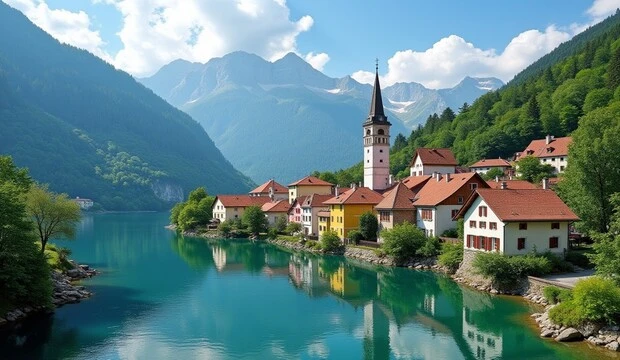
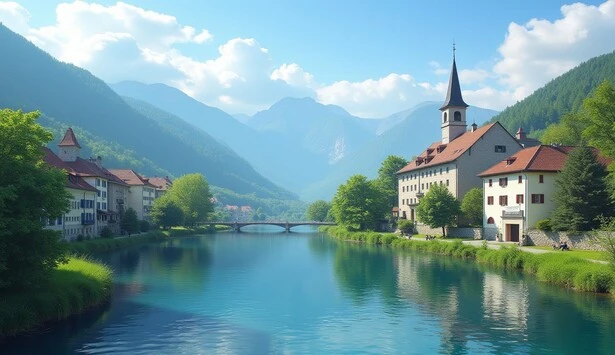
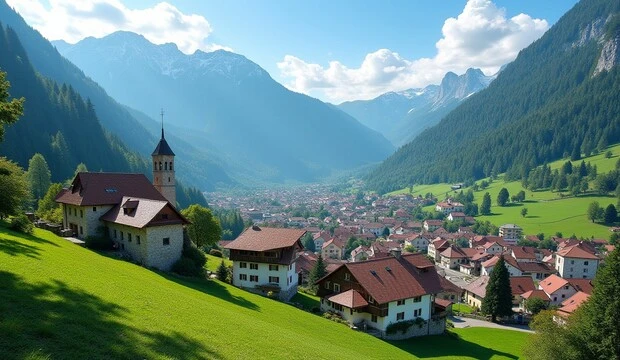
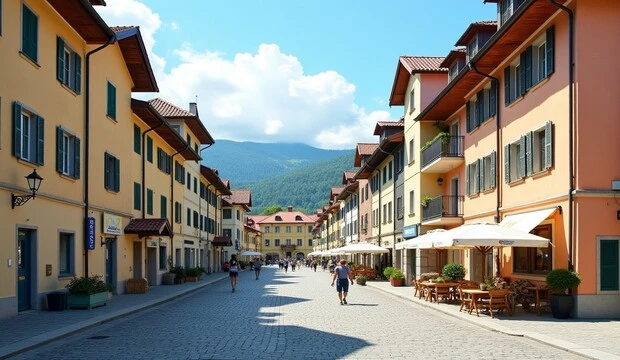
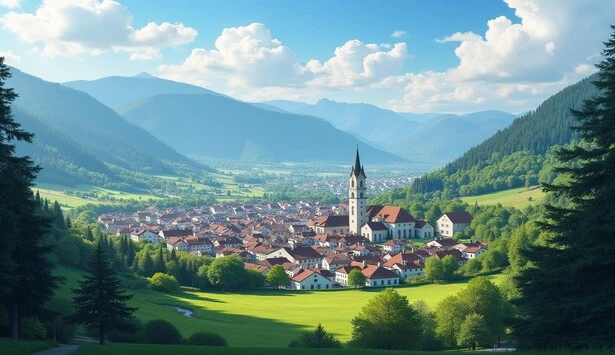
Weather in Central Slovenia
 !
!
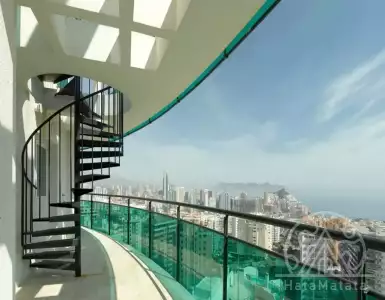
For sale Flat , Spain 210 447 $
📌 A few apartments for sale in Cala de Finestrat - a cozy place between Benidorm and Vieijahoyosa with a...
 !
!
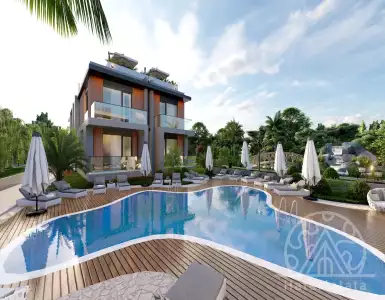
Flat for sale , Cyprus 126 672 $
The new residential complex is located in the foothills of Alsanjak. The complex consists of two two-storey buildings. Block A - 12...
For Sale house in Central Slovenia
Houses in Siska
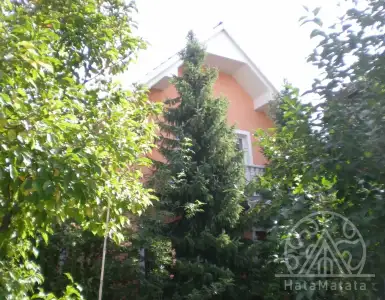

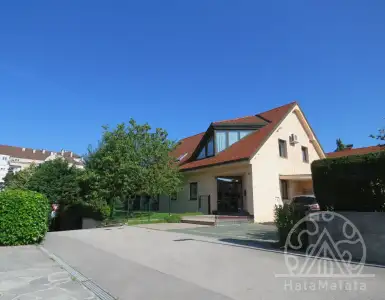
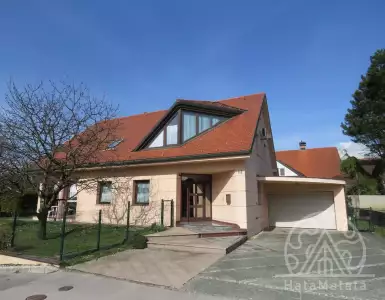
Houses in Domzale
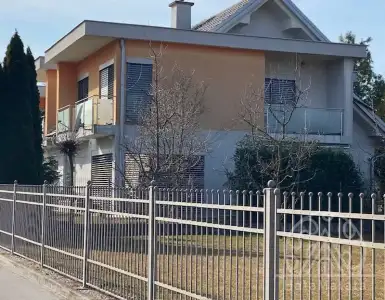
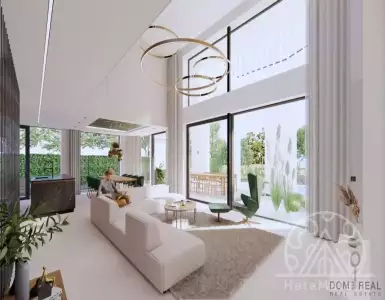
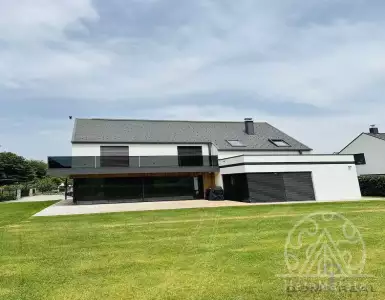
Do you want to buy houses in Central Slovenia? We'll tell you where to start
Leave a request and we will select the 3 best options for your budget
International Real Estate Consultant
Didnt find the right facility?
Leave a request - we will handle the selection and send the best offers in a short period of time



Irina Nikolaeva
Sales Director, HataMatata
Selection houses in Central Slovenia in 15 minutes
Leave a request and we will select the 3 best options for your budget
🇸🇮 Buying a house in Central Slovenia: market overview and average prices
Central Slovenia is the heart of Slovenia’s economy, culture and transport network, centered on Ljubljana and extending to towns such as Domžale, Kamnik, Medvode, Vrhnika and Grosuplje. Buyers looking to buy house in Central Slovenia find a compact market where short commutes, access to international transport corridors and a high quality of life shape demand. The region’s geography — a basin surrounded by the Alps’ foothills, the Sava and Ljubljanica rivers and easy access to Karst and coastal corridors — creates clear divides in price and product type: city terraces and renovated viennese-style townhouses in the Centre, modern suburban detached houses and family villas in Vič, Brezovica and Medvode, and larger plots for luxury homes in Šmarna Gora foothills and Kamnik. Climate is moderate continental with Alpine influences, supporting year-round living and second-home use rather than strictly seasonal occupancy.
🗺️ Where the landscape and infrastructure of Central Slovenia influence demand for House in Central Slovenia
Central Slovenia’s transport axes — the A1 motorway, Ljubljana Jože Pučnik Airport (near Brnik), and the main railway hub at Ljubljana — drive where people want to buy house in Central Slovenia, favoring locations within 20–30 minutes of the capital. Commuter towns such as Domžale, Medvode and Grosuplje consistently attract families because they combine lower land prices with rapid access to Ljubljana by car or train. Demand for houses near the A1 and A2 corridors is strong for both owner-occupiers and investors seeking rental yield.
- Key transport nodes: Ljubljana Central Station, Jože Pučnik Airport (Brnik), A1 motorway interchanges near Vrhnika and Grosuplje.
- Popular living belts: Vič, Šiška, Bežigrad, Trnovo for urban living; Medvode, Domžale, Kamnik, Brezovica for suburban family houses.
- Lifestyle pull: proximity to Tivoli Park, Šmarna Gora hiking, BTC City retail and business zone boosts desirability.
Central Slovenia’s infrastructure — university faculties clustered in Ljubljana, major hospitals (University Medical Centre Ljubljana), and business parks like BTC City — produces steady housing demand from professionals, academics and international employees. Tourist flows are city- and region-focused: Ljubljana’s cultural tourism supports short-term rentals, while nature tourism in the Škofja Loka and Kamnik areas encourages second-home purchases. These patterns increase demand for both new developments of house in Central Slovenia and resale house in Central Slovenia in well-connected districts.
Municipal services, schooling options and zoning shape the type and density of houses offered. Municipalities such as Ljubljana, Domžale and Medvode have progressive spatial plans encouraging compact suburban housing; others like Kamnik and Vrhnika preserve rural plots for larger detached houses. That directly affects availability, plot sizes and price per square metre across the region.
💶 How much House costs in Central Slovenia and typical sizes
House prices in Central Slovenia vary by proximity to Ljubljana, plot size and construction standard. Buyers looking to buy house in Central Slovenia will typically find:
- Inner-Ljubljana (Center, Trnovo, Bežigrad): typical houses and townhouses €450,000–€1,500,000, sizes 80–250 m².
- Ljubljana suburbs (Vič, Šiška, Moste-Polje): semi-detached and small detached houses €300,000–€700,000, sizes 100–220 m².
- Commuter towns (Domžale, Medvode, Grosuplje, Brezovica): family houses €200,000–€500,000, sizes 100–300 m².
- Rural and luxury plots (Kamnik foothills, Šmarna Gora, Vrhnika outskirts): villas and large plots €500,000–€1,800,000+, sizes 200–500 m².
Breakdown by property format and price drivers:
- New developments of house in Central Slovenia (pre-sale detached units) usually require down payments of 10–30% and sell at premium of 5–20% above comparable resale due to warranties and energy standards.
- Resale house in Central Slovenia offers immediate occupancy and often lower nominal prices but may require renovation costs €300–€900/m² depending on condition.
- Typical plot sizes range from 250 m² (urban infill) to 1,000+ m² (suburban family homes).
Market dynamics show steady demand for family houses in commuter towns, while central townhouses command price stability and higher per-square-metre values. Rental yield of house in Central Slovenia is typically 3–5% gross, with short-term tourist rentals potentially higher in central Ljubljana but subject to licensing.
🎯 Which district of Central Slovenia to choose for buying House in Central Slovenia
Choosing the right district depends on purpose: living, investment or second home. Key districts and their advantages:
- Ljubljana Center and Trnovo
- Advantage: immediate access to cultural amenities, walking distance to University Medical Centre and government offices.
- Demand: high among professionals and diplomatic community; strong resale market.
- Price signal: premium per m², smaller plots.
- Bežigrad and Šiška
- Advantage: family friendly, schools, parks, good tram/bus connections; proximity to Stožice sports complex.
- Demand: long-term rentals for professionals and families.
- Price signal: mid-to-high range with new development pockets.
- Vič, Moste-Polje, Rudnik
- Advantage: mixed urban-suburban feel, more new-build townhouses and modern energy-efficient houses.
- Demand: owner-occupiers seeking modern houses with quick city access.
- Domžale, Medvode, Grosuplje, Brezovica
- Advantage: lower price per square metre, larger plots, fast commuter connections by train/A1 motorway.
- Demand: families and investors seeking rental yield and easier construction permits.
- Kamnik and Šmarna Gora foothills
- Advantage: premium views, larger land parcels, lifestyle focused on outdoor recreation.
- Demand: second-home buyers and high-net-worth families.
Consider developer reputation, local schools, public transport frequency and future infrastructure projects such as road upgrades or suburban transit lines when choosing a district to buy house in Central Slovenia.
🏗️ Leading developers and projects offering House in Central Slovenia
Central Slovenia’s large mixed-use and residential projects shape supply; buyers can focus on established names and urban regeneration projects:
- BTC City (Ljubljana) — a major commercial and business zone that also anchors nearby residential demand; properties near BTC enjoy retail, logistics and employment proximity.
- Tobačna City (Ljubljana) — urban regeneration in the former tobacco factory zone has introduced new residential and mixed-use developments, boosting demand for premium city houses and townhouses.
- Stožice area developments — residential blocks and townhouse clusters around the sports and events complex create steady demand from families and students.
Developers often offer a mix of formats, from ground-floor duplexes to three-bedroom detached houses and energy-efficient villas. Typical developer features and payment conditions:
- Formats: terraced townhouses 90–160 m², detached family houses 120–300 m², premium villas 200–450 m².
- Infrastructure: playgrounds, underground parking, green courtyards, energy labels A/A+.
- Payment terms: reservation deposit €3,000–€20,000, staged payments linked to construction milestones, developer installment plan for house in Central Slovenia often available for early buyers.
While a few large construction companies and development groups handle bigger projects, many family houses are delivered by local builders with municipal permits; always verify builder credentials, warranty terms and completion guarantees.
🏦 Mortgage and developer installment conditions for buying House in Central Slovenia
Banks in Slovenia provide mortgages to residents and to many foreigners under documented conditions. Typical mortgage features:
- LTV for residents: up to 80% of the lesser of purchase price or bank valuation; for foreigners typically 50–70% depending on nationality and income documentation.
- Interest rates: variable and fixed packages commonly in the range 2.5–4.5% depending on loan term and borrower profile.
- Loan terms: up to 25–30 years for standard mortgages; longer terms possible with income proof.
- Banks active in the market: NLB, NKBM, UniCredit Banka Slovenija, SKB and Abanka all process mortgages for buyers in Central Slovenia.
Developer installment plans for house in Central Slovenia:
- Typical structure: reservation deposit (1–5% of price), contractual staged payments (construction milestones), final payment on delivery.
- Duration: installments during construction can stretch 12–36 months; some developers offer interest-free payment periods until handover.
- Security: reputable developers provide bank guarantees for pre-payments and defects liability periods.
Foreign buyers should secure pre-approval, understand foreigner-specific LTV limits and be prepared to present tax returns, employment contracts or business statements. Mortgage for house in Slovenia for foreigners is feasible but requires careful documentation and often higher down payments.
📝 Step-by-step legal and practical process of buying House in Central Slovenia
The purchase process is methodical and transparent, involving due diligence and formal registration:
- Step 1 Selection and reservation: choose property, sign reservation with deposit (€3,000–€20,000) depending on seller.
- Step 2 Due diligence: obtain land registry extract (evidence of ownership and encumbrances), building permit confirmation and energy certificate; hire an independent surveyor if needed.
- Step 3 Contract and financing: sign preliminary sales contract; secure mortgage offer or developer installment plan; pay agreed staged amounts.
- Step 4 Notary deed and registration: public deed signed at a notary is required for property transfer; buyer pays notary and land registry fees; registration in the cadastre completes legal ownership transfer.
Mandatory transactional costs typically include:
- Notary and land registry fees, variable by price.
- Real estate agency commission if used, typically 1–3% of purchase price.
- VAT or property transfer tax depending on new build vs resale and seller status; new developments may be subject to VAT, while resales may be subject to transfer tax or different tax treatment.
- Inspection and survey costs and any required legal representation.
Timelines from reservation to registration commonly range 30–90 days for resale properties and several months to years for new-build projects depending on construction stage.
⚖️ Legal and tax specifics of owning House in Central Slovenia
Slovenian law provides clear ownership rights and regulated rental frameworks. Key legal points:
- Owning property does not automatically grant residence permit or citizenship; Slovenia does not operate a direct “golden visa” by real estate purchase, and residence permits follow standard immigration channels (work, family reunification, study).
- Rental income is taxable and must be declared; tax treatment depends on rental type (short-term tourist vs long-term lease) and allowable expenses; standard practices require registration for tourist rentals and local permits.
- Property-related ongoing costs include municipal utilities, communal charges and possible local property taxes depending on municipality. Capital gains tax may apply to sellers under specific conditions or holding periods.
Mandatory procedures:
- Contracts must be registered with the land register (Cadastre) to secure title.
- Building alterations require municipal permits; unpermitted structural changes may lead to fines or restoration orders.
🧭 Which buyer profiles match buying House in Central Slovenia and where to look
Different buyer goals map to different locations and property types:
- Living and relocation: professionals and families relocating to Ljubljana choose Bežigrad, Vič, Šiška for schools and services; suburban Domžale or Medvode for family houses and gardens.
- Seasonal residence and second home: buyers seeking nature access favor Kamnik foothills and Medvode for proximity to hiking and short drives to alpine areas.
- Rental and investment: central townhouses and houses near BTC City and university districts offer stable tenants and rental yield of house in Central Slovenia around 3–5% gross; short-term rentals in Ljubljana can increase gross yields but require licensing.
- Family purchase and generational homes: larger plots in Grosuplje, Vrhnika, Brezovica give space and lower land costs.
- Premium segment and executive villas: hilltop areas around Šmarna Gora, Kamnik and exclusive Ljubljana suburbs command premium pricing and limited supply.
Each scenario benefits from matching the property’s size and layout — typical family houses are 120–220 m² with 3–5 bedrooms; second homes often 90–150 m² with low maintenance plots.
The house market in Central Slovenia continues to be shaped by infrastructure investment, urban regeneration projects and steady domestic demand, creating prospects for measured price appreciation, sustained rental demand in commuter belts, and selective premium growth in lifestyle locations near Ljubljana and mountain foothills.
Frequently Asked Questions
Central Slovenia is the most expensive Slovenian region. Typical market data for the region: average residential price per m² commonly ranges €2,500–€4,000; median detached house sale prices generally fall between €300,000–€500,000 across the region; observed annual price growth typically runs in the mid-single digits. Expect higher values in Ljubljana and slightly lower in outer municipalities.
EU/EEA citizens have the same purchase rights as Slovenians in Central Slovenia. Non‑EU buyers need state approval based on reciprocity; authorities review applications and local land registry conditions. Administrative consent timelines vary but typically take 1–6 months depending on paperwork and municipality.
Buying property in Central Slovenia does not automatically provide residence or citizenship. EU citizens can live freely; non‑EU nationals must obtain a residence permit by work, family reunification, or other recognized immigration routes. Naturalization generally requires long‑term legal residence (commonly around 10 years) plus language and integration requirements.
Long‑term rental demand is strongest in Ljubljana and nearby commuter towns. Gross rental yields for residential properties typically range 3–5%; prime central flats often yield lower but have high occupancy. Student and professional rentals show year‑round demand with occupancy commonly above 85–90% in central zones.
Yes. Central Slovenia combines the national economic core, employment concentration, and limited buildable land near Ljubljana, supporting capital preservation. Historically the region posts steady price growth in the mid-single digits; recommended holding horizon for stable preservation and risk reduction is 5–10+ years.
Standard steps: property search, due diligence, preliminary agreement, notary deed, and land register update. A clean transaction commonly takes 4–12 weeks from signed preliminary contract to registration, longer if foreign approvals or mortgage underwriting are required. Always perform title and encumbrance checks before signing.
Mortgage lending is widely available. Resident buyers often obtain LTVs of about 70–90% depending on credit and property; non‑residents may see lower LTVs (50–70%). Interest rates and terms vary with borrower profile; approval timelines typically 2–6 weeks after submission of documentation and valuation.
Properties in Ljubljana city center and well‑connected suburbs (commuter towns with fast road or rail links) historically appreciate most. Areas with new infrastructure, good schools, and short commutes to major employers show stronger gains. Investors often evaluate 5–10 year appreciation potential when selecting neighborhoods.
Buyers should budget for one‑time transaction costs (notary, land registry, possible brokerage and legal fees), municipal charges and annual property taxes/communal fees. Rental income is taxable and capital gains rules apply if sold within the statutory period. Exact amounts depend on property value and municipality; obtain local tax advice for precise figures.
Yes. Structural work, extensions or new builds require municipal building permits and compliance with spatial plans; simple interior renovations often need only notification. Permit processing varies by municipality but typically takes several weeks to a few months depending on project complexity and required studies.
Properties by Region
- Houses in Gorenjska (13)
Properties by Country
- Real estate in Bulgaria (11408)
- Real estate in Montenegro (5368)
- Real estate in Indonesia (2423)
- Real estate in Spain (2289)
- Real estate in Portugal (1975)
- Real estate in Italy (1900)
- Real estate in Turkey (1699)
- Real estate in Cyprus (1592)
- Real estate in Thailand (1565)
- Real estate in Croatia (1431)
- Real estate in Greece (1082)
- Real estate in USA (1013)
- Real estate in France (1006)
- Real estate in Georgia (519)
- Real estate in Serbia (328)
- Real estate in Slovenia (123)
- Real estate in Egypt (23)
Free real estate consultation in Central Slovenia
Don't know which area to choose in Central Slovenia? We will tell you in which areas it is better to live or invest, and show you the appropriate options.

Maria Guven
Head of Direct Sales Department
+90-507-705-8082