


Flat in Gorenjska
Do you want to buy flat in Gorenjska? We'll tell you where to start

Liliya
International Real Estate Consultant
Need help choosing a property?
Leave a request and our manager will contact you.
International Real Estate Consultant
Flat in Gorenjska
Do you want to buy flat in Gorenjska? We'll tell you where to start
Liliya
International Real Estate Consultant
Need help choosing a property?
Leave a request and our manager will contact you.
International Real Estate Consultant
Selection flats in Gorenjska in 15 minutes
Leave a request and we will select the 3 best options for your budget
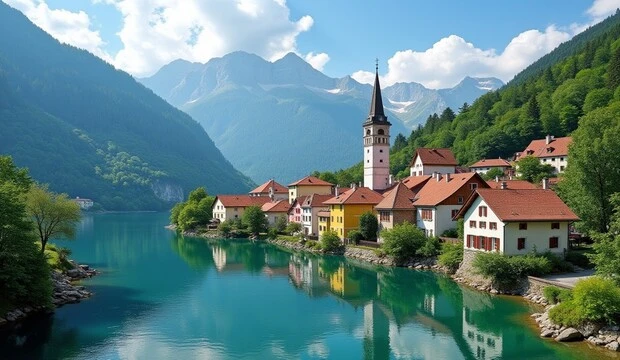
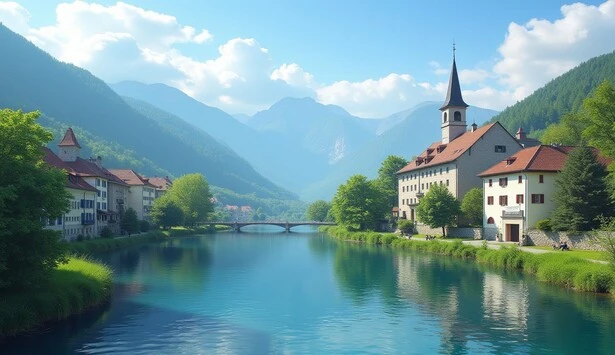
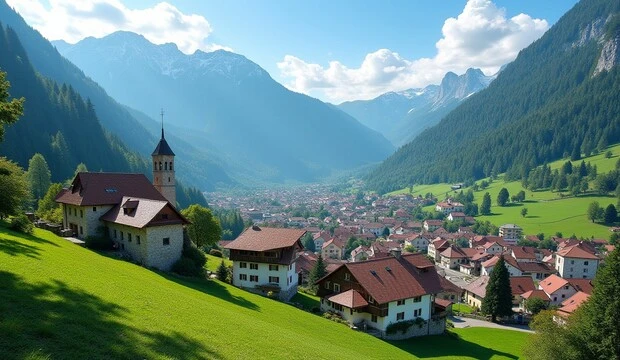
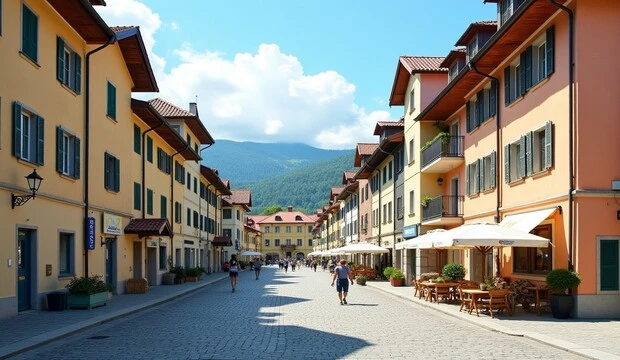
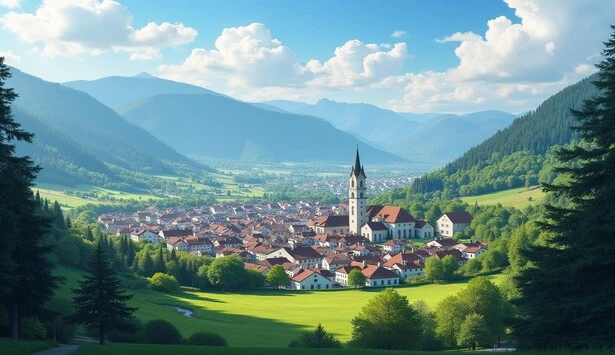
Weather in Gorenjska
 !
!
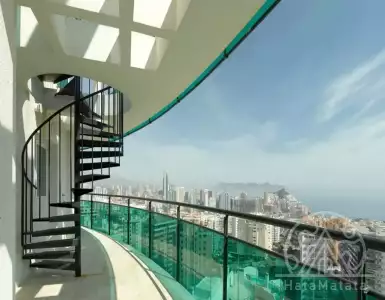
For sale Flat , Spain 210 447 $
📌 A few apartments for sale in Cala de Finestrat - a cozy place between Benidorm and Vieijahoyosa with a...
 !
!
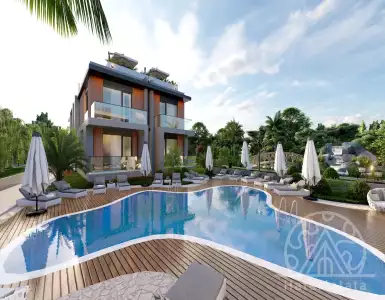
Flat for sale , Cyprus 126 672 $
The new residential complex is located in the foothills of Alsanjak. The complex consists of two two-storey buildings. Block A - 12...
For Sale flat in Gorenjska
Didnt find the right facility?
Leave a request - we will handle the selection and send the best offers in a short period of time



Irina Nikolaeva
Sales Director, HataMatata
Selection flats in Gorenjska in 15 minutes
Leave a request and we will select the 3 best options for your budget
🇸🇮 Buying a flat in Gorenjska: market prices, neighborhoods and legal considerations
Gorenjska is one of Slovenia’s most dynamic regions for residential property, combining Alpine scenery with strong transport links to Ljubljana and Central Europe. Buyers looking to purchase a flat in Gorenjska find a market shaped by tourism hubs such as Bled and Kranjska Gora, industrial and service centres like Kranj and Jesenice, and quieter municipalities such as Radovljica, Škofja Loka, Tržič and Bohinj. Climate, infrastructure and a mixed economy create steady demand for flats for year-round living, holiday use and short-term rental — all of which affect pricing, liquidity and developer interest. Whether you are an investor evaluating ROI or a family relocating, the region delivers a blend of stable long-term rents in urban centres and premium short-term yields in lakeside and ski resort locations.
💶 How much Flat costs in Gorenjska
Gorenjska prices vary sharply by town, proximity to Lake Bled or ski slopes, and whether a flat is new or resale. Expect wide ranges reflecting tourism premiums and local wage levels. Average price per square meter typically runs from €1,400 to €6,000/m² depending on location and finish. New developments near major attractions command the top of the range, while industrial towns remain more affordable.
- Bled: €3,500–6,000/m² for flats close to the lake and promenade; premium apartments exceed €500,000 for 2–3 bedroom units.
- Kranj: €2,000–3,200/m² in central and well-connected neighbourhoods; good options for families and commuting professionals.
- Jesenice: €1,400–2,200/m², attractive for budget buyers and workers in nearby industrial and manufacturing firms.
- Radovljica and Škofja Loka: €2,200–3,500/m², combining historical centres with good rail and road access.
- Kranjska Gora and Bohinj: €3,000–5,000/m² for ski- or lake-oriented residences, with high seasonal rental potential.
Typical flat formats: studios 25–40 m², one-bedroom 40–60 m², two-bedroom 60–90 m², three-bedroom 90–130 m². New developments of flat in Gorenjska often target the 40–80 m² bracket to appeal to both investors and second-home buyers.
🎯 Which district of Gorenjska to choose for buying Flat
Selecting a district depends on purpose: permanent residence, short-term rental, or pure investment. Kranj is the regional administrative and business hub with the best commuter links to Ljubljana; Bled and Kranjska Gora are tourism-driven with high seasonality; Jesenice and Tržič serve local industry and families.
- Advantages of Kranj: modern schools, University of Ljubljana satellite programmes, A2 motorway access, Kranj railway station, and proximity to Jože Pučnik Airport via highway. Demand is steady for resale flat in Gorenjska here.
- Advantages of Bled: international tourism, marina and lake promenade, municipal regulations supporting high-value short-term rentals, and strong foreign buyer interest from Central Europe.
- Advantages of Jesenice and Tržič: lower entry prices, solid long-term rental demand from local workforce, and good road links to Austria and the Karavanke tunnels.
Infrastructure highlights that drive demand include A2 motorway, regional rail lines linking to Ljubljana and Austria, Jože Pučnik Airport accessibility, and hospitals and schools concentrated in Kranj and Jesenice. For investors the rental yield of flat in Gorenjska typically shows gross yields of 3–6% in urban rentals and 5–8% gross in tourist hotspots depending on occupancy and management.
🏗️ Developers and projects of flat in Gorenjska
A range of national construction groups and tourism companies deliver apartments and mixed-use developments in Gorenjska. Recognised names active in the region include Pomgrad, Riko, CGP, and Sava Turizem, each bringing different product types from condominium apartments to resort residences.
- Developer focuses:
- Pomgrad and CGP frequently deliver urban residential blocks and renovation projects in Kranj and Jesenice.
- Riko specialises in engineering and has completed complex residential and mixed-use buildings.
- Sava Turizem develops and manages tourist accommodation and resort apartments around Bled and Kranjska Gora.
- Typical project features:
- New developments of flat in Gorenjska often include underground parking, energy-efficient facades, communal green areas and proximity to transport nodes.
- Payment structures usually allow staged payments linked to construction milestones, and some developers offer marketing support for short-term rentals.
- Standard completion and handover:
- Units are delivered with modern energy ratings (A or B in many projects), with utilities and communal systems ready for registration; warranty and defect liability periods are contractually defined.
Developer installment plan for flat in Gorenjska is commonly available, offering buyers the option to pay a deposit followed by staged payments up to completion, with popular terms being 10–30% down and balance at handover.
💳 Mortgage and installment conditions for flat in Gorenjska
Mortgage for flat in Slovenia for foreigners is widely available but depends on nationality, residency and documentation. Slovenian banks evaluate income, property value, and borrower risk. Typical parameters for foreigners:
- Common lending terms:
- LTV for non-resident buyers is usually 50–70%, with main banks such as NLB, NKBM, UniCredit Banka Slovenije and SKB offering mortgage products.
- Typical mortgage durations extend up to 25–30 years for borrowers meeting income criteria.
- Interest structures can be fixed, variable or mixed; rates vary by profile and lender.
- Down payment expectations and proof:
- Down payments of 20–40% are common for foreigners; higher LTVs are possible for EU/EEA citizens or if the borrower has a Slovenian salary or collateral.
- Banks require identity documents, proof of stable income, credit history and property valuation.
- Developer financing and installment plans:
- Developer installment plan for flat in Gorenjska may include interest-free staged payments until completion, or short-term bridging finance; buyers often combine developer plans with bank mortgages for final payments.
- Flat in Gorenjska with mortgage is a common purchase route for both local and foreign buyers, but pre-approval is recommended before reservation.
📝 Step-by-step legal process of buying flat in Gorenjska
Buying flat in Gorenjska follows clear steps: selection, reservation, checks, contract signing, payment, and registration. Each stage is governed by Slovene property law and cadastral registration.
- Key transactional steps:
- Selection and reservation with a deposit (commonly 5–10%), followed by due diligence including title checks at the land register; buyers should request a verified extract from the Land Cadastre.
- Signing of the sales contract, typically notarised for clarity and enforceability; notarisation and registration fees are paid by buyer or split as agreed.
- Final payment and transfer of ownership upon registration in the land registry; registration times vary but typically take a few weeks for processing.
- Mandatory costs and fees:
- Additional purchase costs usually include notary and land registry fees, potential real estate transfer tax or VAT on new builds, agency commission if applicable, and lawyer or advisor fees. A prudent estimate for additional costs is 2–6% of the purchase price depending on whether VAT applies.
- Utility connection fees and any communal arrears must be checked during due diligence.
- Timeline and practical tips:
- Expect 4–12 weeks from reservation to registration for standard resale flats, longer for off-plan projects depending on construction.
- Always verify encumbrances, easements and building permits; use an English-speaking notary or lawyer if you are a foreign buyer.
⚖️ Legal aspects and taxes for owning Flat in Gorenjska
Ownership rules and tax treatment are important for investment suitability. Slovenia’s legal framework allows foreign ownership with some distinctions between EU/EEA and third-country nationals.
- Purchase rights and permits:
- EU/EEA citizens can buy property in Slovenia without restrictions. Non-EU buyers may require approval from the Ministry of Justice or must purchase via a Slovenian company, subject to reciprocity rules.
- Residence permit through purchase of flat in Gorenjska is not automatically granted; property ownership alone does not confer residency or citizenship. Citizenship through investment in flat in Gorenjska is not a direct pathway; naturalisation requires lawful long-term residence and other statutory conditions.
- Taxes and ongoing obligations:
- Property taxes and municipal fees differ by municipality; buyers should plan for local taxes, waste and utilities, and tourist levies for short-term rentals. Expect additional purchase costs such as VAT on new developments and notary/registration fees. Property taxes on flat in Slovenia are generally set at the municipal level and are modest compared to many EU neighbours.
- Renting a flat requires registration for short-term letting and compliance with local tourism regulations in towns like Bled and Kranjska Gora; tourist tax collection is mandatory.
- Rental and leasing rules:
- Long-term leases are well protected by contract law; landlords should register rental income and adhere to tax reporting. Commercial management companies and local agencies can assist with compliance and guest services for holiday rentals.
🏡 Best purposes and scenarios to buy Flat in Gorenjska
Different buyer goals match different locations and property types. Gorenjska suits primary residence buyers, second-home seekers and investors focusing on seasonal income or long-term appreciation.
- Living and relocation to Gorenjska and purchase of flat:
- Families and commuters favor Kranj and Škofja Loka for schools, healthcare and motorway access; flats sized 60–120 m² are common for family use.
- Relocation buyers should prioritise proximity to transport, schools and employment centres.
- Seasonal residence and tourist investment:
- Buyers seeking a second home flat in Gorenjska prefer Bled, Bohinj and Kranjska Gora for lakeside and alpine access; properties suited for short-term letting are often smaller units with high-end finishes and communal amenities.
- Investment flat in in Gorenjska targeted at holiday rentals can yield higher seasonal returns but requires active management and compliance with local tourism rules.
- Pure investment and rental income:
- Investors aiming for steady cash flow look at Kranj and Radovljica for reliable long-term tenants and modest vacancy rates; ROI on flat in in Gorenjska depends on location but experienced investors report net returns in the mid-single digits after costs in urban rentals and higher during peak tourist seasons for holiday apartments.
- Premium and portfolio strategies:
- Premium flats and penthouses near Lake Bled or ski slopes serve luxury short-term markets and capital preservation for international buyers seeking Alpine exposure.
Gorenjska’s combination of Alpine tourism, industrial employment bases, improving infrastructure and a stable Slovenian legal framework keeps the market for flat in Gorenjska active across buyer types. For buyers and investors, careful selection by district, realistic budgeting for taxes and fees, and professional advice on financing — whether a mortgage for flat in Slovenia for foreigners or a developer installment plan for flat in Gorenjska — will define long-term outcomes. The region’s mix of high-demand tourist nodes and service-town stability supports diverse strategies from second-home ownership to portfolio investments, with prospects tied to tourism flows, infrastructure upgrades and continued interest from neighbouring European buyers.
Frequently Asked Questions
Average asking prices for flats in Gorenjska hover around €2,600 per m², with a typical market range of €1,800–€4,000/m² depending on town (lower in peripheral areas, higher in Bled/Kranj). Median transaction prices are about €2,300/m². Prices reflect local demand, tourism hotspots and proximity to Ljubljana.
EU/EEA/Swiss citizens can buy in Gorenjska with the same rights as Slovenians. Non-EU buyers generally need government permission or must use a registered Slovenian legal entity; rules vary by property type and municipality. Legal review and municipal registry checks are standard before completion.
Property purchase in Gorenjska does not automatically give residence or citizenship. Residence permits require work, business, study, or family ties. Permanent residence typically follows about 5 years of continuous legal stay; citizenship usually requires longer (commonly around 10 years total with language and integration criteria).
Long-term gross rental yields in Gorenjska typically range 3–5%; short-term (tourist) yields can reach 4–8% in hotspots like Bled. Peak summer occupancy in tourist towns often exceeds 60–75% annually; commuter towns near Ljubljana show steadier year-round occupancy and lower vacancy rates.
Gorenjska offers stable capital preservation: diversified demand (tourism + commuters) and moderate appreciation historically in the low single digits annually. Expect lower volatility than major global cities; combine with long-term holding (5–10 years) to smooth short-term cycles and preserve capital.
Residents commonly secure mortgages with 70–90% LTV depending on profile; non-residents often get 50–70% LTV. Typical loan terms 20–30 years; indicative interest spreads vary by lender and risk profile. Local banks require income verification, property valuation and Slovenian registration.
Top picks: Kranj (industrial/commuter demand), Bled and Bohinj (strong tourist demand), Radovljica (heritage tourism) and Jesenice (affordable, regeneration potential). Benefits: proximity to Ljubljana and airport, year-round tourism. Look 5–10 year horizons for strongest capital growth.
Existing dwellings commonly incur a transfer tax (~2% of purchase value); new-builds are often sold subject to standard VAT (22%). Expect notary/registration fees, deed and cadastral costs, and possible municipal fees. Rental income is taxable under personal income rules; consult a tax advisor for specifics.
Consider schooling (local public schools and commute to international schools in Ljubljana), healthcare access, average commute times (Kranj to Ljubljana ~20–30 minutes), flat size vs local norms, and seasonal tourism. Plan moving and school enrollment 2–3 months ahead for smooth transition.
Gorenjska benefits from year-round mountain and lake tourism, supporting demand for holiday and rental flats. Climate shifts may shorten winter seasons but boost shoulder-season outdoor activities. Expect continued value support from infrastructure and sustainable tourism strategies over 5–15 years, with localized regulatory limits in protected areas.
Properties by Region
- Flats in Gorenjska (13)
Properties by Country
- Real estate in Bulgaria (11408)
- Real estate in Montenegro (5368)
- Real estate in Indonesia (2423)
- Real estate in Spain (2289)
- Real estate in Portugal (1975)
- Real estate in Italy (1900)
- Real estate in Turkey (1699)
- Real estate in Cyprus (1592)
- Real estate in Thailand (1565)
- Real estate in Croatia (1431)
- Real estate in Greece (1082)
- Real estate in USA (1013)
- Real estate in France (1006)
- Real estate in Georgia (519)
- Real estate in Serbia (328)
- Real estate in Slovenia (123)
- Real estate in Egypt (23)
Free real estate consultation in Gorenjska
Don't know which area to choose in Gorenjska? We will tell you in which areas it is better to live or invest, and show you the appropriate options.

Maria Guven
Head of Direct Sales Department
+90-507-705-8082