


House in Spain


- 🔸 Reliable new buildings and ready-made apartments
- 🔸 Without commissions and intermediaries
- 🔸 Online display and remote transaction

International Real Estate Consultant
Leave a request and our manager will contact you.
International Real Estate Consultant




Weather in Spain
For Sale house in Spain
Houses in Catalonia
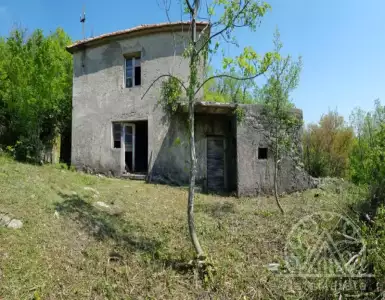
Houses in Balearic Islands



Choosing a property in Spain for your request
- 🔸 Reliable new buildings and ready-made apartments
- 🔸 Without commissions and intermediaries
- 🔸 Online display and remote transaction
International Real Estate Consultant
Houses in Central and Northern Spain
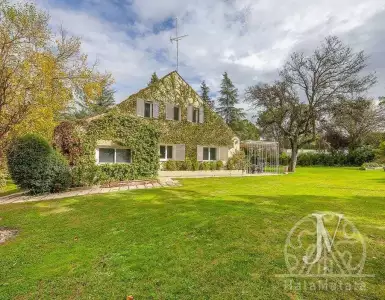
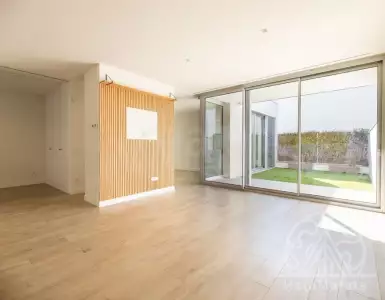

Houses in Andalusia
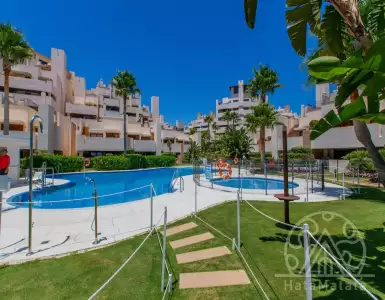
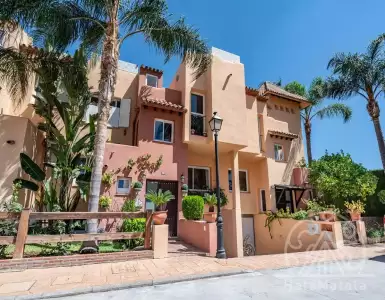

Houses in Valencia and Murcia

 2
2
 2
2
 101
101
 2
2
76
2
2
76
 2
1
60
2
1
60
Houses in Canary Islands



House in Spain
- 🔸 Reliable new buildings and ready-made apartments
- 🔸 Without commissions and intermediaries
- 🔸 Online display and remote transaction
International Real Estate Consultant
Leave a request and our manager will contact you.
International Real Estate Consultant
Individual selection houses in Spain
Save time — for free we will select objects for your budget and goals
🇪🇸 Overview of Spain residential real estate: regional prices, taxes, legal requirements
Spain is a market where climate, culture and connectivity meet clear buyer demand for houses across segments from first-time owners to institutional investors. Coastal corridors, high-speed rail links and global airports combine with a tourism economy that guarantees rental interest in many locations. Buyers weigh Mediterranean microclimates, urban employment hubs and regional legal frameworks when they search to Buy house in Spain, and understanding the interplay of geography, infrastructure and local regulation is critical to a successful purchase.
🌍 Why a House in Spain attracts buyers: geography, climate and infrastructure
Spain’s physical diversity—from the Costa del Sol and Costa Blanca to the Balearic and Canary Islands and the interior plains around Madrid—creates distinct buyer profiles and seasonality in demand. Mediterranean coastlines like Málaga and Alicante offer warm winters and high tourist occupancy, whereas Madrid and the Basque Country deliver year-round demand tied to business and public services.
Major transport nodes shape neighbourhood values: Adolfo Suárez Madrid‑Barajas, Barcelona‑El Prat and Málaga‑Costa del Sol airports, plus the AVE high‑speed rail linking Madrid–Barcelona–Seville–Málaga, significantly increase liquidity for both short‑term rental and resale.
Local infrastructure investments—ports such as Port of Barcelona and Port of Valencia, new hospital campuses, university campuses (Universidad Complutense in Madrid, Universitat de València), and business parks—drive long‑term price resilience and rental demand in adjacent suburbs and new developments.
📈 Investment house in Spain: economy, tourism and market liquidity
Spain ranks among the largest European economies with a diversified mix of services, manufacturing and tourism, and tourism contributes a significant share of national GDP, supporting seasonal and long‑term rental markets across coastal and urban areas. International visitor flows often exceed tens of millions annually, underpinning strong tourist rental pools in places such as Barcelona, Málaga and the Balearics.
Business clusters—financial and tech in Madrid and Barcelona, logistics in Valencia, maritime and tourism in Andalusia—support corporate leasing and relocation demand, improving liquidity for quality stock.
Tax and administrative frameworks matter for investors: predictable regional rules, transparent cadastral records and an established property registration system make Investment house in Spain a comparatively liquid asset in the Mediterranean investment set.
💶 How much House costs in Spain
Prices vary sharply by region, property type and proximity to seafront or transport hubs. Typical ranges for detached houses and townhouses, expressed in US dollars, are:
- Madrid metropolitan detached houses: $350,000–$3,000,000 depending on suburb (Getafe, Pozuelo, Aravaca) and plot size.
- Barcelona and coastal Barcelona province: $400,000–$3,500,000 for family houses in Maresme, Sitges and Castelldefels.
- Costa del Sol (Marbella, Estepona): $500,000–$6,000,000 for villas and estates in gated communities like La Zagaleta and La Reserva de Sotogrande.
- Valencia and Alicante provinces: $150,000–$1,200,000 for country houses, coastal villas and new developments near Alicante Airport.
- Balearic Islands (Mallorca, Ibiza): $600,000–$8,000,000 for premium villas within easy reach of Palma and luxury marinas.
- Canary Islands: $200,000–$2,000,000 with strong rental seasons on Tenerife and Gran Canaria.
Market dynamics show steady demand for renovated village houses and offshore villas in prime tourism belts, while newly built gated communities and sustainable developments capture higher per‑square‑meter pricing. Bullet list of property types and typical sizes: - Townhouse / semi‑detached: 80–200 m², $150,000–$800,000.
- Detached villa: 150–600 m², $350,000–$6,000,000.
- Rural fincas and country houses: 100–1,000 m², $200,000–$3,500,000.
📍 Top cities and regions in Spain for House purchases
Buyers concentrate activity in a clear set of urban and coastal markets according to access, rental demand and international appeal. Key locations and what they offer:
- Madrid metropolitan area: strong year‑round rental demand, proximity to corporate HQs and international schools; higher prices but excellent liquidity.
- Barcelona province: cultural and tech magnet with year‑round and short‑term rental markets; demand concentrated near the coast and Eixample suburbs.
- Costa del Sol (Marbella, Estepona, Sotogrande): international buyers, luxury villas and second‑home market; strong premium pricing and holiday rental yields at peak season.
- Alicante and Costa Blanca (Benidorm, Denia, Jávea): wide choice of affordable houses and strong British, Scandinavian buyer presence.
- Valencia and its metropolitan area: growing logistics and tech sectors; balanced rental demand with lower price points than Barcelona.
- Balearic Islands (Mallorca, Ibiza): high‑end seasonal rentals and marina‑linked demand; premium price per sqm.
Transport nodes, international schools, hospitals and marinas are recurring drivers of price spreads between neighbourhoods.
🏗️ Leading developers and projects in Spain offering House
Large national and regional developers supply both off‑plan villages and gated villa communities. Recognised names include Neinor Homes, Aedas Homes, Metrovacesa, Vía Célere, Taylor Wimpey España and Kronos Homes. Notable projects and areas where they build:
- Valdebebas (Madrid) — mixed‑use new‑build residential area with family houses and amenities near IFEMA and Parque Felipe VI.
- La Finca / Pozuelo corridor — premium gated communities developed by national builders and private promoters for executive families.
- Marbella developments around Nueva Andalucía and Estepona, with projects by boutique and national firms targeting luxury villas and gated complexes.
- Coastal resorts and regeneration projects in Valencia and Málaga provinces featuring modern townhouse clusters and energy‑efficient villas. Bullet list of developer specialities:
- Neinor Homes: large‑scale residential complexes and suburban houses.
- Aedas Homes: contemporary villas and turnkey finishes.
- Taylor Wimpey España: mass‑market coastal villas and townhouses.
- Kronos Homes: mid‑range family houses and infill development.
🏦 Mortgage Spain for foreigners and house in Spain with installment plan
Foreign buyers can access finance through Spanish banks and international lenders; typical lending parameters and developer options are:
- Loan‑to‑value (non‑resident): commonly 60–70% for residential purchases, sometimes up to 80% for EU residents with strong credit.
- Interest and terms: both fixed and variable products exist with durations up to 25–30 years depending on age and income; rates vary by profile and product.
- Developer installment plans: many off‑plan schemes offer staged payments over 12–60 months, interest‑free or with developer financing for a promotional period.
Banks typically require proof of income, tax residency details, NIE number and a local bank account. Search queries such as house in Spain with mortgage and house in Spain with installment plan are common among buyers, and international buyers should pre‑qualify with lenders to secure realistic budgets.
📝 Legal process to buy house in Spain: step-by-step
The acquisition follows a standard legal flow that emphasises due diligence and transparent transfer at a notary. Core steps, with typical timelines:
- Reservation and deposit: buyer signs a reservation agreement and pays a deposit to reserve the property; deposit size varies by project.
- Private contract (contrato privado / contrato de arras): outlines terms, price and penalties; usually a 10% deposit on new builds or resale is customary but can vary.
- Completion at notary (escritura pública): final deed is signed before a Spanish notary and the balance is paid; the notary records the deed and issues the escritura.
- Registration and taxes: buyer registers the property in the Land Registry and pays relevant taxes including transfer tax for resale or VAT for new builds. Bullet list of required documents and actors:
- NIE (tax identification number) for non‑residents, passport, proof of funds.
- Notary public for deed execution, Land Registry for registration, gestor or lawyer for tax filings and local authorities for utilities.
Typical transaction timelines depend on whether the property is new (off‑plan) or resale; resale deeds can close within 4–8 weeks after due diligence if financing is in place.
⚖️ Property taxes in Spain for foreigners and ownership regulations
Taxes and obligatory charges vary by transaction type and region but are predictable components of purchase costs. Main fiscal items are:
- Transfer tax (ITP) on resale: typically 6–10% of the purchase price depending on the region.
- VAT (IVA) on new builds: commonly 10% for most residential properties plus AJD (stamp duty) of around 0.5–1.5% depending on autonomous community.
- Annual property taxes: municipal property tax (IBI), plus non‑resident income tax on rental revenue and potential wealth tax for high net worth owners.
Rental regulations and local tourist licensing are enforced regionally; some municipalities limit short‑term rentals or require special licences—this affects Rental yield for house in Spain and operational feasibility. Buyers should budget for notary and registry fees, legal counsel and recurring charges such as community fees in developments.
🏝️ Which purposes suit buying House in Spain and where to buy for each goal
Spain supports diverse buyer intentions from relocation to high‑yield holiday rentals. Typical use cases paired with locations and property formats:
- Primary residence / relocation: Madrid (family neighbourhoods near international schools) and Barcelona (Eixample, Sarrià) for access to jobs and services; look for townhouses and family villas.
- Seasonal residence / lifestyle second home: Costa del Sol, Balearic Islands and Ibiza for villas near marinas and golf courses; expect higher purchase and maintenance costs.
- Long‑term rental and buy‑to‑let: Valencia and Alicante offer more favourable price entry and steady rental demand; townhouses and small villas near commuter links are popular.
- Premium investment and prestige: Marbella, Sotogrande and Mallorca host high‑end estates and gated communities with lower supply and potential capital appreciation. Bullet list linking purpose to demand metrics:
- Living & relocation: stability, schooling, healthcare access.
- Rental & investment: occupancy rates, tourist flows and local licensing.
- Family use & retirement: access to healthcare and community amenities.
Search terms such as Buy house in Spain, Buy house as a foreigner in Spain, Investment house in Spain, Rental yield for house in Spain and ROI on house in Spain reflect buyer priorities and help match locations to objectives.
Spain also offers residency pathways linked to real estate purchase; the Golden visa through house investment in Spain is accessible for property investments of approximately $550,000 (equivalent to €500,000) and can grant a route to residency for investors and their families, while standard purchase does not automatically confer citizenship. Residency rules and documentary requirements are specific and require legal advice before committing funds.
The purchase outlook for a House in Spain remains supported by strong tourism infrastructure, expanding international demand for quality coastal and suburban family housing, and ongoing urban regeneration in major cities. Investors and private buyers who combine careful legal due diligence with market‑specific strategy—matching property format to location, financing structure and tax planning—are positioned to capture both rental income and capital appreciation across Spain’s differentiated regions.
Frequently Asked Questions
Can foreigners buy a house in Spain?
Yes. Foreigners (EU and non‑EU) can buy property in Spain without general restrictions. You’ll need a Spanish tax ID (NIE) before signing. Non‑residents face different tax rules and may get lower mortgage LTV. Typical timeline: obtain NIE in days–weeks, reservation to closing usually 4–12 weeks.
How much does a house in Spain cost on average?
Nationwide average residential prices hover around €1,900 per m², with an average transaction value near €240,000–€260,000. Prices vary widely: big cities and prime coast often exceed €3,000–€4,500/m² while inland and secondary towns can be well under €1,200/m².
Can buying property in Spain get me a residence permit or Golden Visa?
Yes. Non‑EU buyers who invest €500,000 or more in Spanish real estate can qualify for the Golden Visa residence program. The permit allows entry and renewals while keeping the investment; permanent residency usually follows after 5 years of legal residence and citizenship eligibility typically after 10 years of legal residency.
Is buying to rent in Spain a profitable strategy?
Renting can be profitable in high‑demand areas: gross yields typically range 3–7% depending on city/coast. Tourist locations can give higher seasonal returns but more regulation and vacancy risk. Expect payback periods of roughly 10–20 years depending on yield, costs and financing.
What taxes and fees apply when buying a house in Spain?
Typical transaction costs: resale transfer tax (ITP) ~6–10% depending on region; new builds pay VAT 10% plus stamp duty (AJD) ~0.5–1.5%; notary/registry fees ~1–2%; plus annual property tax (IBI) and non‑resident income/wealth taxes if applicable. Budget 8–12% transaction overhead on resale, higher for new builds including VAT.
How do mortgages work for foreign buyers in Spain?
Spanish banks lend to foreigners; LTV often 60–70% for non‑residents, 70–80% for residents. Interest rates vary with fixed or variable options; approval needs NIE, paperwork, proof of income and a Spanish bank account. Mortgage approval and valuation typically take 2–8 weeks.
Is Spain a safe long‑term property investment?
Spain offers legal stability, EU market access, strong tourism and urban demand. Historically many areas have seen average annual growth in the low single digits with faster recoveries in hotspots. Risks include regional cycles and seasonality; diversify location and verify local fundamentals for long‑term preservation.
What checks should I do before buying a house in Spain?
Do due diligence: confirm title at the Registro de la Propiedad, check outstanding debts and community fees, request the energy certificate, verify planning/licences (especially for tourist rentals), and get a technical survey. Process timeline: reservation deposit, then private contract and completion in 4–12 weeks depending on financing.
If I buy a house in Spain, when do I become a tax resident?
You become a Spanish tax resident if you spend over 183 days in Spain in a calendar year or if your main economic interests are here. Tax residency triggers worldwide income taxation and social security obligations. Plan for income, wealth and local taxes when considering relocation—timing matters for the fiscal year.
Are coastal areas better investments than inland Spain?
Coastal and island markets command higher prices and stronger tourist demand—prices there can be 2–3× the national average per m² and produce seasonal rental income. Inland areas may offer lower entry prices and steadier local demand. Choose based on yield goals, seasonality tolerance and liquidity needs.
Real estate types in Spain
- Flats in Spain (2272)
- Villas in Spain (1450)
- Townhouses in Spain (308)
- Penthouses in Spain (59)
- Duplexes in Spain (12)
- Castles in Spain (12)
- Chalets in Spain (8)
- Hotels in Spain (6)
- Shops in Spain (4)
- Offices in Spain (3)
- Lands in Spain (2)
Real estate types by regions of Spain
Properties by Region
- Houses in Andalusia (1111)
- Houses in Catalonia (170)
Properties by Country
- Real estate in Bulgaria (11436)
- Real estate in Montenegro (5324)
- Real estate in Spain (5197)
- Real estate in Indonesia (2424)
- Real estate in Turkey (2317)
- Real estate in Portugal (2037)
- Real estate in Croatia (1682)
- Real estate in Cyprus (1658)
- Real estate in Italy (1567)
- Real estate in Thailand (1565)
- Real estate in Greece (1121)
- Real estate in France (1070)
- Real estate in USA (732)
- Real estate in Georgia (507)
- Real estate in Serbia (246)
- Real estate in Slovenia (125)
- Real estate in Egypt (20)
Don't know where to start buying a property in Spain?
Leave a request and receive free advice on prices, taxes, residence permits and the real estate market. in Spain.

Maria Guven
Head of Direct Sales Department
+90-507-705-8082