


Real Estate in Patong
Real estate in Patong for living, investment and residence permit
- ✓ Verified properties directly from developers
- ✓ No overpayments or commissions
- ✓ Guarantee of transaction purity and post-purchase support

International Real Estate Consultant
Need help choosing a property?
Leave a request and our manager will contact you.
International Real Estate Consultant
Hot Deals

For Sale Real Estate in Patong
70 listings
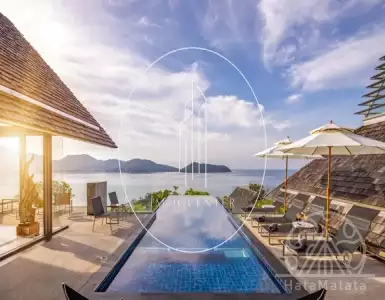
 5
5
 900
900
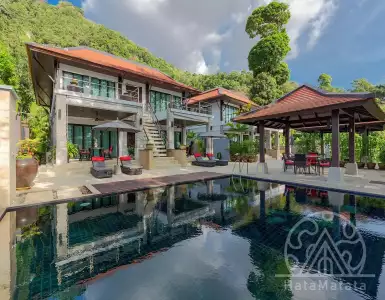
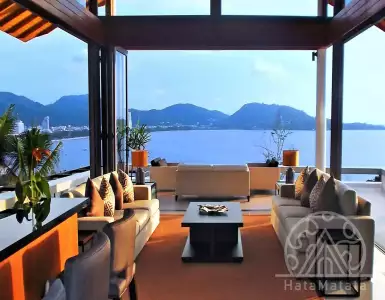
Villa Benyasiri in Samsara on the island of Phuket is located in a stunning location, offering breathtaking 270-degree views of...
Submit Request
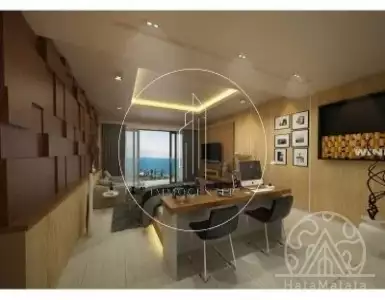 1
70
1
70
PHUKET APARTMENT IN PATONG WITH AN AREA OF 70 M2 AND ONE MAIN BEDROOM. THE KITCHEN IS OPEN TO THE...
Submit Request
Hot Deals

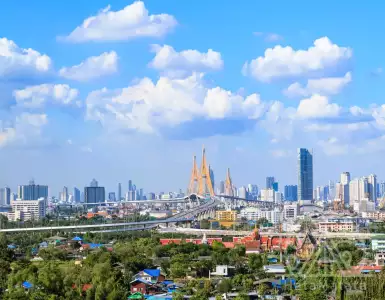


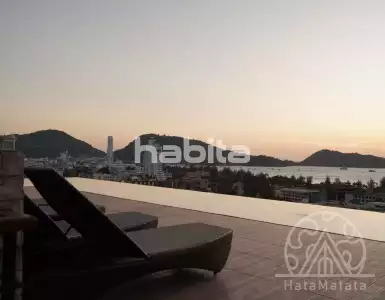 2
2
 2
120
2
120
Spacious 2 bedroom apartment with views of the sea and all of Patong. Large exquisite fully furnished and equipped 120...
Submit Request
Real estate in Patong for living, investment and residence permit
- ✓ Verified properties directly from developers
- ✓ No overpayments or commissions
- ✓ Guarantee of transaction purity and post-purchase support
International Real Estate Consultant
 4
6
350
4
6
350
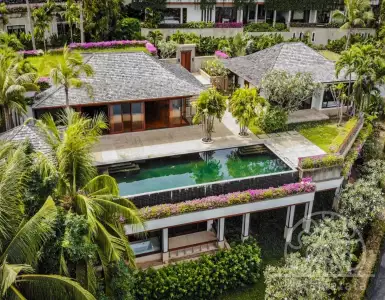
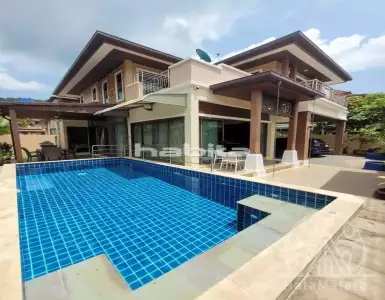
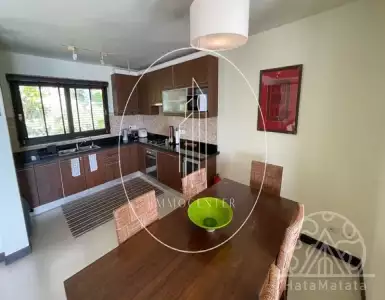
On the beautiful hill of Patong, which offers a breathtaking view of the Andaman Sea. Just 2 minutes away from...
Submit Request
 5
1
900
5
1
900
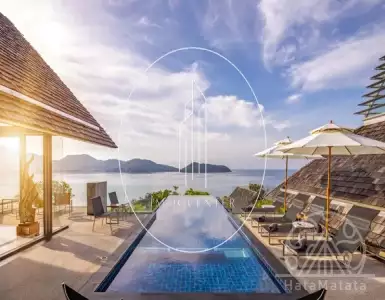
PHUKET Villa Benyasiri at Samsara occupies a breathtaking location, offering stunning 270-degree ocean views encompassing hills, city, and beachscapes from...
Submit Request
 4
6
350
4
6
350
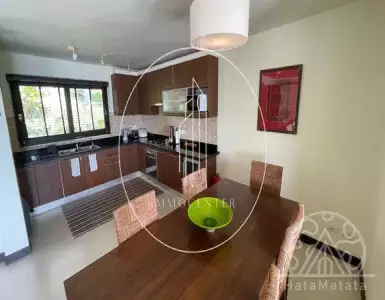
On the beautiful hill of Patong, with stunning views of the Andaman Sea. Just 2 minutes away from the hustle...
Submit Request

Real Estate in Patong
Real estate in Patong for living, investment and residence permit
- ✓ Verified properties directly from developers
- ✓ No overpayments or commissions
- ✓ Guarantee of transaction purity and post-purchase support
International Real Estate Consultant
Need help choosing a property?
Leave a request and our manager will contact you.
International Real Estate Consultant
Need help choosing real estate in Patong?
Leave a request and we will select the 3 best options for your budget
!
Sell flat in Patong, Thailand 403 956 $
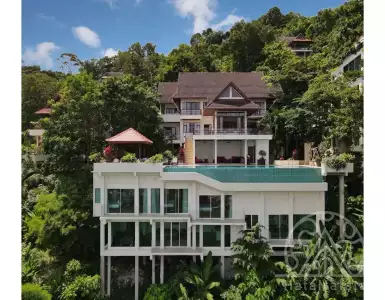
Spacious 2 bedroom apartment with views of the sea and all of Patong. Large exquisite fully furnished and equipped 120...
 !
!
Other Properties for sale in Patong, Thailand 2 634 279 $
Villa Yoosook is located in the back of Patong, to the west, in the center of the bay, offering views...
🇹🇭 Patong, Phuket real estate: beachfront condos, rental demand and leasehold options
🏖️ Patong city overview and lifestyle in Patong
Patong sits on the west coast of Phuket Island and is the island’s most recognizable resort neighbourhood, centered on the crescent of Patong Beach and backed by low, jungle-clad hills. The area blends a high-energy tourist core with quieter residential slopes; climate is tropical monsoon with a distinct wet season and a long dry season favourable to year‑round beach tourism. Patong Beach and the adjacent shoreline along Thaweewong Road form the practical and emotional heart of life in Patong, drawing sunbathers, restaurants, and watersports operators.
Patong’s character is a mix of international tourism infrastructure and local Thai commerce, making it attractive both for lifestyle buyers seeking a resort atmosphere and investors targeting rental income. The main promenade and beachfront are dense with hotels, bars and restaurants, while short drives or climbs into the hills reveal gated condo complexes and low-rise villas with sea views. Residents benefit from a compact urban layout where most everyday needs are within a short walk or a 10–20 minute tuk‑tuk ride.
For anyone looking to buy property in Patong, the lifestyle balance is clear: beachfront convenience and strong rental demand in the centre, and quieter living with better value per square metre on the periphery. Real estate in Patong is therefore as much about lifestyle as it is about cash flow, and buyers range from holiday homeowners and retirees to professional investors seeking tourism‑linked returns.
💶 Property prices in Patong
Prices in Patong vary sharply by location, type and project status. Beachfront and central condos command the highest figures, hillside villas and outlying townhouses are mid‑range, and resale bargains can occasionally be found in older buildings. Expect price per square metre to differ widely:
- Beachfront central condos: 120,000–250,000 THB/sq.m (approx. $3,500–$7,500/sq.m)
- Hillside condos and semi-central units: 60,000–120,000 THB/sq.m (approx. $1,700–$3,500/sq.m)
- Villas in Patong hills: 8–50 million THB (approx. $240,000–$1.5M) depending on land size and sea view
By property category, typical market tiers look like:
- Apartments / studios (central Patong): from 2.5 million THB for resale studios; new developments in Patong often start at 4–6 million THB for one‑bedroom units.
- Two‑bedroom condos: from 6 million up to 20 million THB in premium blocks.
- Townhouses / low‑rise: from 5–12 million THB depending on plot and finishing.
- Commercial / retail on main roads: highly variable, often priced by rental roll and tourist footfall.
Recent market dynamics show steady demand for off‑plan property in Patong and new build property in Patong from buyers wanting modern finishes and managed rental programs. Resale property in Patong can offer immediate cashflow, while off‑plan units typically come with developer instalment plans and early‑buyer pricing.
🎯 Which district of Patong to choose for buying property in Patong
Patong’s urban fabric can be described in practical neighbourhoods rather than administrative wards. Each has distinct buyer profiles and investment logic.
Beachfront central (Thaweewong Road and Rat-U-Thit area)
- Proximity: immediate beach access, main promenade and Jungceylon shopping mall nearby.
- Livability: lively, highest pedestrian traffic, ideal for short‑term rentals and holiday buyers.
- Buyer profile: investors targeting premium nightly rates, lifestyle buyers who prioritise convenience.
Bangla Road / Central entertainment strip
- Proximity: heart of nightlife and late‑night economy, short walk to beach.
- Livability: noisy and active at night; excellent for hospitality and commercial investment but less attractive for families.
- Buyer profile: investors focusing on holiday rentals, retail units and small boutique hotels.
Hillside residential (west and north of central Patong)
- Proximity: 5–15 minute drive to beach, elevated plots with sea views.
- Livability: quieter, safer for families, lower building density, gated communities common.
- Buyer profile: long‑term residents, retirees, buyers wanting larger units or villas for privacy.
🚆 Transport and connectivity to and from Patong
Patong is well connected by road to the rest of Phuket, with multiple arterial routes linking the town to the airport, Phuket Town and southern beaches. Travel times (typical ranges) are:
- Patong to Phuket International Airport: 40–60 minutes by car, depending on traffic.
- Patong to Phuket Town: 20–35 minutes along the main western corridor.
- Patong to Karon and Kata Beaches: 10–20 minutes by road.
Public transport options are limited compared to major cities but include local songthaews (shared trucks), metered taxis, ride‑hailing services and private transfer operators. Road access for developers and logistics is straightforward and Patong’s main beachfront road (Thaweewong Road) provides direct tourist access, while hillside roads serve residential pockets. For international buyers considering property purchase, good road connectivity and airport transfer times are among the key practical metrics to evaluate.
🏥 Urban infrastructure and amenities in Patong
Patong provides concentrated amenities tailored to tourism and resident needs. Major facilities include Jungceylon Shopping Center, multiple supermarket chains, international restaurants, beach clubs and numerous wellness centers. For healthcare and education:
- Medical: Bangla Road area clinics and Patong Hospital for primary and emergency care; Bangkok Hospital Phuket and private hospitals in Phuket Town are reachable within 30–50 minutes for specialist care.
- Education: international and bilingual schools are concentrated outside Patong in wider Phuket (transport 20–40 minutes), suitable for families relocating with school‑aged children.
- Leisure: watersports operators, beachfront gyms, night markets and several quality spas and diving schools.
Investors evaluating real estate in Patong should prioritise proximity to Jungceylon mall, main roads and medical facilities for both rental appeal and resale liquidity.
📈 Economic environment and city development in Patong
Patong is economically driven by tourism and hospitality, forming a cornerstone of Phuket’s visitor economy. The town supports a dense cluster of hotels, restaurants, tour operators and retail, with seasonal occupancy peaks and steady year‑round tourism flows. Key economic signals for investors:
- Tourism remains the primary employment sector, supporting a high number of short‑term rental listings and hospitality jobs.
- Local investment focuses on hotel refurbishments, condo conversions and boutique resort projects rather than large-scale industrial development.
- Business activity is dominated by hospitality, food & beverage, real estate services and retail with growing interest in managed short‑stay operations and co‑working spaces targeted at digital nomads.
This economic structure underpins strong rental demand for investment property in Patong and a resilient second‑home market for international buyers.
🏘️ Property formats and housing types in Patong
Patong’s housing stock is a mix of hotel‑style condos, low‑rise townhouses, and standalone villas on the hillsides. Typical formats include:
- High‑density beachfront condominiums with studios to three‑bedroom layouts, often with communal pools and hotel‑style management.
- Low‑rise boutique condo projects offering larger floorplates and on‑site services aimed at longer‑stay guests.
- Townhouses and private villas in hillside neighbourhoods offering plot ownership, private gardens and multi‑car parking.
New developments in Patong are often marketed as mixed‑use projects or resort‑style condos with management for short‑term rentals. Resale property in Patong includes older concrete blocks and converted apartments that can be renovated for better yields.
🏗️ Developers and key residential projects in Patong
Patong’s development landscape is dominated by hospitality operators and regional developers who specialise in resort properties. Well‑known hotel operators and projects in Patong include:
- Amari Phuket (beachfront hotel and resort)
- Millennium Resort Patong (central high‑rise hotel)
- Swissôtel Resort Phuket Patong Beach (international branded resort)
- Jungceylon Mall (major retail and leisure complex anchoring central Patong)
Regional and national Thai developers who have executed residential and condo projects across Phuket province include Sansiri and Pruksa/Pruksa Real Estate, both of which have undertaken island projects and off‑island resort builds. In Patong, boutique local developers and hotel groups manage smaller off‑plan condo blocks and villa compounds; construction quality varies, so buyer due diligence on building permits, sinking funds and construction warranties is essential.
💳 Mortgage, financing and installment options for buying property in Patong
Financing for foreigners buying property in Patong is possible but more constrained than for Thai nationals. Typical conditions include:
- Down payment / deposit: 20–30% minimum for foreign buyers when obtaining a Thai bank mortgage; developers often require 10–30% on off‑plan property in Patong.
- Interest rates: commonly floating rates in a 4–7% range depending on borrower profile, loan size and bank; terms for foreigners tend to be shorter (10–15 years) than local mortgages.
- Developer financing: many projects offer installment plans during construction with staged payments and sometimes promotional interest‑free periods.
For buyers looking to buy property in Patong with mortgage or to buy property in Patong in installments, planning for finance approval, proof of income and local tax residency status is critical. Banks will assess creditworthiness, and use of a local Thai co‑borrower or corporate structure can alter available terms.
🧾 Property purchase process in Patong
Buying real estate in Patong follows a sequence familiar to Thailand property markets:
- Reservation and deposit: buyer signs a reservation or booking form and pays a nominal deposit to reserve the unit.
- Sale & Purchase Agreement: outlines price, payment schedule and completion milestones, commonly used for off‑plan property in Patong.
- Title and transfer: final payment is made at the local Land Office, taxes and fees are settled and title is transferred; for condominium freehold the Land Office registers the unit in the foreign owner’s name once funds are proven.
Payment methods emphasise traceability: foreign buyers must transfer purchase funds as foreign currency to Thailand and obtain a bank certificate to register freehold condominium ownership. Typical fees include transfer tax, specific business tax where applicable, stamp duty and legal fees.
⚖️ Legal aspects and residence options for foreigners buying property in Patong
Thailand’s ownership rules are straightforward for condominiums but restrictive for land:
- Foreigners can hold condominium units freehold, subject to the 49% foreign quota in the building. Proof of foreign currency remittance is required for registration.
- Land and houses are generally not available for freehold by foreigners; common structures include leasehold (typically up to 30 years, renewable) and holding with a Thai majority company (complex and subject to rules).
- Property taxes and transfer fees: buyers should budget for transfer fee (commonly 2% of registered value), stamp duty, and specific business tax in certain resale cases; withholding tax on sale may also apply depending on seller type.
Buying property in Patong does not automatically grant a residence permit; visa options for investors include retirement visas, work permits, or Thailand Elite programs, and visa advice should be obtained from immigration specialists.
🔑 Property use cases and investment strategies for property in Patong
Different buyer goals map to specific neighbourhoods and property types:
- Permanent residence / relocation
- Preferred districts: hillside residential zones for quieter living; property types: larger condos, townhouses or villas with secure parking and long‑term water/electric reliability.
- Long‑term rental (tenants on 6–12 month leases)
- Preferred districts: central Patong and residential periphery; property types: two‑bedroom condos and townhouses with kitchen facilities.
- Short‑term rental / holiday letting (high turnover)
- Preferred districts: beachfront and Bangla Road adjacency; property types: studios and one‑bedroom condos in managed buildings with pool and reception.
- Capital growth / buy‑and‑hold investment
- Preferred districts: established beachfront blocks and hillside developments where land scarcity supports long‑term appreciation; property types: branded condos and villas with sea views.
- Premium lifestyle purchases
- Preferred districts: exclusive hillside enclaves with private access and panoramic views; property types: high‑end villas with private pools and concierge services.
Typical investment metrics for Patong: gross rental yields for short‑term holiday condos commonly fall in the 5–8% range, with net yields varying by management fees and occupancy. ROI for renovations or repositioned resale property can be compelling where occupancy and nightly rates are strong.
Patong’s compact beachfront, busy entertainment core and rising standards of hotel and condo management make it a highly liquid market for buyers who prioritise tourism‑driven rental income, while hillside residential pockets give lifestyle buyers and families a quieter, long‑term option. Whether you are seeking a resale property in Patong, an off‑plan property in Patong on an instalment plan, or to buy property in Patong with mortgage financing, careful due diligence, local legal counsel and an understanding of neighbourhood dynamics will shape a sound purchase decision.
Frequently Asked Questions
Condo studios in Patong typically sell from about $70,000–$180,000 (≈2.5–6.5M THB). 1–2BR condos often range $120,000–$350,000 (≈4–12M THB). Small villas and townhouses start near $300,000 and can exceed $3,000,000 for luxury hillside villas. Price per m² commonly sits between roughly $2,000–$5,000 (≈70,000–175,000 THB/m²) depending on location and sea views.
Foreigners can own condo units freehold if the building’s foreign quota allows up to 49% foreign ownership. Land cannot be owned outright by non‑Thai individuals; common options are 30‑year leaseholds (renewable), long leases, or holding via a Thai company (complex and regulated). Mortgages for foreigners exist but are limited; always check the building’s register and get legal advice.
Patong has strong tourist demand, with high season occupancy (Nov–Apr) and lower season mid‑year. Short‑term gross yields often run about 5–8%, long‑term rents nearer 3–5% gross; net yields vary after management and fees. Liquidity is moderate: popular units can sell in weeks–months in season, quieter units may take longer. Location and unit size drive rental performance.
Typical transaction costs: land office transfer fee ≈2% of official appraised value; seller may face Specific Business Tax 3.3% if sold within certain holding periods or stamp duty 0.5% instead. Expect legal/conveyancing fees ~0.5–1.5% and agent commission commonly 3–5% if used. Transfer processing usually takes 1–4 weeks at the Land Office. Annual local property taxes are small and assessed locally.
Patong is a resort town with full daily services: supermarkets, clinics, international‑standard hospitals elsewhere on Phuket, and some international schools on the island. Road transport, motorbikes and taxis are common; Phuket International Airport is about 40–60 minutes by car. For family living, quieter hillside neighborhoods are better than central nightlife areas.
Yes—Patong offers reliable 4G/5G and fiber in many areas; typical home/fiber speeds are commonly 50–200 Mbps and packages can cost roughly $20–40/month. There are cafes and coworking options and a social lifestyle for long stays. Visa arrangements are national—plan appropriate long‑stay visas or extensions before relocating.
Beachfront/Patong Beach Road: premium for short‑term rental and high rates. Central town and streets near Bangla Road: excellent for tourism‑focused rentals but noisier. Upper/hillside and western edges: quieter, better for families and long‑term tenants. Expect beachfront premiums of roughly 10–30% versus inland units.
Off‑plan risks include construction delays (commonly 6–36 months), quality or scope changes, developer insolvency, and limited recourse if contracts are weak. Typical deposits range from small reservation fees to 10–30% staged payments. Protect by checking building permits, developer track record, bank guarantees/escrow arrangements, clear completion timelines, and using a local lawyer for contracts.
Property by cities
Properties by Region
Services in Patong
Properties by Country
- Real estate in Bulgaria (11408)
- Real estate in Montenegro (5348)
- Real estate in Indonesia (2423)
- Real estate in Spain (2289)
- Real estate in Portugal (1975)
- Real estate in Italy (1897)
- Real estate in Turkey (1699)
- Real estate in Cyprus (1589)
- Real estate in Thailand (1565)
- Real estate in Croatia (1431)
- Real estate in Greece (1082)
- Real estate in USA (1013)
- Real estate in France (1006)
- Real estate in Georgia (519)
- Real estate in Serbia (328)
- Real estate in Slovenia (123)
- Real estate in Egypt (23)
Get the advice of a real estate expert in Patong — within 1 hour
Looking for a property in Patong? Leave a request — we will help you take into account all the nuances, and we will offer objects according to your personal request.

Maria Guven
Head of Direct Sales Department
+90-507-705-8082