


Real Estate in Ankara

International Real Estate Consultant
Leave a request and our manager will contact you.
International Real Estate Consultant
Real Estate in Ankara
International Real Estate Consultant
Leave a request and our manager will contact you.
International Real Estate Consultant
Weather in Ankara
 !
!
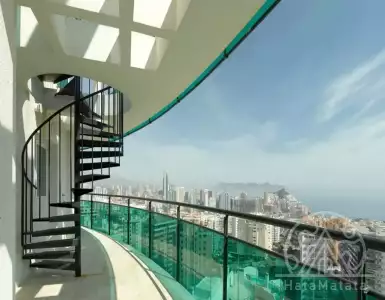
For sale Flat, Spain 212 248 $
📌 A few apartments for sale in Cala de Finestrat - a cozy place between Benidorm and Vieijahoyosa with a...
 !
!
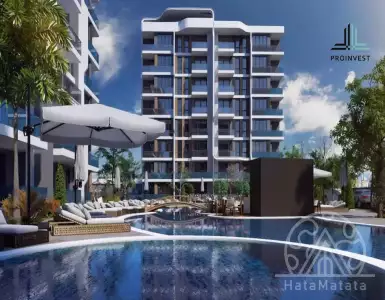
Buy flat, Turkey 167 932 $
ID AN 24382 Main Features: Location:Antalya District:Altintaş Type of property: Housing under construction Number of rooms: 1+1, 2+1
For Sale Real Estate in Ankara
11 listings

 2
2
 2
2
 80
80
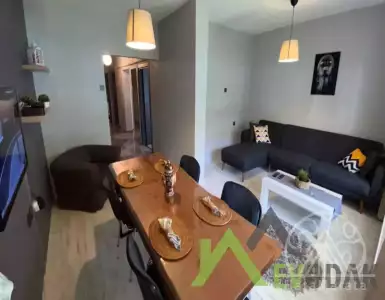
The apartment is 2 + 1, with an area of 85 sq.m, and has round-the-clock hot water supply. The...
Submit Request
 4
4
250
4
4
250
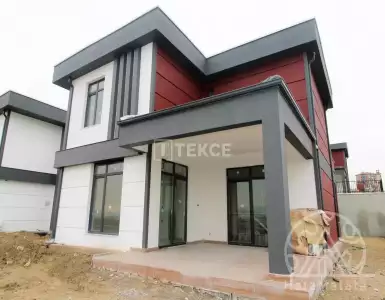
Luxurious villas in the boutique villa complex in Ankara Bağlıca. Villas with luxurious design are located in the Etimesgut district...
Submit Request
Popular



Subscribe to get newsletter from Hatamatata.com!



Irina Nikolaeva
Sales Director, HataMatata
 4
2
190
4
2
190
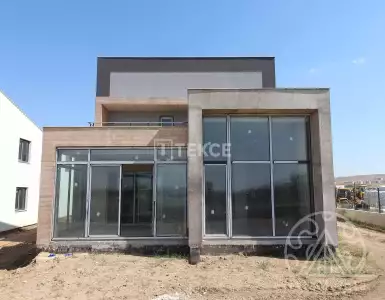
Luxury homes with a view of the lake in a gated complex in Sincan Ankara Luxury homes are located in...
Submit Request
Need help choosing a property?
Leave a request and our manager will contact you.
International Real Estate Consultant
 2
2
95
2
2
95
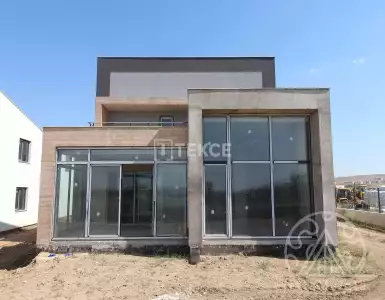
Luxury homes with a view of the lake in a gated complex in Sincan Ankara Luxury homes are located in...
Submit Request
 4
3
250
4
3
250
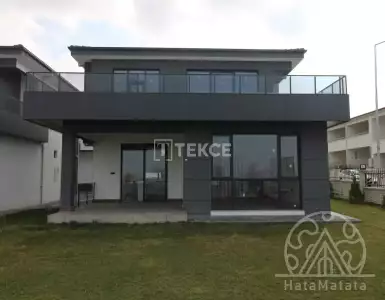
Spacious villas in Ankara's prestigious Etimesgut neighborhood New luxury villas are located in a villa project in Baglica, a growing...
Submit Request
 4
4
260
4
4
260
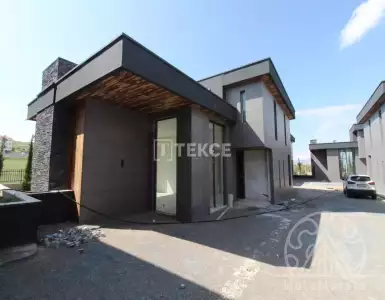
Villas in a new project in Ankara Baglica Villas for sale in a boutique residential project are located in Ankara's...
Submit Request

Recommended to see
 1
1
50
1
1
50
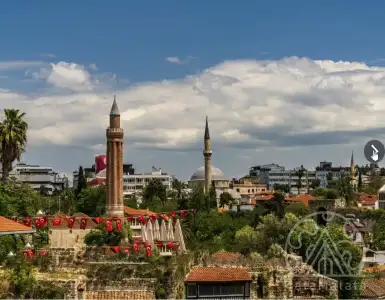
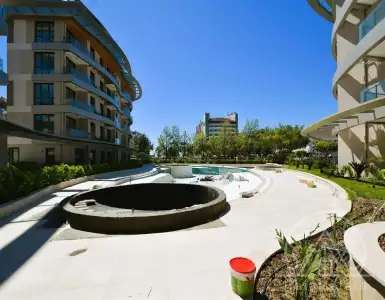
Modern apartment 1+1 in the green area of Antalya The perfect combination of comfort, silence and attractive price for living or...
Submit Request
 1
1
66
1
1
66
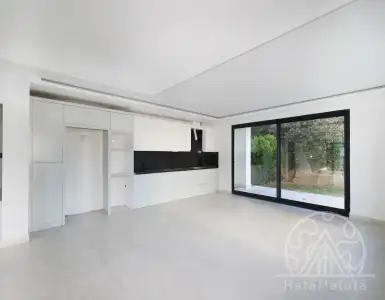
What you get: Apartments 1+1 in an exclusive premium project in Oba district. Area/beach: Both are a developed area 5...
Submit Request
 1
62
1
62
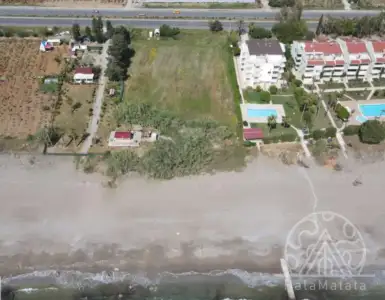
For investment What you get: Apartments of different layouts in a new elite project in the Kargicak district. Area/beach: The...
Submit Request
 1
4500
1
4500
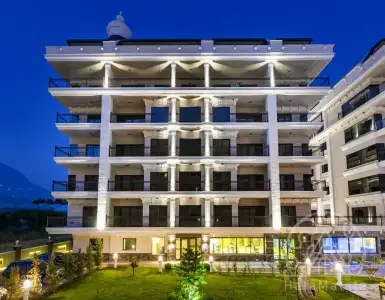
Land for Sale in Alanya Demirtaş with Its Own Beach by the Sea
Submit Request
 2
2
100
2
2
100
For rent. For investment What you get: Apartments in a premium class complex in Kargicak district, Alanya. ; About construction:...
Submit Request
 1
2
61
1
2
61
For rent. For investment What you get: A cozy complex 100 meters from the sea in Alanya. On construction: The...
Submit Request
 1
1
50
1
1
50
For rent. For investment What you get: A new project of a residential complex in the center of Avsallar. On...
Submit Request
 1
1
51
1
1
51
What you get: Apartments in a new complex with infrastructure in Payallar district, Alanya. On construction: The construction of the...
Submit Request
 1
2
66
1
2
66
For rent. For investment What you get: A chic complex near the sea in a quiet, elite area of Kargicak....
Submit Request
 1
2
75
1
2
75
For rent. For investment What you get: A large-scale project in a beautiful tourist area of Istanbul, in the Kadykei...
Submit Request
 1
2
60
1
2
60
For rent. For investment What you get: Housing in a complex with infrastructure in Avsallar. On construction: Construction of the...
Submit Request
 2
1
98
2
1
98
For rent. For investment What you get: Apartments with panoramic views in the mountains of Tepe district, Alanya. On construction:...
Submit Request
!
For sale Flat, Spain 212 248 $
📌 A few apartments for sale in Cala de Finestrat - a cozy place between Benidorm and Vieijahoyosa with a...
!
Buy flat, Turkey 167 932 $
ID AN 24382 Main Features: Location:Antalya District:Altintaş Type of property: Housing under construction Number of rooms: 1+1, 2+1
🇹🇷 Ankara real estate for sale: apartments, villas, prices & property taxes
Ankara sits at the heart of Turkey both geographically and administratively, and for buyers the city represents a stable, lower-volatility alternative to coastal hotspots. With a metropolitan population of about 5.7 million, a dense public sector employer base and major universities, Ankara combines predictable rental demand, solid infrastructure and wide choice between new build property in Ankara and secondary market property in Ankara. The city’s central position on the national road and rail network makes it practical for domestic corporate relocations and international investors seeking steady yields rather than speculative holiday gains.
🌍 Ankara geography, climate and transport accessibility
Ankara is located on the Anatolian Plateau at an average elevation of around 900–1,000 metres, giving it a continental climate with cold, snowy winters and hot, dry summers that influence insulation and heating needs in property choice. The city’s geography concentrates business and cultural life along corridors such as Konya Yolu and Eskişehir Yolu while residential expansion extends west and northwest toward Çankaya and Bilkent.
Ankara’s transport infrastructure is robust for an inland capital: Esenboğa Airport is approximately 28 km from Kızılay (city centre) with frequent domestic and international flights, while the high-speed train (YHT) connects Ankara with Istanbul and Konya in competitive travel times. The metro network (Ankaray and multiple M-lines), suburban rail and an extensive bus system make most districts accessible and attractive for commuters.
Ankara’s public and social infrastructure is a major plus for property buyers: Hacettepe University, Middle East Technical University (METU), Bilkent University and Ankara University create student rental markets; health infrastructure centers on Ankara City Hospital (one of the largest hospital complexes in Turkey with several thousand beds) and private hospitals such as Hacettepe Hospitals; and government ministries and defense industry clusters ensure stable white‑collar tenancy in neighborhoods near Söğütözü and Çankaya.
📈 Ankara economy and real estate investment potential
Ankara is the administrative capital and a major public-sector employment hub, which translates into stability: public administration, defense, higher education and health services are primary employment drivers. The city’s diversified employment base cushions local real estate demand from tourism cycles that affect coastal markets.
Ankara contributes significantly to the national economy and benefits from continuous state-led investment programs in infrastructure and urban renewal. Migration into Ankara is steady because of university intake and civil service recruitment, supporting long-term rental demand. Institutional investors often regard Ankara as delivering lower vacancy risk relative to speculative coastal destinations.
Ankara’s property market historically shows moderate returns with lower volatility. Typical gross rental yields for well-situated flats near universities or business corridors range around 4–6%, and yields in student-dominated micro‑markets can be higher. For capital preservation and income-oriented portfolios, Ankara is regularly recommended by investment advisors who want predictable cashflow and easier tenant placement.
💶 Property prices in Ankara by type and district
Prices in Ankara vary significantly by district, proximity to universities, government offices and new infrastructure corridors. Below are typical price bands to orient buyers considering whether to buy property in Ankara for residence or investment.
- Çankaya, Kavaklıdere, Kızılay (central, premium): $1,200–$2,500 per m² for high-end apartments and renovated older stock.
- Bilkent, Çayyolu (university and upper-middle class suburbs): $900–$1,500 per m² for modern complexes and gated communities.
- Etimesgut, Eryaman, Yenimahalle (mass‑housing corridors and new builds): $600–$1,100 per m² for new developments and family apartments.
- Keçiören, Mamak, Sincan (affordable market): $400–$800 per m² for secondary market and value-oriented buyers.
Average apartment sizes and costs:
- Typical apartment sizes: 70–140 m² for family flats; student studios 30–45 m².
- Typical transaction values: entry-level flats in suburbs from $40,000–$80,000, central 2‑3 bedroom flats commonly $120,000–$300,000.
Market dynamics currently show steady demand for new build property in Ankara and rising interest in projects offering modern amenities, energy efficiency and proximity to metro stations. Developers often sell early with instalment plans, while secondary market property in Ankara remains attractive for immediate rental income.
🎯 Best areas in Ankara to buy property
Çankaya remains the diplomatic and administrative heart, offering premium apartments, embassies and luxury condominium projects, making it ideal for executive relocation and prestige buyers. Söğütözü is the central business district with office towers and modern complexes that appeal to corporate housing and serviced-apartment investors.
Bilkent and Çayyolu are strong for families and expatriates due to international schools and green corridors, while proximity to METU and Bilkent universities creates reliable student rental pools. Etimesgut and Eryaman are where many large-scale housing projects are completed or under construction, offering value buys with modern amenities and higher rental yields.
- Districts to watch: Çankaya, Yenimahalle, Etimesgut, Keçiören, Sincan, Mamak, Çayyolu, Bilkent, Söğütözü.
- Micro-locations with demand: Metro-adjacent corridors, areas near university campuses, and sites close to the high-speed train station and Esenboğa Airport.
🏗️ Developers and major projects in Ankara
Large-scale players active in Ankara include government-backed entities and national developers that deliver both new build property in Ankara and urban renewal schemes. TOKİ (Toplu Konut İdaresi) and Emlak Konut GYO are prominent in large social and mixed-use projects; their developments often set pricing benchmarks for surrounding neighborhoods.
Private developers with a country-wide presence occasionally operate in Ankara through joint ventures and local projects; national names working on residential and mixed-use projects make it easier for international buyers to verify track records and warranty terms. Commercial assets such as AnkAmall and new office towers in Söğütözü anchor local retail and corporate demand.
- Notable developer types: State housing agency (TOKİ), national listed developers (Emlak Konut), local contractors partnering on mass‑housing complexes.
- Project types: Gated complexes with social facilities, high-rise apartments in business districts, regenerations of older quarters under public-private schemes.
💳 Mortgages and installment plans for property in Ankara
Foreigners can obtain financing and developer instalment plans to buy property in Ankara, though terms differ from those offered to Turkish citizens. Many banks offer residential mortgages to non-residents subject to credit assessment, equity and valuation.
- Down payment expectations: Foreign buyers should expect minimum down payments around 25–40%, with many deals requiring 30% or more.
- Loan-to-value and terms: Banks may offer LTV up to 50–70% in some cases; terms commonly range 5–15 years, and currency of the loan can be TL, USD or EUR depending on bank policy.
- Interest and developer offers: Mortgage interest rates are variable and are set by individual banks; developers frequently provide interest-free installment plans for early purchasers as part of sales campaigns.
Major Turkish banks that have financed foreign buyers include Ziraat Bankası, İşbank, Garanti BBVA, Yapı Kredi and others, and foreign buyers should compare terms and insist on clear repayment schedules and penalty clauses.
📝 How to buy property in Ankara — step-by-step purchase process
The purchase process in Ankara follows clear legal steps that experienced agents and lawyers can guide through, from selection to title registration. Start by securing a Turkish tax ID number (easy to obtain at tax offices) and opening a local bank account for deposit and payments.
- Typical purchase steps:
- Property selection and negotiation, including viewing and due diligence.
- Reservation agreement and deposit, commonly followed by a sales contract (preliminary or notary contracts).
- Title deed (TAPU) transfer at the Land Registry with payment of the title deed tax (4% of declared value) and registration fees.
- Final payments, DASK earthquake insurance and utility transfers, then collection of the TAPU document.
Buyers should commission a property valuation and check zoning, building permits and any outstanding municipal debts. Military clearance is rarely an obstacle for urban residential properties but can be required for lands near sensitive installations; a local lawyer handles that step and the necessary translation of documents.
⚖️ Legal aspects, residence permits and citizenship by real estate investment in Ankara
Foreign nationals can buy property in Ankara subject to reciprocity provisions and national security checks; in practice many nationalities purchase without restriction. Buyers must register the purchase at the Land Registry and secure DASK earthquake insurance and municipal registrations.
- Residence permit: Purchasing property in Ankara supports a short‑term residence permit application; a property for residence permit in Ankara provides a straightforward basis to apply for a real estate‑backed residence permit through local immigration offices.
- Citizenship: Citizenship by real estate investment in Ankara is available when the buyer meets the national minimum investment threshold for real estate (currently USD 400,000) and holds the property for the required retention period (commonly three years), along with meeting other legal criteria.
- Taxes and fees: Buyers pay 4% title deed transfer tax, annual property tax (rates depend on property type and location), plus agent fees and notary costs. Capital gains tax rules can apply if sold within specified time frames.
Legal advice from a Turkish property lawyer is essential for foreign buyers to ensure compliance with housing permit rules, correct registration and escrow arrangements.
🏘️ Property in Ankara: investment advantages and buyer scenarios
Ankara is suited to long-term income investors, families relocating for public-sector or corporate roles, and academic-focused landlords. The consistent presence of universities and state institutions supports a reliable tenant base and lower seasonality than coastal tourist markets.
- Best fit scenarios:
- Living and relocation: Buyers seeking stable quality of life, central healthcare and schools benefit from Çankaya, Bilkent and Çayyolu.
- Rental income and student housing: Properties near METU, Bilkent and Hacettepe deliver steady long‑term rentals to students and staff, with average yields around 4–6% gross.
- Long-term capital preservation: Institutional or conservative investors favor Ankara’s lower volatility and public‑sector anchored demand.
- Short-term investment and flip projects: Less common than in coastal cities; value-add renovations in central neighborhoods can produce capital gains but require local market knowledge.
Developers in Ankara commonly offer property in Ankara with installment plan options tailored to local buyers and foreign purchasers, while banks provide property in Ankara with mortgage products—both routes make it feasible to structure purchases without full upfront capital.
Ankara also suits buyers looking for a second home with four-season living, families seeking good schooling and healthcare or international investors diversifying away from coastal, tourism‑exposed assets.
Ankara’s market rewards disciplined buyers who focus on location, transport links and tenant profiles. Whether you plan to buy property in Ankara for residence, rental income, or as part of a portfolio, clear due diligence, local legal counsel and an understanding of zoning, tax and retention requirements will keep your transaction smooth and secure.
Frequently Asked Questions
How much do properties cost in Ankara per sqm?
Prices vary by district: prime central areas (Çankaya/Kızılay) typically USD 1,200–2,000/m², university suburbs (Bilkent/Beşevler) USD 900–1,500/m², mid-ring USD 600–1,000/m², outer suburbs (Etimesgut/Keçiören) USD 300–600/m². A typical 2‑bed apartment ranges roughly USD 60,000–250,000 depending on size, age and metro access.
Can foreigners buy real estate in Ankara?
Yes. Foreign nationals can buy most residential property in Ankara except restricted military zones. Limits apply for agricultural/large land (around 30 hectares). Required steps: Turkish tax number, notarized passport copy, tapu (title deed) transfer and local checks. Some nationalities may need reciprocity clearance; expect a short property registry process and possible land-use approvals.
What rental yields can I expect in Ankara?
Gross rental yields in Ankara usually range 4–7% citywide. University and student districts can reach 6–8% gross; affordable outer suburbs often give higher yields but lower prices. Vacancy is moderate—steady demand from students, civil servants and young families. Liquidity is fair: quicker in central and university areas, slower for peripheral developments.
Is Ankara good for families to relocate?
Yes—Ankara offers strong public services, good hospitals, international and private schools, multiple universities, parks and reliable public transport (metro/tram buses). Typical family living costs range USD 800–1,800/month depending on lifestyle. Commutes average 20–45 minutes; neighborhoods near schools and metro are best for family convenience.
Can digital nomads live and work in Ankara?
Ankara is workable for remote workers: citywide fiber and 4G/5G give typical home speeds 50–200 Mbps. Monthly single living costs are about USD 500–1,200. Coworking spaces exist; quieter lifestyle than Istanbul but stable connectivity. Short tourist stays allowed (~90 days); longer stays require a residence permit.
Does buying in Ankara give residency or citizenship?
Buying property allows you to apply for a Turkish short‑term residence permit as an owner. Citizenship by investment has been offered for qualifying real-estate purchases meeting a government minimum (commonly reported near USD 400,000) with a holding requirement (commonly 3 years). Rules change—confirm current thresholds with official immigration/legal advice.
What taxes and fees apply when buying in Ankara?
Buyer transfer tax is about 4% of declared sale price; notary/registration and minor admin fees add ~0.5–1%. Broker fees typically 2–4%. Annual property tax ranges roughly 0.1–0.6% of assessed value. Rental income is taxed progressively (about 15–35%). Capital gains tax can apply if sold within five years. Watch currency risk, title liens and missing occupancy permits.
How long does buying property in Ankara take?
Typical timeline: obtain tax number and bank account 1–7 days; inspections and document prep 1–3 weeks; military/land clearance for rural plots can take up to 30 days; tapu title transfer finalization usually 1–2 weeks after approvals. Overall most urban transactions complete in about 2–8 weeks.
Which Ankara neighborhoods suit investors?
For stable capital and rental demand consider central Çankaya/Kızılay; for student rentals, Bilkent and Beşevler; Etimesgut and Yenimahalle offer affordable new developments near metro for growth; Keçiören and outer suburbs can deliver higher yields at lower prices. Prioritize metro access, universities, hospitals and municipal projects for liquidity.
What inspections should I do before buying in Ankara?
Essential checks: verify tapu for liens and encumbrances; confirm occupancy certificate (iskan); commission a structural/seismic inspection (earthquake risk); check utility connections and outstanding debts; ensure DASK earthquake insurance availability; review building permits and shared-area condition; hire a local lawyer and qualified engineer for due diligence.
Property by cities
Real estate types in Ankara
Real estate types by cities of Ankara
- Houses in Ankara (3)
- Flats in Ankara (1)
Properties by Region
- Real estate in Antalya (1422)
- Real estate in Istanbul (666)
- Real estate in Mersin (102)
- Real estate in Mugla (46)
- Real estate in Aydin (20)
- Real estate in Izmir (17)
Properties by Country
- Real estate in Bulgaria (11449)
- Real estate in Montenegro (5326)
- Real estate in Spain (5197)
- Real estate in Indonesia (2424)
- Real estate in Turkey (2317)
- Real estate in Portugal (2037)
- Real estate in Croatia (1682)
- Real estate in Cyprus (1657)
- Real estate in Italy (1565)
- Real estate in Thailand (1565)
- Real estate in Greece (1120)
- Real estate in France (1070)
- Real estate in USA (732)
- Real estate in Georgia (507)
- Real estate in Serbia (246)
- Real estate in Slovenia (125)
- Real estate in Egypt (20)
Free real estate consultation in Ankara
Don't know which area to choose in Ankara? We will tell you in which areas it is better to live or invest, and show you the appropriate options.

Maria Guven
Head of Direct Sales Department
+90-507-705-8082