


Flat in Turkey


- 🔸 Reliable new buildings and ready-made apartments
- 🔸 Without commissions and intermediaries
- 🔸 Online display and remote transaction

International Real Estate Consultant
Leave a request and our manager will contact you.
International Real Estate Consultant


Weather in Turkey
For Sale flat in Turkey
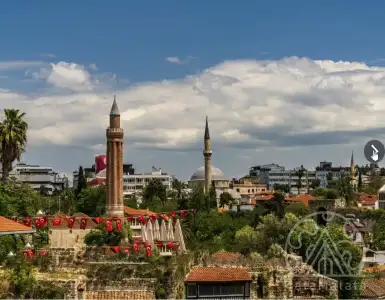
Flats in Antalya


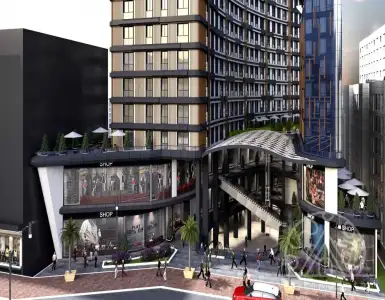
Flats in Istanbul


Choosing a property in Turkey for your request
- 🔸 Reliable new buildings and ready-made apartments
- 🔸 Without commissions and intermediaries
- 🔸 Online display and remote transaction
International Real Estate Consultant
Flats in Mersin
Flats in Mugla


Flats in Izmir

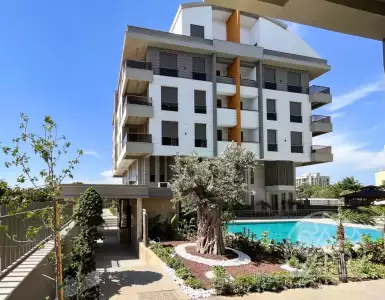
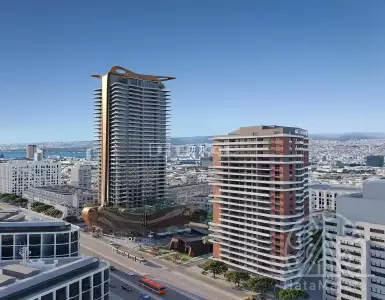
Flats in Aydin
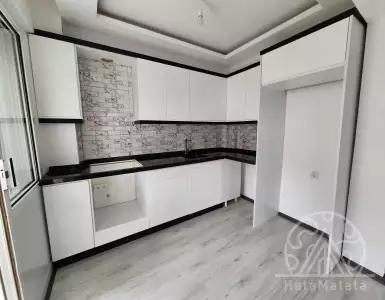
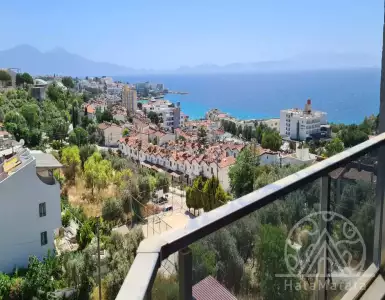
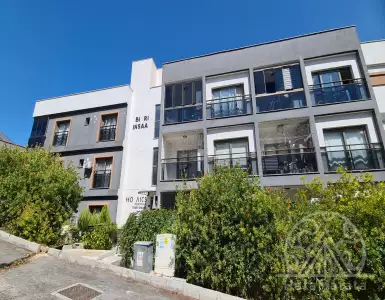
Flat in Turkey
- 🔸 Reliable new buildings and ready-made apartments
- 🔸 Without commissions and intermediaries
- 🔸 Online display and remote transaction
International Real Estate Consultant
Leave a request and our manager will contact you.
International Real Estate Consultant
Individual selection flats in Turkey
Save time — for free we will select objects for your budget and goals
🇹🇷 Turkey flat market: average prices, neighborhood insights, ownership regulations
Turkey’s combination of coastline, cities and improving infrastructure creates a diverse property market where both lifestyle buyers and investors find opportunity. Buying a Flat in Turkey ranges from compact studios on the Aegean coast to high-end apartments in Istanbul’s central districts; demand is driven by tourism inflows, domestic urbanisation, expanding transport links and government-backed housing projects. If you plan to Buy flat in Turkey as a private homeowner or seek an Investment flat in Turkey, understanding local prices, developer reputations, legal checks and financing options is essential for a smooth purchase and attractive returns.
💠 What shapes demand for a Flat in Turkey: geography, climate and infrastructure in Turkey
Turkey’s geography is a decisive factor for property demand: the Marmara and Aegean coasts attract year-round residents and holiday rentals thanks to mild Mediterranean climate and sandy beaches, while the Central Anatolia corridor and the capital Ankara draw long-term business tenants and government employees. Coastal cities like Antalya, Bodrum, Fethiye and Çeşme consistently see summer rental spikes, while Istanbul and Izmir combine tourism with strong local demand due to universities, hospitals and corporate hubs. Mountainous and inland regions have lower transaction volumes and typically lower pricing, affecting liquidity for holiday-focused investors. Transport improvements reshape neighbourhood desirability: Istanbul Airport, new metro lines, the Marmaray rail tunnel and expanded highways have shifted demand toward newly connected suburbs such as Başakşehir and Beylikdüzü, where larger new developments are concentrated. Airports in Antalya, Dalaman, Bodrum-Milas and Izmir Adnan Menderes underpin short-term rental markets by enabling easy tourist access. Infrastructure projects influence both resale prospects and rental demand, and therefore capital appreciation. Urban planning and tourism policy also matter: state-backed projects from entities like Emlak Konut and widely promoted coastal developments create supply pulses. Seasonality drives yield differences between long-term leases in Ankara and short-term holiday lets in Alanya or Kalkan, so buyer objectives should align with location-specific demand drivers and regulatory restrictions that can affect construction permits and occupancy licences.
- Key demand drivers: climate, airport access, metro and highway connections, tourism flows, local employment hubs
- Sought locations: Istanbul (European and Asian sides), Izmir (Alsancak, Çeşme), Antalya (Lara, Konyaaltı, Alanya), Bodrum (Yalıkavak, Gümüşlük)
- Infrastructure winners: Istanbul Airport, Marmaray, Adnan Menderes Airport, coastal marinas and yacht harbours
💶 How Turkey’s economy shapes the market for Flat in Turkey
Turkey is one of the largest economies in the region, with a broad industrial base, strong tourism receipts and a dynamic services sector that sustain long-term housing demand. National GDP and domestic consumption support urban rental markets, while tourism that regularly exceeds 40 million visitors annually fuels holiday rental profitability on the Mediterranean and Aegean coasts. Economic cycles influence transaction volumes and price growth, so liquidity and capital appreciation for a Flat in Turkey correlate with macro stability and foreign exchange trends. Investment sentiment is also shaped by tax and regulatory frameworks: comparatively moderate transaction taxes and a title-deed system that allows foreigners to hold freehold property make purchases straightforward, while investors factor in VAT on new builds and annual property taxes when calculating net returns. Business centres such as Istanbul’s Levent and Maslak, and industrial zones in the Marmara region, provide steady tenant pools for income-focused investors and underpin higher valuations in nearby residential districts. Capital inflows, construction pipeline and local developer balance sheets determine how fast new supply reaches market; areas with strong development by reputable builders tend to retain resale value. For an Investment flat in Turkey, consider macro indicators, tourism trends and municipal infrastructure plans to estimate likely liquidity and medium-term ROI on flat in Turkey.
- Economic factors: tourism volume >40 million, large domestic market, urban employment hubs
- Tax/regulatory influences: VAT on new builds, title deed transfer tax, annual property tax
- Market signals: developer activity, construction permits, infrastructure spending
💷 How much Flat costs in Turkey — price breakdown by city, region and property format
Property prices vary widely by city, neighbourhood and new-build vs secondary market. Below are representative price ranges in US dollars for flats by location and typical sizes, with clear differentiation between coastal holiday markets and big-city residential cores.
- Istanbul (central neighbourhoods like Beşiktaş, Nişantaşı, Kadıköy)
- 1–2 bedroom: $150,000–$600,000; luxury and historic apartments in premium locales $600,000–$2,500,000+
- New development high-rises in suburbs (Başakşehir, Beylikdüzü): $90,000–$300,000
- Izmir and Aegean coast (Alsancak, Çeşme, Seferihisar)
- 1–2 bedroom: $90,000–$400,000; waterfront villas and penthouses higher
- Antalya and Mediterranean coast (Lara, Konyaaltı, Alanya, Kalkan)
- Holiday flats: $60,000–$350,000 depending on proximity to sea and complex facilities
- Bodrum and Muğla district (Yalıkavak, Gümüşlük, Fethiye)
- Seafront/sea-view flats: $120,000–$700,000 for premium locations
- Ankara (government and business districts like Çankaya, Kavaklıdere)
- 1–3 bedroom: $50,000–$220,000
- Bursa, Gaziantep, Konya (secondary cities)
- Typical flats: $40,000–$150,000
Market dynamics and formats:
- New developments often carry a premium of 10–30% over comparable secondary market flats due to warranties and amenities.
- Sizes: studio 30–50 sqm, 1–2 bedroom 50–120 sqm, family flats 120–250+ sqm.
- Demand trends: coastal holiday flats see higher seasonal yields, central city flats have steadier long-term rental demand.
🎯 Which region of Turkey to choose for buying flat in Turkey — city-by-city advantages
Choosing the right region depends on purpose: rental yield, capital growth or lifestyle. Each city offers different market mechanics and infrastructure that affect occupancy and resale.
-
Istanbul — Best for capital growth and corporate rental demand: access to global airports, business districts (Levent, Maslak), universities and major hospitals. Prices are highest and liquidity strong in central districts.
-
Izmir and Çeşme — Balanced lifestyle and short-term rental: modern marinas, growing international buyer interest, proximity to European holiday markets, solid long-season rentals.
-
Antalya & Alanya — Holiday rental powerhouses: international airports, resort amenities, high short-term occupancy rates that boost seasonal rental yield.
-
Bodrum & Fethiye — Premium holiday market: luxury marinas, high net-worth buyer base, strong short-term ROI in boutique complexes.
-
Ankara — Stable long-term rental from civil servants and corporate employees, lower volatility and more affordable prices.
-
Bursa and coastal secondary towns — Good value buys for middle-income renters and domestic buyers, with moderate yields and lower entry prices.
-
Transport and infrastructure notes: Istanbul Airport, Marmaray, Adnan Menderes Airport, Bodrum-Milas and Dalaman airports elevate nearby regions’ rental potential.
-
Price differentials: central Istanbul vs suburban Istanbul can be 2–5x, coastal luxury pockets often command multiples vs inland towns.
🏗️ Leading developers and projects offering Flat in Turkey
Choosing a reputable developer reduces delivery risk and improves resale prospects. Prominent names and representative projects include established national and international firms.
-
Emlak Konut (state-backed) — large masterplanned developments across Istanbul and other regions, known for scale and regulatory alignment.
-
Emaar Properties — developer of Emaar Square Istanbul, offering mixed-use high-quality apartments and retail components.
-
Nef — urban regeneration and design-led projects in Istanbul and coastal towns, with branded residential concepts.
-
Ağaoğlu — large-scale projects such as Ağaoğlu My World and urban residential towers in Istanbul.
-
Kuzu Group — high-rise mixed-use complexes including Skyland Istanbul, targeting premium buyers.
-
Varyap — major masterplans and high-end residential projects like Varyap Meridian in Istanbul.
-
Sinpaş, Sur Yapı, Mesa and Tekfen — active across Ankara, Bursa and coastal markets with both speculative and turnkey inventory.
-
Developer due diligence checklist: title deed history, construction permit (İskan) status, delivery guarantees, bank escrow arrangements.
🧾 Mortgage Turkey for foreigners and flat in Turkey with installment plan options
Foreign buyers can access financing in Turkey, and developers frequently offer installment plans to bridge down payment gaps.
-
Mortgage basics for foreigners: Turkish banks typically require a tax number, passport, bank account and proof of income; down payments commonly start at 30%–40% of the purchase price for non-residents. Mortgage Turkey for foreigners often features interest rates that vary by currency and client profile, commonly ranging from 6% to 14%, with loan terms up to 15–20 years in many cases.
-
Developer installment plans: Developers frequently provide flexible schedules—deferred payments during construction and completion stage installments—ranging from 12 to 60 months or longer for promotional campaigns. A flat in Turkey with installment plan can reduce upfront capital needs and may include fixed payment schedules in USD or TRY depending on contract.
-
Practical considerations: currency risk, bank appraisal, necessity of a local co-signer in some cases, and notarised foreign currency contracts when arranging a flat in Turkey with mortgage.
-
Typical requirements: Turkish tax number, bank account, proof of funds/income, appraisal report, credit assessment
-
Developer vs bank finance: developer plans can be more flexible but check legal enforceability and escrow protections
🛂 Legal process to buy flat in Turkey — step-by-step Legal process to buy flat in Turkey
Purchasing follows clear registry steps but requires careful legal checks. The Legal process to buy flat in Turkey usually proceeds through reservation, contract, title deed transfer and registration.
-
Step 1 — Pre-purchase checks: obtain a Turkish tax number, verify TAPU (title deed) ownership and encumbrances, review building permits and ISAKAN document for completed properties. Hire a local lawyer and perform a land registry search and a debts check for utilities and taxes.
-
Step 2 — Reservation and sales contract: sign a preliminary sales contract detailing price, payment schedule and delivery timeline; deposit commonly 5–10%. Contracts must be clear on currency, penalty clauses and completion warranties.
-
Step 3 — Final transfer at Land Registry (TAPU): buyer pays title deed transfer tax (normally 4% of declared price), the transaction is recorded at the Land Registry office and new TAPU is issued. The notary certifies signatures and ensures funds are transferred. Registration typically completes within a few days to a few weeks depending on documentation and military clearance in restricted zones.
-
Documents and costs: tax number, passport, bank account, TAPU transfer tax ~4%, DASK mandatory earthquake insurance, notary fees, possible VAT on new builds
-
Typical timelines: due diligence and contract stage 1–4 weeks, full transfer 2–6 weeks, new-build delivery varies by developer schedule
⚖️ Property taxes, ownership rules and residency implications in Turkey
Understanding Property taxes in Turkey for foreigners and legal obligations is critical for budgeting and compliance.
-
Annual property tax rates vary by municipality and classification but are commonly modest; residential rates are often 0.1%–0.6% of declared value depending on location and valuation band. Transaction-related costs include the TAPU transfer tax (~4% paid by buyer) and potential VAT on new developments, which varies by unit size and project classification.
-
Mandatory insurance and utility registrations: earthquake insurance (DASK) is obligatory for all residential properties, and utility debts and municipal dues must be cleared at transfer. Rental income is taxable under Turkish rules and non-resident owners must register to pay income tax or file returns depending on bilateral tax treaties.
-
Residency and citizenship: buying property allows an application for a short-term residence permit but does not automatically grant permanent residency. Purchasing property meeting the investment threshold of $400,000 (and complying with minimum holding requirements and other legal conditions) may qualify a buyer for citizenship under Turkey’s investment-by-property programme, commonly referred to as Golden visa through flat investment in Turkey; buyers seeking a Residence permit through flat investment in Turkey should follow immigration procedures and confirm current thresholds with legal counsel.
-
Fiscal checklist: Property taxes, DASK, TAPU tax ~4%, income tax on rent, municipal service fees
-
Ownership limits: some coastal and military-adjacent areas require additional clearance
🏡 Which purposes suit buying flat in Turkey and where to buy for each scenario
Different buyer objectives map to specific locations and property types in Turkey, matching lifestyle, rental profile and exit strategy.
-
Permanent relocation / family residence: Istanbul (Kadıköy, Beşiktaş) and Izmir (Alsancak, Karşıyaka) offer schools, hospitals and year-round services; typical purchases are 2–3 bedroom flats in established neighbourhoods or gated compounds.
-
Seasonal residence and holiday rental: Bodrum, Fethiye, Çeşme, Antalya favour sea-view apartments, small villas and apartment complexes with on-site management for short-term letting; these locations provide higher seasonal occupancy and tourist-driven yields.
-
Long-term rental and income investment: Ankara and industrial areas around Bursa and İzmit offer steady tenant demand from government workers and factory employees, with lower volatility and predictable long-term leases.
-
Premium and luxury investment: seafront penthouses in Nişantaşı, Bebek, Çeşme and Yalıkavak command top prices and appeal to high-net-worth buyers seeking capital preservation and prestige.
-
Buy-to-sell (capital appreciation): central Istanbul regeneration corridors and neighbourhoods adjacent to new metro lines typically yield the best ROI on flat in Turkey if purchased prior to infrastructure completion.
-
Property types by use: studios and 1-bed for holiday rental, 2–3 bed for family living and long-term rental, penthouses/villas for premium segment
The Turkish market offers a layered combination of lifestyle and investment opportunities: strong tourist volumes, expanding transport networks and active developers sustain both rental demand and resale liquidity. For buyers focused on steady Rental yield for flat in Turkey, coastal resort towns often deliver the highest gross seasonal yields, while central urban flats produce steadier long-term returns; ROI on flat in Turkey will depend on purchase price, financing structure and management approach. With proper due diligence, clear legal checks and the right financing—whether Mortgage Turkey for foreigners or a developer instalment plan—purchasing a flat can meet objectives from relocation to generating rental income and, where criteria are met, provide pathways to residence or citizenship through property investment.
Frequently Asked Questions
How much does a flat cost in Turkey on average?
Nationwide asking prices vary widely. As a rough benchmark, average prices for flats are around $1,000–$1,500 per m² across Turkey; Istanbul commonly ranges $2,000–3,000/m², Ankara $1,200–1,600/m², Izmir $1,500–2,200/m². Coastal resort towns can be higher seasonally. Prices change by neighborhood and market conditions, so always check recent listings for the specific city.
Can foreigners legally buy a flat in Turkey?
Yes. Most nationalities can purchase residential property; restrictions apply in certain military zones and where reciprocity is not granted. Individual foreign buyers are typically limited to 30 hectares of land. Purchases require a passport, tax number and a tapu (title deed) transfer at the Land Registry.
Does buying a flat in Turkey give me residency or citizenship?
Buying a flat allows you to apply for a short-term residence permit tied to property ownership; approvals are issued and renewable (commonly 1–2 year permits). Citizenship by investment exists: the standard route requires a minimum property purchase (commonly cited at $400,000) and a 3‑year holding obligation before transfer of title; government rules can change, so confirm current thresholds.
What taxes and fees should I expect when buying a flat in Turkey?
Main costs: title deed transfer tax (4% of declared sale price) paid at transfer; VAT on new builds (rates 1%, 8% or 18% depending on size/use); annual property tax (typically 0.1%–0.6% of assessed value); mandatory earthquake (DASK) insurance premiums; notary/stamp and modest registration fees. Budget these into your purchase within the transfer week.
Can I get a mortgage in Turkey as a foreign buyer?
Yes, Turkish banks offer mortgages to non-residents, though terms vary. Typical down payments range 30%–50% of price, loan-to-value often 50%–70% for approved borrowers, with terms up to 10–30 years. Interest rates and currency options (TRY or foreign currencies) depend on the bank and your nationality; pre‑approval can take a few weeks.
What rental yields and resale returns can investors expect in Turkey?
Gross rental yields in major cities commonly range 4%–7%; holiday/coastal markets can reach 6%–10% seasonally. Resale returns vary by location: stable urban neighborhoods may see modest annual growth (low single digits to mid‑teens during booms). Expect local variation; evaluate historic neighborhood performance over 3–10 year horizons.
How long does the flat purchase process take in Turkey?
Typical timeline: due diligence and offer stage 1–3 weeks; title deed (tapu) transfer and final payment often completed within 2–6 weeks after checks; obtaining a tax number and opening a bank account can be done in days. If applying for residency or citizenship, expect additional processing of months depending on the procedure.
Which Turkish cities or regions are best for long‑term flat investment?
Popular long‑term options: Istanbul for capital growth and year‑round rental demand (largest population ~15 million); Ankara for steady local demand; Izmir for stable coastal city growth; Antalya and other Mediterranean towns for strong holiday rental income. Choose by desired yield, tenant profile and expected holding period (typically 5–10 years).
What legal checks should I do before buying a flat in Turkey?
Essential checks: confirm tapu title and seller identity, verify no mortgages/encumbrances, confirm zoning and building permit/occupancy certificate, check for military‑restricted land, review taxes and utility debts. Perform these within 1–2 weeks via the Land Registry and get a written sales contract. Using a local lawyer for searches is strongly recommended.
Is buying a flat in Turkey a good way to preserve capital against inflation and currency risk?
Real estate is commonly used as an inflation hedge in Turkey. Because the lira has experienced high inflation, many buyers price or rent properties in hard currency to protect returns. Expect that property can preserve value better than cash over 5–10 years, but outcomes depend on location, rental contract currency and macroeconomic policy.
Real estate types in Turkey
- Houses in Turkey (166)
- Villas in Turkey (162)
- Penthouses in Turkey (30)
- Lands in Turkey (14)
- Hotels in Turkey (13)
- Buildings in Turkey (12)
- Duplexes in Turkey (11)
- Shops in Turkey (9)
Real estate types by regions of Turkey
- Flats in Antalya (1203)
- Flats in Istanbul (529)
- Flats in Mersin (97)
- Flats in Izmir (9)
- Flats in Mugla (7)
- Flats in Aydin (7)
- Flats in Ankara (1)
- Flats in Yalova (1)
Properties by Region
- Flats in Antalya (1422)
- Flats in Istanbul (666)
- Flats in Mersin (102)
- Flats in Mugla (46)
- Flats in Aydin (20)
- Flats in Izmir (17)
- Flats in Ankara (11)
Properties by Country
- Real estate in Bulgaria (11436)
- Real estate in Montenegro (5324)
- Real estate in Spain (5197)
- Real estate in Indonesia (2424)
- Real estate in Turkey (2317)
- Real estate in Portugal (2037)
- Real estate in Croatia (1682)
- Real estate in Cyprus (1658)
- Real estate in Italy (1567)
- Real estate in Thailand (1565)
- Real estate in Greece (1121)
- Real estate in France (1070)
- Real estate in USA (732)
- Real estate in Georgia (507)
- Real estate in Serbia (246)
- Real estate in Slovenia (125)
- Real estate in Egypt (20)
Don't know where to start buying a property in Turkey?
Leave a request and receive free advice on prices, taxes, residence permits and the real estate market. in Turkey.

Maria Guven
Head of Direct Sales Department
+90-507-705-8082