


House in Turkey


- 🔸 Reliable new buildings and ready-made apartments
- 🔸 Without commissions and intermediaries
- 🔸 Online display and remote transaction

International Real Estate Consultant
Leave a request and our manager will contact you.
International Real Estate Consultant
 Maria Güven, Turkey and Cyprus Real Estate Expert
Reviewed:
Maria Güven, Turkey and Cyprus Real Estate Expert
Reviewed:


Weather in Turkey
For Sale house in Turkey
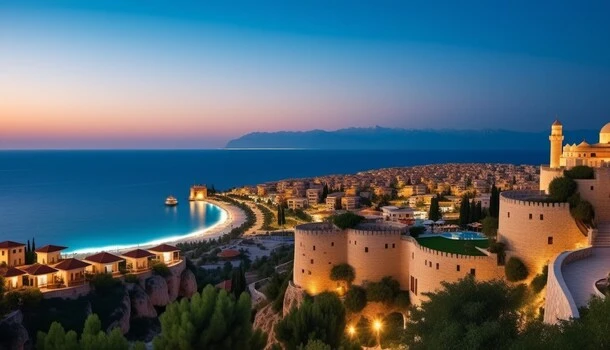
Houses in Antalya
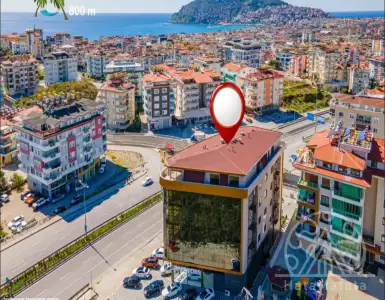


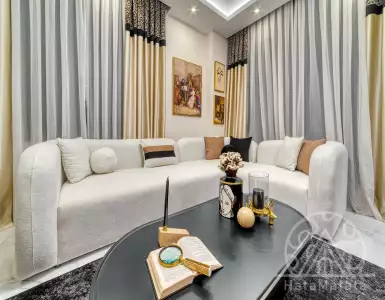

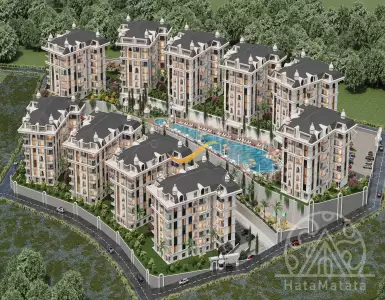
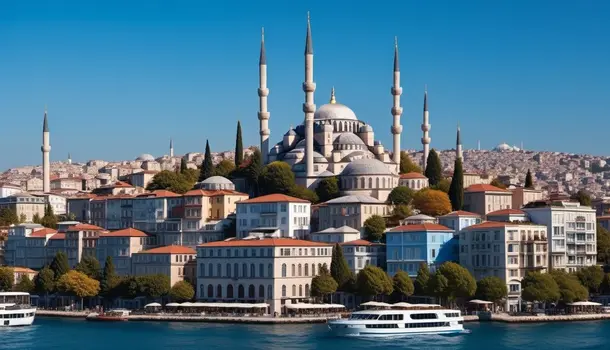
Houses in Istanbul
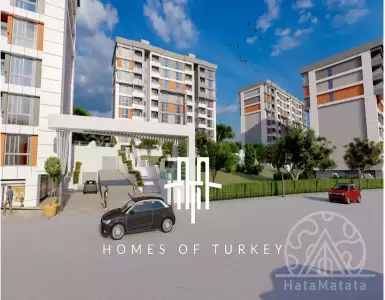
Choosing a property in Turkey for your request
- 🔸 Reliable new buildings and ready-made apartments
- 🔸 Without commissions and intermediaries
- 🔸 Online display and remote transaction
International Real Estate Consultant
Houses in Mugla
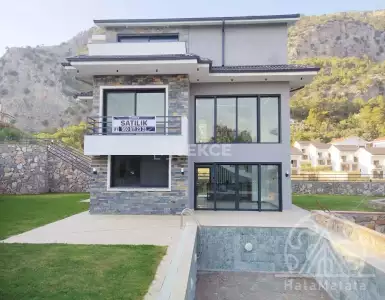
Houses in Ankara
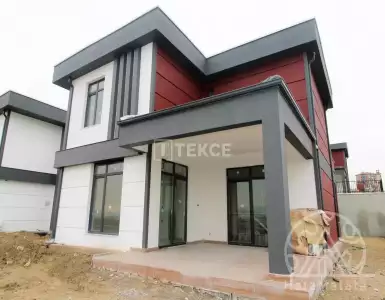
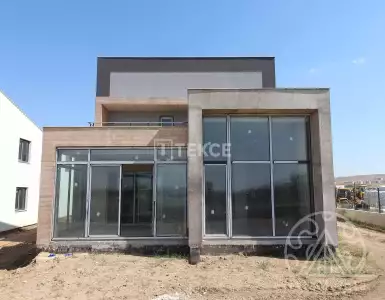
Houses in Aydin
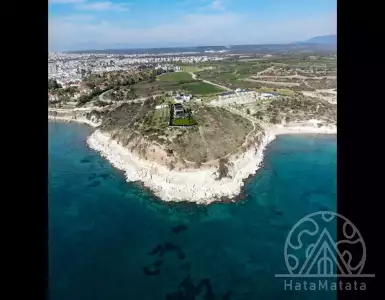
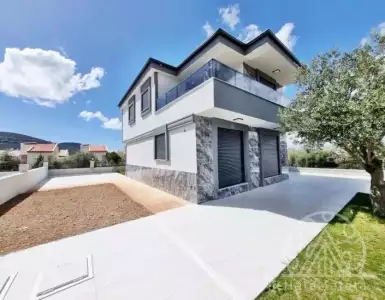
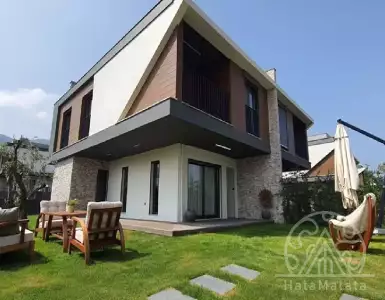
House in Turkey
- 🔸 Reliable new buildings and ready-made apartments
- 🔸 Without commissions and intermediaries
- 🔸 Online display and remote transaction
International Real Estate Consultant
Leave a request and our manager will contact you.
International Real Estate Consultant
Individual selection houses in Turkey
Save time — for free we will select objects for your budget and goals
🇹🇷 House in Turkey: foreign buyer rules, title deed (tapu), taxes and regional prices
Turkey is a diverse and accessible market for international buyers seeking a House in Turkey, combining coastal resort life, major urban centers, and emerging secondary cities. High-speed rail and international airports connect Istanbul, Izmir, Antalya and Ankara, while long Mediterranean and Aegean coastlines fuel steady tourist demand. Buyers should weigh geography, climate, transport corridors and local infrastructure when they decide where to Buy house in Turkey, because these factors directly determine capital preservation, rental income and resale liquidity.
🗺️ Where to buy a House in Turkey — geography, climate and infrastructure shaping demand
Turkey stretches from the Marmara and Aegean seas to the Mediterranean and inland Anatolia, giving buyers choices from humid coastal microclimates to continental interiors; Istanbul, Antalya, Izmir, Bodrum and Fethiye represent distinct market types. Coastal locations like Antalya (Lara, Konyaaltı, Kalkan) and Bodrum (Yalıkavak, Turgutreis, Gümüşlük) see long-season tourism and holiday rental peaks, while Istanbul (Beyoğlu, Ataşehir, Başakşehir, Kartal) serves permanent residency and business demand driven by finance hubs and multinational offices. Inland cities such as Ankara and Bursa are dominated by local buyers and steady long-term rentals linked to public-sector employment and universities.
Transport infrastructure shifts demand: Istanbul Airport, Adnan Menderes Airport (Izmir) and Antalya Airport underpin international arrivals; high-speed rail corridors and modern highways shorten distances and support commuter belts like Gebze and İzmit. Large-scale infrastructure projects create pockets of speculative demand that can alter micro-markets quickly.
Local amenities tilt buyer preferences: proximity to hospitals (Acıbadem, Memorial), international schools (e.g., Istanbul International Community School, Ted Izmir), marinas (Yalıkavak Marina, D-Marin Göcek) and shopping centers (Zorlu Center, Kanyon, Forum Antalya) increases both owner-occupier appeal and premium rental rates.
- Key location factors influencing demand:
- Climate: Mediterranean coast = long rental season; Marmara = year-round demand.
- Transport: International airports, high-speed rail, metro lines.
- Infrastructure: Marinas, hospitals, international schools, shopping centers.
- Tourism flows: Concentrated along Antalya, Bodrum, Çeşme coasts.
📈 Economy and investment climate in Turkey and effects on House market
Turkey ranks among the world’s largest economies with a diversified base: manufacturing, tourism, construction and services drive GDP; large urban labor pools sustain housing demand. Foreign direct investments and tourism inflows boost short-term liquidity in coastal markets and stimulate new supply from major developers. Currency dynamics can make Turkish property attractive to dollar- or euro-based buyers, improving ROI when local market rents and sales respond to foreign demand.
Taxation and regulatory frameworks shape yields: effective property tax levels and withholding on rental income are moderate compared with many EU countries, but transactional costs and VAT differentiations on new-builds vs. resale can affect net returns. Evolving business incentives and city-level regeneration programs (for example in Istanbul’s finance districts) raise both investor and owner-occupier interest.
Macro factors affecting market liquidity include domestic credit availability, construction pipeline, and tourism seasonality. High tourist seasons translate directly into stronger short-term rental economics in Antalya, Bodrum, Alanya and Çeşme, while Istanbul offers longer-term capital appreciation tied to employment and corporate relocations.
- Economic drivers affecting houses:
- Tourism volume driving holiday rental demand.
- FDI and construction pipeline influencing supply.
- Currency dynamics improving purchasing power for foreign buyers.
- Local taxation and incentives altering net yields.
💶 How much House costs in Turkey — price ranges by city, type and project
Prices vary dramatically by city, proximity to the sea, new-build vs. resale, and plot size. Typical entry-level single-family houses or villas in resort towns start from US$120,000–220,000, while premium sea-view villas in Bodrum, Kaş or Kalkan reach US$1.2M–5M+. In Istanbul, family houses and townhouse-style homes in suburbs range US$180,000–700,000, with luxury Bosphorus properties and central compounds well above US$2M.
New developments from major builders and gated villa projects have set clear benchmarks: mid-range gated villas and detached houses often sell between US$250,000–650,000 with sizes from 120–350 m², while compact two- to three-bedroom houses in coastal complexes are frequently US$150,000–350,000. Resale detached properties inland (Bursa, Eskişehir) can be found under US$100,000 in smaller towns.
Market segmentation and typical price bands:
- By city and region:
- Istanbul: US$180k–2M+ (suburbs to premium neighborhoods).
- Antalya/Alanya/Side: US$120k–900k (apartments to seafront villas).
- Bodrum/Çeşme/Fethiye/Kaş: US$200k–5M+ (holiday villas, luxury estates).
- Izmir/Çeşme: US$160k–1.5M (city and coastal offers).
- By property format:
- Detached villa: US$250k–5M+ depending on location and sea view.
- Terraced/town house: US$150k–600k.
- Small family house/resale: US$80k–250k.
- By project status:
- New developments: premiums of 10–35% over comparable resales.
- Completed projects: immediate rental readiness and lower transaction friction.
🚆 Which cities and regions in Turkey attract House buyers and why
Buyers cluster in distinct corridors: Istanbul for business, long-term rentals and capital growth; Antalya and Alanya for holiday rental volume and accessible airports; Bodrum, Çeşme and Fethiye for premium villas and yachting clientele; Izmir for a mix of city life and Aegean coast appeal; Bursa and Antalya’s hinterlands for affordable family houses with commuting access. Demand drivers differ by market: Istanbul’s proximity to multinational firms sustains year-round lettings, Antalya’s airport connectivity supports high tourist occupancy rates, and Bodrum/Çeşme command strong high-end foreign buyer interest.
Transport and infrastructure underpin region popularity: Istanbul’s metro extensions and third bridge support suburban growth; Antalya Airport’s open-season international flights sustain holiday demand; Adnan Menderes Airport in Izmir connects Aegean resorts with Europe. Long-term rental demand is strong near universities (e.g., Ege University, Middle East Technical University) and hospital complexes, creating pockets of predictable cash flow for investors.
Price differentiation reflects accessibility and amenity concentration: a seaside villa in Kalkan is priced several times higher than an inland farmhouse in Antalya’s Akseki district, while Istanbul suburbs with metro access often outprice similar-sized properties lacking mass transit.
- Popular regions and strengths:
- Istanbul: jobs, finance, long-term rentals.
- Antalya: mass tourism, holiday rentals, accessible airport.
- Bodrum/Çeşme: luxury market, marinas, second-home buyers.
- Izmir: balanced city-coast lifestyle.
- Bursa/Ankara: affordability, domestic rental demand.
🏗️ Leading developers and projects in Turkey offering House
A number of established developers deliver large-scale villa projects, gated communities and mixed-use neighborhoods with integrated facilities. Notable names include Emlak Konut GYO, Ağaoğlu, Sinpaş, Nef (projects like Nef Bahçelievler and urban villa concepts), Kuzu Group, Dap Yapı, and Sur Yapı; internationally oriented projects include Emaar Square Istanbul and waterfront masterplans in Bodrum and Çeşme by local boutique developers. These companies provide standardized warranties, payment plans and finished landscaping that appeal to investors and owner-occupiers alike.
Signature projects and micro-locations buyers watch:
- Emaar Square (Istanbul) — mixed-use, business and residential synergy near Atatürk Airport corridor.
- Nef projects — urban villas and apartment compounds in Istanbul and Antalya.
- Emlak Konut developments — large-scale housing estates across Istanbul and Turkish regions.
- Local resort projects in Bodrum and Çeşme** — boutique villa collections near marinas and premium beaches. Developers often offer after-sales management, rental programs and guaranteed occupancy periods for investors, increasing practical liquidity for Investment house in Turkey purchases.
- Developer advantages and project types:
- Mass-market gated communities: comprehensive facilities, stable maintenance.
- Luxury villa collections: proximity to marinas and private beaches.
- Mixed-use developments: retail+residential synergy for rental demand.
- Developer services: rental management, flexible instalments.
🏦 Mortgage Turkey for foreigners and house in Turkey with mortgage or installment plan
Foreign buyers can access financing but terms vary by bank, nationality and property. Many Turkish banks provide foreign-currency and local-currency mortgages for non-residents with typical down payments from 30% to 50%, loan terms usually 5–15 years, and interest rates that depend on currency and central bank policy. Mortgage Turkey for foreigners often requires proof of income, bank statements, property valuation and a Turkish tax number; banks may insist on life insurance and mortgage insurance as part of the package.
Developers commonly offer direct payment plans: short-term interest-free plans or extended developer instalments spanning 24–120 months, making a house in Turkey with installment plan accessible even when bank credit is limited. Installment plans often require an initial deposit (20–40%) and staged payments tied to construction milestones; luxury developers sometimes market bespoke plans for high-net-worth foreign buyers.
Practical points for financing:
- Mortgage features:
- Down payments: typically 30–50% for foreigners.
- Terms: 5–15 years common; some banks extend to 20 years.
- Requirements: Turkish tax number, income proof, property valuation.
- Developer finance:
- Interest-free short-term options or longer-term amortizations.
- Installment flexibility for off-plan projects.
- Currency note: loans in TRY vs. USD/EUR affect monthly liabilities and FX risk.
📝 Legal process to buy house in Turkey — step-by-step purchase procedure
The Legal process to buy house in Turkey begins with selecting a property, performing due diligence, and signing a reservation agreement with a deposit. Buyers should commission a title deed (Tapu) preliminary check, debt and encumbrance search at the Land Registry and a building occupancy (iskan) check; for off-plan purchases review the developer’s construction permits and corporate standing. A notarized power of attorney streamlines foreigner purchases when buyers cannot be present; many transactions proceed through experienced law firms and licensed agents.
The formal sale culminates at the Land Registry where the buyer pays the balance, signs the Tapu transfer and receives the title deed; typical transactional taxes and fees include a title deed transfer fee (often shared between buyer and seller), stamp duty, and notary fees, plus municipal charges for utilities transfer. Processing and registration timelines vary by region but local transfers at the Land Registry can take 2–6 weeks after funds and paperwork are complete.
Practical checklist:
- Pre-purchase:
- Turkish tax number, ID/passport and notarized translations.
- Title (Tapu) check, municipal permits, debt clearance.
- Contract review by Turkish lawyer for escrow and payment terms.
- At purchase:
- Deposit/reservation, escrow or bank transfer for balance.
- Tapu transfer at Land Registry, payment of transfer fees.
- Registration of utilities and HOA documents if applicable.
⚖️ Property taxes in Turkey for foreigners and legal aspects of owning house in Turkey
Property taxes in Turkey for foreigners are structured and predictable: annual property tax rates are modest and vary by municipality and property type, typically a small percentage of the declared property value, while capital gains taxation may apply to resale gains within certain holding periods. Rental income is taxable after allowable deductions; non-resident landlords can register for tax and file returns or appoint a fiscal representative. Ongoing costs include municipal service charges, condominium maintenance (site aidat) and occasional municipal improvement levies.
Ownership rights are full for foreigners in most regions, although some coastal or military-proximity areas have restrictions; a formal check by the Land Registry will confirm land zoning and any state-use constraints. Buying a property does not automatically grant a residency right, though certain investment thresholds or long-term property ownership can be part of broader applications; specific phrases such as Residence permit through house investment in Turkey and Golden visa through house investment in Turkey refer to government schemes where property investment can support residency or citizenship options under defined conditions and thresholds.
Key legal and fiscal points:
- Taxes and fees:
- Annual property tax: modest municipal percentage.
- Rental income tax: declared and taxed with deductions available.
- Transfer fees and stamp duty: one-off at purchase.
- Ownership & residency:
- Title (Tapu) gives ownership rights subject to zoning.
- Residence or citizenship pathways may require minimum investment thresholds and compliance with national rules.
🏡 Which purposes a House in Turkey is suitable for and where to buy by purpose
Living and permanent relocation work best in Istanbul (Ataşehir, Kadıköy), Izmir (Alsancak) and university towns like Ankara where employment, schools and healthcare are established; typical properties are townhouses or modern detached houses near transit. For seasonal residence and holiday rentals, coastal hubs Antalya (Lara, Belek), Alanya, Bodrum and Çeşme offer strong occupancy and established short-stay markets; typical assets are seafront villas or small detached houses in managed complexes. For investment and rental-focused buyers, high tourist density areas and Istanbul commuter belts produce the best Rental yield for house in Turkey and measurable ROI on house in Turkey when acquired below market and managed via professional agencies.
Family use and premium lifestyle purchases favor gated villa compounds with private gardens and concierge services in Bodrum, Kalkan, Kaş, and select Istanbul suburbs, while entry-level investor buys often focus on up-and-coming suburbs with new transport links.
- Purpose-specific recommendations:
- Permanent relocation: Istanbul suburbs with schools and hospitals.
- Seasonal/holiday: Bodrum, Çeşme, Fethiye coastal villas.
- Rental/investment: Antalya, Alanya, central Istanbul.
- Luxury lifestyle: Kalkan, Kaş, Yalıkavak marina neighborhoods.
The market outlook for House in Turkey remains underpinned by steady tourism, ongoing urbanisation and developer capacity to offer flexible finance and finished product; for price-sensitive buyers, currency movements and regional supply cycles create windows of opportunity, while long-term owners benefit from diverse use cases — living, rental, or premium retreat — across coastal and metropolitan markets. If you plan to Buy house in Turkey, weigh micro-location, developer reputation and financing options carefully to optimise Rental yield for house in Turkey and long-term ROI on house in Turkey, and consult local legal and tax advisors to clarify Property taxes in Turkey for foreigners and the full Legal process to buy house in Turkey.
Frequently Asked Questions
Can foreigners buy a house in Turkey?
Yes. Most foreigners can buy residential property in Turkey subject to reciprocity and restrictions for military zones. Purchases use a title deed (tapu) and require military clearance and municipal checks. The transaction typically completes in 2–8 weeks with proper paperwork and a local tax number.
How much do houses cost in Turkey on average?
Prices vary widely: Istanbul averages roughly $1,500–$3,500/m², Ankara and Izmir about $900–$1,800/m², smaller cities often $300–$800/m². Nationwide, a typical urban apartment often trades in the $80,000–$160,000 range; coastal and central locations command premiums.
Does buying property in Turkey lead to residency or citizenship?
Buying property does not automatically grant residency. You can apply for a short-term residence permit as a property owner. Citizenship by investment is available if you meet the legal real-estate threshold (a minimum property value requirement in foreign currency) and hold the property for the required period.
What rental yields and returns can investors expect in Turkey?
Gross rental yields in major cities commonly fall in the 4–7% range; tourist hotspots and short-term rentals can show higher gross yields of 6–10%. Total return depends on local demand, inflation, and currency movement; capital gains often materialize over multi-year horizons.
What legal and due-diligence steps are essential when buying in Turkey?
Check the tapu (title deed), iskan/occupancy permit, cadastral plan, and any encumbrances. Obtain military clearance, verify seller identity, and confirm utility/debt status. Use a licensed lawyer and a certified translator; notarized contracts and official transfers protect buyers.
What taxes and ongoing costs come with owning Turkish property?
Buyers typically pay a title deed transfer tax (around 4% of declared value) and any applicable VAT on new builds. Annual property tax rates are generally low (around 0.1–0.6% depending on location). Rental income is taxed under personal income rules; local service and maintenance fees also apply.
Can foreigners get a mortgage in Turkey to buy a house?
Yes, some Turkish banks lend to foreigners. Down payments commonly range from 20–40% depending on nationality and property. Interest rates and terms vary; many loans are in Turkish lira, so currency and rate risk should be considered before borrowing.
Are short-term rentals legal if I buy a property in Turkish tourist areas?
Short-term rentals are possible, but regulations vary by municipality and building rules. You must register for tax, comply with local tourism or rental permits where required, and follow condominium rules. High tourist demand can boost seasonal income but requires local compliance.
Which Turkish cities or regions show the best long-term housing potential?
Strong long-term demand is seen in Istanbul, Izmir, Antalya and other coastal resort areas, and secondary growth in Ankara and emerging regional centers. Areas with major transport links, university hubs and tourism infrastructure typically show sustained demand and appreciation over multiple years.
If I plan to relocate after buying a house in Turkey, what practical steps should I follow?
Visit and inspect the property, complete the tapu transfer, apply for a residence permit as owner, obtain a tax number, open a bank account, and register at the local municipality. Arrange health coverage and school enrollment as needed; many buyers relocate within weeks to a few months after finalizing purchase.
Real estate types in Turkey
- Flats in Turkey (1854)
- Villas in Turkey (162)
- Penthouses in Turkey (31)
- Lands in Turkey (14)
- Hotels in Turkey (13)
- Buildings in Turkey (12)
- Duplexes in Turkey (11)
- Shops in Turkey (9)
Real estate types by regions of Turkey
- Houses in Istanbul (75)
- Houses in Antalya (60)
- Houses in Mugla (10)
- Houses in Aydin (9)
- Houses in Ankara (7)
- Houses in Yalova (2)
- Houses in Izmir (1)
- Houses in Bursa (1)
Properties by Region
- Houses in Antalya (1422)
- Houses in Istanbul (667)
- Houses in Mersin (102)
- Houses in Mugla (46)
- Houses in Aydin (20)
- Houses in Izmir (17)
- Houses in Ankara (11)
Properties by Country
- Real estate in Bulgaria (11427)
- Real estate in Montenegro (5346)
- Real estate in Spain (5198)
- Real estate in Indonesia (2424)
- Real estate in Turkey (2318)
- Real estate in Portugal (2037)
- Real estate in Croatia (1682)
- Real estate in Cyprus (1628)
- Real estate in Italy (1585)
- Real estate in Thailand (1565)
- Real estate in Greece (1119)
- Real estate in France (1070)
- Real estate in USA (732)
- Real estate in Georgia (507)
- Real estate in Serbia (246)
- Real estate in Slovenia (125)
- Real estate in Egypt (20)
Don't know where to start buying a property in Turkey?
Leave a request and receive free advice on prices, taxes, residence permits and the real estate market. in Turkey.

Maria Guven
Head of Direct Sales Department
+90-507-705-8082